

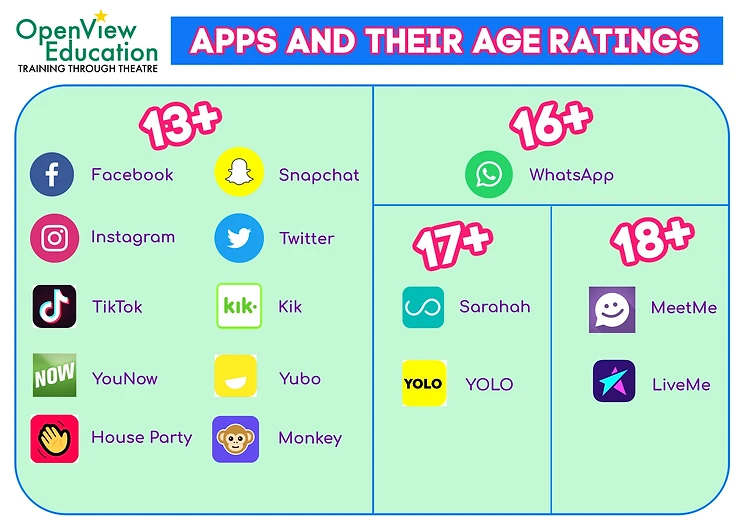
The landscape of social media is constantly evolving, and with increasing discussions around age verification and platform access, small to mid-sized businesses face new challenges in maintaining consistent audience engagement. This article will equip you with practical strategies to future-proof your brand, ensuring you can connect with your audience effectively, regardless of potential shifts in platform demographics or access policies. You’ll learn how to build resilient engagement models that reduce reliance on any single social channel and foster deeper, more sustainable relationships.
Understanding the Shifting Landscape
Regulatory pressures and platform-specific policy changes are making age verification a more prominent factor across social media. While the specifics are still developing, the implication for brands is clear: relying solely on platforms that might introduce stricter age gates or shift their primary demographic focus is a risk. For SMBs with limited resources, this isn’t about predicting the future, but about building a strategy that remains effective even if your primary social channel suddenly becomes less accessible to a segment of your target audience. The goal is adaptability, not perfect foresight.
Prioritizing Direct Relationships Over Platform Dependence
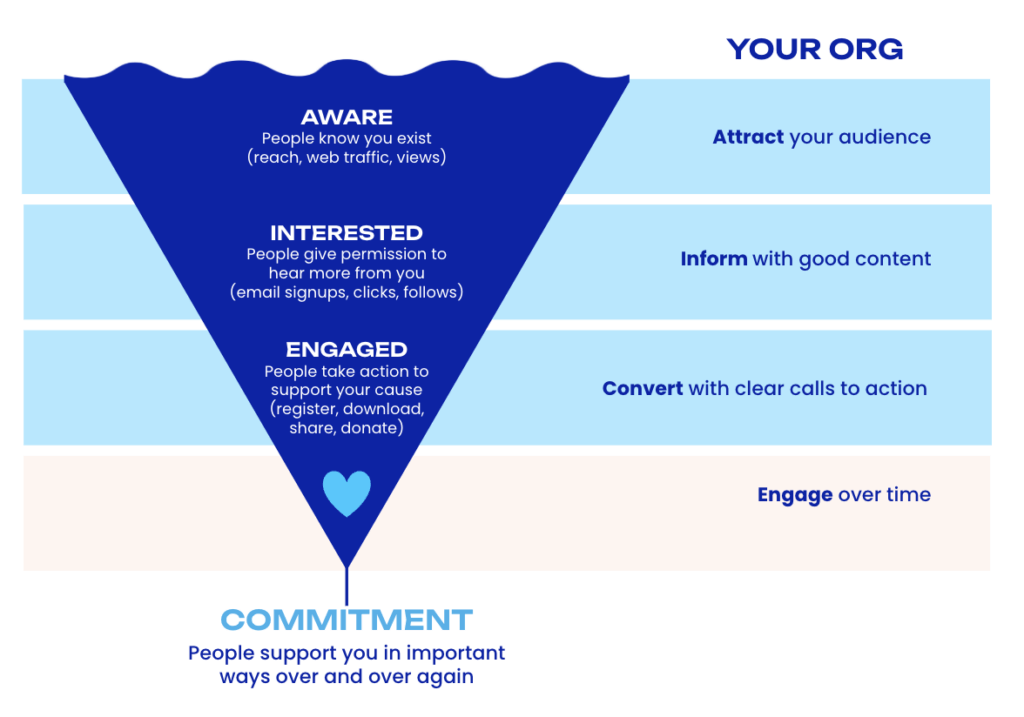
The most robust defense against social media volatility is to own your audience relationships. This means actively steering your social media efforts towards building direct connections that aren’t contingent on a third-party platform’s rules.
- Email Marketing: This remains the bedrock. Use social media to drive sign-ups for your email list. An engaged email list gives you a direct line to your audience, allowing you to share updates, promotions, and valuable content without algorithmic interference or age restrictions. Focus on providing exclusive value to subscribers. email marketing best practices for SMBs
- Owned Communities: Consider platforms like Discord, Slack, or even a dedicated forum on your website. These spaces allow for deeper interaction and community building, fostering loyalty that transcends individual social platforms. While they require moderation, the investment pays off in audience retention.
- Website as a Hub: Ensure your website is the ultimate destination for your content, products, and services. Social media should act as a funnel, driving traffic back to your owned property where you control the experience and data.
While email marketing is foundational, the practical challenge lies in maintaining list quality. It’s easy to prioritize rapid list growth, but a large list of disengaged subscribers is not an asset; it’s a liability. Over time, low open rates and high unsubscribe rates signal to email service providers that your content isn’t valuable, leading to deliverability issues. Your carefully crafted messages might end up in spam folders, effectively cutting off that direct line you worked to establish. This isn’t an immediate cost, but a slow, insidious erosion of a critical communication channel that requires proactive list hygiene and a consistent value exchange.
Similarly, the promise of “owned communities” often overlooks the significant, ongoing human investment required to make them thrive. Launching a Discord server or a forum is the easy part. The real work begins with consistent moderation, active participation from brand representatives, and the continuous seeding of discussions to foster genuine engagement. Without this dedicated effort, these spaces quickly become ghost towns, leaving teams frustrated and questioning the value of the initiative. It’s a common pitfall to assume the community will self-organize and sustain itself, when in practice, it demands active cultivation and a clear strategy for ongoing content and interaction.
Finally, while driving traffic to your website is the goal, the efficacy of this strategy hinges entirely on the on-site experience. It’s a common oversight to invest heavily in social media content and campaigns designed to funnel users to your site, only to neglect the conversion path once they arrive. A slow-loading page, a confusing navigation, or a mobile experience that isn’t optimized can negate all the effort put into traffic generation. The theoretical benefit of owning the experience is lost if that experience is subpar, leading to high bounce rates and wasted marketing spend. Teams often feel the pressure to constantly feed the social media beast, but the real leverage comes from ensuring the destination is as compelling as the journey.
Diversifying Content and Distribution
Putting all your content eggs in one social media basket is a fragile strategy. To future-proof, you need to diversify both your content formats and your distribution channels.
- Multi-Platform Presence: While you shouldn’t chase every trend, identify 2-3 core platforms where your audience is currently active and maintain a consistent, tailored presence. This spreads your risk. For example, if TikTok introduces stricter age limits, a strong presence on Instagram and LinkedIn provides a fallback.
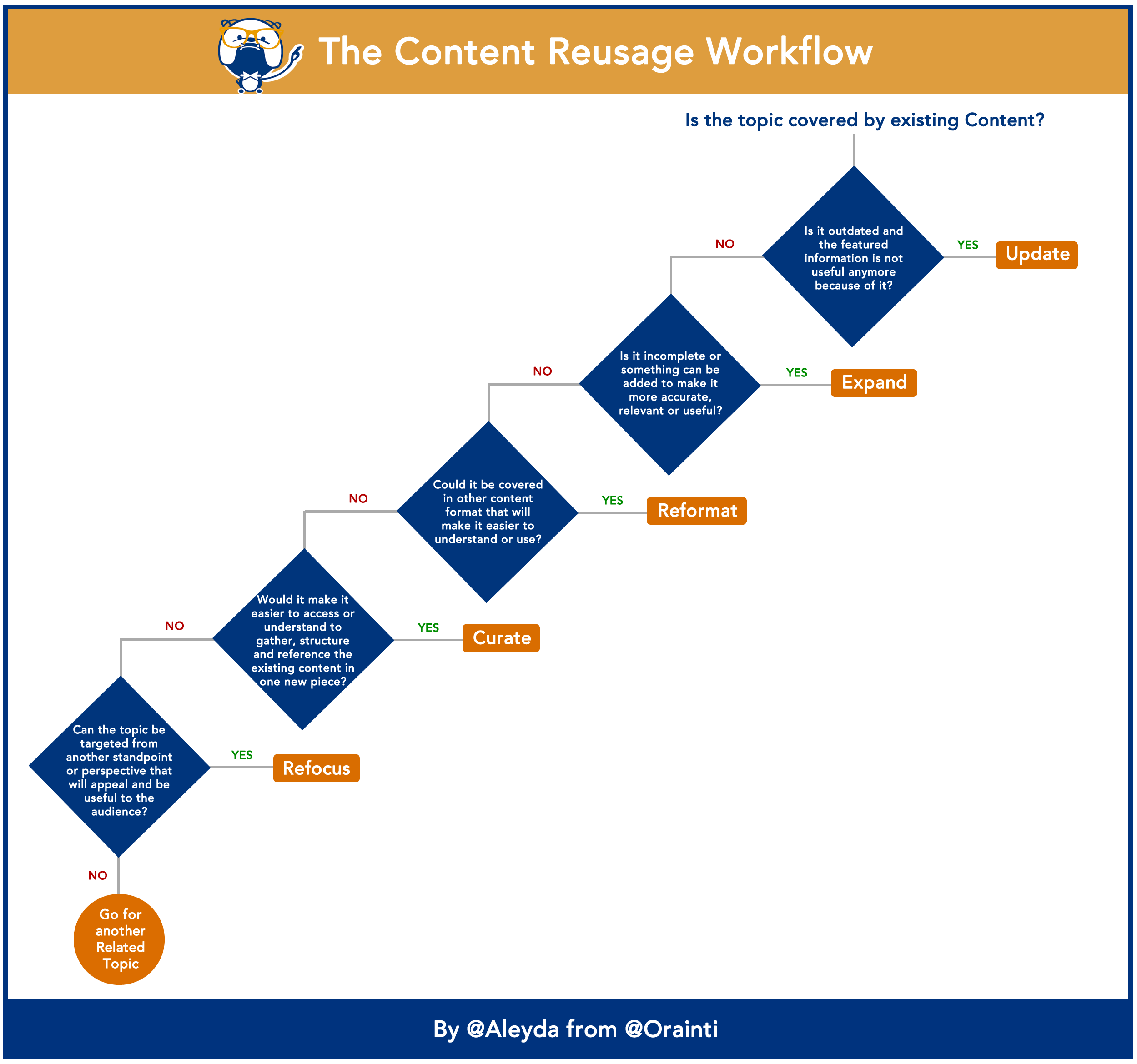
- Content Repurposing: Create foundational content (e.g., a blog post, a long-form video) and then repurpose it for different platforms. A blog post can become a series of Instagram carousels, short video clips for Reels, and a LinkedIn article. This maximizes your content investment.
- Beyond Social: Explore other digital channels like podcasts, YouTube (which has different age verification mechanisms), or even guest blogging on industry sites. These diversify your reach and build brand authority independent of mainstream social feeds.
While the intent behind a multi-platform presence is sound, the practical reality often introduces a hidden operational cost: diluted focus. Each platform demands not just content, but also specific engagement strategies, community management, and analytics interpretation. For lean teams, this can quickly stretch resources thin, leading to a ‘mile wide, inch deep’ execution. The consequence isn’t just inefficiency; it’s a subtle erosion of quality and authenticity across all channels, as the effort to tailor content becomes a rushed afterthought rather than a strategic adaptation. This can frustrate teams who see their efforts spread too thin without achieving meaningful traction anywhere.
Similarly, content repurposing, while efficient in theory, often falls into a common failure mode: lazy adaptation. The goal isn’t merely to copy-paste an excerpt from a blog post onto LinkedIn or Instagram. True repurposing requires understanding the native language and consumption patterns of each platform. Without this deliberate effort, repurposed content can feel out of place, generic, or even spammy to the audience. This oversight not only wastes the initial content investment but can actively detract from brand perception, as audiences quickly discern content that hasn’t been thoughtfully adapted for their specific feed.
Expanding beyond social feeds into channels like podcasts or guest blogging offers significant long-term value, but it comes with an often-overlooked downstream commitment. Launching a podcast is one thing; consistently producing, editing, distributing, and promoting it for months or years is another entirely. The same applies to guest blogging, which requires ongoing relationship building and pitching, not just a one-off article. Without sustained operational bandwidth and a clear promotion strategy, these valuable assets can quickly become dormant, yielding diminishing returns and creating internal pressure to either re-invest significant resources or abandon them, despite the initial strategic intent.
Adapting Content for Broader Appeal
As age limits evolve, your content strategy needs to be flexible. This isn’t about diluting your brand, but about ensuring your message resonates across a potentially wider (or more specifically defined) audience.
- Focus on Value, Not Trends: While trending audio or challenges can offer short-term boosts, evergreen, problem-solving content provides lasting value. This type of content appeals across age groups and remains relevant longer.
- Clear Messaging: Ensure your brand’s core message and value proposition are crystal clear. This helps attract the right audience, regardless of the platform’s demographic shifts.
- Educational Content: For many SMBs, educational content is a powerful tool. It positions you as an authority, builds trust, and is generally less susceptible to age-specific content restrictions or appeal limitations.
What to Deprioritize Today
For small to mid-sized teams operating with limited bandwidth, making strategic cuts is as important as identifying new opportunities. Currently, deprioritize heavy investment in hyper-niche social platforms that cater almost exclusively to very young demographics. While these platforms might offer viral potential, their inherent instability due to evolving age regulations and their often-ephemeral content models make them a high-risk, low-return proposition for sustained brand building. Instead of chasing every new app that gains traction with Gen Z, focus your limited resources on building robust, owned channels and diversifying across more established platforms with broader, more stable user bases. Over-optimizing for a single platform’s algorithm, especially one prone to rapid policy shifts, is a trap that can leave your brand vulnerable.
Building a Resilient Engagement Framework
Future-proofing your brand against social media age limits isn’t about abandoning social media. It’s about building a more robust, diversified engagement framework.
- Audit Your Current Channels: Understand where your audience truly is and which platforms offer the most stable environment for your brand.
- Strengthen Owned Properties: Double down on your website, email list, and any direct community platforms. These are your brand’s anchors.
- Strategic Social Presence: Maintain a presence on 2-3 key social platforms, tailoring content for each, but always with the goal of driving traffic back to your owned channels.
- Monitor and Adapt: Stay informed about platform policy changes and audience shifts. Be ready to pivot your content and distribution strategies as the landscape evolves. This isn’t a one-time fix, but an ongoing process. social media trend analysis for SMBs


Leave a Comment