


Relying solely on traditional social media for audience engagement is a risky strategy for small and mid-sized businesses today. Algorithms shift, ad costs climb, and the sheer volume of content makes it harder than ever to cut through the noise. This article will equip you with practical, actionable strategies to connect with your audience in less crowded, more impactful ways, helping you build deeper relationships and drive sustainable growth.
You’ll learn how to prioritize channels that offer greater control and better return on investment, understand where to find your audience beyond the mainstream feeds, and make smart trade-offs given your team’s limited budget and headcount. The goal isn’t to abandon social media entirely, but to diversify your approach and build a more resilient marketing foundation.
Why “Unplugged” Engagement Matters More Than Ever
The term “unplugged” isn’t about shunning technology; it’s about recognizing that not all valuable engagement happens on the dominant social platforms. For many small businesses, the diminishing returns from platforms like Instagram or Facebook are a real concern. Organic reach continues to decline, and paid advertising becomes increasingly competitive, often pricing out smaller players. Your audience is also experiencing social media fatigue, leading them to seek out more authentic, less overwhelming interactions.
This shift means that channels offering direct access, deeper engagement, and less algorithmic interference are becoming invaluable. Think about where your audience goes for specific information, community, or solutions when they’re not passively scrolling. These are the spaces where you can build genuine connections and foster loyalty.
Prioritizing Owned Channels: The Foundation of Control
For small and mid-sized businesses, the greatest leverage comes from channels you own and control. These are your long-term assets, less susceptible to external platform changes.
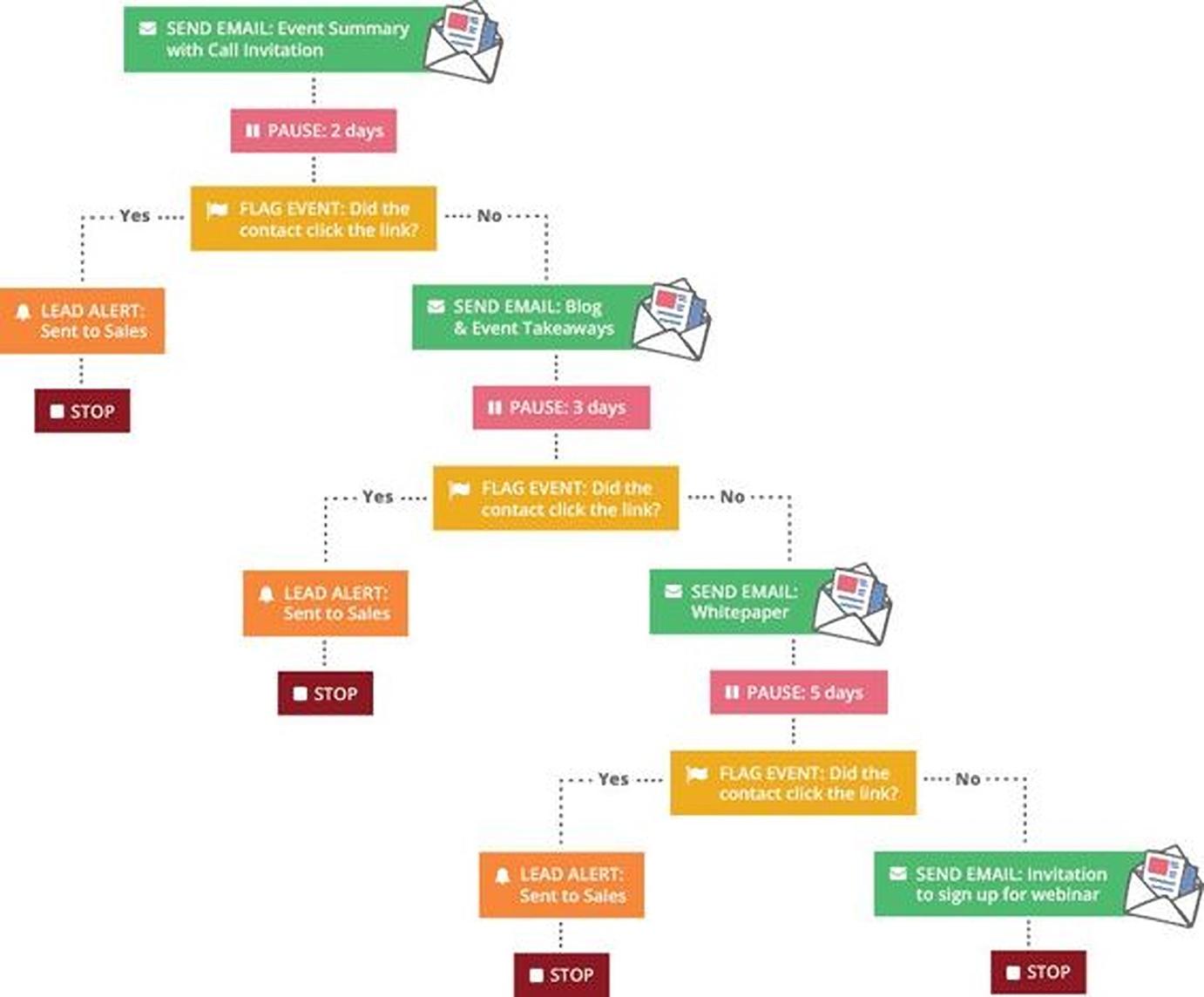
Email Marketing: Your Direct Line. Despite its age, email remains one of the most effective and measurable marketing channels. It’s a direct line to your audience, free from algorithms. Focus on building a segmented list and delivering consistent value – not just sales pitches. Think newsletters with practical tips, exclusive content, or early access to offers. This builds trust and keeps your brand top-of-mind.

Email marketing workflow Your Website & Blog: The Content Hub. Your website is your primary digital storefront and content hub. Investing in valuable, SEO-optimized blog content attracts organic traffic from search engines, bringing in users actively looking for solutions you provide. This content serves as an evergreen asset, continually working for your business. Focus on answering common customer questions and solving their problems. how search works
First-Party Data Collection: Know Your Audience. Beyond basic contact info, actively collect data directly from your customers through surveys, preference centers, and purchase history. This first-party data is gold, allowing you to personalize communications and offers far more effectively than relying on third-party insights.
What to Deprioritize Today: Resist the urge to chase every new social media platform or feature that emerges. While it’s tempting to jump on the latest trend, for businesses with limited resources, this often leads to diluted effort and minimal impact. Instead of spreading yourself thin across five platforms, master one or two owned channels first. Focus on building a robust email list and a content-rich website before diverting significant resources to unproven or highly competitive social spaces where your organic reach is already constrained.
However, the promise of “owned” channels doesn’t mean “maintenance-free.” What’s often overlooked in the initial enthusiasm is the ongoing operational burden. Email lists naturally decay over time, requiring consistent effort in re-engagement, segmentation refinement, and periodic cleaning to maintain deliverability and value. Similarly, website content isn’t truly evergreen if it’s left to rot; outdated information or unoptimized pages accumulate “content debt,” which eventually demands significant time and resources to update or prune. Neglecting this ongoing upkeep can silently erode the very long-term value these assets are supposed to provide.
The practical reality for many small teams is that the discipline required for consistent execution on owned channels is immense. It’s easy to commit to “regular newsletters” or “weekly blog posts” in theory, but sustaining that output with quality and relevance, week after week, month after month, often clashes with the daily pressures of running a business. This constant demand for fresh, valuable content and engagement can lead to creative burnout or inconsistent effort, which ultimately undermines the trust and authority these channels are built upon. The slower, compounding returns of owned channels, while powerful, can also be frustrating for teams under pressure to demonstrate immediate impact, making it tempting to divert focus prematurely.
Niche Communities & Offline Engagement
Beyond your owned channels, look for existing communities where your target audience congregates. These are often high-intent environments.
Online Forums & Groups: Be a Contributor, Not Just a Marketer. Identify industry-specific forums, Reddit subreddits, or LinkedIn groups where your audience discusses relevant topics. Participate genuinely, offer value, and answer questions. Avoid overt self-promotion; instead, establish yourself as a helpful expert. This builds credibility and can drive traffic back to your owned channels naturally.

Niche community engagement strategy Local Events & Workshops: Real-World Connections. For many small businesses, especially those with a local focus, offline engagement is incredibly powerful. Host workshops, sponsor local events, or participate in trade shows. These interactions build trust, allow for direct feedback, and create memorable experiences that digital channels often can’t replicate.
Strategic Partnerships: Leverage Other Audiences. Collaborate with complementary businesses or influencers who share your target audience but aren’t direct competitors. This could involve co-hosting a webinar, cross-promoting content, or offering joint bundles. It’s an efficient way to tap into established, engaged audiences.
Selective Direct Mail: Cutting Through the Digital Clutter. For high-value segments or local outreach, a well-designed piece of direct mail can stand out dramatically in a digitally saturated world. It’s not for everyone, but for specific campaigns, it can offer a surprisingly high response rate due to its novelty and tangibility.
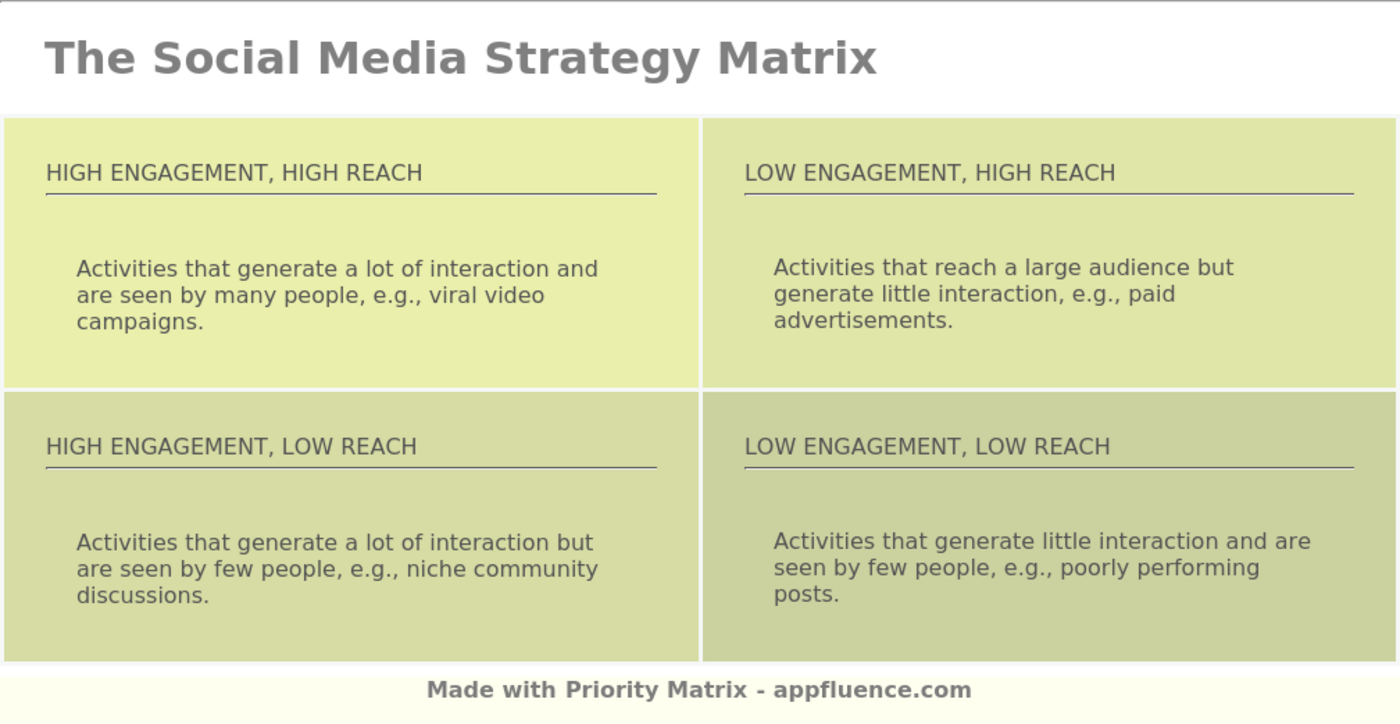
What often gets overlooked in the pursuit of these high-intent environments is the sustained, non-glamorous effort required. For online communities, the commitment to genuine contribution is substantial. It’s not just about dropping in occasionally; it demands consistent, thoughtful engagement to build true credibility. Teams with limited bandwidth often find this hard to maintain, leading to either a premature abandonment of the channel or, worse, a shift towards thinly veiled self-promotion that quickly erodes trust and negates any initial goodwill.
Similarly, the true value of local events and workshops isn’t just in the initial interaction, but in the often-neglected post-event follow-up. Many businesses invest significant resources into creating a memorable experience, only to falter when it comes to nurturing the connections made. This creates a significant delayed consequence: the initial buzz fades, and the investment becomes a one-off expense rather than a foundation for ongoing relationships. The operational reality is that follow-up requires dedicated time and a structured process, which can feel like an extra burden on already stretched teams.
Strategic partnerships, while promising efficient audience leverage, frequently stumble on the practicalities of ongoing management. It’s easy to focus on the initial agreement and overlook the continuous effort needed to align expectations, ensure mutual benefit, and maintain consistent communication. Without clear ownership and shared accountability, partnerships can quickly become one-sided, draining resources from the more active party and leading to frustration and an early dissolution. The theoretical efficiency can quickly turn into a significant time sink if the partnership isn’t actively nurtured.
Content Distribution Beyond the Feed
Your valuable content shouldn’t live solely on your blog or social feeds. Actively distribute it where your audience consumes information.
Podcasts: Deep Dive Engagement. If your audience listens to podcasts, consider starting one or being a guest on relevant shows. Podcasts foster deep, long-form engagement and allow you to build a strong connection with listeners over time. It’s a channel for thought leadership and detailed problem-solving.
Webinars & Online Courses: Value-Driven Lead Generation. Offer free webinars or mini-courses that address a specific pain point for your audience. These are excellent for lead generation, demonstrating expertise, and providing immediate value. They also allow for live interaction and Q&A, building community.
Guest Blogging & Media Outreach: Borrowed Authority. Write guest posts for reputable industry blogs or publications. This exposes your brand to a new, relevant audience and builds valuable backlinks for SEO. Similarly, actively pitch your expertise to local or industry media outlets for interviews or features.
Making Smart Trade-offs for Your Business
The key to success with “unplugged” strategies is not to do everything, but to do a few things exceptionally well. Start by identifying where your ideal customers genuinely spend their time when they’re not on traditional social media. Is it industry forums? Local events? Specific newsletters? Prioritize those channels first.
Measure the impact of your efforts beyond vanity metrics. Focus on lead generation, direct sales, email list growth, and genuine engagement. Be prepared to test, learn, and iterate. For small teams, consistency and quality on a few chosen channels will always outperform sporadic, diluted efforts across many. Your goal is to build a resilient marketing ecosystem that isn’t entirely dependent on the whims of external platforms, giving your business more control over its growth trajectory.


Leave a Comment