


Navigating Social Media’s Constant Evolution
Staying effective on social media feels like a constant battle against change. New platforms emerge, algorithms shift, and audience behaviors evolve, often leaving small and mid-sized teams feeling overwhelmed. This article cuts through the noise to offer a pragmatic approach. You’ll learn how to prioritize your social media efforts, make smart trade-offs with limited resources, and build a flexible playbook that delivers real business value, not just engagement metrics.
The Reality of Platform Evolution: Not Every Trend is Your Trend
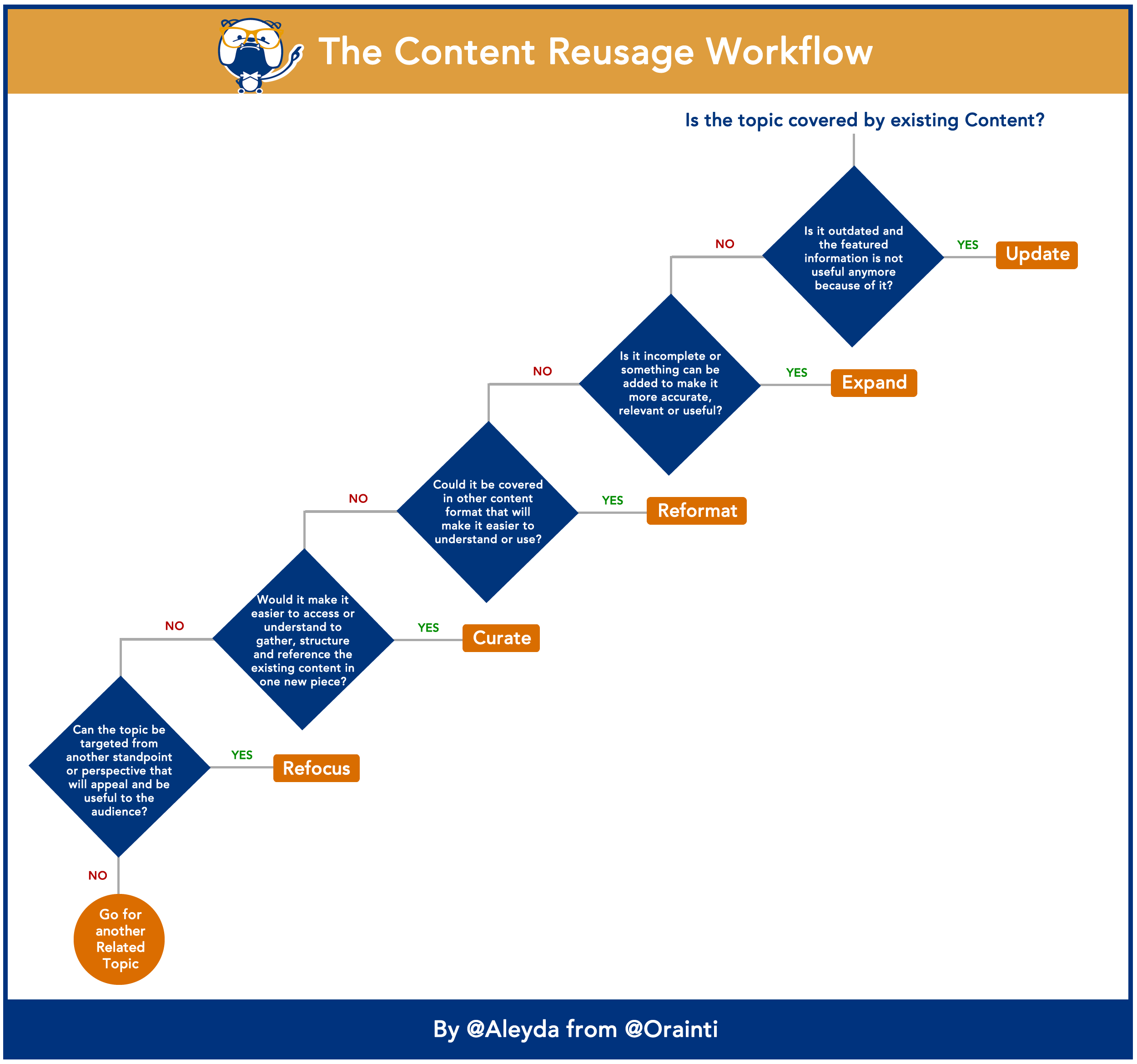
Platforms like TikTok, Instagram, and even LinkedIn are constantly rolling out new features – short-form video, live shopping, AI-driven content suggestions. The temptation is to jump on every single one. For small to mid-sized businesses, this is a trap. Each new feature or platform demands time, resources, and a learning curve. Your primary goal isn’t to be everywhere; it’s to be effective where your audience resides and where you can achieve your business objectives.
Judgment Call: Before adopting any new feature or platform, ask: “Does this directly serve our target audience and align with our current marketing goals (e.g., lead generation, brand awareness, customer support)? Can we execute this consistently with our existing team and budget?” If the answer isn’t a clear “yes,” hold off. Your resources are too precious to waste on unproven experiments.
What often gets overlooked is the hidden cost of maintaining these new initiatives. An initial “experiment” with a new feature might seem low-risk, but the real drain comes from the ongoing commitment required for consistent, quality execution. This isn’t just about the direct time spent; it’s the opportunity cost of diverting focus from optimizing what already works. Every hour spent learning a new video format or adapting to a new algorithm is an hour not spent refining your core messaging on LinkedIn, improving your email sequences, or deepening engagement with your existing community. Over time, this dilution of effort prevents your team from achieving mastery in any single area, ultimately hindering the compounding returns that come from consistent, focused work.
Furthermore, the pressure to adopt new features often stems from a fear of missing out (FOMO) or internal “shiny object syndrome,” fueled by what competitors or larger brands are doing. For a small team, this creates significant decision pressure and can lead to rushed, half-hearted implementations. A poorly executed live stream or an inconsistent short-form video series can do more harm than good, signaling a lack of focus or professionalism to your audience. This isn’t just a waste of resources; it erodes trust and confuses your audience about where to find your most valuable content, leading to disengagement rather than growth. Prioritizing depth and consistency on proven channels, even if they feel less “trendy,” is almost always the more pragmatic and effective path for businesses operating with real-world constraints.
Prioritizing Your Digital Real Estate
With limited bandwidth, you cannot afford to spread yourself thin across every social channel.
- What to do first: Identify your core platforms. These are the channels where your ideal customers are most active and where you’ve historically seen the best engagement and conversion rates. For many B2B businesses, LinkedIn and potentially X (formerly Twitter) remain critical. For B2C, Instagram, Facebook, and increasingly TikTok or YouTube Shorts might be dominant.
- Actionable Step: Conduct a quick audit. Look at your existing analytics. Where are your followers most engaged? Where do you get the most traffic back to your site? Where do you see actual leads or sales originating? This data, however imperfect, should guide your focus.
- What to delay: Experimenting with nascent platforms or features that don’t have a clear, proven return on investment for your specific business model. For example, if your audience isn’t primarily Gen Z, investing heavily in the latest ephemeral content app might be a low-priority distraction.
What often gets overlooked is the downstream cost of failing to consolidate. Spreading your team’s limited bandwidth across too many channels doesn’t just dilute effort; it fragments your brand’s voice and message. Customers encounter an inconsistent experience, and your ability to build a cohesive community or truly understand engagement patterns becomes significantly harder. This isn’t just about inefficiency; it’s about actively undermining the consistency and depth required to build meaningful connections.
Another common pitfall, even after identifying core platforms, is the “presence without purpose” trap. It’s easy to fall into the habit of simply repurposing content across all chosen channels without adapting it to the unique nuances and audience expectations of each platform. This leads to low engagement, a perception that the platform isn’t working, and ultimately, wasted effort. Success isn’t just about being present; it’s about engaging effectively within the specific context of that digital space.
Finally, the pressure to be “everywhere” is a real human-level frustration in many teams. Despite clear data pointing to focused prioritization, internal stakeholders or external noise can create a strong pull to maintain a token presence on every platform, or to chase the latest trend. This reactive approach drains resources, creates decision fatigue, and prevents the deep, sustained effort needed to truly excel on the platforms that matter most. It’s a classic example of how the ideal of strategic focus often collides with the practical realities of organizational dynamics and perceived expectations.
Building an Agile Content Strategy
The key to adapting is not having a rigid content calendar, but a flexible framework.
- Core Content Pillars: Establish three to five evergreen content pillars that resonate with your audience and support your business goals. These could be educational tips, behind-the-scenes insights, customer success stories, or industry news.
- Repurposing is King: Create foundational long-form content (e.g., a blog post, a short video tutorial) and then slice it into multiple social media assets. A single blog post can become:
- Several LinkedIn text posts with key takeaways.
- An Instagram carousel of tips.
- A short video script for TikTok/Reels.
- A question for a Facebook Group discussion.
- AI for Efficiency, Not Replacement: Use AI tools for brainstorming content ideas, drafting initial copy, or generating image concepts. This speeds up the process, but always apply your practitioner judgment for tone, accuracy, and brand voice. Don’t let AI dictate your strategy.
Deprioritizing the Distractions
What to skip today: Avoid chasing every new algorithm update with drastic content shifts. While understanding algorithm basics is crucial, constantly overhauling your strategy based on minor tweaks is inefficient. Focus on consistently delivering high-quality, audience-centric content.
Why: Algorithms are designed to promote engaging content. If your content is genuinely valuable to your audience, it will perform well regardless of minor algorithm shifts. Overreacting often leads to inconsistent messaging and wasted effort. Also deprioritize overly complex social media listening tools or advanced analytics dashboards if your team is small. Start with the native analytics provided by each platform and Google Analytics. Only invest in more sophisticated tools when your needs clearly outgrow these basics and you have the headcount to act on the deeper insights. social media analytics for small business
Measuring Impact, Not Just Activity
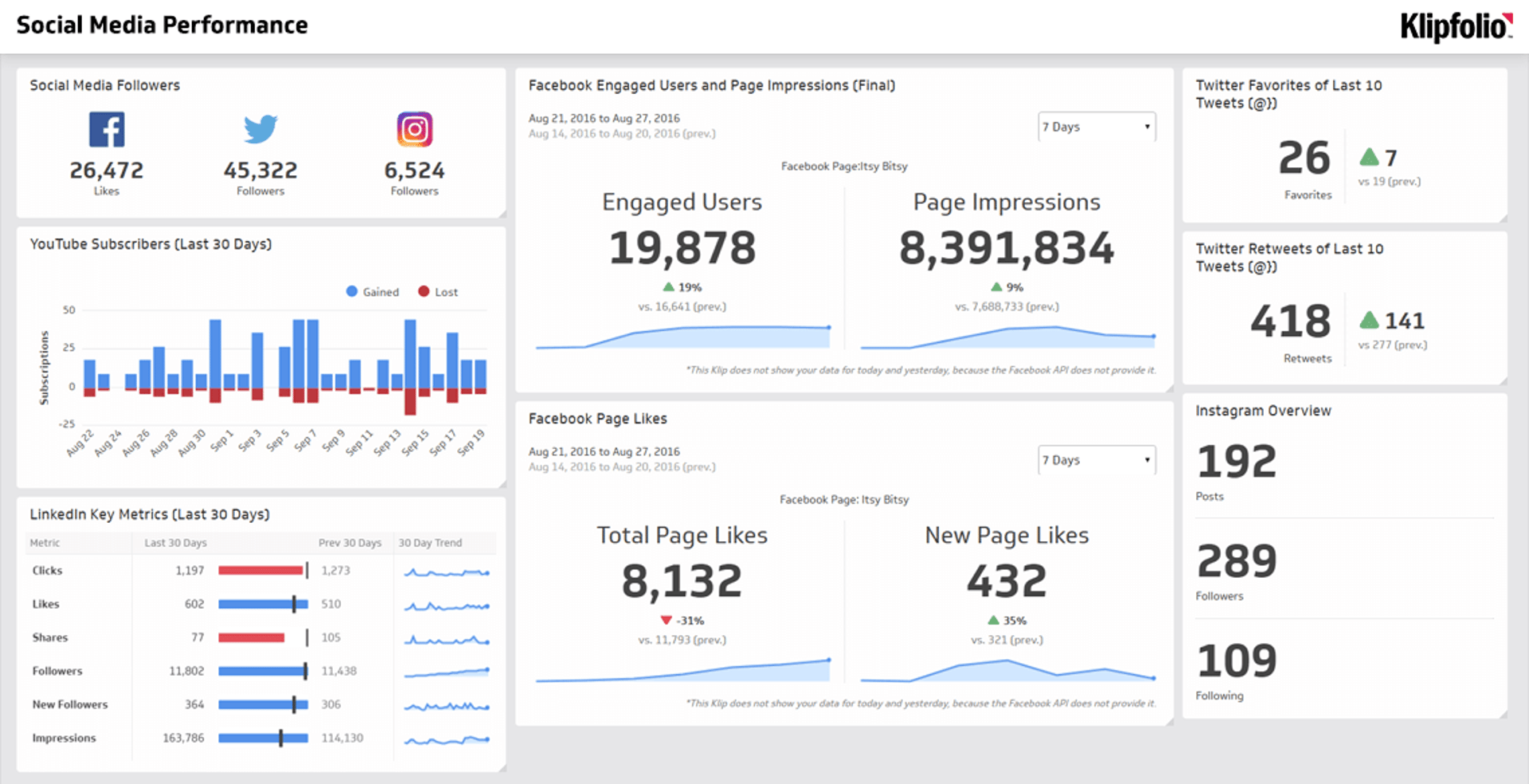
Vanity metrics (likes, follower count) are easy to track but rarely translate directly to business growth.
Focus on:
- Referral Traffic: How much traffic are your social channels sending to your website?
- Lead Generation: Are you capturing emails or direct inquiries from social?
- Conversions: Are social media users completing desired actions (purchases, demo requests, downloads)?
- Customer Service Load: Is social media effectively reducing inbound customer service calls by providing answers or support?
Tooling: Use UTM parameters consistently to track social media performance in Google Analytics. This is a non-negotiable for understanding what’s truly working.
Building a Resilient Social Media Framework
Instead of a rigid “playbook” that needs constant rewriting, aim for a flexible framework.
- Regular Review Cycles: Schedule quarterly reviews of your social media performance. What’s working? What isn’t? Are there new platforms or features that genuinely align with your goals and audience, and are worth a small, controlled experiment?
- Test and Learn: Allocate a small portion of your content budget and time for experimentation. This could be trying a new content format on an existing platform or a limited test on a new platform. The key is “limited” – define success metrics upfront and have a clear exit strategy if it doesn’t perform.
- Stay Informed, Don’t Obsess: Follow industry news and platform updates, but filter them through your business lens. Not every announcement requires immediate action. Your time is better spent optimizing what you know works.


Leave a Comment