

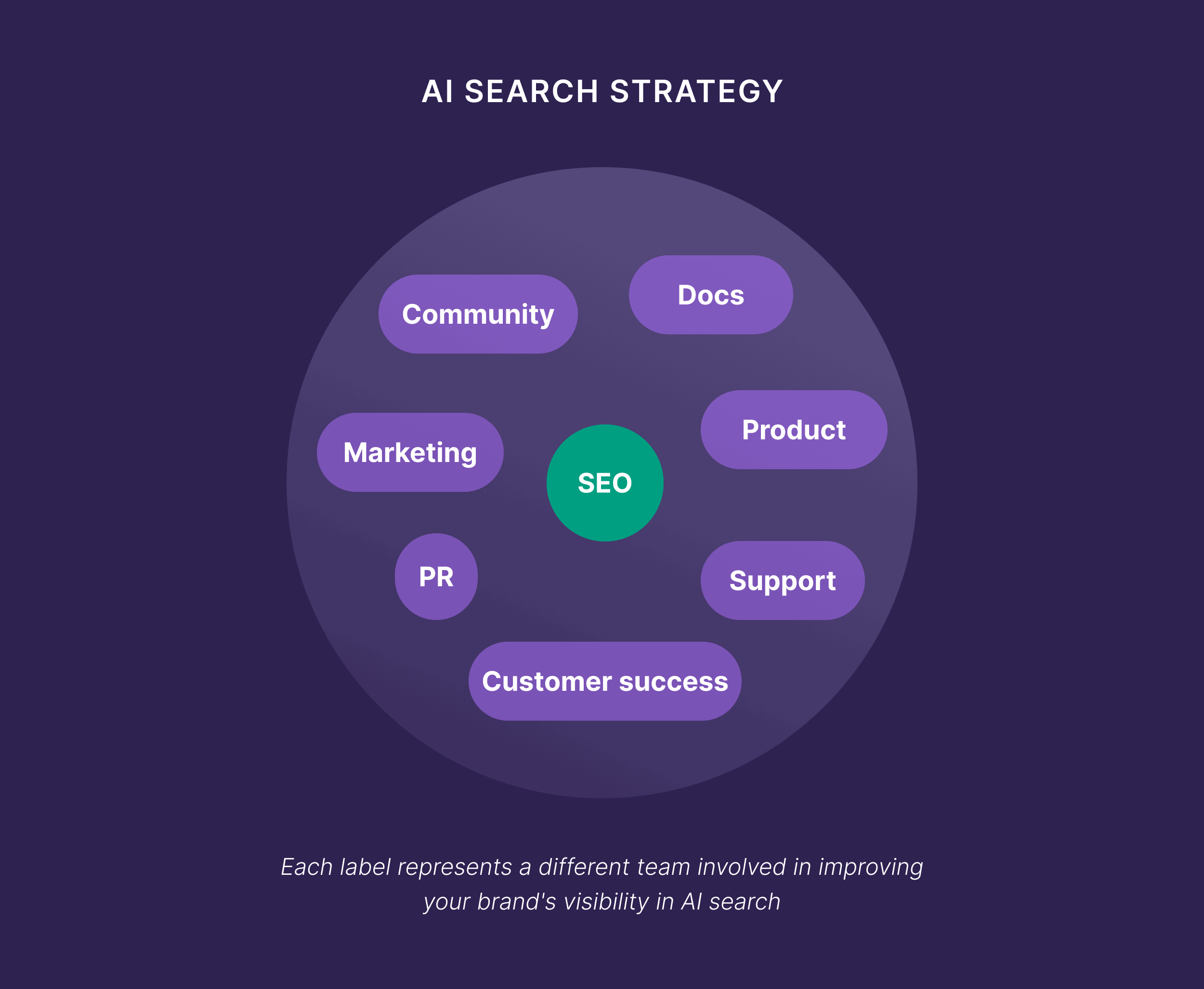
Navigating the AI-First Search Landscape
The shift to AI-driven search isn’t a distant future; it’s the reality today. For small to mid-sized businesses, this means traditional SEO tactics need a pragmatic re-evaluation. This article cuts through the noise, offering clear, actionable strategies to help your team maintain and grow organic visibility, even with limited resources and operational constraints.
You’ll learn what truly matters in this evolving landscape, where to focus your efforts for maximum impact, and crucially, what to deprioritize to avoid wasting time and budget on approaches that no longer yield results.
Understanding the AI Shift and Its Impact on SMBs
Search engines are increasingly powered by sophisticated AI models, moving beyond simple keyword matching to understanding intent, context, and generating direct answers. This means users are often getting information without ever clicking through to a website. For SMBs, this isn’t a death knell for organic traffic, but a call to adapt. Your content must be exceptionally valuable, trustworthy, and comprehensive to be surfaced by these intelligent systems.
The core challenge for small teams is making strategic choices. You can’t chase every new feature or algorithm tweak. Instead, focus on fundamental strengths that AI rewards: genuine expertise, clear communication, and a user-first approach.
Search engines are increasingly powered by sophisticated AI models, moving beyond simple keyword matching to understanding intent, context, and generating direct answers. This means users are often getting information without ever clicking through to a website. For SMBs, this isn’t a death knell for organic traffic, but a call to adapt. Your content must be exceptionally valuable, trustworthy, and comprehensive to be surfaced by these intelligent systems.
The core challenge for small teams is making strategic choices. You can’t chase every new feature or algorithm tweak. Instead, focus on fundamental strengths that AI rewards: genuine expertise, clear communication, and a user-first approach.
The directive to create “comprehensive” content, while accurate in theory, often presents a hidden operational cost for lean teams. The pressure to cover every angle can inadvertently lead to content bloat, where breadth is prioritized over true depth. This results in pieces that are broad but lack the distinct, authoritative voice AI systems are increasingly designed to identify, ultimately diluting the perceived expertise and leading to diminishing returns on effort.
A common misstep is to approach AI-powered search as a new set of technical hacks. Teams might instinctively try to “optimize” for AI by over-indexing on related keywords or generating generic summaries, mistaking volume for value. This overlooks the fundamental shift: AI rewards genuine, human-level insight and unique perspectives that solve real user problems, not just data aggregation or superficial coverage. This tactical misdirection can consume valuable resources without yielding meaningful results.
Given these practical constraints, it’s critical to deprioritize chasing every new “AI content tool” or “prompt engineering” trend. Many of these promise efficiency but often produce generic, indistinguishable content that fails to convey the unique voice or deep understanding of an SMB. Instead, double down on the human element: invest in subject matter experts, refine your unique perspective, and focus on solving specific customer problems with authentic, well-researched answers. This foundational work, while slower, builds lasting trust and authority that AI systems are designed to surface.
Prioritizing Content for AI-Driven Search
In an AI-first world, content quality and authority are paramount. AI models are trained on vast datasets and are becoming adept at discerning genuine expertise from superficial information. Your strategy must reflect this.
- Focus on E-E-A-T (Experience, Expertise, Authoritativeness, Trustworthiness): This isn’t just a buzzword; it’s the bedrock. Demonstrate real-world experience and deep knowledge in your niche. Ensure your content is factually accurate, well-researched, and backed by credible sources. Clearly attribute authors and their credentials. This builds the trust that AI systems value.
- Answer Complex Queries Comprehensively: AI excels at synthesizing information. Create content that thoroughly addresses multi-faceted questions, providing complete answers that anticipate follow-up queries. Think of your content as a definitive resource, not just a keyword-stuffed page.
- Structure for Clarity and Scannability: Even if AI processes your content, humans still read it. Use clear headings, bullet points, and short paragraphs. Implement structured data (Schema markup) where appropriate to help search engines understand the context and purpose of your content. This is crucial for AI to accurately extract and present your information.

Content structure and Schema markup workflow - Originality and Unique Perspectives: Generic, rehashed content will struggle. Offer unique insights, case studies (even small ones), or perspectives that only your business can provide. This differentiates you from the sea of AI-generated content.

What to deprioritize today: Avoid mass-producing low-quality, AI-generated content without significant human oversight and value addition. While AI tools can assist in drafting, relying solely on them for content creation often results in generic, unauthoritative text that AI-powered search is increasingly designed to filter out. Your limited resources are better spent on fewer, higher-quality pieces.
The push for speed with AI-assisted content can also mask a significant hidden cost: content debt. While it might seem efficient to produce more articles faster, generic or thinly-researched pieces don’t build genuine authority. Instead, they create a backlog of content that will eventually need significant human intervention to update, refine, or even rewrite to meet evolving quality standards. This isn’t just a future problem; it’s a drain on current resources that could be better allocated to fewer, truly impactful pieces. The initial “win” of quantity often leads to a long-term struggle for relevance and trust, making it harder for your brand to stand out when AI models increasingly prioritize depth and unique insight.
Another common pitfall is misinterpreting “comprehensive” as “exhaustive.” The goal isn’t to create the longest article on a topic, but the most useful and complete answer to a specific query. Teams often feel pressure to include every tangential detail or keyword variation, which can dilute the core message and make the content less effective for both human readers and AI systems trying to extract key information. This over-optimization can lead to content bloat, where the signal-to-noise ratio suffers, frustrating users and making it harder for AI to identify the true value. The real challenge is knowing what to exclude to maintain focus and clarity, a judgment call that AI tools alone cannot make.
Finally, while E-E-A-T emphasizes credentials, the practical challenge lies in consistently embedding genuine experience into every piece. It’s easy to list an author’s title, but far harder to ensure that their unique insights and practical wisdom are woven throughout the narrative. This often requires direct, time-consuming input from busy subject matter experts, which can become a significant bottleneck. Without this authentic contribution, content risks feeling sterile or theoretical, even if technically accurate. The gap between having an expert on staff and effectively leveraging their expertise in content creation is a frequent source of internal friction and a major differentiator between merely good and truly authoritative content.
Adapting Technical SEO Fundamentals
While content quality takes center stage, robust technical SEO remains the foundation. AI-powered search still needs to find, crawl, and understand your website efficiently.
- Core Web Vitals and Page Experience: These remain critical. A fast, stable, and mobile-friendly website is essential for user experience and, by extension, for search engine ranking. Prioritize optimizing load times, interactivity, and visual stability.
- Mobile-First Indexing: Ensure your mobile site offers a complete and excellent user experience. Most indexing is done based on your mobile version, and AI systems will evaluate this experience.
- Clear Site Architecture and Internal Linking: A logical site structure helps both users and AI understand the hierarchy and relationships between your content. Strong internal linking distributes authority and guides AI to your most important pages.

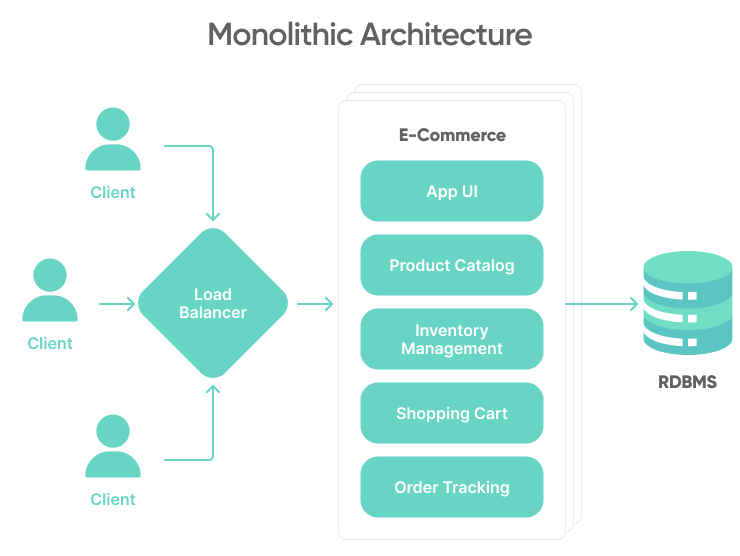
Website architecture diagram - Crawlability and Indexability: Regularly check your site for crawl errors, broken links, and issues that prevent search engines from accessing and indexing your content. Use tools like Google Search Console for this. Google Search Console help
Leveraging AI Tools Responsibly
AI isn’t just changing search; it’s also providing powerful tools for marketers. For SMBs, the key is to use these tools strategically, not as a replacement for human judgment.
- Content Ideation and Outline Generation: Use AI to brainstorm topics, generate content outlines, and identify related questions users ask. This can significantly speed up the initial research phase.
- Competitive Analysis: AI tools can help analyze competitor content, identify gaps in your own strategy, and suggest keywords or topics where you can gain an edge. AI-powered competitive analysis
- Drafting and Summarization: AI can assist in drafting initial content sections or summarizing long articles. However, always review, edit, and infuse your unique voice and expertise.
- Personalization Insights: Some AI tools can help analyze user behavior to inform more personalized content and marketing efforts, though this often requires more advanced data integration.
Building Brand and Trust in the AI Era
As AI becomes more sophisticated, the human elements of brand and trust become even more valuable. AI models are increasingly incorporating signals of brand reputation and user sentiment.
- Cultivate Online Reviews and Testimonials: Positive reviews on Google Business Profile, industry-specific platforms, and social media build trust with both human users and AI systems. Encourage satisfied customers to share their experiences.
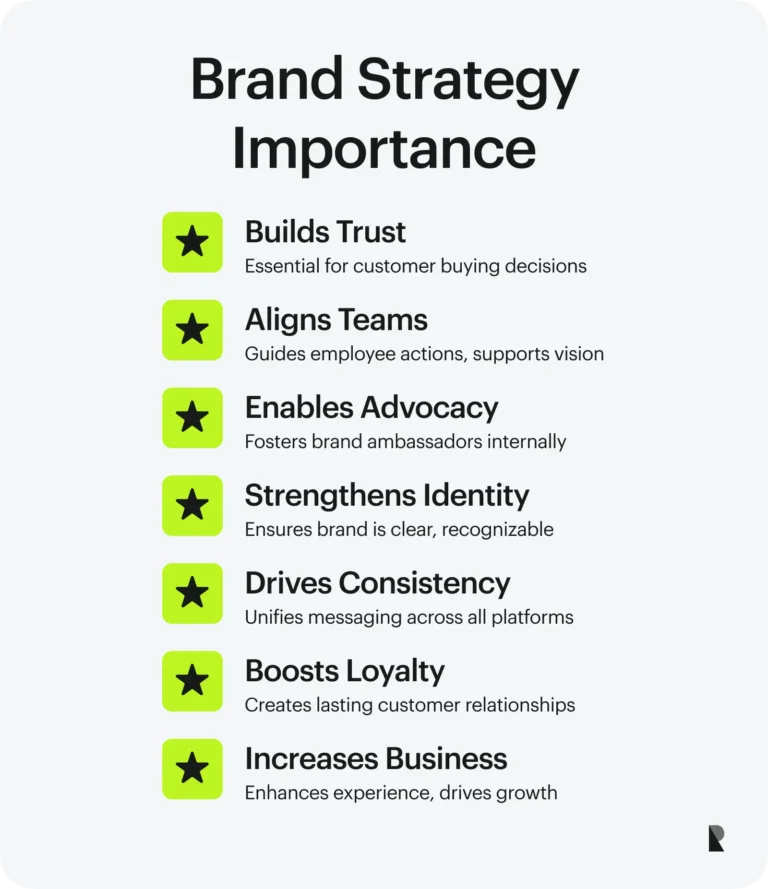
- Consistent Brand Messaging: Ensure your brand voice, values, and messaging are consistent across all your online properties. This reinforces your identity and helps AI systems understand who you are and what you stand for.
- Community Engagement: Actively engage with your audience on social media, forums, and in your blog comments. This demonstrates responsiveness and builds a loyal community, which can indirectly signal authority and trust to AI.
Sustaining Organic Growth Through Adaptability
The AI-first search landscape demands adaptability, but not panic. For small to mid-sized businesses, the path to sustained organic visibility lies in doubling down on what has always worked: creating genuinely valuable, authoritative content, ensuring a technically sound website, and building a trusted brand. By prioritizing these core areas and using AI tools intelligently, your business can not only survive but thrive in this new era of search.


Leave a Comment