


Leveraging AI effectively is no longer optional for digital businesses, but doing so responsibly is paramount. This article cuts through the noise, offering a pragmatic guide for small to mid-sized teams on implementing AI governance. You’ll learn how to identify and manage the real risks of AI tools, prioritize actionable steps for ethical use, and build customer trust, all while driving sustainable growth and profitability within your operational constraints.
We’ll focus on what truly matters for your business today, helping you make informed decisions about where to invest your limited time and resources to ensure your AI adoption is both smart and secure.
Why AI Governance Isn’t Just for Enterprises
Many small and mid-sized businesses (SMBs) assume AI governance is a concern only for large corporations with dedicated legal and compliance departments. This is a dangerous misconception. If your team uses AI-powered marketing tools, customer service chatbots, content generation platforms, or even advanced analytics, you’re already engaging with AI. The risks – data privacy breaches, biased outputs, reputational damage, and regulatory non-compliance – apply equally, regardless of your company size.
Ignoring these risks isn’t just about avoiding fines; it’s about protecting your brand, maintaining customer trust, and ensuring the long-term viability of your digital operations. For SMBs, a single misstep can have a disproportionately large impact on your bottom line and market perception.
Prioritizing Your AI Governance Framework
Building an AI governance framework for an SMB isn’t about adopting complex, enterprise-grade policies. It’s about embedding practical, common-sense checks into your existing workflows. Here’s how to prioritize:
- Inventory Your AI Touchpoints: Start by listing every AI tool or feature your team currently uses. This includes everything from your email marketing platform’s AI subject line generator to your website’s AI-powered chatbot or your social media scheduling tool’s content suggestions. Understand what data goes into these tools and what outputs they generate.
- Focus on Data Privacy and Security: This is your immediate priority. For each identified AI tool, ask: What customer data is being fed into it? Is it anonymized? Is it secure? Does the tool’s vendor comply with relevant data protection regulations (e.g., GDPR, CCPA)? Ensure you have clear data processing agreements with third-party AI providers.
- Transparency and Disclosure: When customers interact with an AI (like a chatbot), are they aware they’re not speaking to a human? Simple disclosures build trust. For AI-generated content, consider internal guidelines on when and how to disclose its origin, especially if it impacts critical information or advice.
- Basic Bias Detection: While advanced bias audits are complex, your team can perform simple checks. For AI-generated marketing copy or ad targeting, review outputs for unintended stereotypes, exclusionary language, or unfair targeting. If an AI tool is making recommendations, ensure the underlying data isn’t inherently skewed.
Your first step should always be a thorough inventory of AI use, followed immediately by a review of data privacy implications for each tool. This provides the foundational understanding needed for subsequent steps.
What often gets overlooked is the ongoing maintenance burden. AI tools aren’t static; their underlying models, data sources, and even their vendors’ policies can evolve. What was deemed compliant or unbiased during your initial inventory might subtly drift over time. This “AI drift” means your governance isn’t a one-time setup but an ongoing process requiring periodic re-evaluation. Neglecting this can lead to slow, unnoticed erosion of compliance, brand trust, or even marketing effectiveness, creating delayed consequences that are harder to trace back to their source.
Another common pitfall is over-reliance on the “human-in-the-loop” as a universal safeguard. While human oversight is critical, small teams with limited bandwidth can easily become overwhelmed by the volume of AI-generated content or suggestions. The pressure to maintain productivity and meet deadlines can lead to perfunctory reviews, where errors, biases, or privacy issues are missed not due to lack of intent, but due to human fatigue and the sheer scale of the task. This creates a hidden failure mode where the intended safety net becomes porous under real-world operational constraints.
Given these realities, it’s crucial to prioritize. For now, deprioritize attempts to build an exhaustive, enterprise-level framework that tries to anticipate every hypothetical AI ethics dilemma or future regulatory nuance. Small teams often get bogged down trying to perfect a framework for scenarios that are low probability or far in the future. Instead, focus your limited resources on solidifying the immediate, high-impact risks: robust data privacy, clear transparency, and basic bias checks for your most critical customer-facing AI applications. A practical, implemented framework that addresses current, tangible risks is far more valuable than a theoretically perfect one that never gets off the ground due to over-engineering.
Practical Steps for Ethical AI Implementation
Integrating ethical considerations into your daily operations doesn’t require a new department. It requires thoughtful process adjustments.
- Define Clear Use Cases: Before adopting any new AI tool, clearly define the problem it solves and its intended purpose. Avoid using AI just for the sake of it. A clear use case helps you identify potential ethical pitfalls upfront.
- Human Oversight is Non-Negotiable: For any critical decision or customer interaction, ensure there’s a human in the loop. AI should augment human capabilities, not replace human judgment entirely, especially in areas like customer support, content approval, or strategic planning.
- Simple, Regular Audits: Periodically review AI outputs. If your AI generates blog posts, have a human editor check for accuracy, tone, and factual errors. If it suggests ad creatives, review them for brand alignment and potential bias. This isn’t about complex technical audits, but about common-sense quality control.
- Team Training and Awareness: Educate your team on the responsible use of AI tools. Provide guidelines on data input, output review, and when to escalate concerns. A well-informed team is your best defense against AI misuse.
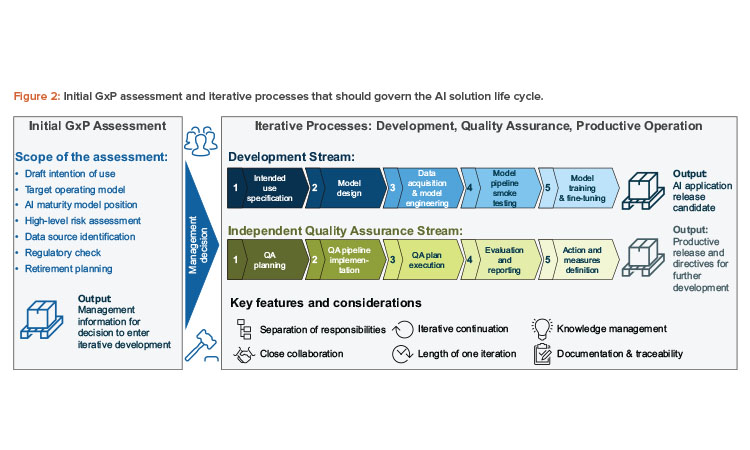
What often gets overlooked is the subtle erosion of human judgment and specialized skills when AI becomes the default. While AI can accelerate tasks, over-reliance can lead to a team that becomes less adept at critical thinking, nuance, or even basic task execution without the AI crutch. This isn’t just about efficiency; it’s a long-term risk to your team’s core capabilities and ability to spot AI’s inevitable mistakes.
Furthermore, the “simple, regular audits” we advocate are anything but trivial in practice. The sheer volume of AI-generated content or decisions can quickly overwhelm a lean team. The pressure to process output quickly often means reviews become superficial, allowing subtle biases, factual inaccuracies, or off-brand messaging to slip through. This creates a downstream cost: fixing errors after they’ve gone live, which is far more expensive and damaging than preventing them upfront.
Finally, the concept of “ethical AI” can feel abstract. For a small business, it’s less about philosophical debates and more about practical implications. It means asking: Does this AI output align with our brand values? Does it maintain customer trust? Does it create a positive or negative perception? Prioritizing these human-centric outcomes over purely technical definitions of “fairness” is often the most effective path, even if it means slowing down adoption.
What to Deprioritize and Why
For small to mid-sized businesses, it’s critical to understand what to *avoid* or *delay* when it comes to AI governance. Do not attempt to build a dedicated AI ethics committee or invest in bespoke, enterprise-grade AI risk assessment software. These initiatives are resource-intensive, require specialized expertise, and are often overkill for the scale and complexity of AI use in most SMBs. Similarly, don’t get bogged down trying to create exhaustive, theoretical AI policy documents that will sit unread. Your focus should be on embedding practical checks into existing roles and workflows, not on creating new bureaucratic structures. Prioritize the immediate, tangible risks related to customer data and brand reputation over chasing every emerging AI regulation that may not directly impact your operations today.
Measuring Impact and Adapting
AI governance isn’t a one-time setup; it’s an ongoing process. You need to gauge if your efforts are effective and adapt as AI technology and regulations evolve.
- Monitor Customer Feedback: Pay close attention to customer complaints or feedback related to AI interactions, such as chatbot performance or personalized recommendations. This is a direct indicator of whether your AI is serving them ethically and effectively.
- Track Data Incidents: Keep a record of any data privacy or security incidents, particularly those involving AI tools. This helps identify vulnerabilities and improve your safeguards.
- Review Marketing Performance: Analyze marketing campaign results for any unintended negative sentiment, demographic exclusion, or brand misalignment that might stem from AI-generated content or targeting.
- Stay Informed and Update Guidelines: AI is a rapidly evolving field. Designate someone on your team to stay informed about key developments in AI ethics and data privacy regulations. Update your internal guidelines and best practices annually, or as significant changes occur. AI ethics
Building Trust Through Responsible AI
Ultimately, responsible AI governance isn’t just about compliance; it’s about building and maintaining trust with your customers. In an increasingly AI-driven world, businesses that demonstrate a clear commitment to ethical AI use will stand out. This commitment translates into stronger brand reputation, increased customer loyalty, and ultimately, more sustainable profitability. By integrating practical AI governance into your digital business, you’re not just mitigating risks; you’re making a strategic investment in your future growth.

Leave a Comment