

The rapid proliferation of AI tools presents both immense opportunity and a significant challenge for small to mid-sized marketing teams. Without a strategic approach, you risk accumulating an unmanageable stack of disconnected tools that drain budgets, fragment workflows, and ultimately hinder productivity rather than enhance it.
This article cuts through the noise, offering a pragmatic framework to select, integrate, and manage AI tools effectively. You’ll gain clear guidance on prioritizing AI investments that deliver real-world impact, avoid common pitfalls, and build a cohesive AI stack that genuinely boosts your team’s efficiency and campaign performance.
The Core Problem: AI Tool Sprawl
It’s easy to get caught in the excitement of new AI capabilities. A new tool promises to write better copy, another to analyze data faster, and yet another to automate social media. Before you know it, your team is juggling five different logins, struggling with data silos, and spending more time learning interfaces than executing marketing tasks. For SMBs with limited headcount and budgets, this “tool sprawl” isn’t just inefficient; it’s a direct drain on resources that could be better spent elsewhere.
The real issue isn’t the tools themselves, but the lack of a deliberate strategy for how they fit into your existing workflows and complement each other. Each new subscription adds cost, a learning curve, and another potential point of failure if not properly integrated.
Prioritizing AI for Immediate Impact
When resources are tight, focus on AI applications that solve immediate, high-leverage problems. Don’t chase every shiny new feature. Instead, identify bottlenecks in your current marketing operations where AI can provide a tangible, measurable improvement with minimal setup.
- Content Generation & Ideation: AI writing assistants can significantly speed up the drafting of blog posts, social media updates, email subject lines, and ad copy. This frees up your team for strategic thinking and editing.
- Basic Data Analysis & Reporting: AI-powered analytics tools can summarize complex data sets, identify trends, and generate initial reports much faster than manual methods. This helps in quicker decision-making.
- Customer Service Automation (FAQs): Implementing AI chatbots for common customer inquiries can reduce the load on your support team, providing instant answers and improving customer satisfaction.
- SEO Keyword Research & Content Outlines: AI can quickly generate keyword ideas, analyze competitor content, and even draft initial content outlines, streamlining your SEO efforts.
What to deprioritize or skip today: Avoid investing in highly specialized, custom AI development or complex machine learning models that require significant data science expertise or extensive in-house training data. These projects are typically resource-intensive, have long lead times, and often yield diminishing returns for SMBs compared to off-the-shelf, purpose-built AI tools. Focus on solutions that are ready to deploy, integrate easily, and have a clear, immediate application to your marketing tasks.
Even when focusing on readily available AI applications, a common pitfall is underestimating the quality of input data required. AI tools, particularly for content generation or data analysis, are only as effective as the information they’re fed. Poorly structured data, outdated customer information, or inconsistent brand guidelines will inevitably lead to generic, inaccurate, or off-brand outputs. This isn’t a failure of the AI itself, but a downstream consequence of neglecting foundational data hygiene, which then demands more human time for correction and oversight than initially saved.
Another subtle challenge emerges from the very efficiency AI promises: the temptation to over-rely on its output without sufficient human review. While AI can draft content or summarize reports quickly, it lacks the nuanced understanding of brand voice, strategic context, or specific audience sensitivities that a human practitioner possesses. Teams can easily fall into a pattern of accepting AI-generated content or insights at face value, leading to a gradual erosion of unique brand identity or missed opportunities that require deeper human judgment. Integrating these tools also introduces workflow friction. The initial setup and training, even for “easy” tools, consume valuable time and require team members to adapt their established processes, often leading to temporary dips in productivity and frustration before the benefits materialize.
Building Your AI Stack: Integration Over Isolation
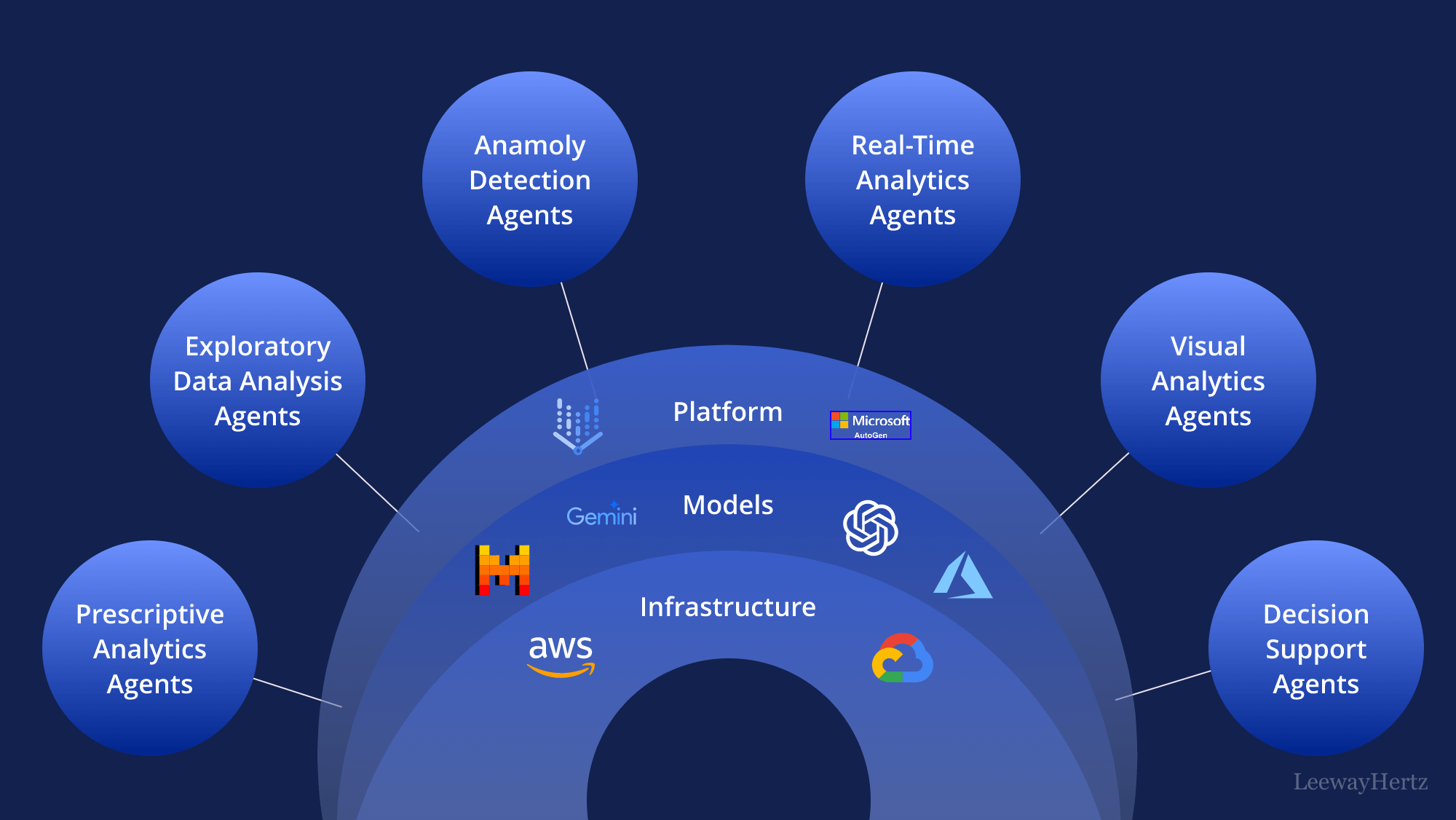
The true power of AI for SMBs lies not in individual tools, but in how they work together. A fragmented stack creates more work, not less. Prioritize tools that offer robust integrations with your existing marketing platforms, such as your CRM, email marketing service, or analytics dashboard. Look for native integrations or well-documented APIs.
Think of your AI stack as an ecosystem. For instance, an AI writing assistant that can pull data directly from your CRM to personalize content, or an AI analytics tool that feeds insights directly into your ad platform, creates a seamless workflow. This reduces manual data transfer, minimizes errors, and ensures consistency across your campaigns.
Before committing to a new AI tool, always investigate its integration capabilities. Can it connect with your HubSpot CRM? Does it play well with Google Analytics? If it operates in a silo, the productivity gains might be offset by the integration headaches.
What’s often overlooked is the ongoing maintenance required for these integrations. APIs change, platforms update, and connections can break. For small teams, this isn’t a set-it-and-forget-it task; it demands regular oversight and troubleshooting, often by marketing generalists who aren’t IT specialists. This hidden operational cost can quickly erode the perceived productivity gains.
Furthermore, not all integrations are created equal. A tool might claim “integration” with your CRM, but in practice, it might only support a one-way sync of basic contact data, leaving critical fields or bidirectional updates unaddressed. This creates a false sense of automation, forcing teams back into manual data entry or reconciliation, leading to frustration and data inconsistencies across systems. The theoretical promise of seamless data flow often clashes with the practical reality of partial or fragile connections.
This leads to a downstream effect: “integration fatigue.” When teams repeatedly encounter broken connections, incomplete data transfers, or the need for manual workarounds despite having “integrated” tools, they lose trust in the system. The initial enthusiasm for AI tools wanes, and the team might revert to older, less efficient processes simply because they were more predictable, even if manual. Prioritizing robust, well-maintained integrations over a simple checkbox feature is critical to avoid this.
The “One-In, One-Out” Rule for AI Tools
To combat tool overload, adopt a strict “one-in, one-out” or “evaluate before you add” policy. Before subscribing to a new AI tool, critically assess its necessity. Does it genuinely replace an existing, less efficient process or tool? Does it offer a significant, unique capability that cannot be achieved with your current stack?
This rule forces a deliberate decision-making process. It prevents impulse purchases and ensures that every tool added to your stack serves a clear purpose and contributes positively to your overall efficiency. Regularly audit your existing tools. If a tool isn’t being fully utilized, isn’t delivering expected ROI, or has been superseded by a better integrated solution, consider phasing it out. This keeps your stack lean, manageable, and cost-effective.
Measuring ROI Beyond the Hype
The ultimate measure of an AI tool’s value isn’t its advanced features, but its tangible impact on your business goals. For SMBs, this means focusing on clear, quantifiable metrics, not just vague promises of “innovation.”
- Time Savings: How much time does the tool save your team on specific tasks (e.g., content drafting, data analysis, customer support)?
- Cost Reduction: Does it reduce operational costs, such as outsourcing content creation or hiring additional staff for data entry?
- Performance Improvement: Are your campaigns seeing higher conversion rates, better engagement, or improved lead quality directly attributable to the AI tool?
- Resource Reallocation: Does the AI tool free up your team to focus on higher-value strategic activities?
Set clear KPIs before adopting any new AI tool. Without a baseline and specific metrics to track, it’s impossible to determine if your investment is truly paying off. Don’t get swayed by vendor claims; demand evidence of real-world impact relevant to your specific business context. measuring marketing ROI
Evolving Your AI Strategy, Not Just Your Stack
The AI landscape is dynamic, but your core business objectives likely remain stable. Your AI strategy should be an extension of those objectives, not a reaction to every new AI trend. Regularly review your AI stack and strategy, perhaps quarterly, to ensure alignment with your evolving business needs and market conditions.
This isn’t about constantly replacing tools, but about optimizing their use, exploring new features within your existing stack, and making informed decisions about strategic additions or subtractions. Focus on continuous improvement and adaptation, ensuring your AI investments consistently drive growth and efficiency without overwhelming your team or budget.


Leave a Comment