

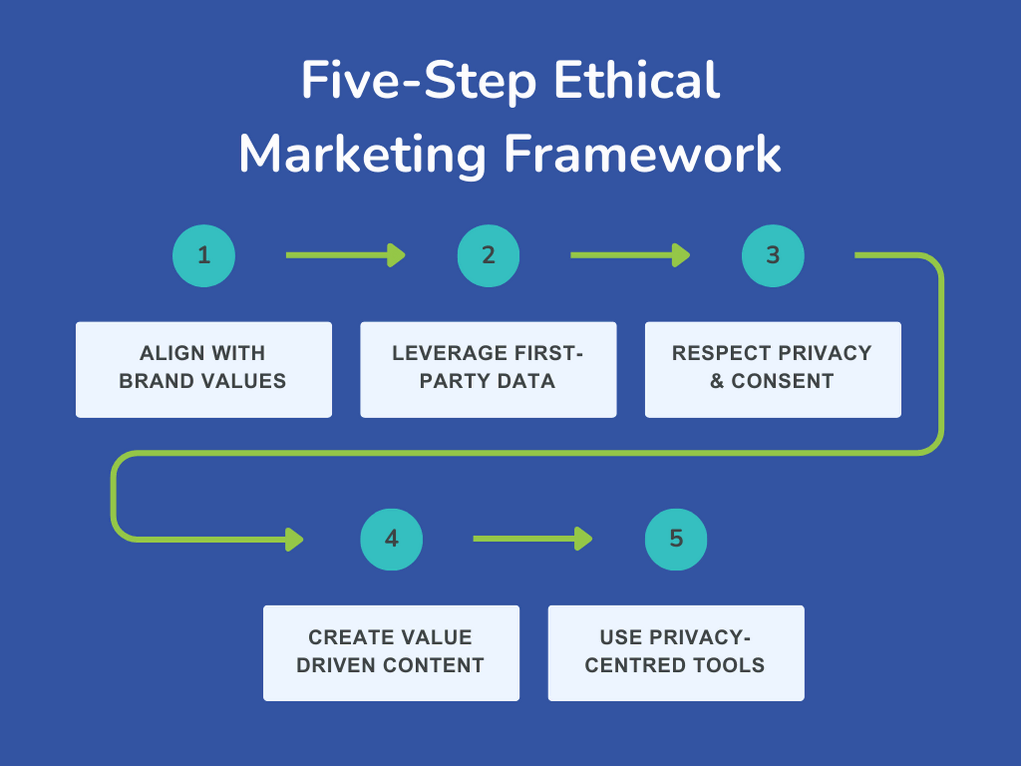
Marketing sensitive products demands a precise, ethical approach. For small to mid-sized businesses, navigating this landscape means prioritizing trust, ensuring compliance, and making smart trade-offs with limited resources. This article cuts through the noise to offer practical strategies that build consumer confidence and mitigate risk, focusing on what truly works in the real world.
You’ll learn how to identify sensitive product categories, understand essential compliance requirements, and craft messaging that resonates without crossing ethical lines. We’ll highlight actionable steps to protect your brand, foster genuine customer relationships, and avoid costly missteps, even when operating with imperfect execution.
Defining “Sensitive” in Marketing
Before strategizing, clarify what makes a product “sensitive.” This isn’t just about controversial items; it extends to anything that impacts a consumer’s health, financial well-being, personal data, or carries significant social implications. Think medical devices, financial services, supplements, adult products, or even services dealing with personal data. The common thread is the potential for harm, misuse, or misinterpretation if marketed irresponsibly. Your marketing must acknowledge this inherent vulnerability and operate with heightened care.
Non-Negotiable: Transparency and Honesty
For sensitive products, transparency isn’t a buzzword; it’s the foundation of trust and compliance. Every claim, every benefit, and every potential limitation must be communicated clearly and truthfully. Avoid ambiguity, euphemisms, or exaggerated promises. This means:
- Clear Disclosures: Explicitly state any risks, side effects, or conditions of use.
- Evidence-Based Claims: Back up benefits with verifiable facts, not anecdotal evidence.
- Simple Language: Avoid jargon. Ensure your audience, regardless of their background, can understand what your product does and doesn’t do.
Failing here not only erodes trust but opens your business to regulatory scrutiny and potential legal action. It’s a fundamental operational principle.
What often gets overlooked are the operational costs that accrue from even minor ambiguities. A slightly unclear benefit or a subtly downplayed limitation might seem like a small win in a marketing meeting, but it translates directly into increased customer service inquiries, higher return rates, and a steady stream of negative reviews. These aren’t just ‘bad optics’; they’re tangible drains on resources that could be spent on growth, not damage control.
The real friction often emerges internally. Under pressure to differentiate or hit sales targets, teams can feel compelled to craft claims that are technically true but misleading in context. This isn’t always malicious; it’s often a desperate attempt to stand out. The consequence is internal conflict and decision paralysis, where marketing pushes for a more ‘sellable’ message, while product or legal pushes for absolute clarity. The resulting compromise often satisfies no one and, more importantly, fails the customer by creating an expectation gap.
This erosion of trust isn’t a one-time event; it compounds. Once a business gains a reputation for being anything less than fully transparent, that perception sticks. It makes future product launches harder, as skepticism is already baked in. It can even impact talent acquisition, as skilled professionals often seek employers with strong ethical foundations. The initial ‘win’ of a stretched claim quickly becomes a systemic liability, undermining the very foundation of trust the business needs to grow sustainably.
Compliance Isn’t Optional: Know Your Regulations
This is where many small businesses stumble. Ignorance of the law is not an excuse. For sensitive products, regulatory bodies often have specific guidelines for advertising, claims, and data handling. These can vary significantly by industry and geography.
- Identify Key Regulations: Research industry-specific advertising standards (e.g., FDA for health products, FTC for general advertising, financial regulatory bodies).
- Data Privacy: Understand and comply with data protection laws like GDPR, CCPA, and other regional equivalents, especially when collecting sensitive customer information. data privacy regulations
- Legal Review: Even with limited budgets, a quick consultation with legal counsel specializing in your industry is a critical investment for reviewing marketing copy and campaigns before launch. This isn’t an academic exercise; it’s risk management.
Prioritize understanding the specific rules that apply to your product and target markets. This isn’t about being exhaustive, but about identifying the critical guardrails.
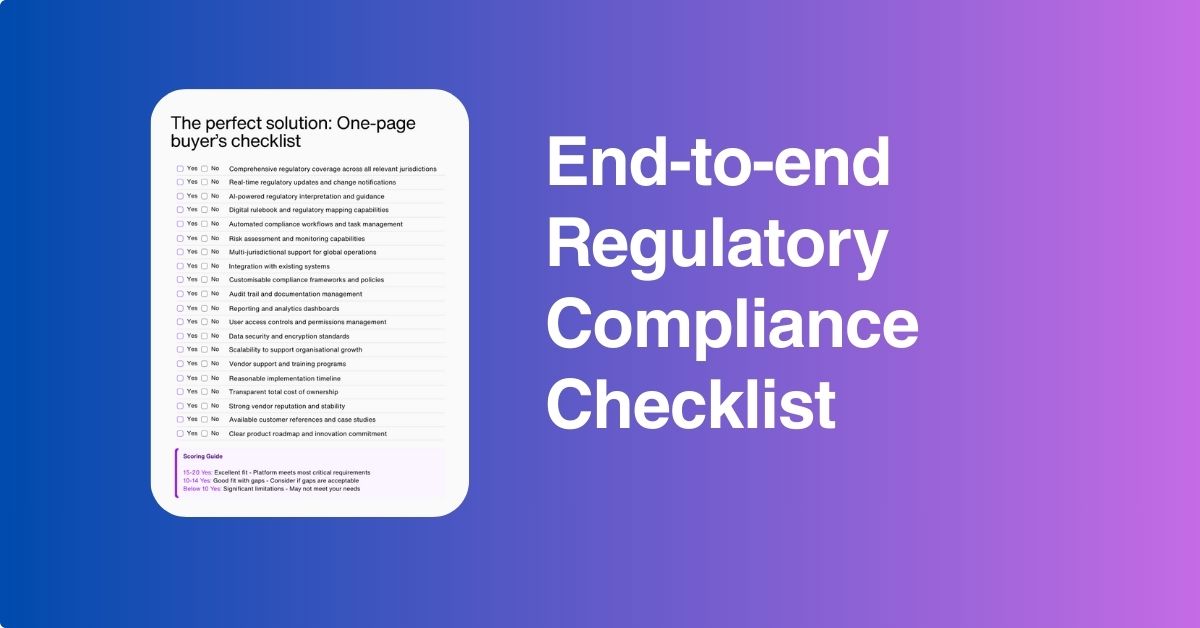
What often gets overlooked is that compliance isn’t a static state. A campaign that appears compliant today might face scrutiny tomorrow due to evolving interpretations, new product claims, or even just increased visibility. The real cost isn’t solely the initial legal fee, but the potential for forced campaign retraction, public apologies, or regulatory fines months down the line. This reactive scramble is consistently more expensive and damaging to reputation than proactive diligence, consuming resources that could have been directed toward growth.
Beyond the direct financial outlay, there’s a significant operational drag. Marketing teams, under pressure to hit targets and launch quickly, often view legal review as a bottleneck. This tension can lead to shortcuts, optimistic interpretations of guidance, or a reluctance to engage legal early enough in the creative process. Conversely, legal teams, rightly focused on risk mitigation, may provide overly cautious advice that feels impractical for market realities. Navigating this internal dynamic effectively, and building a repeatable process for review, is a critical, often unstated, part of managing compliance that can easily derail timelines and team morale if not addressed head-on.
Audience Targeting: Precision Over Broad Reach
Broad, untargeted campaigns are inefficient and dangerous for sensitive products. They risk exposing your message to inappropriate audiences (e.g., minors) or those who might misinterpret it, leading to backlash or regulatory issues. Instead, focus on highly precise, ethical targeting:
- Demographic Filters: Strictly adhere to age restrictions and other relevant demographic filters available on advertising platforms.
- Interest-Based Targeting: Focus on specific, relevant interests that indicate a genuine need or interest in your product, rather than broad categories.
- Exclusion Lists: Actively exclude audiences that are vulnerable or for whom your product is not intended.
The goal is to reach the right people who genuinely benefit from your product, not to cast a wide net hoping for conversions. This approach saves ad spend and protects your brand reputation.
Crafting Your Message: Empathy and Education
Your messaging for sensitive products should always lead with empathy, education, and problem-solving. Avoid sensationalism, fear-mongering, or creating urgency through manipulative tactics. Instead:
- Focus on Solutions: Clearly articulate how your product addresses a specific, legitimate need or problem.
- Educate, Don’t Sell Aggressively: Provide valuable information that helps the consumer make an informed decision. This builds trust and positions you as an authority.
- Maintain a Professional Tone: Your brand voice should be reassuring, knowledgeable, and respectful. Avoid casual or overly promotional language that might diminish the seriousness of your product.
This approach might feel slower, but it builds a more resilient customer base and reduces the likelihood of misinterpretation.
Building Trust Through Owned Channels and Reviews
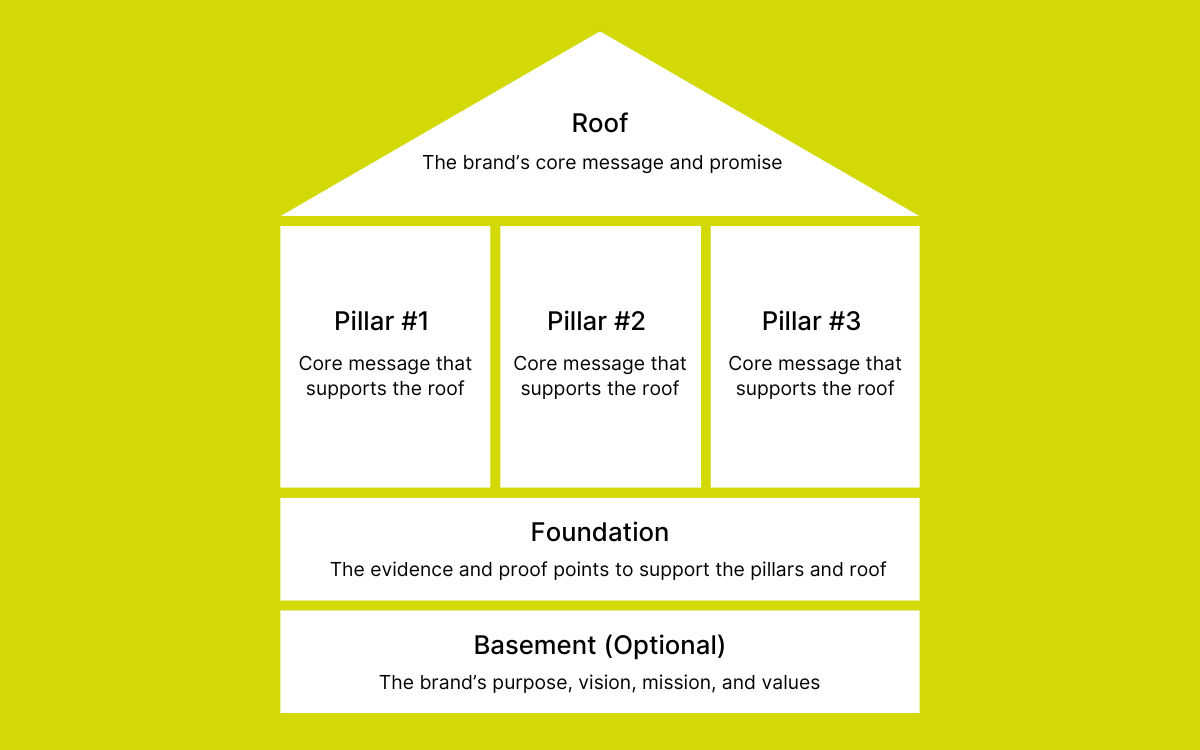
For sensitive products, your owned channels (website, email lists) become paramount. These are spaces you control, allowing for detailed explanations and disclaimers without platform character limits or algorithmic interference.
- Comprehensive Website Content: Your product pages should be exhaustive, covering benefits, risks, FAQs, and usage instructions.
- Email Marketing: Use email to nurture leads with educational content, offering deeper insights to an opted-in audience.
- Transparent Review Management: Encourage honest reviews and respond professionally to all feedback, positive or negative. Do not filter or manipulate reviews.
These channels allow you to provide the necessary context and build a direct, trusting relationship with your audience.
What to Deprioritize Today
For small to mid-sized teams with limited budgets, it’s crucial to make strategic cuts. Today, deprioritize aggressive, broad-reach paid advertising campaigns, especially those relying heavily on visual shock value or emotionally charged language. These campaigns are high-risk for sensitive products. They often lead to wasted ad spend due to poor targeting, attract negative public attention, and can quickly trigger regulatory investigations if not meticulously compliant. The cost of a single misstep—a fine, a public relations crisis, or platform suspension—far outweighs any potential short-term gain from a wide, untargeted push. Similarly, avoid relying solely on unvetted influencer marketing; the risk of an influencer making non-compliant claims or misrepresenting your product without your oversight is too high for sensitive categories. Instead, focus your resources on highly targeted, compliant paid ads with clear disclaimers, robust organic content and SEO that answers specific user queries, and direct email marketing to genuinely interested, opted-in audiences. These channels offer more control, better targeting precision, and a higher likelihood of building trust responsibly.
Monitoring and Adapting Your Strategy
The regulatory and ethical landscape for sensitive products is not static. What was acceptable last year might not be today, especially with advancements in AI and data privacy expectations. Regularly monitor:
- Industry News: Stay informed about new regulations, advertising standards, and best practices in your specific niche.
- Audience Feedback: Pay close attention to customer reviews, social media comments, and direct inquiries. These offer invaluable insights into how your messaging is being received.
- Campaign Performance: Beyond conversions, track metrics related to brand sentiment and compliance flags.
Be prepared to iterate and adapt your marketing strategy based on these insights. Proactive adaptation is far less costly than reactive damage control.



Leave a Comment