

For small to mid-sized businesses, the pursuit of sustainable growth often feels like a constant sprint on the campaign treadmill. This article cuts through the noise, offering a pragmatic roadmap to cultivate organic engagement. You’ll learn how to build lasting connections with your audience, reduce your reliance on expensive paid channels, and foster a resilient brand that grows even when your ad budget doesn’t.
We’ll focus on actionable strategies that deliver real value despite limited resources and imperfect execution. This isn’t about chasing every new trend; it’s about making deliberate choices that build genuine connection and drive long-term business health.
Why Organic Engagement Matters More Than Ever
In today’s crowded digital landscape, simply running campaigns isn’t enough for sustainable growth. Paid channels are increasingly competitive and expensive, making it harder for SMBs to achieve a consistent ROI. Organic engagement, however, builds a foundational asset: a loyal audience that actively seeks out and champions your brand. This isn’t about chasing viral trends; it’s about creating genuine connections that drive long-term value. It’s the difference between renting attention and owning a relationship.
Prioritizing Your Organic Engagement Efforts
With limited time and resources, prioritization is key. Don’t try to do everything at once. Focus on these core areas first:
Content That Solves Problems
Your content strategy should revolve around solving your audience’s real problems, not just promoting your products. Think about the common questions they ask, the challenges they face, and the information they genuinely need. This utility-first approach builds trust and positions your brand as a valuable resource. Start by mapping out your customer’s journey and identifying pain points where your expertise can shine. A simple blog post, a how-to guide, or a short video tutorial can be far more impactful than a glossy ad.
Community Building on Your Terms
Instead of trying to be active on every social platform, identify where your ideal customers naturally congregate. Is it a specific LinkedIn group, a niche forum, a Facebook community, or even local events? Engage authentically there. Contribute value without immediately selling. Answer questions, share insights, and participate in discussions. This builds credibility and allows you to understand your audience’s needs firsthand, informing future content and product development. It’s about being a helpful member, not just a marketer.
The Power of First-Party Data
Leverage the data you already collect – email subscribers, website visitors, past purchasers. This first-party data is invaluable for understanding engagement patterns and personalizing interactions. Use it to segment your audience and deliver more relevant content, offers, and communications. This isn’t just for sales; it’s for deepening relationships. For example, if you know a customer frequently buys a certain product, send them a guide on how to get the most out of it, or related complementary products, rather than a generic newsletter.
What to Deprioritize (and Why)
Today, deprioritize chasing every new social media platform or viral trend. For SMBs with limited teams, spreading yourself too thin across multiple channels often leads to diluted effort and minimal impact. Instead of trying to master TikTok, Instagram Reels, and Threads simultaneously, double down on one or two platforms where your audience is most active and where you can consistently deliver high-quality, engaging content. Similarly, avoid over-investing in vanity metrics like follower counts or likes without a clear link to business outcomes. These often provide a false sense of progress and divert resources from activities that genuinely build engagement and drive revenue. Focus on depth over breadth, and meaningful interaction over superficial reach.
Even with a clear focus on problem-solving content, it’s easy to fall into the trap of creating content that only *superficially* addresses an issue. The pressure to publish frequently can lead to generic advice or rehashed information that doesn’t offer genuine utility. This isn’t just ineffective; it actively erodes the trust you’re trying to build. When an audience repeatedly finds your “solutions” lacking depth or practical application, they stop seeing your brand as a valuable resource, making future engagement much harder. The hidden cost here isn’t just wasted effort, but a damaged reputation for credibility that takes significant time and effort to rebuild.
Similarly, the commitment required for authentic community building is often underestimated. It’s not a set-it-and-forget-it strategy; it demands consistent, thoughtful interaction over months, if not years. What starts as an enthusiastic effort can quickly become a burden for small teams already stretched thin. The non-obvious failure mode here is burnout and subsequent disengagement, which can leave a community feeling abandoned and negate any initial goodwill. The theory of “being a helpful member” is sound, but the practical reality is that it requires dedicated, sustained human effort that often doesn’t scale easily without additional resources.
While deprioritizing new, unproven platforms is a sound strategic move for lean teams, it often comes with its own set of internal pressures. The fear of missing out (FOMO) on a perceived “next big thing” can create friction within a team or with stakeholders who see competitors experimenting elsewhere. This isn’t just about external trends; it’s about the internal discipline required to stick to your chosen focus, even when external noise is loud. Constantly debating whether to jump on a new platform, even if you ultimately decide against it, diverts valuable mental energy and focus from the core activities that are already delivering results.
Practical Strategies for Sustainable Growth
Once you’ve prioritized, here’s how to execute:
SEO as a Foundation, Not a Tactic
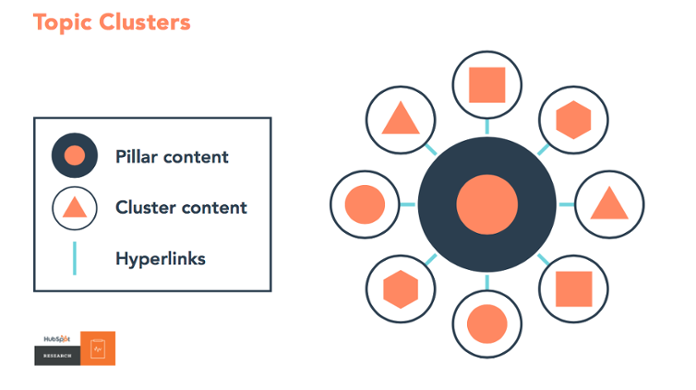
Think of SEO not just as a way to rank for keywords, but as a framework for organizing valuable content. Develop content clusters around core topics relevant to your business and audience. Create comprehensive ‘pillar pages’ that cover broad subjects, then link out to more detailed ‘cluster content’ that addresses specific long-tail queries. This approach not only helps search engines understand your expertise but also provides a rich, interconnected resource for your audience. Focus on user intent and providing the best answer, not just keyword stuffing. how search engines work
Email as Your Owned Channel
Email marketing remains one of the most effective channels for cultivating organic engagement because you own the relationship. Build your email list ethically by offering genuine value – exclusive content, early access, helpful tips. Segment your list based on interests and behavior, then send targeted, personalized emails that nurture relationships. This isn’t about daily sales pitches; it’s about consistent, valuable communication that keeps your brand top-of-mind and builds loyalty. Think of it as a direct line to your most engaged audience members.
Leveraging Niche Communities
Beyond mainstream social media, seek out niche online forums, industry-specific groups, or even local meetups where your target audience actively participates. Your goal here isn’t to blast promotional messages, but to genuinely contribute to the conversation. Answer questions, share your expertise, and build a reputation as a helpful, knowledgeable resource. This authentic engagement can lead to organic referrals, brand mentions, and a deeper understanding of your audience’s evolving needs. It’s slow, but incredibly effective for building trust.
The initial build-out of a content cluster strategy, while foundational, often masks the ongoing operational burden. What looks like a robust content plan on paper demands continuous effort to remain relevant. User intent isn’t static, and information evolves. Teams frequently underestimate the commitment required to regularly refresh existing pillar and cluster content, update data, and expand on new angles. Neglecting this leads to content decay, where once-authoritative resources slowly lose their edge, making the initial investment less impactful over time.
Similarly, while email is an “owned channel,” this ownership comes with significant, often overlooked, responsibilities. The real work isn’t just building the list, but actively managing its health and ensuring content remains genuinely valuable to a diverse, evolving audience. Many teams struggle with the consistent effort needed for list hygiene – identifying and removing inactive subscribers – and the continuous adaptation of messaging to prevent fatigue. The delayed consequence of neglecting these tasks is a gradual erosion of engagement, leading to lower open rates, increased unsubscribes, and a diminished return on what should be your most reliable communication channel.
Finally, engaging with niche communities, while powerful, is a high-touch, high-risk endeavor that demands more than just posting. The hidden cost is the deep cultural understanding and emotional intelligence required to participate authentically. It’s easy to misinterpret community norms or to inadvertently come across as self-promotional, which can quickly undo months of trust-building. This slow, nuanced approach often clashes with the internal pressure for measurable, short-term results, leading teams to either abandon it prematurely or execute it poorly, turning a potential asset into a reputational liability.
Measuring What Truly Matters
Forget vanity metrics. For organic engagement, focus on indicators that reflect genuine connection and business impact:
- Engagement Rate: Beyond likes, look at comments, shares, saves, and direct messages. Are people interacting meaningfully with your content?
- Time on Page/Site: For content, longer durations indicate higher interest and value.
- Repeat Visits: Are people coming back to your website or channels without prompting? This signals loyalty.
- Direct Conversions from Organic Channels: Track leads, sign-ups, or sales directly attributed to your organic efforts.
- Brand Mentions & Sentiment: Monitor how often your brand is mentioned organically and the overall tone of those mentions. Tools like Google Alerts or social listening platforms can help, even on a budget.
Focus on trends over time rather than isolated spikes. Are your efforts consistently building a more engaged and loyal audience?
Building a Resilient Brand Through Connection
Cultivating organic engagement isn’t a quick fix; it’s a long-term investment in your brand’s future. By prioritizing problem-solving content, engaging authentically in relevant communities, and leveraging your owned channels, SMBs can build a resilient brand that thrives on genuine connection. This approach reduces reliance on fluctuating ad costs and creates a loyal customer base that becomes your most powerful marketing asset. It’s about building relationships that last, not just campaigns that convert.


Leave a Comment