

In today’s digital landscape, building brand loyalty isn’t just about transactions; it’s about fostering genuine connections. This article cuts through the noise to offer actionable strategies for small to mid-sized businesses to cultivate a thriving online community. You’ll learn how to prioritize your efforts, engage your audience effectively, and measure real impact, ultimately driving organic growth and strengthening your brand’s resilience.
We’ll focus on practical steps that work within typical budget and headcount constraints, helping you make informed decisions about where to invest your limited resources for maximum return.
Why Community Matters More Than Ever
The shift from transactional relationships to relational ones is complete. Customers today expect more than just a product or service; they seek belonging and shared values. For small to mid-sized businesses, a strong community isn’t a luxury; it’s a cost-effective engine for growth. It reduces customer acquisition costs, boosts retention, and generates invaluable word-of-mouth marketing that traditional advertising struggles to match. When your customers feel connected to your brand and each other, they become your most powerful advocates.
Prioritizing Your Community Foundation
Starting a community doesn’t require a massive budget or a dedicated team. The key is strategic focus and incremental growth.
Identify Your Core Audience & Existing Touchpoints: Before you build, understand who you’re building for. What are their interests beyond your product? Where do they already gather online? This could be an existing social media group, a forum, or even just a highly engaged segment of your email list. Leverage these existing connections first.
Choose One Primary Platform: Don’t try to be everywhere. Select a single platform where your audience is most active and where you can realistically commit to consistent engagement. This might be a private Facebook Group, a dedicated Slack or Discord channel, or even a robust forum on your own site. The platform choice should align with your audience’s habits and your team’s capacity.
Define Clear Guidelines & Moderation: A healthy community needs boundaries. Establish simple, clear rules for interaction and a plan for consistent moderation. This ensures a safe, respectful, and productive environment for everyone. Without this, communities can quickly devolve and become counterproductive.
What to deprioritize or skip today: Avoid the temptation to build a custom community platform from scratch. These projects are resource-intensive, require significant development and maintenance, and often fail to gain traction without a pre-existing, highly engaged audience. For small to mid-sized teams, the operational overhead far outweighs the perceived benefits of full control. Stick to established platforms that handle the technical heavy lifting.
While leveraging established platforms sidesteps the technical burden, it introduces a different kind of operational risk: platform dependency. What feels like a “free” solution can quickly become a source of frustration when algorithms shift, policies change, or the platform itself evolves in ways that diminish your community’s reach or impact. Adapting to these external forces demands ongoing attention and can force unexpected strategic pivots, often at inconvenient times, turning a perceived cost-saver into a time sink.
Beyond platform choice, the practical realities of moderation are frequently underestimated. Crafting clear guidelines is a one-time task; consistently enforcing them is a perpetual one. For small teams, this often translates into moderation fatigue, where the emotional labor of conflict resolution, content review, and proactive engagement falls on a few individuals already stretched thin. Inconsistent application of rules, or a reactive-only approach, quickly signals to members that the space isn’t truly managed, leading to a decline in quality contributions and an increase in problematic behavior.
Furthermore, it’s easy to fall into the “activity trap” when measuring community health. High member counts or a flurry of surface-level posts might look good on a dashboard, but they don’t necessarily indicate a thriving community. The true value lies in the depth of interaction, the quality of peer support, and the shared learning that occurs. Over-indexing on vanity metrics can distract teams from the harder work of cultivating genuine connections and facilitating meaningful conversations, ultimately leading to a community that consumes resources without delivering its promised strategic benefits.
Strategies for Cultivating Engagement
Once your foundation is set, focus on fostering active participation and a sense of belonging.
Encourage User-Generated Content (UGC): Actively solicit and celebrate content created by your community members. This could be product reviews, photos of them using your service, testimonials, or even tips and tricks related to your niche. Run simple campaigns with clear prompts. UGC builds trust and provides authentic social proof.
Host Interactive Sessions: Regular Q&A sessions with your founders, product experts, or even highly engaged community members can be incredibly valuable. These create direct lines of communication, build transparency, and make members feel heard. Consider live video or text-based AMA (Ask Me Anything) formats.
Offer Exclusive Content & Early Access: Give your community members a reason to stay engaged. Provide early access to new features, beta programs, special discounts, or content not available elsewhere. This creates a sense of exclusivity and rewards loyalty.
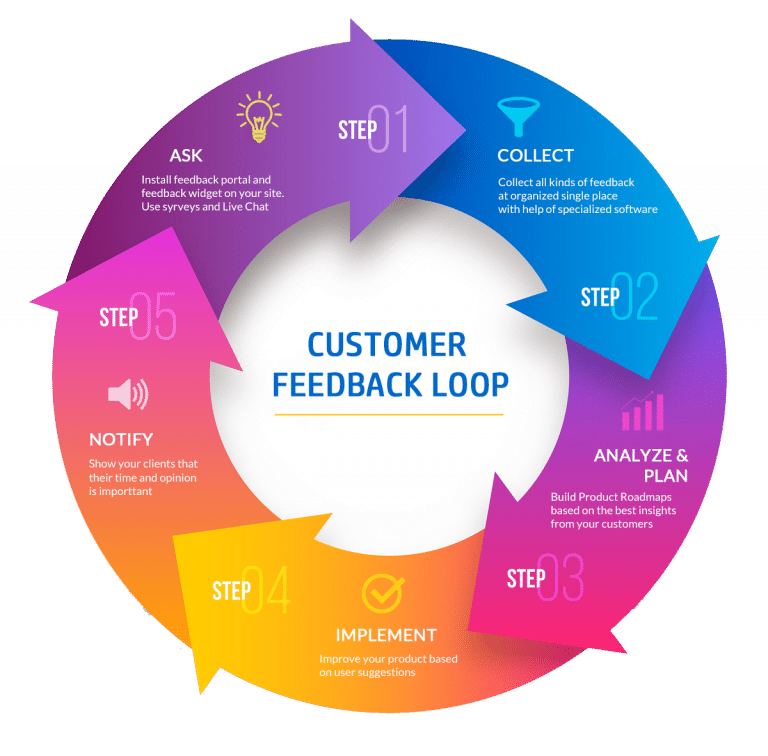
Implement Feedback Loops: Use polls, surveys, and direct questions to gather feedback on products, services, or even community initiatives. Show that you’re listening and acting on their input. This empowers members and makes them feel invested in your brand’s direction.
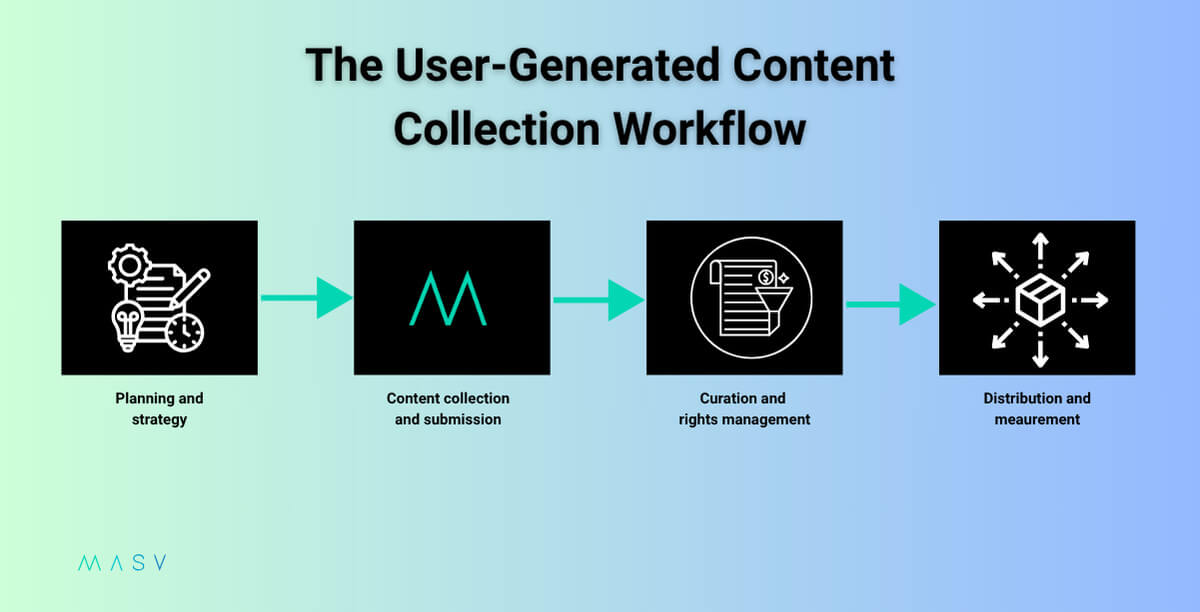
While user-generated content (UGC) and feedback loops are powerful, the operational reality often introduces friction. Soliciting content or input creates an implicit promise of review and response. Small teams frequently underestimate the ongoing moderation effort required for UGC, or the internal bandwidth needed to genuinely process and act on feedback. Failing to moderate effectively can dilute brand perception, and consistently asking for input without visible action erodes trust faster than not asking at all. This isn’t just about collecting data; it’s about the commitment to engage with it.
Similarly, the allure of exclusive content or early access can backfire if not managed with care. While intended to reward loyalty, poorly defined access criteria or an overemphasis on ‘insider’ content can inadvertently create a tiered community. This risks alienating members who don’t qualify, fostering resentment rather than belonging, and ultimately fragmenting the very community you aim to strengthen. The perceived value of exclusivity must outweigh the potential for division.
Finally, the most common pitfall in cultivating engagement is the struggle for sustained consistency. Interactive sessions, exclusive drops, or even regular feedback cycles demand ongoing internal resources. When these initiatives become sporadic due to competing priorities or limited headcount, the community notices. Inconsistency signals a lack of genuine commitment, leading to member disengagement and the perception that their time and participation aren’t truly valued. It’s a slow leak of trust that’s hard to plug once it starts.
Measuring Impact Without Over-Complicating It
For small teams, complex analytics dashboards are often overkill. Focus on metrics that directly reflect engagement and sentiment.
Engagement Metrics: Track active members, post frequency, comment volume, and direct messages. Are people interacting with each other, not just with your brand? Tools native to your chosen platform (e.g., Facebook Group insights, Discord analytics) can provide a good starting point.
Qualitative Insights: Pay close attention to the sentiment expressed in discussions. What are common themes, pain points, or suggestions? This qualitative data is often more valuable than raw numbers for understanding your community’s health and needs.
Link to Business Outcomes: While direct attribution can be tricky, look for correlations. Are community members more likely to make repeat purchases? Do you see an increase in referrals? Has your customer support load decreased for common questions due to peer-to-peer support within the community?
Sustaining Growth and Adapting
A thriving community isn’t a set-it-and-forget-it initiative. It requires ongoing attention and a willingness to evolve.
Regularly Solicit Feedback: Just as you ask for product feedback, ask your community how the community itself can be improved. What features would they like to see? What topics are they interested in discussing? This keeps the community relevant and member-centric.
Empower Community Leaders: As your community grows, identify and empower active, positive members to take on leadership roles. This could involve moderating discussions, welcoming new members, or even organizing sub-groups. Delegating responsibility fosters a stronger sense of ownership and reduces the burden on your internal team.
Be Prepared to Evolve: The digital landscape and your audience’s needs will change. Be flexible enough to adapt your platform, content strategy, and engagement tactics. What works today might need tweaking next year. Stay informed on broader community building trends and best practices community building best practices.
The Long-Term Value of a Connected Audience
Investing in community building is a long-term play, not a quick win. The loyalty and advocacy generated by a strong community provide a defensible competitive advantage that is difficult for competitors to replicate. It builds a foundation of trust and authentic connection, ensuring your brand remains relevant and resilient in an ever-changing market. For small to mid-sized businesses, this isn’t just marketing; it’s a strategic asset.



Leave a Comment