


For small to mid-sized businesses, every marketing dollar and hour must count. This article cuts through the noise to deliver practical strategies that directly impact your bottom line, helping you make informed decisions on where to invest your limited resources for maximum return. You’ll gain clarity on what truly moves the needle, what to strategically delay, and what to avoid altogether.
We’ll focus on real-world approaches that work even with imperfect execution and tight budgets, ensuring you can implement these insights immediately to drive measurable growth and optimize your marketing spend.
Build Your Measurement Foundation First
Before launching any significant campaign, ensure you can actually track its performance. Many businesses jump into tactics without a clear way to measure success, leading to wasted spend and guesswork. Your priority here is setting up robust, yet simple, analytics.
- Google Analytics 4 (GA4) Setup: This is non-negotiable. Configure GA4 correctly to track website traffic, user behavior, and conversions. Focus on key events like form submissions, purchases, and critical page views. Don’t get lost in every possible metric; identify 3-5 core KPIs relevant to your business goals.
- Conversion Tracking: Implement conversion tracking for all your primary lead generation or sales points. This includes setting up goals in GA4, pixel implementation for paid ad platforms (Google Ads, Meta Ads), and ensuring these systems communicate effectively. Without this, ROI is impossible to calculate accurately.
- CRM Integration: If you use a CRM, integrate it with your marketing platforms where feasible. This allows you to connect marketing touchpoints to actual sales outcomes, providing a clearer picture of lead quality and revenue attribution. Start simple, perhaps just tracking lead source.

Prioritize High-Intent Channels
With limited budgets, you can’t be everywhere. Focus your efforts where potential customers are actively looking for solutions you provide. This means prioritizing channels that capture existing demand over those that create it.
- Search Engine Optimization (SEO) for Commercial Intent: Invest in SEO for keywords where users are actively searching to buy or solve a problem. Think “best [product category]” or “[service] near me.” This captures users closer to a purchase decision. Focus on on-page optimization, quality content answering specific user queries, and building foundational backlinks. commercial intent keyword research
- Paid Search (PPC): For immediate results and to capture high-intent traffic, paid search campaigns on Google Ads are often a strong starting point. Target very specific, long-tail keywords with clear commercial intent. Monitor your Cost Per Acquisition (CPA) rigorously and optimize bids and ad copy constantly.
- Email Marketing for Existing Customers: Your existing customer base is your most valuable asset. Email marketing to this segment for repeat purchases, upsells, and referrals typically yields the highest ROI. Focus on segmentation and personalized offers.
What’s often overlooked in the pursuit of high-intent channels is the internal capacity required for sustained execution. While SEO for commercial intent promises valuable long-term traffic, it demands consistent effort over months, not weeks. The practical reality for small teams is that this slow burn can lead to frustration and premature abandonment, especially when immediate revenue pressures mount. The hidden cost isn’t just the initial investment, but the opportunity cost of not seeing returns quickly enough, which can strain limited resources and team morale.
Similarly, while paid search delivers immediate results, it can create a dangerous dependency. The moment the budget is cut, the traffic disappears. This constant pressure to spend can mask underlying product-market fit issues or a weak organic presence. A non-obvious failure mode here is becoming so reliant on paid channels that the business never adequately invests in building sustainable, owned channels. This leaves the business vulnerable to rising ad costs, platform changes, or budget cuts, making future growth harder to achieve without constant expenditure.
For email marketing to existing customers, the challenge often lies in scaling personalization without overwhelming a lean team. The theory suggests deep segmentation and tailored offers, but in practice, over-segmentation can become an operational burden. It leads to errors, delayed campaigns, or a perception of being “creepy” if not executed flawlessly. The decision pressure then shifts to finding the right balance between relevance and operational feasibility, often meaning a simpler, consistent approach outperforms an overly ambitious, inconsistent one.
Content Strategy: Value Over Volume
Many businesses churn out content without a clear purpose, diluting their efforts. Your content strategy should be lean, focused, and designed to address specific customer pain points or answer critical questions at different stages of their buying journey.
- Pillar Content & Cluster Topics: Instead of many shallow blog posts, create comprehensive pillar content that thoroughly covers a broad topic. Then, create supporting cluster content that dives deeper into specific aspects, linking back to your pillar. This establishes authority and improves SEO.
- Problem-Solution Focus: Every piece of content should clearly identify a problem your target audience faces and present your product or service as a viable solution. Avoid generic industry news or overly promotional pieces.
- Repurpose Wisely: Don’t reinvent the wheel. Turn a detailed blog post into a series of social media snippets, an email newsletter, or even a short video script. This maximizes the reach and ROI of your content creation efforts.
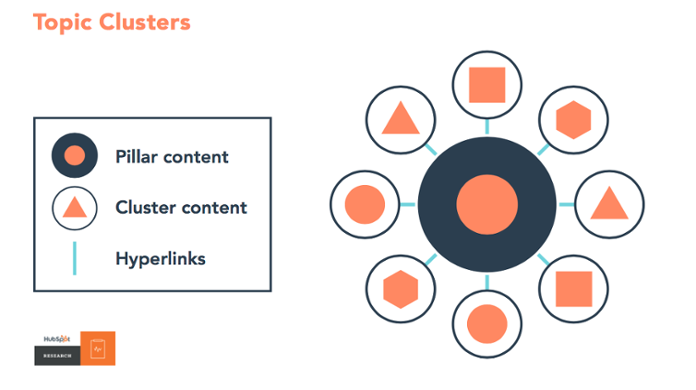
While the intent is to create value, the hidden cost of a volume-first approach isn’t just wasted effort; it’s content debt. Every piece of shallow, unoptimized, or quickly outdated content becomes a liability. It clutters your site, confuses search engines, and, most importantly, erodes trust with your audience when they encounter conflicting or irrelevant information. Cleaning up this debt later is a significant, often underestimated, operational burden that pulls resources away from new, valuable creation.
The challenge isn’t just what to create, but how deeply to cover it. In practice, many teams fall into the trap of producing “pillar-lite” content – pieces that are broad but lack the true depth and unique insight needed to establish authority. The pressure to hit publishing targets or cover a wide range of keywords can lead to superficiality, where cluster content merely rehashes the pillar without adding distinct value. This dilutes the strategic intent, leading to frustration when the expected SEO gains or audience engagement don’t materialize, despite significant effort.
What’s often overlooked is the ongoing maintenance of content. Creating a valuable piece is only half the battle; keeping it accurate, relevant, and performing requires regular review and updates. For lean teams, this crucial step frequently gets deprioritized in favor of new content creation. The rationale is often that “new content drives growth,” but neglecting existing assets means your foundational authority slowly erodes. While it feels counterintuitive to pause new creation for maintenance, a strategic audit and refresh of your top-performing or most critical content can yield better long-term results than simply adding more, potentially redundant, material.
Optimize for Conversion, Not Just Traffic
Driving traffic is only half the battle. If your website or landing pages don’t convert visitors into leads or customers, your marketing spend is wasted. Conversion Rate Optimization (CRO) is a continuous process that directly impacts ROI.
- Clear Calls-to-Action (CTAs): Ensure every page has a clear, compelling CTA that guides the user to the next step. Use action-oriented language and make them visually prominent.
- Streamlined Forms: Reduce friction in your lead capture forms. Ask only for essential information. Test different form lengths and field types.
- A/B Testing Key Elements: Don’t guess. Use tools to A/B test headlines, button colors, images, and even entire page layouts. Start with high-traffic pages or critical conversion points. Even small improvements can significantly boost ROI.
- Mobile Responsiveness: A significant portion of your audience will access your site on mobile. Ensure your website and all landing pages are fully responsive and offer an excellent user experience on smaller screens.
What to Deprioritize Today
Given limited resources, it’s crucial to understand what to put on the back burner. Today, deprioritize chasing every new AI marketing tool or trend. While AI offers immense potential, many SMBs get bogged down in integrating complex solutions that require significant data, technical expertise, or time they simply don’t have. Focus on leveraging AI features already embedded in platforms you use (e.g., Google Ads smart bidding, email marketing segmentation) rather than standalone, complex AI projects. Similarly, avoid broad brand awareness campaigns on every social media platform without a clear, measurable objective. Spreading yourself too thin across multiple channels without a focused strategy often leads to diluted impact and wasted effort. Instead, master one or two high-impact channels first.
Iterate and Refine Based on Data
Marketing is not a set-it-and-forget-it endeavor. The market, your audience, and competitive landscape are constantly evolving. Your ability to adapt and refine your strategies based on real data is paramount for sustained ROI.
- Regular Performance Reviews: Schedule weekly or bi-weekly reviews of your key marketing metrics. Look for trends, identify underperforming campaigns, and pinpoint opportunities for optimization.
- Small, Frequent Adjustments: Rather than making drastic changes, opt for small, iterative adjustments. Test one variable at a time to clearly understand its impact.
- Competitor Analysis: Keep an eye on what your competitors are doing, but don’t blindly copy. Use their successes and failures as learning opportunities to inform your own strategy. competitor analysis tools


Leave a Comment