


Building a brand that can withstand market shifts and continue growing isn’t about predicting the future; it’s about building adaptability into your core strategy. For small to mid-sized businesses, this means making smart, focused choices with limited resources.
This article will guide you through practical steps to strengthen your brand’s foundation, implement agile marketing, and leverage technology wisely, ensuring you can navigate change and secure sustainable growth without overstretching your team or budget.
Understanding Brand Resilience in 2026
In early 2026, brand resilience isn’t just about surviving economic downturns or competitive pressures. It’s about proactively adapting to rapid technological advancements, evolving consumer expectations, and a dynamic digital landscape. AI tools are maturing, privacy regulations are tightening, and customer loyalty is increasingly earned through authentic engagement, not just price.
For smaller teams, this means focusing on agility and core strengths. You can’t chase every trend, but you can build a brand that is flexible enough to pivot when necessary, grounded in values that resonate, and efficient in its operations.
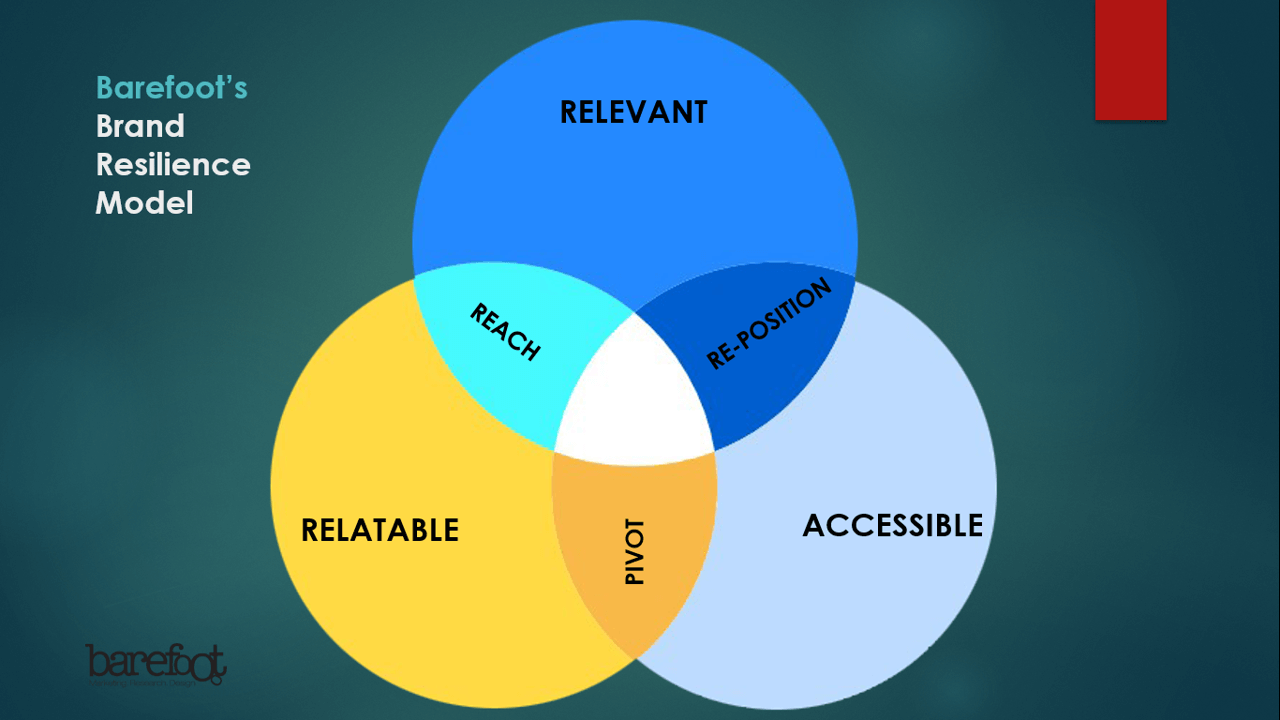
Prioritizing Your Brand’s Foundation
Before investing in new tools or campaigns, solidify your brand’s core. This isn’t a one-time exercise; it’s an ongoing check-in.
- Revisit Core Identity: Are your mission, vision, and values still relevant? Do they clearly communicate what you stand for and why you exist? This clarity guides all decisions.
- Deep Dive into Your Audience: Go beyond basic demographics. Understand their evolving pain points, aspirations, and where they genuinely seek solutions or community. Use direct feedback, surveys, and analyze your existing customer data.
- Sharpen Competitive Differentiation: What makes you uniquely valuable *today*? It’s often not just your product features, but the experience, service, or specific problem you solve better than anyone else. Articulate this clearly.
What to Deprioritize: Don’t get caught up in launching on every new social media platform or experimenting with every emerging AI feature without first having a rock-solid understanding of your brand’s core identity and your audience’s current needs. Spreading your limited resources across too many unproven channels or tools will dilute your message and prevent you from achieving meaningful impact where it truly matters. Focus on mastering the channels where your audience is already engaged and where you can consistently deliver value.
Building Adaptive Marketing Systems
Your marketing efforts need to be flexible enough to respond to change without constant overhauls.
- Agile Content Strategy: Prioritize evergreen content that addresses fundamental customer questions and problems. Supplement this with timely, responsive content that addresses current events or trends relevant to your niche. This balance ensures long-term value and immediate relevance.
- Diversify Traffic Sources: Relying too heavily on one channel (e.g., Google organic search or a single social platform) is risky. Develop a strategy that includes a mix of organic search, paid ads (even small, targeted campaigns), email marketing, and community engagement.
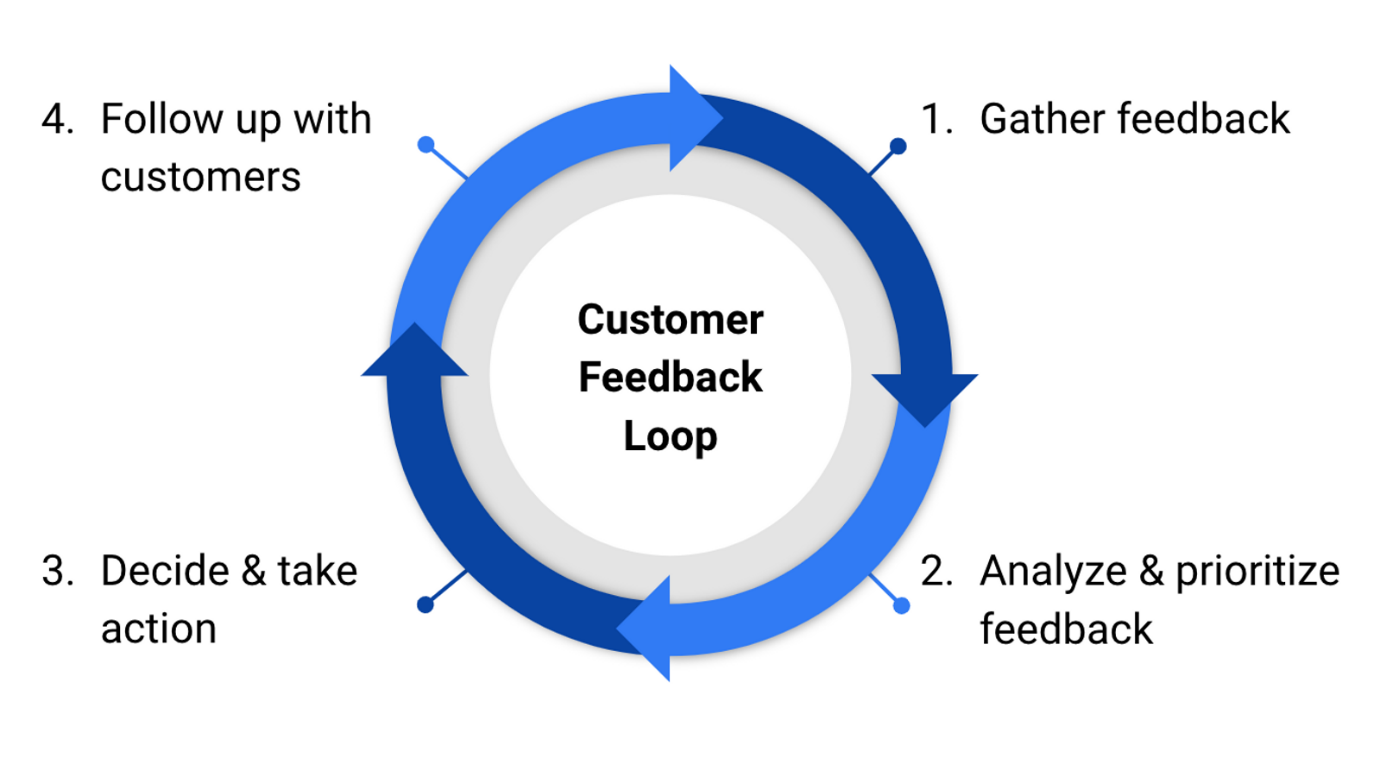
- Customer Feedback Loops: Implement simple, consistent methods for gathering feedback. This could be short surveys after a purchase, direct conversations with key customers, or monitoring online reviews. The goal is to listen and adapt.
What often gets overlooked in the pursuit of an “agile” content strategy is the hidden cost of constant reactivity. While timely content is valuable, small teams frequently find themselves chasing every trend or news cycle, inadvertently deprioritizing the foundational evergreen content that builds long-term authority and organic search equity. The immediate gratification of a viral moment can overshadow the compounding returns of a robust, problem-solving content library, leading to a perpetual content treadmill rather than a sustainable asset.
Similarly, the directive to “diversify traffic sources” often translates into a common failure mode: spreading resources too thin. The theory suggests casting a wide net, but in practice, this can mean dabbling in five channels without achieving critical mass or meaningful engagement in any. Teams end up with fragmented effort, diluted impact, and no single channel performing optimally. It’s a classic case where the desire to mitigate risk by being “everywhere” actually introduces the risk of being effective nowhere, especially when budget and headcount are constrained. Prioritizing deep engagement in two or three channels before superficially expanding to more is a pragmatic trade-off often ignored.
Finally, while establishing customer feedback loops is a critical first step, the real challenge lies in the internal processing and prioritization of that feedback. Teams can easily become overwhelmed by the volume of input, leading to analysis paralysis or a reactive “whack-a-mole” approach to product or service adjustments. The human-level frustration sets in when feedback is collected diligently but then struggles to translate into clear, actionable initiatives. Without a disciplined system for evaluating, categorizing, and deciding which feedback to act on (and, crucially, which to defer or decline), the feedback loop itself can become a source of internal pressure and perceived inefficiency, rather than a clear path to adaptation.
Leveraging Technology Smartly (Not Extravagantly)
AI and automation are powerful, but for small teams, the focus must be on practical application, not bleeding-edge experimentation.
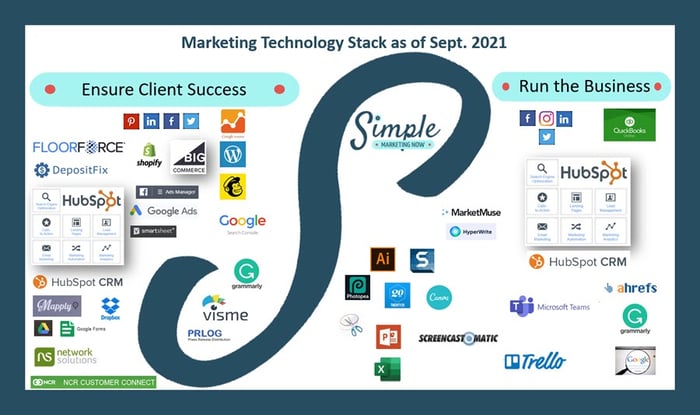
- AI for Efficiency, Not Replacement: Identify specific, repetitive tasks where AI can save your team time. This might include drafting initial content outlines, generating social media post ideas, summarizing customer feedback, or automating basic data analysis. Don’t chase complex AI solutions that require significant integration or specialized expertise you don’t have.
- CRM as a Core Asset: A well-maintained Customer Relationship Management (CRM) system is non-negotiable. Even a basic one helps you track customer interactions, personalize communications, and understand customer journeys. This is foundational for retention and growth. CRM for small business
- Automation for Scale: Automate routine tasks like email sequences for onboarding or abandoned carts, social media scheduling, and basic reporting. This frees up your human talent for strategic thinking and direct customer engagement.
Cultivating Brand Trust and Community
In a noisy market, trust is your most valuable currency. For small businesses, authenticity is a natural advantage.
- Transparency and Authenticity: Be honest about your product’s capabilities, your business practices, and your values. Consumers in 2026 value genuine connections.
- Exceptional Customer Experience: This is a powerful differentiator. Even with limited staff, focus on personalized, responsive service. Empower your team to solve problems quickly and empathetically.
- Foster Community: Create spaces where your customers can connect with each other and with your brand. This could be a private social group, a forum, or exclusive content for loyal customers. This builds advocacy and reduces churn.
Sustaining Growth Through Iteration
Growth isn’t linear; it’s a continuous cycle of learning and adjustment.
- Test, Learn, Iterate: Implement small, measurable experiments across your marketing and product offerings. Don’t wait for perfection. Analyze the results, learn from both successes and failures, and apply those insights to your next iteration. This agile approach minimizes risk and maximizes learning.
- Regular Brand Audits: Periodically step back and assess your brand’s messaging, visual identity, and market perception. Are you still aligned with your core values? Is your brand resonating with your target audience as effectively as it once did? This helps identify potential drifts before they become major problems.
- Invest in Team Skills: The marketing landscape changes rapidly. Provide opportunities for your team to learn new tools, strategies, and best practices. This internal investment is critical for long-term adaptability and innovation. upskilling marketing team

Leave a Comment