

As marketing teams in small to mid-sized businesses, you’re constantly balancing ambitious goals with limited resources. Agentic AI isn’t just another buzzword; it represents a shift towards tools that can autonomously plan, execute, and self-correct marketing tasks. This means less manual iteration and more time focused on strategy, leading to more efficient campaigns and better revenue outcomes.
This article cuts through the hype to show you where agentic AI delivers tangible value today, how to prioritize its adoption, and what pitfalls to avoid. Our focus is on practical benefits that directly impact your bottom line and free up your team for higher-value work.
Understanding Agentic AI in Marketing
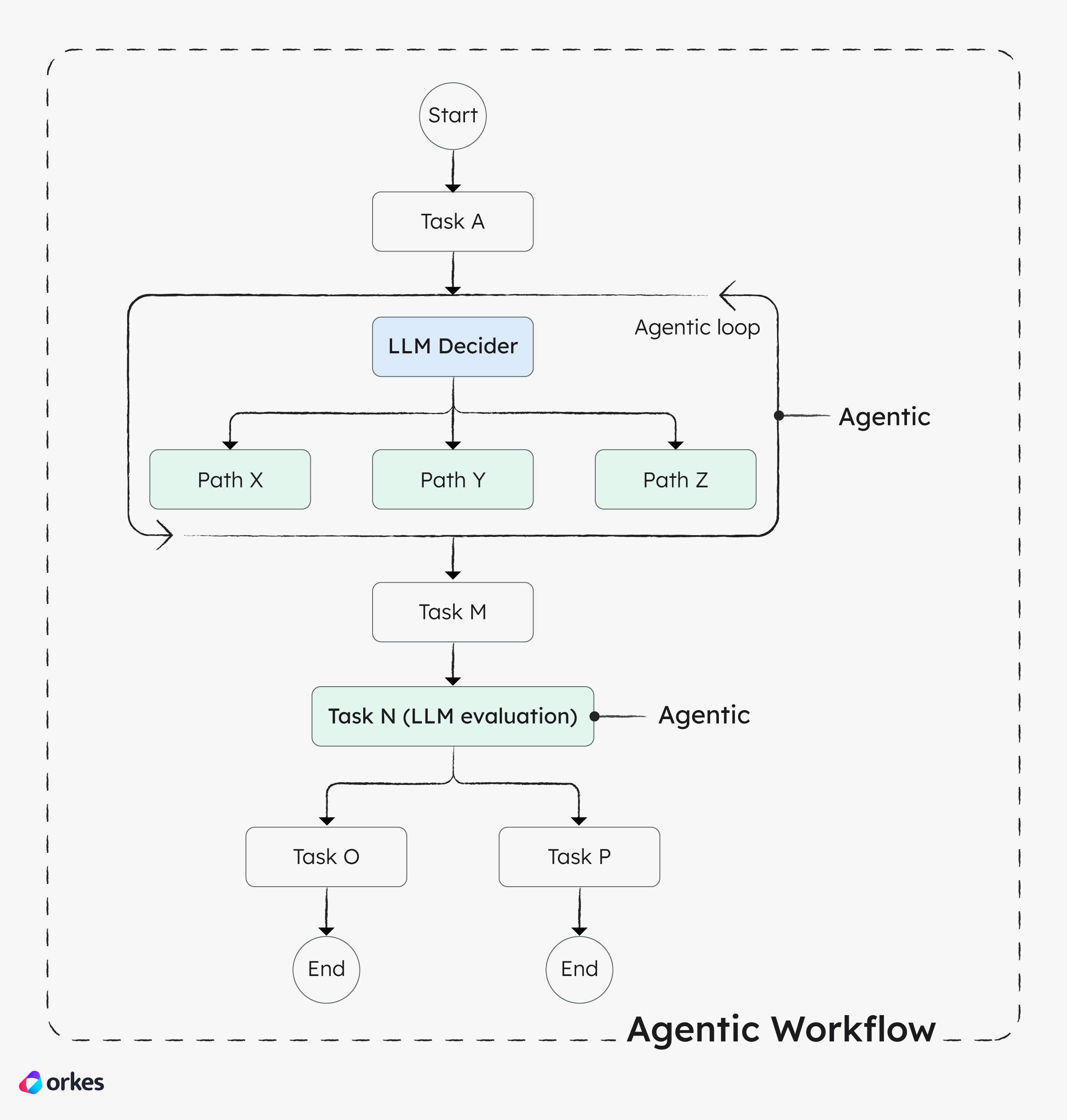
Agentic AI refers to systems designed to achieve a specified goal by breaking it down into sub-tasks, executing those tasks, monitoring progress, and making adjustments without constant human intervention. Unlike traditional AI tools that might generate content or analyze data based on a single prompt, an agentic system can initiate a sequence of actions, learn from the outcomes, and refine its approach over time.
Think of it less as a sophisticated calculator and more as a junior strategist that can not only suggest a course of action but also take the first steps, observe the results, and propose the next iteration. For marketing, this translates to tools that can, for example, not just write ad copy, but also test it, analyze performance, and automatically generate optimized variations.
Where Agentic AI Delivers Real Value Today
For SMBs, the immediate value of agentic AI lies in automating and optimizing repetitive, data-intensive tasks that often consume significant team bandwidth. Here are key areas where these tools are making a difference:
- Campaign Optimization: Agentic systems can continuously monitor ad campaign performance across platforms, dynamically adjust bids, refine targeting parameters, and even A/B test ad creatives or landing page elements. This leads to improved ROAS and reduced wasted spend.
- Content Strategy & Distribution: Beyond simple content generation, agents can analyze market trends, identify content gaps, suggest topics that resonate with specific audience segments, and then optimize distribution schedules across various channels for maximum engagement.
- Customer Journey Personalization: By analyzing user behavior in real-time, agentic tools can trigger personalized email sequences, recommend relevant products, or dynamically alter website content to guide users through a tailored purchasing journey.
- Data Analysis & Proactive Insights: Instead of waiting for a human to pull reports, agentic AI can proactively identify performance anomalies, emerging trends, or untapped opportunities within your marketing data, alerting your team to critical insights faster.
While the immediate gains in efficiency and optimization are clear, it’s crucial for SMBs to recognize the hidden costs and potential pitfalls that emerge as these systems become more integrated. One significant, often overlooked, downstream effect is the subtle erosion of human analytical skills. When an agentic system consistently delivers optimized outcomes, teams can become overly reliant, losing the critical muscle memory for deep data interrogation or the nuanced interpretation of market signals. This isn’t just about trust; it’s about maintaining the team’s capacity for independent strategic thought when the AI inevitably encounters novel situations or makes a decision whose logic remains a “black box.”
Another practical challenge often underestimated is the ongoing demand for high-quality, consistent data. The effectiveness of any agentic system hinges entirely on the cleanliness, accuracy, and real-time availability of the data it processes. For many SMBs, consolidating disparate data sources, cleaning inconsistencies, and ensuring reliable feeds is a significant, continuous operational hurdle. The theoretical promise of seamless automation frequently collides with the messy reality of imperfect data infrastructure, turning what should be an optimization task into a persistent data engineering and governance challenge.
Given these realities, SMBs should judiciously deprioritize delegating high-stakes, strategic decision-making or tasks requiring deep contextual nuance to agentic systems today. The current strength of these tools lies in optimizing *within* well-defined parameters, not in setting those parameters or making irreversible strategic shifts. Attempting to push them into areas where the cost of error is high, or where human judgment is critical for interpreting subtle market signals, often leads to more oversight and correction effort than the automation saves. Focus on tasks where the objective function is clear, the data is relatively clean, and the impact of a minor misstep is contained, allowing your team to learn and adapt alongside the technology.
Prioritizing Agentic AI Adoption: What to Do First
Given limited resources, strategic adoption is key. Start by focusing on areas where agentic AI can provide the most immediate, measurable impact with the least integration friction:
- Automate High-Volume, Repetitive Tasks: Identify marketing activities that are data-heavy, require frequent adjustments, and have clear performance metrics. Ad campaign management, email sequence optimization, and basic SEO monitoring are prime candidates.
- Leverage Existing Platform Integrations: Many established marketing platforms (e.g., ad managers, CRM systems, email marketing tools) are now integrating agentic capabilities directly. Prioritize solutions that build upon your current tech stack to minimize setup time and learning curves. For a broader overview of AI tools, see AI tools for small business.
- Focus on Augmentation, Not Replacement: The goal isn’t to replace your team, but to empower them. Use agentic tools to handle the grunt work, freeing up your strategists to focus on higher-level creative thinking, brand building, and complex problem-solving.
The biggest wins often come from optimizing existing processes rather than building entirely new ones. Look for opportunities to make your current campaigns smarter and more efficient.
However, the initial ease of adoption can mask deeper, second-order challenges. One common pitfall is the “black box” effect. While agentic AI delivers results, understanding the precise reasoning behind its decisions can be opaque. This isn’t just an academic concern; it creates practical hurdles for troubleshooting when performance dips unexpectedly or for explaining strategic shifts to stakeholders. More critically, over-reliance on AI for optimization can lead to a gradual erosion of your team’s fundamental marketing intuition. If the AI consistently handles bid adjustments, audience segmentation, and content variations, your strategists may lose the hands-on experience and critical judgment needed to intervene effectively when the AI falters or when a truly novel, unquantifiable strategic pivot is required.
Another overlooked failure mode is the trap of local optimization. Agentic AI excels at maximizing specific, well-defined metrics within its operational scope. The danger is that it can optimize a campaign to achieve its narrow KPIs (e.g., clicks, conversions) while inadvertently detracting from broader business objectives like brand equity, customer lifetime value, or market positioning. Without continuous human oversight and a clear strategic framework, the AI might make the wrong thing happen more efficiently, achieving short-term tactical wins at the expense of long-term strategic health. This demands that practitioners provide the holistic context and guardrails, rather than just delegating tasks.
Finally, teams frequently underestimate the ongoing commitment required for data quality and active management. Agentic AI is only as effective as the data it processes. Rushing the data preparation phase, or assuming the AI can simply “figure it out,” inevitably leads to suboptimal outputs, constant firefighting, and a significant drain on resources. This isn’t a “set it and forget it” technology; it requires consistent monitoring, feedback loops, and human calibration to ensure it remains aligned with evolving business goals and market realities. The upfront investment in clean data and clear objectives pays dividends by preventing costly course corrections later.
What to Delay or Avoid Today
While the potential of agentic AI is vast, not all applications are ready for prime time in an SMB context. Here’s what to deprioritize or skip for now:
Avoid over-reliance on fully autonomous agents for brand-critical decisions without human oversight. While agents can optimize, they lack the nuanced understanding of brand voice, ethical implications, and long-term strategic vision that human marketers possess. Deploying an agent to manage all aspects of your social media presence, for example, without a human in the loop for content approval and sentiment monitoring, carries significant risk. The market is evolving rapidly, and many early offerings are still immature or too complex for SMBs. Instead, leverage existing platforms that are integrating agentic capabilities into their core offerings (e.g., ad platforms, marketing automation suites). This reduces integration overhead and risk, allowing you to benefit from agentic features within a familiar and more stable environment.
Delay investing in bespoke, ground-up agentic systems. For most SMBs, the cost and complexity of developing custom agentic AI solutions far outweigh the benefits. Stick to off-the-shelf tools or integrated features within established platforms. Similarly, deprioritize chasing every new “agent” feature announced. The landscape is noisy; focus on proven applications that solve specific, high-impact problems rather than speculative capabilities.
Practical Steps for Implementation
Ready to integrate agentic AI into your marketing efforts? Here’s a pragmatic approach:
- Audit Your Workflows: Identify which marketing tasks are most repetitive, data-intensive, and ripe for automation. Where do your team members spend too much time on manual adjustments?
- Define Clear KPIs for Pilot Projects: Start small. Choose one specific area (e.g., optimizing a single ad campaign, improving email subject line performance) and set clear, measurable goals. This allows you to demonstrate ROI quickly.
- Integrate Incrementally: Don’t try to overhaul your entire marketing operation at once. Introduce agentic tools step-by-step, ensuring your team understands how to use them and how they fit into existing processes.
- Train Your Team: Agentic AI isn’t about replacing people; it’s about augmenting their capabilities. Educate your team on how to work effectively with these tools, interpret their outputs, and provide strategic guidance.
- Monitor and Iterate: Agentic systems learn from data. Continuously monitor their performance, provide feedback, and be prepared to fine-tune settings or strategies based on real-world results. This iterative process ensures ongoing optimization.

The Future is Collaborative, Not Fully Automated
The rise of agentic AI doesn’t signal the end of human marketing expertise. Instead, it marks a new era of collaboration. These tools are powerful force multipliers for small teams, enabling them to achieve results typically associated with much larger operations. By offloading the iterative, data-driven optimization tasks to AI, your human strategists can dedicate their energy to creativity, brand storytelling, customer relationships, and the complex strategic thinking that only humans can provide. The most effective marketing organizations in 2026 will be those that master this human-AI partnership, leveraging technology to amplify their unique human insights.


Leave a Comment