


Building Authority: Your SMB’s SEO Advantage
For small to mid-sized businesses, building genuine topical authority is a strategic imperative, not just an SEO tactic. This guide provides a pragmatic roadmap to focus your content efforts, make smart trade-offs with limited resources, and establish your brand as a go-to resource. You’ll gain practical insights to drive consistent organic traffic and revenue, moving beyond the endless chase for individual keywords.
What is Topical Authority and Why It Matters for SMBs
Topical authority means your website is recognized by search engines as a comprehensive and trustworthy source for a specific subject area. It’s about demonstrating deep expertise across an entire topic, not just ranking for a few isolated keywords. For SMBs with limited budgets and headcount, this approach is far more efficient than a scattergun keyword strategy. Instead of constantly creating new content for every long-tail query, you build a robust foundation that naturally attracts a wider range of related searches over time. This leads to more sustainable organic traffic and a stronger brand presence.
What often gets overlooked in the pursuit of topical authority is the significant upfront commitment required. It’s not a strategy for quick wins. Building true depth across a subject demands substantial research, planning, and content creation before you see meaningful returns. This can be a source of real frustration for teams accustomed to more immediate feedback loops, leading some to abandon the approach prematurely when initial traffic gains are modest. Furthermore, “comprehensive” is frequently misinterpreted as simply “more content.” The real leverage comes from creating interconnected content that thoroughly addresses all facets of a topic, not just churning out numerous shallow articles. Without this deliberate internal linking and strategic mapping, even a large volume of content can fail to establish true authority.
The decision of which topic to own is another point of practical friction. For an SMB, this isn’t a theoretical exercise; it’s a high-stakes choice that dictates where limited resources will be concentrated for months, if not years. Picking a topic that’s too broad, too niche, or already saturated by much larger players can effectively waste your most valuable assets: time and budget. This pressure to make the “right” foundational choice can lead to analysis paralysis, delaying any action at all. It’s better to make a well-reasoned, imperfect choice and start building, rather than waiting for perfect clarity.
Finally, the ongoing maintenance of topical authority is a critical second-order effect often underestimated. Once you’ve established a strong base, the work isn’t over. Content decays, information becomes outdated, and competitor landscapes shift. Neglecting regular content audits, updates, and the continuous reinforcement of internal links means your hard-won authority will slowly erode. For teams with limited capacity, this ongoing operational overhead can feel daunting. Therefore, while the initial push for breadth is important, prioritize depth and accuracy within your chosen sub-topics over trying to cover every single tangential query. Resist the urge to chase every new keyword trend outside your core authority. Instead, focus on keeping your existing authoritative content fresh and well-connected, even if it means slowing down new content creation for a period.
Prioritizing Your Topical Clusters
The first step is identifying the core topics where your business genuinely offers value and can realistically compete. This isn’t about guessing; it’s about strategic alignment.
- Start with Your Expertise: What problems do your products or services solve? What questions do your customers frequently ask? Your existing knowledge base is your strongest asset.
- Audience-First Research: Use basic keyword research tools (even free ones like Google Keyword Planner) to understand search volume and competition around these core problems. Look for clusters of related keywords.
- Assess Competition: Don’t try to outrank major players on their most competitive terms immediately. Look for underserved niches or angles within broader topics where you can establish dominance.
What to do first: Focus on 1-2 core topical clusters directly related to your primary revenue-generating services or products. Build these out thoroughly before expanding. This ensures your efforts directly support business goals.
What to delay: Broad, highly competitive topics that require extensive resources to cover comprehensively. You can revisit these once you’ve established authority in your niche areas.
What often gets overlooked in the initial excitement of identifying clusters is the hidden cost of insufficient commitment. It’s easy to outline a dozen promising topics, but if you only ever produce a surface-level article or two for each, you’re effectively doing nothing. The real value of a cluster comes from depth and sustained effort. Spreading limited resources across too many nascent clusters means none ever reach critical mass, leading to a frustrating cycle of perceived failure and wasted effort, rather than building genuine authority.
Another common pitfall is the pressure to chase every new trend or competitor move. While staying aware is crucial, diverting your already stretched team to dabble in a hot new topic that doesn’t align with your chosen core clusters is a significant drain. This often stems from internal stakeholders seeing what others are doing, creating a push to react rather than execute a deliberate strategy. Resisting this urge and maintaining focus on your prioritized clusters is a constant, often uncomfortable, act of discipline.
Finally, the practical reality of building out a cluster extends far beyond simply writing articles. It involves ongoing keyword monitoring, internal subject matter expert reviews, ensuring content accuracy, and continuous promotion and updates. Small teams frequently underestimate this sustained operational overhead. The theory suggests a clear path; the practice reveals a continuous demand for resources that can quickly lead to burnout or incomplete projects if not realistically accounted for upfront.
Structuring Content with Pillar Pages and Supporting Articles
Once you’ve identified your core topics, organize your content using the pillar-cluster model. This structure clearly signals to search engines your comprehensive coverage.
- Pillar Pages: These are comprehensive, high-level guides (typically 2,000+ words) that cover a broad topic. They don’t go into extreme detail on every sub-point but provide a strong overview and link out to supporting articles. Think of them as the table of contents for your topic.
- Supporting Articles (Cluster Content): These are more detailed articles (500-1,500 words) that dive deep into specific sub-topics mentioned in your pillar page. Each supporting article links back to the pillar page, and ideally, relevant supporting articles link to each other.
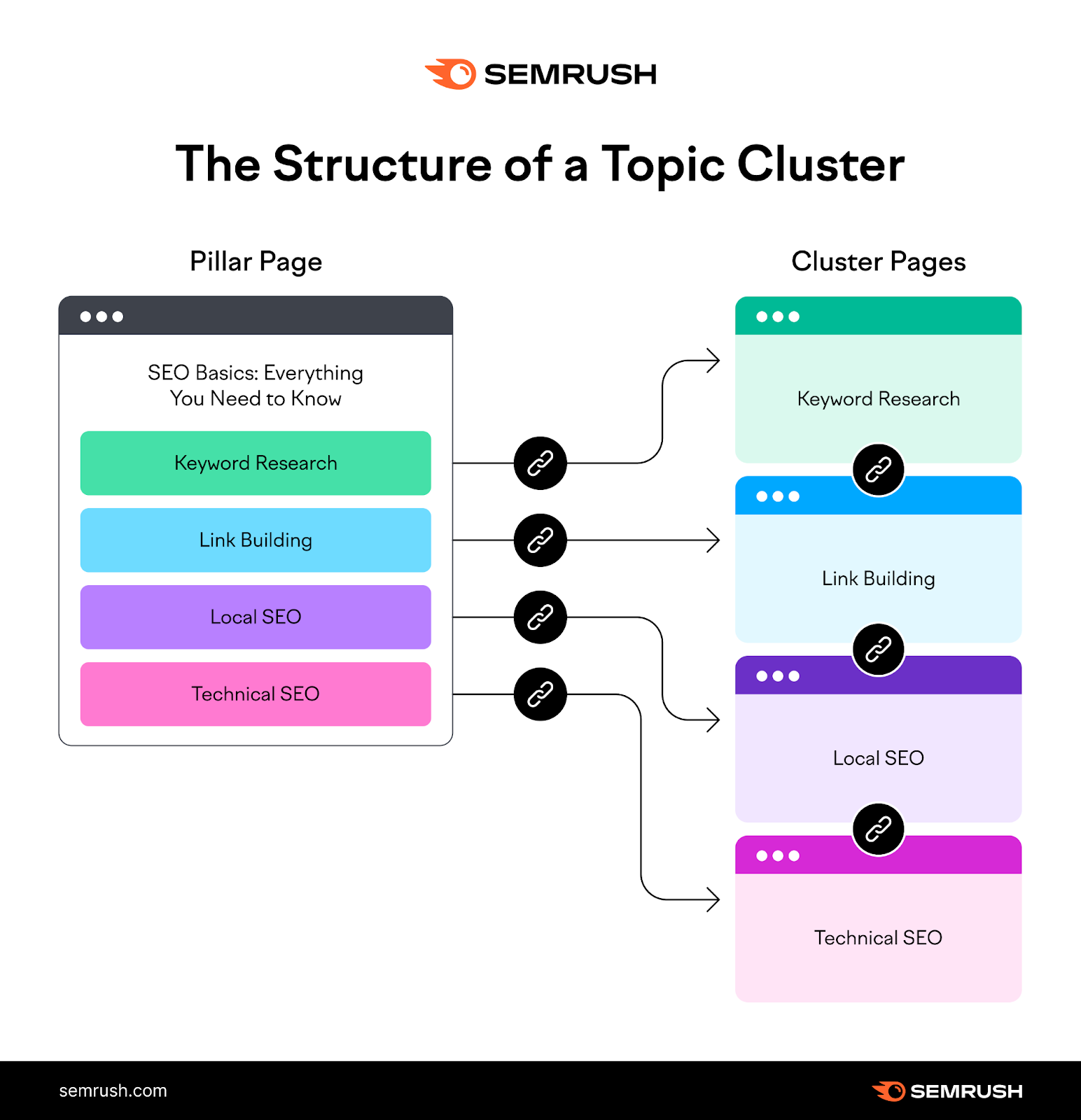
What to do first: Create one strong pillar page for your chosen core topic. Then, identify 3-5 critical supporting articles that address key sub-topics or common questions. Prioritize internal linking from these supporting articles back to your pillar page.
What to delay: Creating dozens of supporting articles for every conceivable long-tail keyword. Build out the foundational pillar and core clusters first, then expand incrementally.
The Content Creation and Optimization Process
Building topical authority isn’t just about structure; it’s about the quality and depth of your content.
- Depth Over Quantity: Focus on creating truly comprehensive, valuable content that answers user intent thoroughly. This means going beyond surface-level information.
- Leverage AI Tools Smartly: Use AI for initial research, outlining, and drafting. Tools can help identify common questions and related entities. However, human expertise is non-negotiable for adding unique insights, nuance, and ensuring accuracy and E-E-A-T (Experience, Expertise, Authoritativeness, Trustworthiness). Remember, Google explicitly values human-generated, helpful content. E-E-A-T guidelines
- Regular Updates: Content isn’t static. Regularly review and update your pillar pages and supporting articles to ensure accuracy, freshness, and continued relevance. Expand sections, add new data, or address emerging questions.
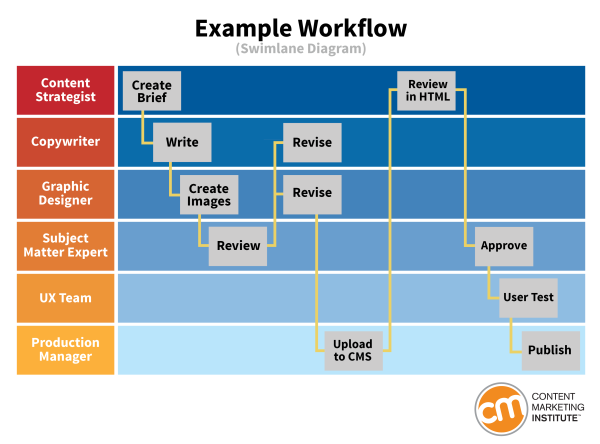
What to avoid: Producing thin, superficial content just to hit a word count. Avoid keyword stuffing or creating content solely for search engines without considering the human reader. This dilutes your authority and wastes resources.
Measuring Success and Adapting Your Strategy
For SMBs, measuring success needs to be practical and actionable, not overly complex.
- Key Metrics: Focus on organic traffic to your pillar pages and entire topical clusters. Track keyword rankings for your pillar pages and the aggregate ranking performance of your cluster keywords. Monitor user engagement metrics like time on page and bounce rate to gauge content quality.
- Iterative Improvement: Analyze which content pieces perform well and which don’t. Use this data to refine your content strategy, identify gaps in your clusters, or improve existing articles.
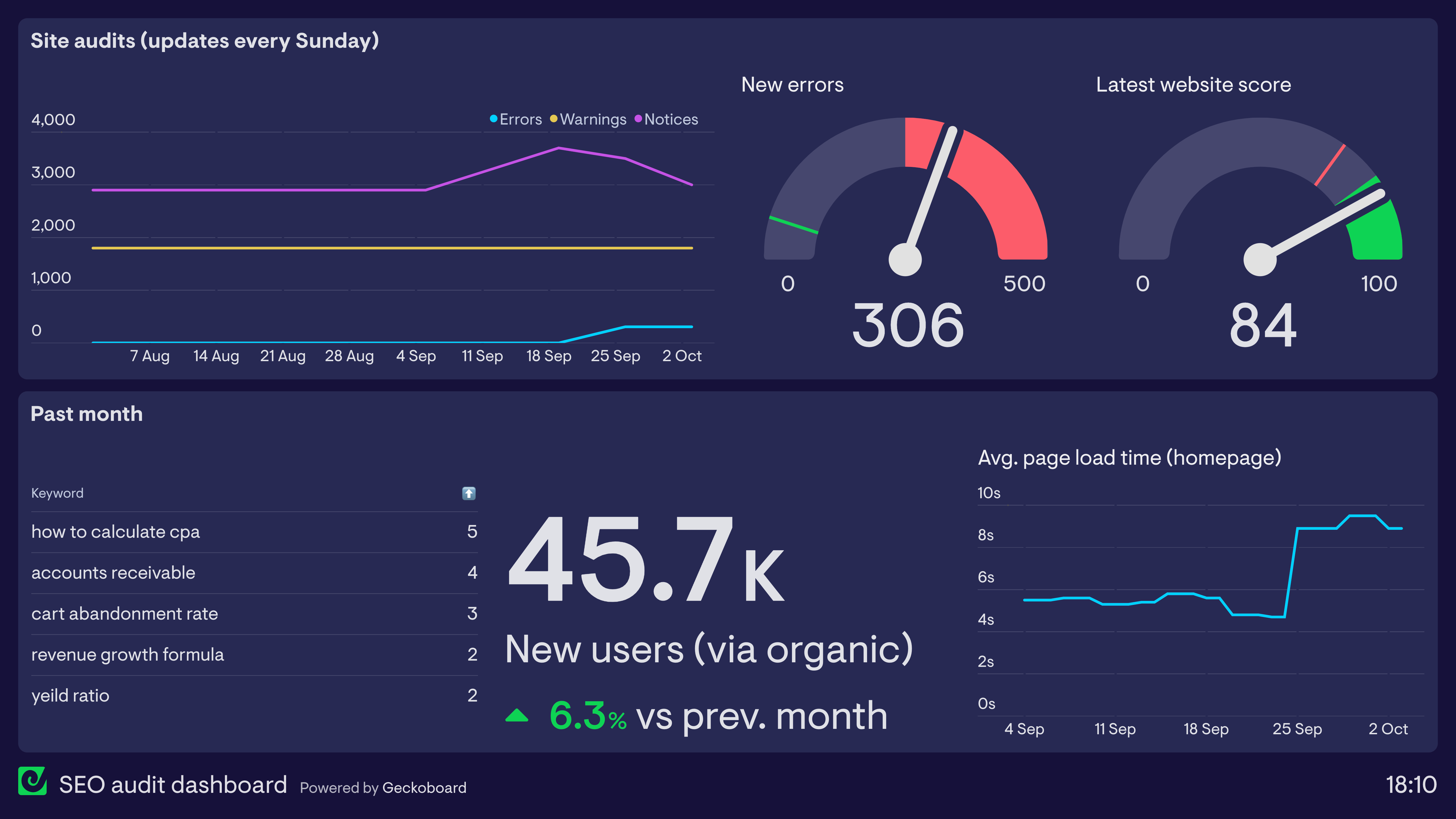
What to deprioritize or skip today: Avoid getting bogged down in complex attribution models or chasing every minor ranking fluctuation. For SMBs, the immediate focus should be on clear, measurable increases in organic traffic to your core topical clusters and improved rankings for your pillar pages. Don’t invest heavily in tools or consultants promising instant, granular insights if your foundational content isn’t yet robust. Prioritize execution over exhaustive analysis in the early stages.
Sustaining Your Authority and Growth
Topical authority is an ongoing commitment. Once you’ve established a strong foundation, continue to expand your clusters, deepen your content, and actively seek opportunities to earn external links from reputable sources. Focus on consistently delivering the best possible information in your chosen niches. This long-term perspective ensures your SEO efforts build lasting value and continue to drive business growth.



Leave a Comment