


Introduction: Crafting Marketing Plans on a Lean Budget
Many businesses, particularly startups and SMEs, face the challenge of marketing effectively with limited financial and human resources. The misconception that impactful marketing requires substantial investment often deters growth. However, strategic planning focused on high-impact, cost-efficient tactics can enable even lean operations to build brand awareness, attract customers, and drive revenue.
This MarketingPlux guide provides practical, actionable strategies for developing a robust marketing plan under budget constraints. We will explore leveraging digital tools, organic growth methods, and smart resource allocation to maximize your marketing ROI without overspending. The goal is to empower you with an executable plan that delivers tangible results.
Assessing Constraints and Identifying Opportunities
A candid assessment of your current situation is the first step. Clearly define your budget limitations, available human resources (time, skills), and existing assets (website, social media presence). Simultaneously, pinpoint your unique selling proposition (USP) and precisely define your ideal customer. These elements form the bedrock of a realistic and effective marketing strategy.
Understanding your target audience’s demographics, psychographics, and online behavior dictates the most effective channels and messaging. A strong USP allows differentiation without massive ad spend. Focus on what makes you unique and how it solves a specific customer problem to guide your resource allocation.

Strategic Prioritization and Focused Objectives
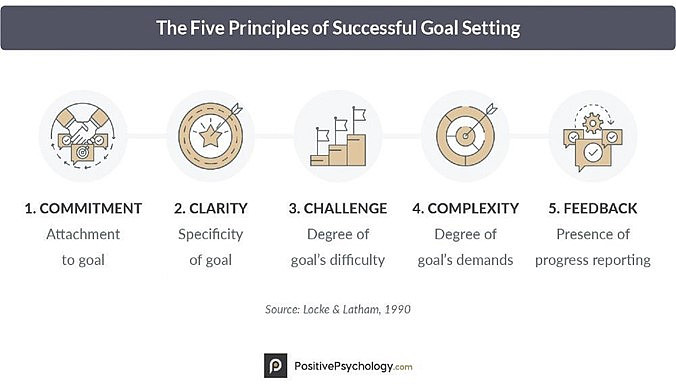
With limited resources, resist the urge to pursue every marketing avenue. Effective lean marketing demands ruthless prioritization. Establish clear, measurable, achievable, relevant, and time-bound (SMART) marketing objectives that directly align with your business goals, such as increasing website traffic by 20% or generating 50 qualified leads per quarter.
Once objectives are set, identify the 2-3 most impactful marketing channels offering the best potential ROI for your specific audience and goals. Concentrate your efforts on excelling in these select few channels rather than spreading resources thinly. This focused approach ensures deeper engagement and better performance within your budget.

Maximizing Impact Through Digital Channels
Digital marketing offers unparalleled opportunities for budget-conscious businesses due to its cost-effectiveness, precise targeting, and measurable results. Channels like SEO, content marketing, social media, and email marketing are powerful when executed strategically. They enable direct audience engagement and provide valuable data for continuous optimization.
Choose channels where your target audience is most active and where you can realistically compete. Organic SEO, for instance, yields long-term traffic without continuous ad costs, while a well-managed social media presence fosters community. Each digital channel offers distinct advantages that can be harnessed for a comprehensive, budget-friendly marketing ecosystem.

Content Marketing: Your Budget-Friendly Growth Engine
Content marketing is a highly effective strategy for businesses with limited budgets. By creating valuable, relevant, and consistent content, you attract and retain a defined audience, ultimately driving profitable customer action. This includes blog posts, guides, infographics, or social media updates that address audience pain points, not necessarily expensive video productions.
Prioritize evergreen content that remains relevant over time, providing continuous value and attracting organic search traffic. Repurpose existing content across different formats and platforms (e.g., a blog post into social snippets or an email series) to maximize reach and lifespan. This approach minimizes creation costs while amplifying impact.

SEO Fundamentals for Sustainable Organic Traffic
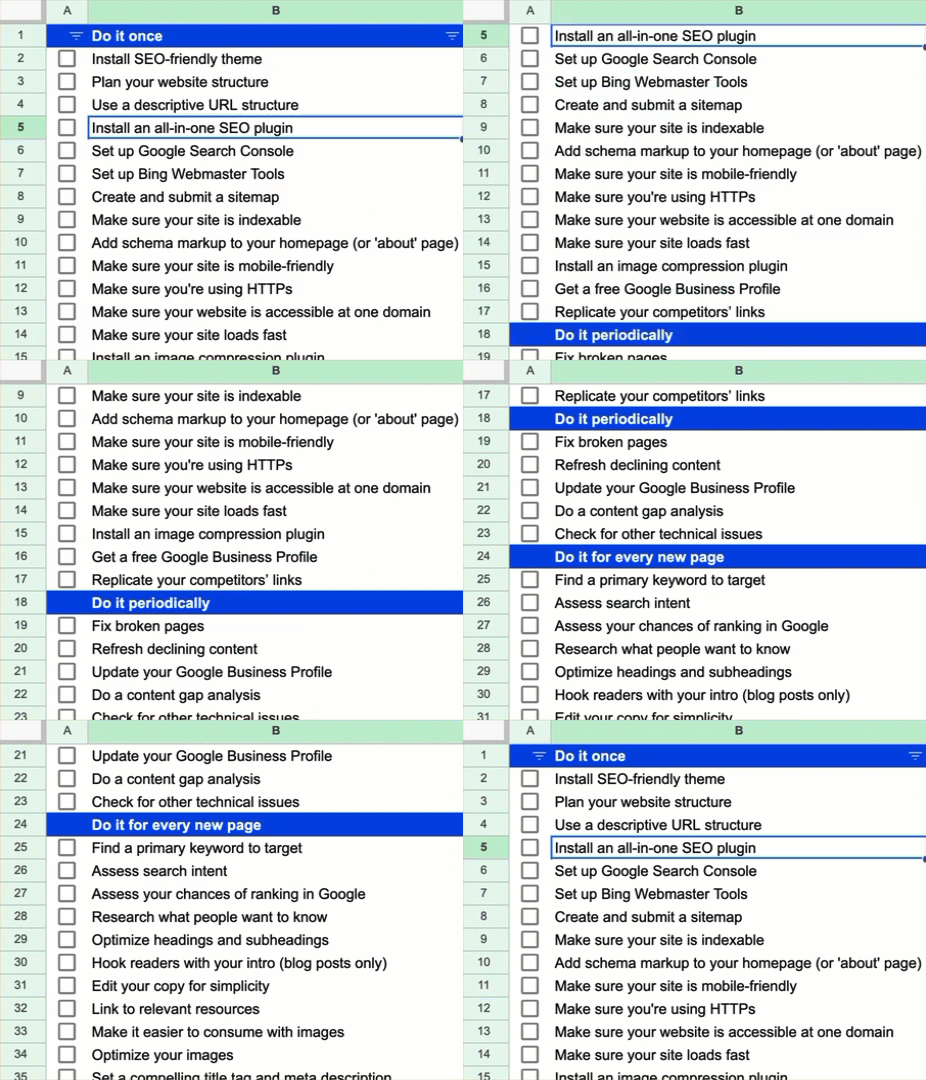
Search Engine Optimization (SEO) is crucial for long-term organic traffic, and many foundational tasks require effort more than direct financial outlay. Begin with thorough keyword research to identify terms your target audience uses. Focus on long-tail keywords for lower competition and higher conversion intent.
Implement on-page SEO best practices: optimize titles, meta descriptions, headings, and content with target keywords. Ensure your website is mobile-friendly, loads quickly, and offers a good user experience. Building high-quality backlinks organically through valuable content and outreach also significantly boosts search rankings over time.
Social Media Marketing: Engagement Over Expenditure
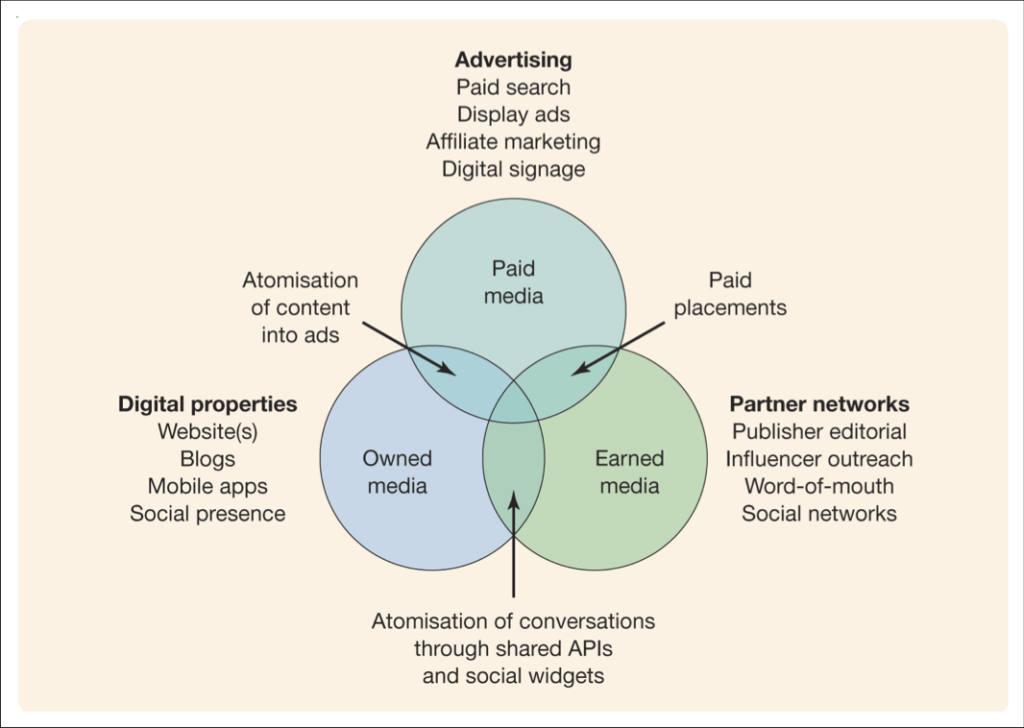
For businesses on a tight budget, social media marketing should prioritize organic engagement and community building over paid advertising. Identify platforms where your target audience is most active and concentrate efforts there. Consistency in posting, interacting with followers, and sharing valuable content are more critical than a large follower count.
Leverage user-generated content, run polls, and participate in relevant online conversations to increase visibility and build relationships. While paid ads accelerate growth, a strong organic foundation ensures brand loyalty without continuous ad spend. Consider collaborating with micro-influencers for cost-effective reach.
Email Marketing: High ROI Direct Communication
Email marketing consistently delivers one of the highest returns on investment (ROI) among digital channels, making it indispensable for budget-conscious marketers. Building an email list allows direct communication with interested prospects and customers, fostering loyalty and driving repeat business. Many platforms offer free tiers for smaller lists, ensuring accessibility.
Develop a clear strategy for list building (e.g., website pop-ups, lead magnets) and content delivery. Segment your audience for personalized, relevant messages, which significantly increases open and click-through rates. Use email to share valuable content, promote offers, and nurture leads without incurring per-click advertising costs.

Strategic Partnerships and Collaborations
Strategic partnerships and collaborations offer a highly cost-effective way to expand reach and tap into new audiences without direct advertising spend. Identify complementary businesses or individuals (e.g., non-competing businesses, industry experts) whose audience aligns with yours. This can involve co-hosting webinars, cross-promoting content, or offering joint discounts.
Consider affiliate marketing programs where you pay only for results (e.g., sales, leads). Micro-influencers often work for product samples or smaller fees. These symbiotic relationships allow both parties to benefit from shared exposure and credibility, amplifying marketing efforts without depleting your budget.
Measurement, Analysis, and Iteration
Even with limited resources, measuring marketing performance is crucial. Utilize free analytics tools like Google Analytics to track website traffic, user behavior, and conversion rates. Monitor social media insights and email platform reports to understand what resonates and what doesn’t.
Regularly review your key performance indicators (KPIs) against SMART objectives. This data-driven approach helps identify underperforming tactics and reallocate resources to those delivering the best results. Agile marketing, characterized by continuous testing, learning, and adaptation, maximizes the efficiency of every dollar and hour spent.

Building for Long-Term Success with Agile Marketing
Creating a marketing plan with limited budget is an ongoing process of adaptation and optimization, not a one-time event. Embrace an agile mindset, allowing your plan to evolve based on performance data, market feedback, and emerging opportunities. Continuously seek new, cost-effective tools and strategies, especially those leveraging AI for content generation, data analysis, or campaign optimization, which have become increasingly accessible.
Focus on building strong audience relationships, delivering consistent value, and maintaining brand authenticity. By prioritizing strategic thinking, leveraging digital channels intelligently, and committing to continuous improvement, even the smallest businesses can establish a powerful market presence and achieve sustainable growth. Limited resources can truly be a catalyst for innovation and efficiency.


Leave a Comment