


The Maturing Landscape of Business Crypto Payments
As of late 2025, cryptocurrency payments have moved beyond niche adoption, evolving into a legitimate consideration for businesses seeking innovative payment solutions. While volatility and regulatory uncertainty remain factors, advancements in payment processing technology and a growing understanding of digital assets have made crypto a more viable option for various enterprises. This article delves into the practical aspects, exploring the real-world use cases, inherent risks, and the current reality of integrating crypto payments into your business operations.
For businesses operating in a globalized digital economy, the appeal of crypto payments lies in their potential to reduce transaction fees, accelerate cross-border transfers, and attract a tech-savvy customer base. However, a strategic approach is crucial. Understanding the underlying mechanisms, potential pitfalls, and the specific contexts where crypto offers a genuine advantage is key to successful implementation and avoiding common missteps.
Understanding Crypto Payments for Business
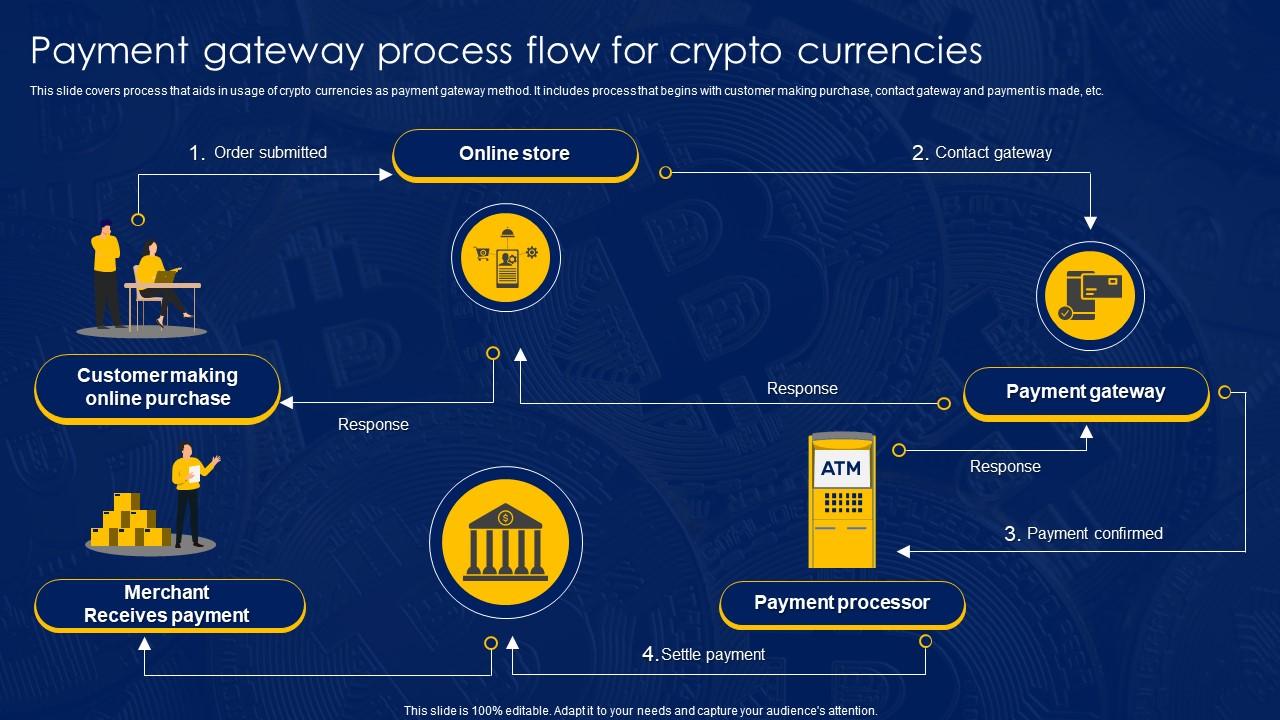
Crypto payments for businesses involve accepting digital currencies like Bitcoin, Ethereum, or stablecoins (e.g., USDT, USDC) as a form of payment for goods or services. This can be facilitated in two primary ways: direct wallet-to-wallet transfers or, more commonly, through third-party crypto payment processors. These processors act similarly to traditional credit card processors, converting crypto to fiat currency instantly or holding it as crypto, depending on the business’s preference.
The core technology enabling these transactions is blockchain, a decentralized and immutable ledger. This distributed nature can offer benefits such as enhanced security and transparency, though it also introduces complexities like irreversible transactions. Stablecoins, pegged to fiat currencies like the US dollar, have significantly mitigated the volatility risk for businesses, making them a preferred choice for many commercial transactions today.
Key Use Cases for Businesses
One of the most compelling use cases for crypto payments is facilitating international transactions. Traditional cross-border payments often involve high fees, slow processing times, and complex banking intermediaries. Crypto, particularly stablecoins, can bypass these hurdles, enabling faster and cheaper global commerce, which is especially beneficial for e-commerce businesses with an international customer base or suppliers.
Furthermore, accepting crypto can open businesses to new customer demographics – specifically, the growing segment of individuals who prefer or exclusively use digital assets. This can enhance brand perception as forward-thinking and innovative. For certain industries, such as digital goods, gaming, or services with high chargeback rates, crypto payments can also offer a layer of finality, reducing the risk of fraudulent reversals compared to traditional payment methods.

Navigating the Risks and Challenges
Despite the advantages, businesses must carefully consider the inherent risks. Volatility, while mitigated by stablecoins, remains a concern for businesses holding speculative cryptocurrencies. Fluctuations can impact revenue recognition and financial planning. Regulatory uncertainty is another significant challenge; the legal landscape for digital assets is still evolving globally, requiring businesses to stay informed about compliance, KYC (Know Your Customer), and AML (Anti-Money Laundering) requirements in various jurisdictions.
Security is paramount. Businesses must implement robust measures to protect crypto assets, including secure wallet management, multi-factor authentication, and protection against cyber threats. Technical complexity can also be a barrier, requiring staff training and potentially new accounting systems to manage crypto transactions and their tax implications. Accurate tax reporting for crypto can be intricate, often requiring specialized software or professional advice.

Implementing Crypto Payments: Practical Steps
For businesses considering crypto payments, the first practical step is to select a reputable crypto payment processor. Key criteria for selection include supported cryptocurrencies, transaction fees, ease of integration with existing e-commerce platforms or POS systems, settlement options (fiat or crypto), and compliance features. Popular processors offer APIs and plugins that simplify the technical setup, often providing instant conversion to fiat to minimize volatility risk.
Concurrently, businesses should consult with legal and tax professionals to understand the specific implications of accepting crypto in their region. This includes clarifying how crypto income is taxed, whether it’s considered property or currency, and any reporting obligations. Finally, clear communication with customers about accepted cryptocurrencies, exchange rates, and refund policies is essential for a smooth transaction experience and building trust.

The Reality: Who Benefits Most (and Least)?
Businesses that benefit most from crypto payments typically include e-commerce platforms with a global reach, companies in industries with high traditional payment processing fees, and those targeting a tech-savvy, early-adopter demographic. High-value transactions, where traditional bank transfers might be slow or costly, also find an advantage in crypto. Businesses operating in regions with underdeveloped banking infrastructure can also leverage crypto for broader financial inclusion.
Conversely, local brick-and-mortar stores with low average transaction values and a customer base unfamiliar with crypto may find the overhead and complexity outweigh the benefits. Businesses with highly risk-averse customers or those operating in heavily regulated sectors with strict financial compliance might also face significant hurdles. A careful cost-benefit analysis, tailored to the specific business model and target market, is crucial before adoption.

Strategic Outlook: Integrating Digital Assets for Growth
Looking ahead, the integration of digital assets into business operations is likely to deepen, extending beyond mere payment acceptance. We anticipate further maturation of regulatory frameworks, potentially leading to greater clarity and stability. The rise of Central Bank Digital Currencies (CBDCs) and tokenized assets could also reshape the payment landscape, offering new avenues for efficiency and innovation that businesses should monitor.
For MarketingPlux readers, the strategic imperative is to approach crypto payments not as a fleeting trend, but as a potential component of a diversified payment strategy. Businesses should focus on measured adoption, starting with use cases that offer clear advantages and scaling as the ecosystem evolves. Staying informed about technological advancements and regulatory shifts will be critical for leveraging digital assets to drive sustainable growth and competitive advantage in the coming years.


Leave a Comment