

The subscription economy isn’t just for tech giants; it’s a viable path for small to mid-sized digital businesses to build predictable revenue and deeper customer relationships. This article cuts through the noise, offering actionable strategies to launch or optimize your subscription model, focusing on what truly drives growth and retention with limited resources.
You’ll gain insights into prioritizing efforts, making smart trade-offs, and understanding which strategies deliver real value versus those that drain time and budget without significant returns. Our goal is to equip you with the practitioner’s judgment needed to thrive in this evolving landscape.
Why Subscriptions Matter for Your Business Today
In 2026, the shift from transactional sales to recurring revenue models is more than a trend; it’s a strategic imperative for stability and growth. For SMBs, subscriptions offer several critical advantages:
- Predictable Revenue: Consistent income streams simplify financial planning and investment decisions.
- Higher Customer Lifetime Value (CLTV): Retaining customers over time dramatically increases their overall value compared to one-off purchases.
- Deeper Customer Relationships: Ongoing engagement fosters loyalty, feedback, and opportunities for upselling or cross-selling.
- Data-Driven Optimization: Recurring interactions provide rich data for understanding customer behavior and improving your offering.
This model allows you to build a business on sustained value delivery, rather than constantly chasing new sales.
Choosing the Right Subscription Model for Your Offering
Not all subscription models are created equal, and selecting the right one is crucial. For SMBs, simplicity and alignment with your core value proposition are key. Consider these common types:
- Access/SaaS Model: Customers pay for ongoing access to a digital product or service (e.g., software, exclusive content, online courses). This is ideal if your core offering is a digital tool or information.
- Usage-Based Model: Pricing scales with how much a customer uses your service (e.g., data storage, API calls, credits). This works well when value directly correlates with consumption.
- Curated/Membership Model: Customers receive a selection of products, content, or exclusive benefits regularly (e.g., digital content bundles, premium community access). This thrives on discovery and exclusivity.
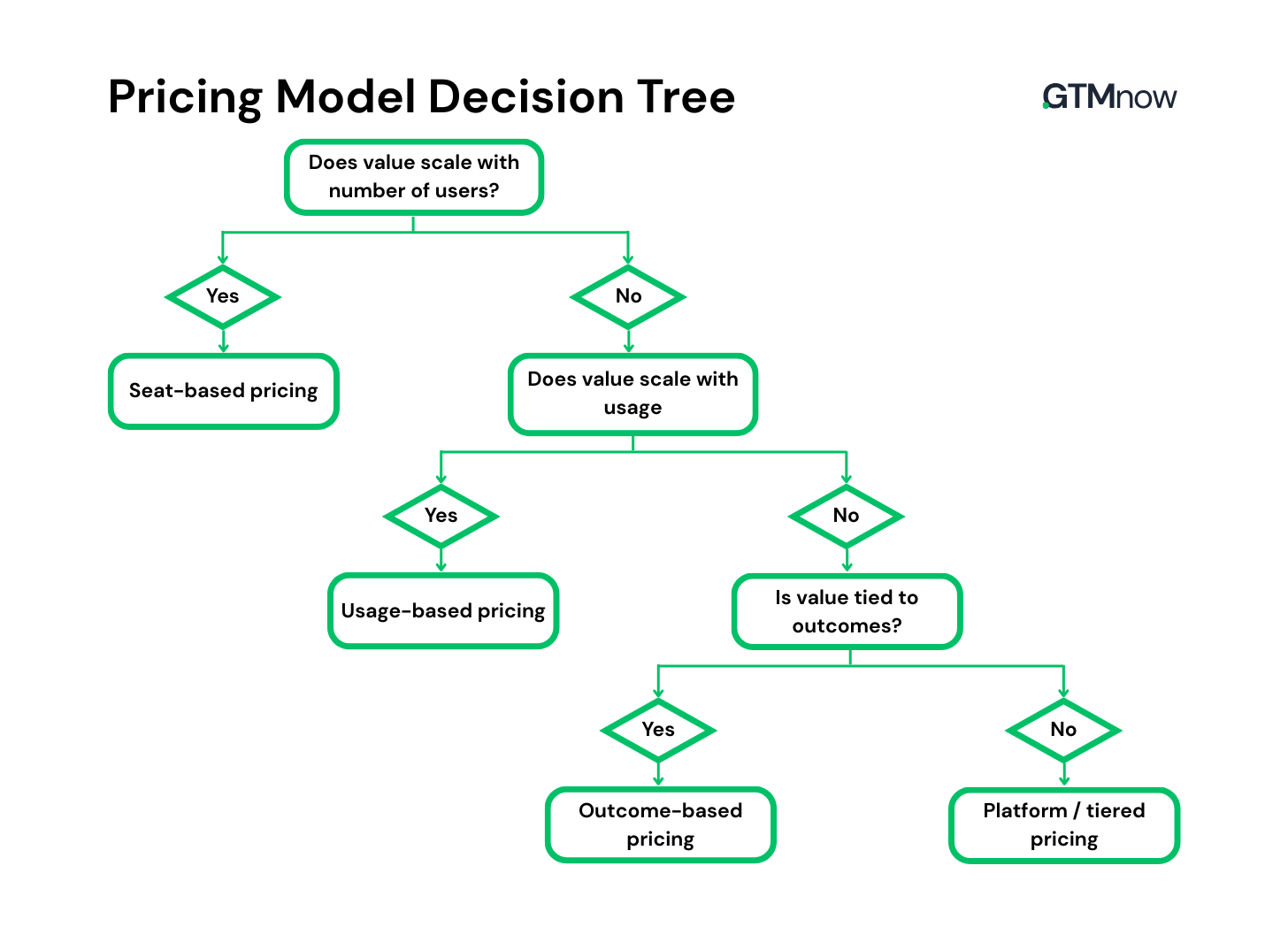
Your choice should directly reflect how your customers derive value. Don’t force a model that doesn’t fit your product or service naturally. Start with the simplest model that delivers your core value.
Prioritizing Retention Over Acquisition: The Subscription Imperative
For any subscription business, retention is paramount. A high churn rate will quickly negate any gains from new customer acquisition. As a practitioner, your initial focus must be on delivering consistent value and minimizing reasons for customers to leave.
- Flawless Onboarding: Ensure new subscribers quickly understand and experience the core value of your offering. A poor first impression leads to early churn.
- Continuous Value Delivery: Regularly update content, improve features, or enhance service to keep the offering fresh and valuable.
- Proactive Customer Support: Address issues quickly and efficiently. Happy customers are retained customers.
- Feedback Loops: Actively solicit and act on customer feedback to identify pain points and areas for improvement.
It’s a common mistake for SMBs to pour resources into aggressive acquisition campaigns while their retention strategy is weak. This is akin to filling a leaky bucket. Before scaling acquisition, ensure your churn rate is manageable and your existing customers are genuinely satisfied. This means focusing on customer success and product improvements first.
What often gets overlooked is the cumulative, corrosive effect of persistent churn on the entire business, not just the bottom line. Beyond the direct revenue loss, high churn creates a constant treadmill effect for your team. It saps morale, as every new customer acquired feels like replacing one that just left. This constant pressure to acquire new logos can divert critical resources and attention away from product improvements and customer success initiatives, trapping the business in a cycle where it’s always running, but rarely advancing.
Another common pitfall is focusing solely on explicit cancellations while ignoring “silent churn.” These are customers who remain subscribed but have stopped actively engaging or deriving value. They’re ticking time bombs, often cancelling at the next renewal cycle without prior warning, making them harder to re-engage. The internal pressure to demonstrate growth, often measured by new customer acquisition, frequently overrides the more difficult, less glamorous work of understanding and re-engaging these disengaged users. This creates a tension where teams are incentivized to chase new numbers rather than solidify the existing base.
For small to mid-sized businesses, it’s crucial to deprioritize overly complex, data-intensive churn prediction models or highly segmented, automated re-engagement flows in the initial stages. While these have their place, they often consume significant resources and time that would be better spent on fundamental improvements. Instead, focus on the basics: ensuring your core product delivers undeniable value, simplifying the onboarding experience to reduce early drop-offs, and providing genuinely proactive and empathetic customer support. Address the obvious leaks before investing in sophisticated plumbing.
Practical Pricing Strategies for Sustainable Growth
Pricing isn’t just a number; it communicates value and drives your business model. For SMBs, the goal is to find a price point that reflects your value, covers costs, and allows for growth, without overcomplicating things.
- Value-Based Pricing: Price your offering based on the perceived value it delivers to the customer, not just your costs. What problem are you solving, and what is that solution worth to them?
- Tiered Pricing: Offer 2-3 distinct tiers (e.g., Basic, Pro, Premium) with clear feature differences. This allows you to cater to different customer segments and upsell as needs grow. Avoid too many tiers, which can cause decision paralysis.
- Transparent Pricing: Be clear about what’s included in each tier and any additional costs. Hidden fees erode trust.
Don’t be afraid to test and iterate on your pricing. Small adjustments can have significant impacts on both acquisition and retention. Consider offering annual discounts to incentivize longer commitments and improve cash flow.
Operationalizing Your Subscription Business Efficiently
Running a subscription business requires specific operational capabilities, even for lean teams. Focus on tools and processes that automate repetitive tasks and provide essential insights.
- Subscription Billing & Management: Invest in a reliable platform that handles recurring payments, prorations, upgrades, downgrades, and cancellations. This is non-negotiable. Many CRM platforms now offer integrated solutions. subscription billing and CRM integration
- Customer Relationship Management (CRM): A CRM helps you track customer interactions, manage support tickets, and identify at-risk customers. Start with a simple, scalable solution.
- Automated Communication: Set up automated emails for onboarding, payment reminders, renewal notices, and win-back campaigns for canceled subscribers.
The key here is efficiency. Automate what you can to free up your limited team for higher-value activities like customer engagement and product development.
What to Delay or Avoid Today
With limited resources, making smart choices about what *not* to do is as important as deciding what to do. For SMBs in the subscription economy, here’s where to exercise caution:
Avoid: Overly complex pricing matrices with dozens of add-ons or highly granular usage tiers. While tempting to capture every possible revenue stream, this often confuses potential customers, complicates your billing system, and increases support overhead. Simplicity drives adoption and reduces churn.
Delay: Investing heavily in advanced AI-driven personalization engines or predictive churn analytics. While powerful, these tools require significant data volume, technical expertise, and integration effort. Until you have a solid customer base, a clear understanding of your core value proposition, and a stable churn rate, focus on basic segmentation and manual outreach. Your resources are better spent on product improvements and direct customer feedback loops.
Delay: Launching aggressive, high-cost paid acquisition campaigns if your product’s core value isn’t fully validated or your churn rate is still high. Acquiring customers only to lose them quickly is a direct path to burning through your budget without sustainable growth. Prioritize proving your value and retaining existing customers first.
Measuring What Truly Matters for Growth
Beyond basic Monthly Recurring Revenue (MRR), several key metrics provide a clearer picture of your subscription business’s health and growth potential. Focus on these to guide your strategic decisions:
- Customer Lifetime Value (CLTV): This metric tells you the total revenue you can expect from a single customer account over their relationship with your business. It’s crucial for understanding your acquisition budget and long-term profitability. calculating customer lifetime value
- Churn Rate: The percentage of subscribers who cancel or don’t renew within a given period. High churn is a red flag and indicates issues with value, onboarding, or support.
- Customer Acquisition Cost (CAC): The average cost to acquire a new customer. Compare this to your CLTV to ensure your business model is sustainable.
- Engagement Metrics: Depending on your product, track active users, feature usage, content consumption, or login frequency. High engagement correlates strongly with retention.
These metrics, when tracked consistently, provide the insights needed to make informed decisions about where to allocate your limited resources for maximum impact.



Leave a Comment