

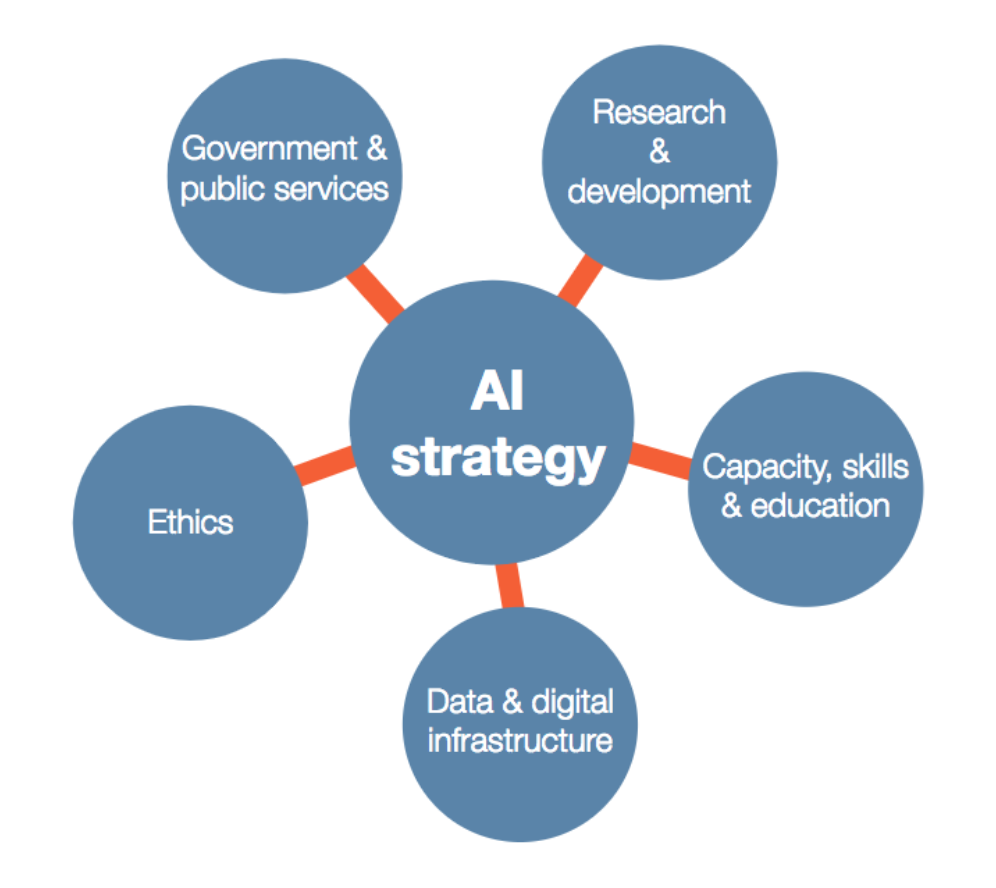
Implementing AI responsibly isn’t just about compliance; it’s a strategic imperative for small to mid-sized businesses aiming for sustainable digital growth. This article cuts through the noise to offer practical guidance on integrating AI ethically, focusing on what delivers real value under real-world constraints. You’ll learn how to prioritize AI initiatives, navigate ethical challenges, and make informed trade-offs to protect your brand and drive revenue, all while working with limited budgets and teams.
We’ll focus on actionable steps you can take today to leverage AI’s power without falling into common ethical or operational traps. The goal is to equip you with the judgment to make smart decisions, ensuring your AI efforts contribute positively to your business and customer relationships.
Why Responsible AI Matters for Your Business Growth
For SMBs, the conversation around AI often centers on efficiency and cost savings. While true, overlooking the ethical dimension can quickly erode customer trust, damage your brand reputation, and even lead to legal complications. Responsible AI isn’t a luxury; it’s foundational for long-term growth.
- Building Trust: Customers are increasingly aware of how their data is used. Transparent and ethical AI practices foster trust, which is invaluable for retention and referrals.
- Mitigating Risk: Unchecked AI can perpetuate biases, make unfair decisions, or misuse data. For an SMB, a single misstep can have disproportionate consequences.
- Sustainable Innovation: Ethical considerations guide you toward AI applications that truly serve your customers and business, rather than just chasing fleeting trends.
Prioritizing AI Initiatives: Where to Start Smart
With limited resources, choosing the right AI initiatives is critical. Focus on areas where AI can deliver clear, measurable value with manageable ethical overhead. Start with internal processes or customer-facing tasks that are repetitive and have clear rules.
- Customer Service Automation: Implementing AI-powered chatbots for FAQs or routing customer inquiries can free up your team for more complex issues. This improves response times and customer satisfaction without deep ethical complexities if designed well.
- Content Augmentation: Use AI tools to assist with drafting marketing copy, social media posts, or blog outlines. The human team remains in control of final review and publication, ensuring brand voice and accuracy.
- Data Analysis for Personalization: Leverage AI to analyze existing customer data (with proper consent) to identify purchasing patterns or preferences. This can inform targeted marketing campaigns and product recommendations, driving sales.
The key here is to select projects where human oversight remains robust and the impact of potential AI errors is low. Think of AI as an assistant, not a replacement.
Core Ethical Considerations for SMBs
Even with limited AI deployment, certain ethical considerations are non-negotiable. These aren’t abstract concepts; they directly impact your business operations and customer relationships.
- Data Privacy and Security: Understand what data your AI tools collect, how it’s stored, and who has access. Always prioritize customer consent and data anonymization where possible. Ensure your AI vendors comply with relevant data protection regulations.
- Bias Mitigation: AI models learn from data, and if that data is biased, the AI will reflect it. For SMBs, this means being aware of potential biases in customer segmentation, marketing targeting, or even hiring tools. Regularly review AI outputs for fairness and unintended discrimination.
- Transparency and Explainability: Where AI impacts customer decisions (e.g., product recommendations, personalized offers), strive for transparency. Can you explain why the AI made a particular suggestion? This builds trust.
- Accountability: Establish clear internal guidelines for who is responsible when an AI system makes an error or produces an undesirable outcome. Human accountability is paramount, especially for SMBs where every customer interaction counts.
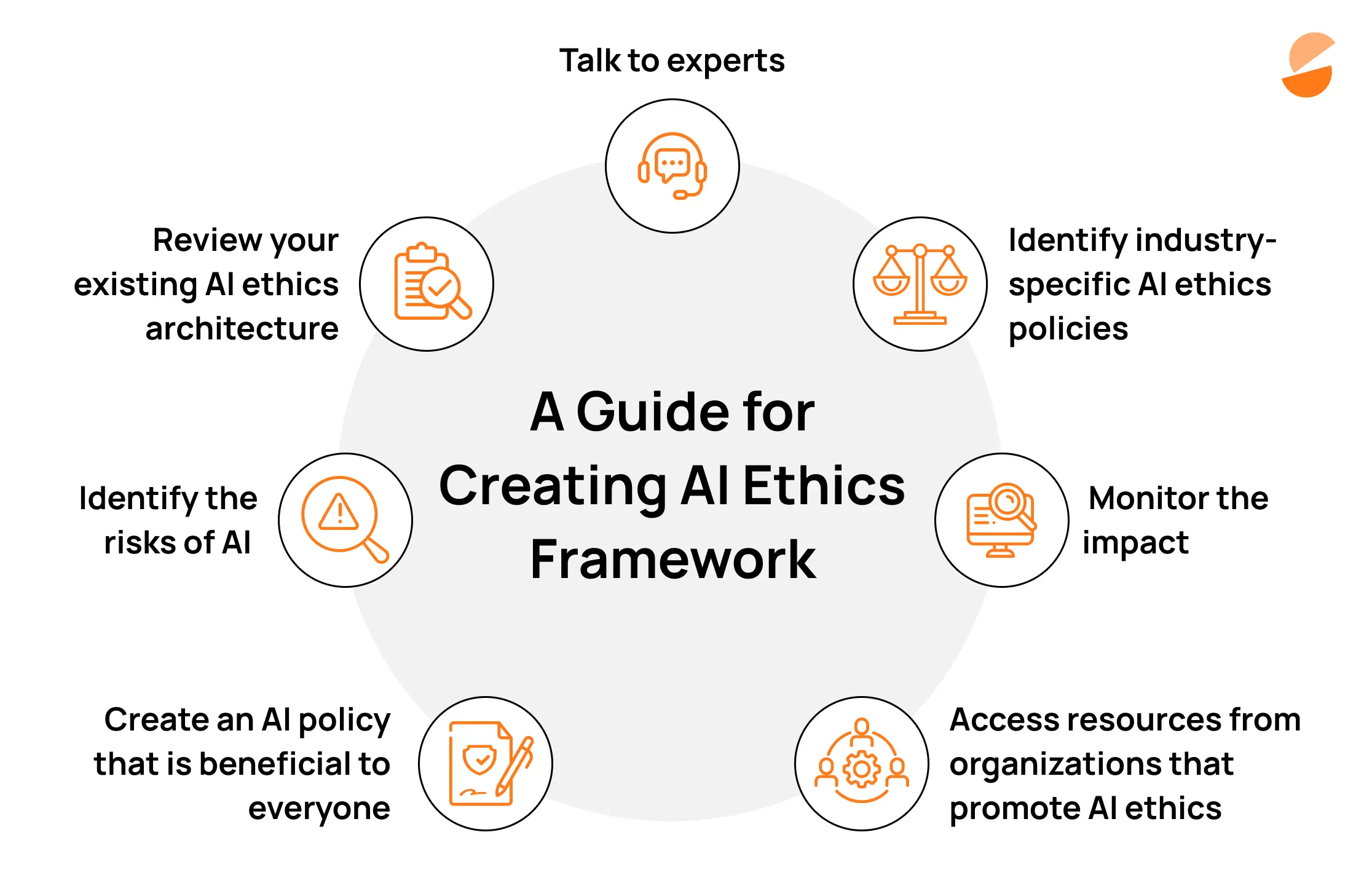
Operationalizing Responsible AI: Practical Steps
Translating ethical principles into daily operations requires a pragmatic approach. Don’t aim for perfection; aim for continuous improvement.
- Start Small, Learn Fast: Begin with pilot projects. Test AI tools with a small segment of your operations or customer base. Gather feedback, identify issues, and refine your approach before scaling.
- Maintain Human Oversight: For any AI-driven process, ensure there’s a human in the loop. This means human review of AI-generated content, human intervention for complex customer service issues, or human validation of AI-driven insights.
- Develop Internal Guidelines: Create simple, clear policies for your team on how to use AI tools, what data can be fed into them, and how to review their outputs. This doesn’t need to be a legal document; a practical “do’s and don’ts” guide is sufficient.
- Vet Your Vendors: If you’re using third-party AI tools, ask critical questions about their data privacy policies, security measures, and how they address ethical concerns. A reputable vendor is a partner in your responsible AI journey. AI vendor selection guide
What to Deprioritize (and Why)
Given limited resources, knowing what to avoid or delay is as important as knowing what to do. For SMBs, chasing every AI trend is a recipe for wasted budget and operational headaches.
Deprioritize:
- Fully Autonomous Critical Systems: Avoid implementing AI systems that make critical business or customer-facing decisions (e.g., loan approvals, complex legal advice, hiring decisions) without significant human oversight and robust, proven ethical frameworks. The legal, reputational, and financial risks for an SMB are simply too high if an AI system makes a biased or incorrect decision.
- Large-Scale, Untested AI Deployments: Resist the urge to implement AI across your entire operation in one go. Without extensive testing, pilot phases, and clear metrics for success and ethical review, you risk disrupting your business and alienating customers. Start small, prove value, and then scale.
- AI Tools Without Clear Business Value: Don’t adopt AI just because it’s new or popular. Every AI tool or initiative should address a specific business problem, improve an existing process, or create a clear competitive advantage. If you can’t articulate the tangible ROI or ethical implications, it’s likely a distraction.
Focus your energy on AI applications that augment your team’s capabilities, solve clear pain points, and can be implemented with a high degree of human control and ethical review.
Measuring Impact and Adapting Responsibly
Responsible AI implementation is an ongoing process, not a one-time project. You need to measure its impact beyond just efficiency metrics.
- Track Customer Feedback: Monitor customer satisfaction related to AI interactions. Are chatbots helpful? Are personalized recommendations relevant? Use surveys and direct feedback to gauge sentiment.
- Audit for Bias and Fairness: Periodically review the outputs of your AI systems. Are marketing campaigns inadvertently excluding certain demographics? Are customer service responses consistent and fair across different user groups?
- Refine and Iterate: Use the data and feedback you collect to continuously improve your AI models and implementation strategies. Ethical AI is about learning and adapting.
By embedding these practices, your SMB can leverage AI to drive growth while building a reputation for trustworthiness and ethical innovation. AI ethics principles


Leave a Comment