

The shift to AI-powered search isn’t a future trend; it’s the current reality. For small to mid-sized businesses, this means traditional SEO tactics alone are no longer sufficient to secure digital visibility. This article cuts through the noise to provide actionable strategies, helping you prioritize your efforts and adapt your marketing to effectively reach customers in an AI-driven search environment.
By focusing on what truly matters, you’ll learn how to optimize your content for AI understanding, make informed decisions about resource allocation, and ensure your business remains discoverable and competitive without overextending your limited budget or team.
Understanding the Shift to AI-Powered Search
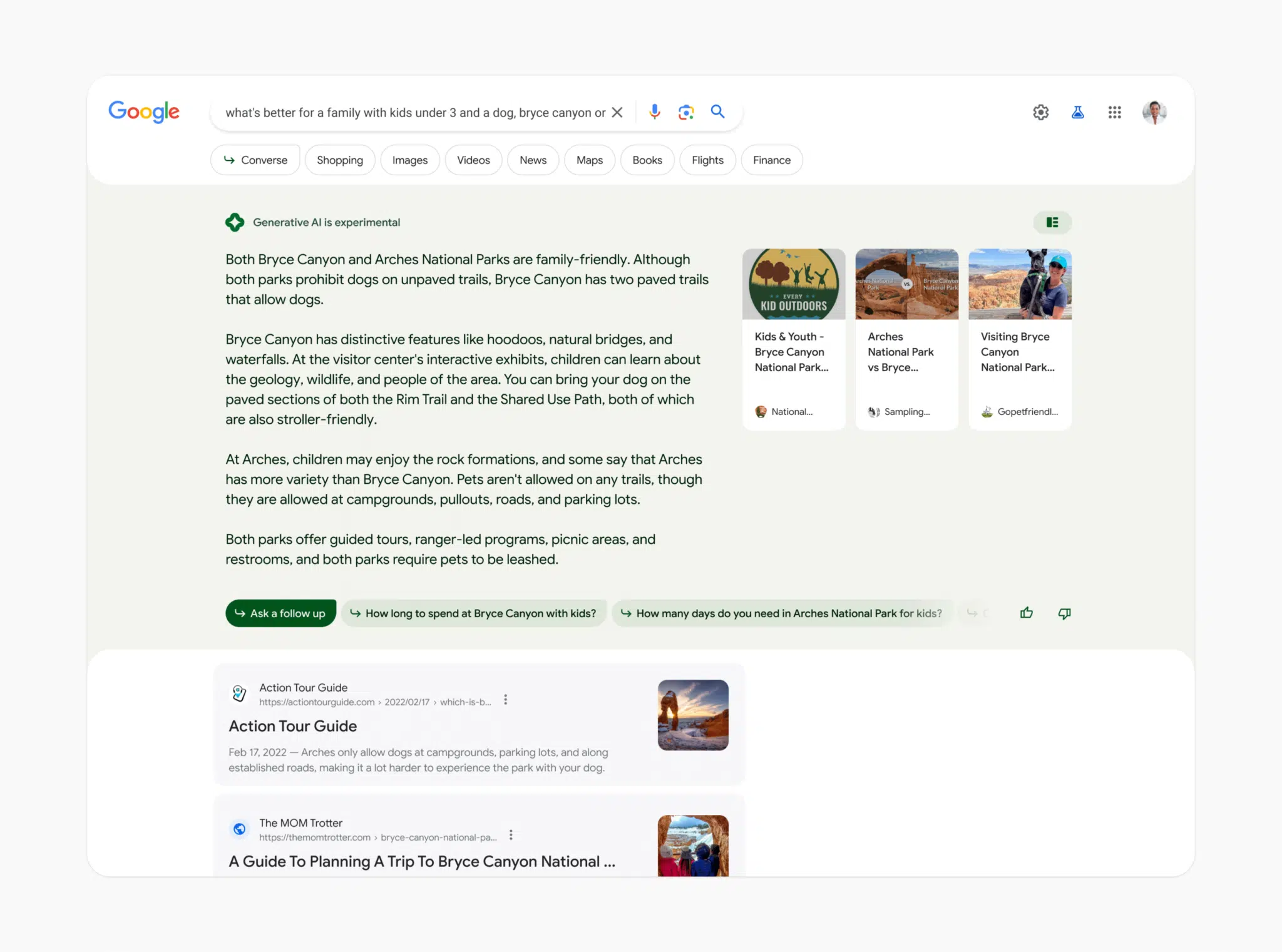
Today’s search engines, particularly Google with its Search Generative Experience (SGE), are moving beyond simple keyword matching. They leverage large language models (LLMs) to understand user intent, synthesize information from multiple sources, and generate direct, comprehensive answers. This means users often get their questions answered directly on the search results page, reducing clicks to external websites. Google Search Generative Experience
For your business, this fundamentally changes the game. Your goal isn’t just to rank high for a keyword; it’s to be the authoritative source that AI systems choose to extract information from and cite. This requires a deeper focus on content quality, context, and demonstrating genuine expertise.
Prioritizing Content for AI Search Visibility
In this new landscape, content is still king, but its definition has evolved. You need content that is not only relevant but also highly credible, comprehensive, and structured for AI comprehension.
- Authoritative & Comprehensive Answers: Focus on creating content that thoroughly answers specific user questions or addresses particular problems. Think of your content as a definitive guide on a narrow topic. AI models are trained on vast datasets and prioritize sources that demonstrate deep knowledge.
- Embrace E-E-A-T: Google’s emphasis on Experience, Expertise, Authoritativeness, and Trustworthiness (E-E-A-T) is more critical than ever. Showcase your team’s real-world experience, provide clear author bios, cite reputable sources, and ensure your information is accurate and up-to-date. This builds the trust AI needs to recommend your content. E-E-A-T best practices
- Structured Data (Schema Markup): This is non-negotiable. Implementing Schema.org markup helps search engines and AI understand the context and meaning of your content. Use it for products, services, FAQs, reviews, local business information, and articles. It’s like providing a cheat sheet to the AI.
- Long-Form, In-Depth Content: While not every piece needs to be an essay, content that explores a topic in depth tends to perform better. AI values comprehensive resources that leave no stone unturned, as these are more likely to provide a complete answer to a user’s query.
- User-Generated Content (UGC): Reviews, testimonials, and community discussions are powerful signals of trust and relevance. AI systems can analyze UGC to gauge sentiment and validate claims, making it an indirect but potent factor in your visibility. Encourage and manage reviews actively.
The emphasis on E-E-A-T, while crucial, often gets simplified in theory. In practice, truly demonstrating experience and trustworthiness isn’t a quick fix; it’s a sustained effort that requires genuine operational alignment. You can’t just add an author bio and call it done. It means consistently delivering on promises, transparently addressing issues, and having your team members genuinely involved in the content creation process. The hidden cost here is the organizational change and time investment required to build that authentic credibility, which often yields delayed, rather than immediate, search visibility gains. This can be a source of frustration for teams under pressure to show quick results.
Similarly, the drive for “long-form, in-depth content” can lead to an overlooked failure mode: content bloat. The goal is comprehensive answers, not just comprehensive word counts. Teams often fall into the trap of expanding content with tangential information or repeating points to hit an arbitrary length, diluting the core message. This makes the content harder for users to digest, more challenging for AI to extract precise answers from, and significantly increases the ongoing maintenance burden. What was intended as a definitive guide can quickly become an unwieldy resource that requires constant updates across numerous sections, straining limited team resources.
Given these realities, it’s critical to make pragmatic trade-offs. For most small to mid-sized businesses, attempting to overhaul every piece of existing content to meet these new AI-centric standards is a recipe for burnout and incomplete projects. Instead, deprioritize a full-scale content audit and rewrite of everything you’ve ever published. Focus your immediate efforts on identifying your top 10-20 most impactful pieces of content – those that already drive traffic, address high-value customer questions, or support core business objectives. Prioritize enhancing these pieces for E-E-A-T, structured data, and true comprehensiveness. For new content, be highly selective, ensuring each new piece is genuinely designed to be a definitive answer on a narrow topic, rather than broadly covering a wide area superficially. This focused approach yields better results with finite resources.
Adapting Your Technical SEO Foundation
While content strategy shifts, the technical foundation of your website remains crucial. AI still needs to find, crawl, and understand your site efficiently.
- Core Web Vitals & Site Speed: A fast, responsive website is paramount. Poor Core Web Vitals (Largest Contentful Paint, Cumulative Layout Shift, First Input Delay) will hinder both user experience and AI’s ability to process your content effectively. Prioritize optimizing images, server response times, and mobile responsiveness.
- Mobile-First Indexing: Ensure your mobile site offers the same content and user experience as your desktop version. AI primarily evaluates the mobile version of your site.
- Crawlability and Indexability: Use your robots.txt file and sitemaps strategically. Make sure important pages are easily discoverable by search engine crawlers. If AI can’t access or understand your content, it can’t recommend it.
What to Deprioritize and Why
For small to mid-sized teams with limited resources, knowing what to stop doing is as important as knowing what to start. Today, you should significantly deprioritize or even eliminate:
- Excessive Keyword Stuffing: The days of trying to cram as many exact-match keywords into your content as possible are over. AI understands natural language and context. Over-optimization for keywords will make your content sound unnatural, hurt readability, and can be seen as manipulative, leading to lower trust signals. Focus on natural language that answers user intent.
- Chasing Every New AI Feature: While it’s important to stay informed, don’t immediately pivot your entire strategy for every new AI announcement. Many features are experimental or have limited impact on SMBs. Wait for clear guidance and proven results before investing significant time and resources. Your core focus should be on foundational quality and user value, which remain effective regardless of minor AI shifts.
- Low-Quality Link Building: Building links from irrelevant or spammy sites is a waste of time and can be detrimental. AI values genuine authority and relevance. Focus on earning high-quality, editorial links through valuable content and real relationships, rather than quantity.
These activities consume valuable time and budget that could be better spent on creating truly valuable, authoritative content and ensuring a solid technical foundation.
Measuring Success in the New Landscape
Traditional ranking reports are less indicative of success when AI directly answers queries. You need to broaden your measurement approach:
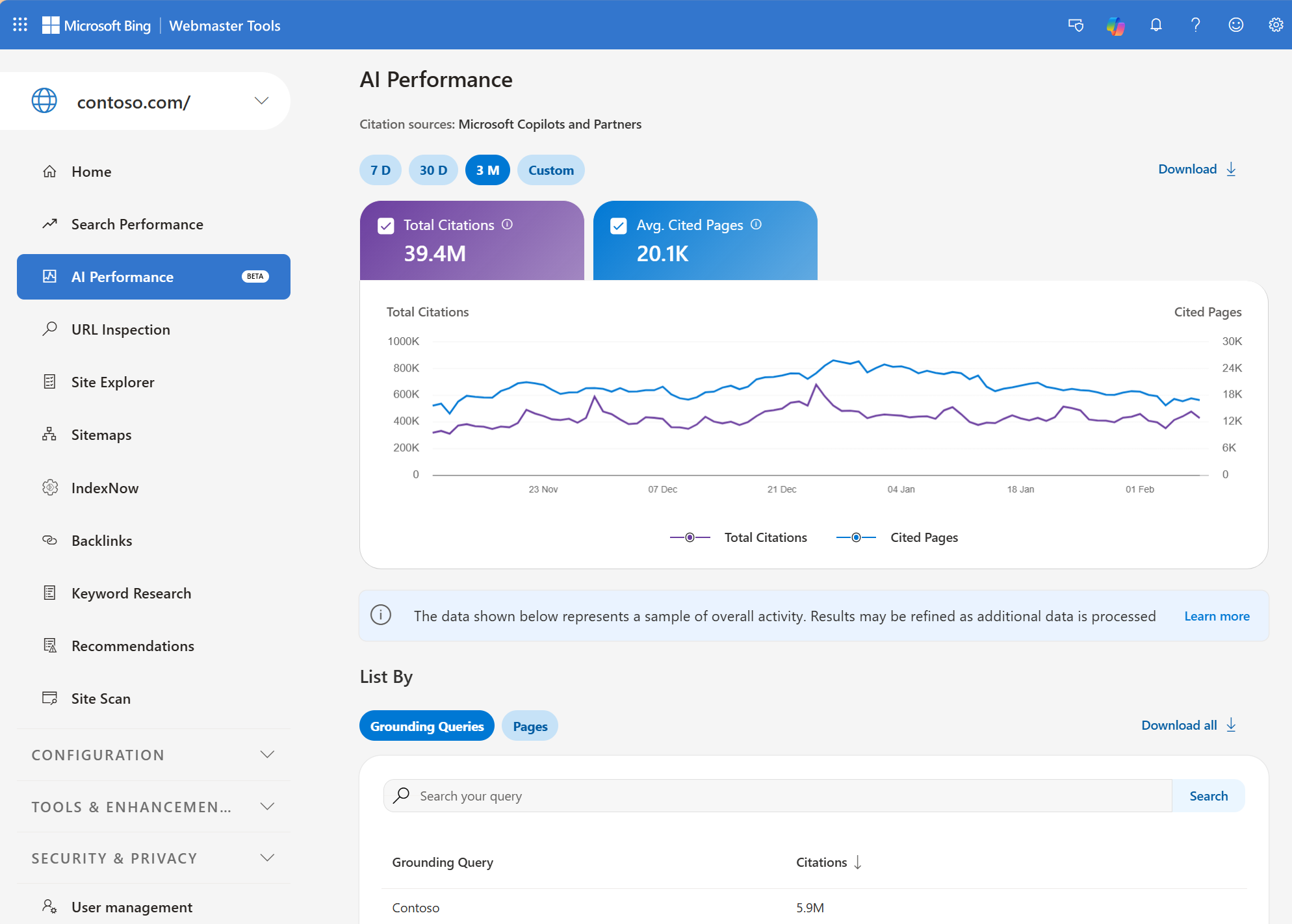
- Direct Answer & Featured Snippet Tracking: Monitor if your content is being pulled into generative answers or featured snippets. Tools like Semrush or Ahrefs can help identify these opportunities.
- Traffic Quality & Engagement: Focus on metrics like time on page, bounce rate, and conversion rates. If users are clicking through, are they finding what they need and engaging deeply? This indicates your content is truly valuable.
- Brand Mentions & Authority: Track mentions of your brand across the web, especially in reputable sources. Increased mentions signal growing authority, which is a key factor for AI trust.
- Conversion Metrics: Ultimately, your marketing efforts should drive business results. Track leads, sales, and customer acquisition costs directly attributable to organic search.
Actionable Steps for Today
To adapt your digital visibility strategy for the AI search landscape, start with these immediate actions:
- Audit Your Existing Content: Identify your most valuable content and assess its E-E-A-T. Can it be updated to be more comprehensive, authoritative, and structured?
- Prioritize Schema Markup: Work with your web developer to implement or expand Schema.org markup across your key pages (products, services, FAQs, articles).
- Refine Your Content Strategy: Shift from keyword-centric planning to intent-based content creation. Focus on answering specific, complex questions your target audience has.
- Monitor AI Search Results: Regularly search for your core topics and observe how AI-generated answers are presented. Identify opportunities to improve your content to be a source for these answers.
- Strengthen Your Technical Foundation: Address any Core Web Vitals issues and ensure your site is fast, mobile-friendly, and easily crawlable.

Leave a Comment