

Why Predictive AI Matters for SMBs Now
For small to mid-sized businesses operating with lean teams and tight budgets, leveraging predictive AI isn’t about chasing futuristic trends; it’s about making smarter, data-driven decisions today. This article cuts through the hype to show you how to practically apply predictive AI to forecast critical business outcomes, optimize resource allocation, and gain a tangible market edge.
You’ll learn where to focus your limited resources for the greatest impact, what common pitfalls to sidestep, and how to build a predictive capability that truly serves your growth objectives.
Predictive AI is no longer an exclusive domain for large enterprises with dedicated data science departments. Accessible tools and integrated platform features mean that even businesses with limited headcount can harness its power. The real value for SMBs lies in tangible benefits: better resource allocation, proactive problem-solving, and identifying opportunities before competitors. From a practitioner’s perspective, it’s about extracting practical, actionable insights that directly impact your bottom line, not just theoretical data science.
Prioritizing Your Predictive AI Initiatives: What to Do First
For SMBs, the immediate value of predictive AI lies in addressing core business challenges with accessible data. Focus on areas where a small improvement can yield significant returns.
Customer Churn Prediction
Understanding which customers are likely to leave, and why, has a direct and profound impact on revenue and customer lifetime value. Proactively retaining existing customers is almost always more cost-effective than acquiring new ones.
- Identify at-risk customers early, allowing your team to intervene with targeted support or offers.
- Implement proactive retention strategies, such as personalized outreach or loyalty incentives, before customers disengage.
- Leverage readily available data sources like purchase history, website engagement metrics, and support ticket interactions.
Short-Term Sales Forecasting
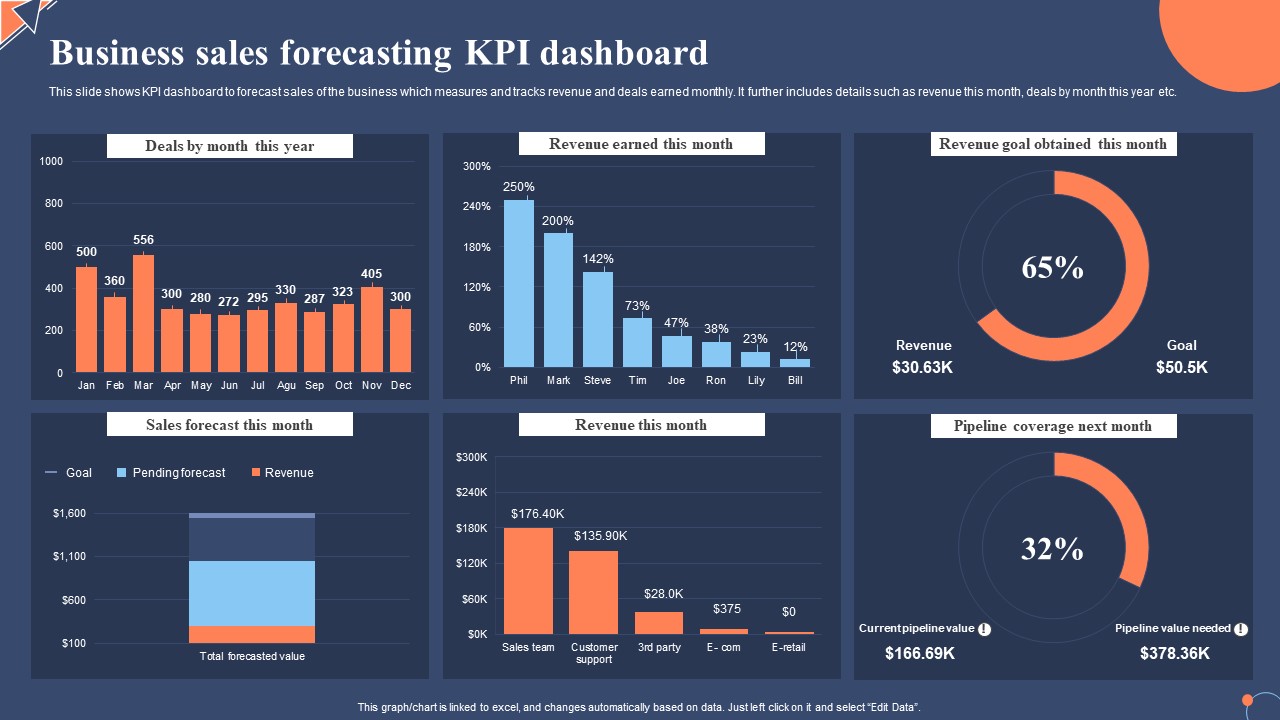
Accurate short-term sales forecasts are crucial for optimizing inventory, managing staffing levels, and ensuring healthy cash flow. This directly impacts operational efficiency and profitability.
- Optimize stock levels to prevent overstocking or stockouts, reducing carrying costs and lost sales.
- Allocate marketing spend more effectively by anticipating demand peaks and troughs.
- Utilize historical sales data, seasonality patterns, and past promotional data for robust predictions.
Personalized Product Recommendations/Content
Delivering highly relevant product recommendations or content can significantly drive higher conversion rates, increase average order value, and enhance the overall customer experience.
- Tailor product offers on your website, in email campaigns, and within advertising platforms to individual preferences.
- Improve customer satisfaction and loyalty by showing them what they genuinely need or want.
- Base recommendations on browsing behavior, past purchase history, and basic demographic data.
personalized product recommendations
While the promise of churn prediction is clear, the practical execution often hits a wall. Identifying at-risk customers is only half the battle; the real challenge lies in empowering a lean team to act effectively and consistently. Without clear playbooks and sufficient resources for personalized outreach, these insights can quickly become a source of frustration rather than a strategic advantage. A poorly executed intervention, or one that feels generic despite the underlying data, can inadvertently accelerate churn by highlighting to the customer that their unique needs aren’t truly understood.
Similarly, short-term sales forecasting, while invaluable, carries its own set of practical pitfalls. Models are built on historical patterns, but real-world markets are rarely static. Unexpected external shocks—be it a sudden supply chain disruption, a new competitor, or a shift in consumer sentiment—can render even a sophisticated model temporarily irrelevant. The danger isn’t just an inaccurate forecast, but the organizational inertia that can result from over-reliance on a single number, leading teams to miss critical real-time market signals or to make rigid decisions that don’t adapt to evolving conditions.
For personalized recommendations, the line between helpful and intrusive is finer than often assumed. While the goal is relevance, an overly aggressive or poorly explained personalization engine can trigger privacy concerns or simply feel “creepy,” eroding trust rather than building loyalty. For many SMBs, the operational overhead of maintaining a truly dynamic, real-time 1:1 personalization system can quickly outweigh its benefits. This includes the continuous data hygiene, model retraining, and content management required to keep recommendations fresh and accurate.
Therefore, a critical judgment call for SMBs is to resist the urge for hyper-personalization from day one. Instead, prioritize robust segmentation and simpler, rules-based recommendations that leverage readily available data. This approach delivers significant value by improving relevance without the substantial hidden costs and complexity of a full-blown, individual-level recommendation engine. Attempting to chase the bleeding edge of personalization too early often leads to a brittle system that consumes disproportionate resources, distracts from core business functions, and ultimately fails to deliver the promised ROI due to operational limitations.
What to Deprioritize or Skip Today, and Why
With limited resources, not all AI applications are equally valuable or feasible for small to mid-sized businesses. Strategic deprioritization is key to avoiding wasted effort and budget.
First, avoid trying to build complex, custom AI models from scratch. This is incredibly resource-intensive, demands specialized data science talent, and often yields diminishing returns for initial use cases compared to leveraging existing, integrated solutions. Your focus should be on applying AI, not developing it. Instead, prioritize platforms that embed predictive capabilities directly into their offerings.
Second, deprioritize extensive long-term macroeconomic forecasting. While understanding broad market trends is important, predicting highly volatile, long-term global economic shifts with high accuracy is challenging even for large organizations. The data required is vast, and the models are complex and prone to significant error. For SMBs, your efforts are better spent on actionable, short-to-medium term predictions within your direct operational control, such as customer behavior or sales cycles.
Finally, do not over-invest in AI tools if your foundational data is unclean or insufficient. Predictive AI is only as good as the data it’s fed. Implementing sophisticated models on messy, incomplete, or inconsistent data will inevitably lead to unreliable predictions and wasted investment. Prioritize data hygiene, integration, and consistency across your systems before scaling your AI initiatives. Remember, “garbage in, garbage out” applies emphatically here.
Beyond the initial build, custom AI models introduce a significant, often overlooked, operational burden. These aren’t “set it and forget it” systems. Models require continuous monitoring, retraining as data patterns evolve, and ongoing maintenance to remain effective. For a small team, this translates into a perpetual drain on scarce technical resources, diverting attention from core business functions and creating a hidden, long-term cost that far outweighs any perceived initial benefit of customization.
Similarly, the allure of sophisticated long-term forecasts can create a different kind of operational drag. While the output might look impressive, the process of interpreting, validating, and then debating these complex predictions often consumes more team bandwidth than the insights themselves warrant. This can lead to decision paralysis or, worse, a false sense of security based on shaky assumptions, pulling focus away from the more immediate, controllable variables that truly impact an SMB’s performance.
Finally, the “garbage in, garbage out” principle for data hygiene is simple in theory but notoriously difficult in practice. The real challenge isn’t just identifying bad data; it’s the organizational inertia and cross-functional effort required to fix it at the source. This often means confronting entrenched processes, securing buy-in from multiple departments, and investing in unglamorous data governance work. Overlooking these human and process hurdles means that even with the best intentions, data cleanup efforts can stall indefinitely, leaving your AI initiatives perpetually underperforming and frustrating your team.
Practical Steps for Implementation and Tooling
You don’t need a dedicated data science team to start leveraging predictive AI. The path to implementation for SMBs is often about smart integration and iterative improvement.
Leverage Existing Platforms
Many popular CRMs (e.g., HubSpot), marketing automation platforms, and e-commerce solutions (e.g., Shopify) have already integrated powerful predictive features. Start by exploring and maximizing these built-in capabilities.
- Utilize customer scoring features for churn risk assessment or lead qualification.
- Implement automated segmentation based on predicted customer behavior for targeted campaigns.
- Deploy dynamic content delivery that adapts based on predicted user preferences.
Focus on Data Quality and Integration
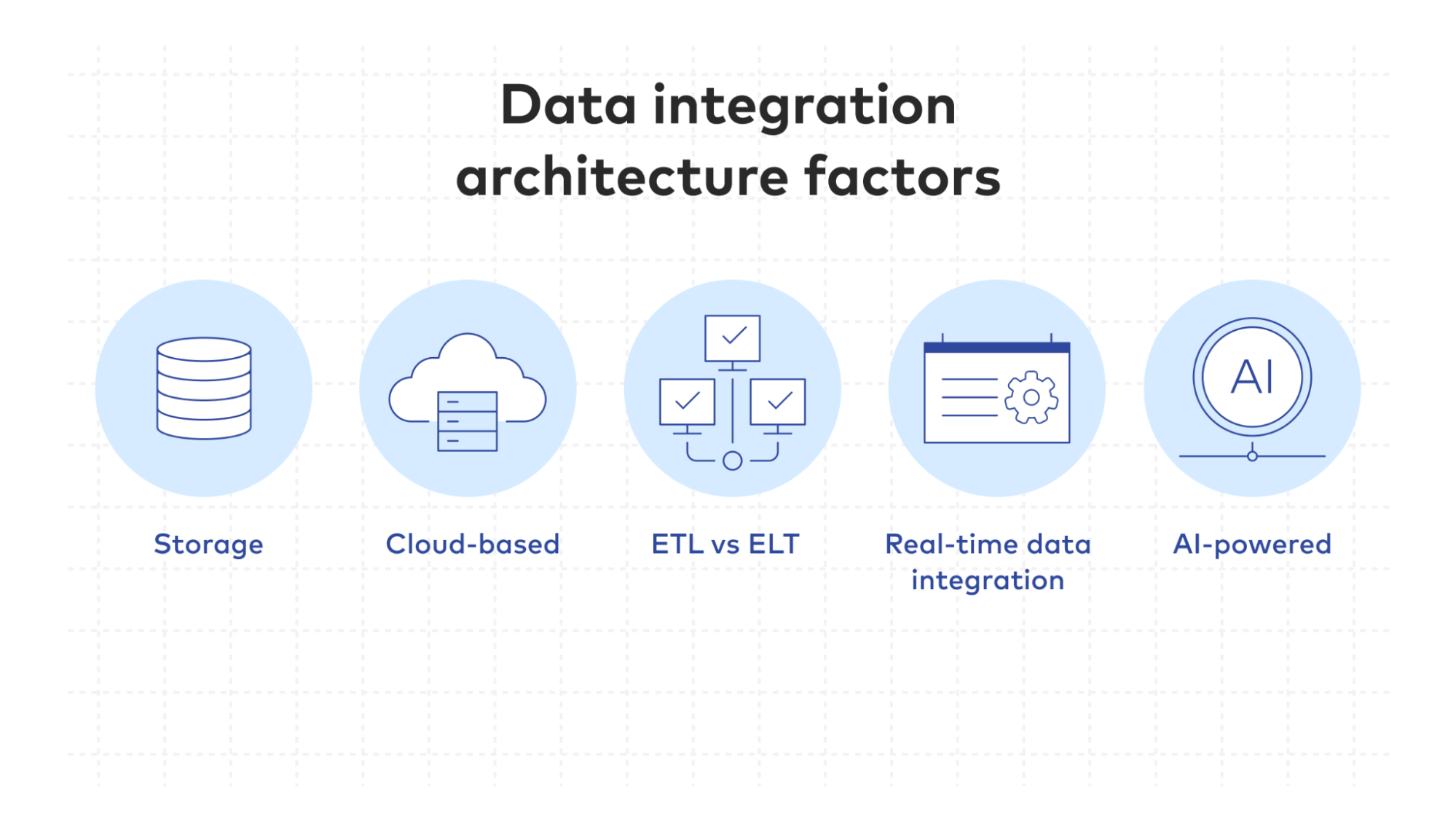
Before any AI initiative, ensure your core data sources – CRM, ERP, website analytics, marketing platforms – are clean, accurate, and can communicate effectively. This foundational work is non-negotiable.
Start Small and Iterate
Resist the urge to solve every problem at once. Pick one high-impact problem, like churn prediction for a specific customer segment, implement a solution, measure its effectiveness, and then refine your approach. This iterative process allows for learning and adaptation without overwhelming your team or budget.
Understand the ‘Why’ Behind Predictions
Don’t treat predictive AI as a black box. While you might not build the models, strive to understand the key factors driving its predictions. This insight allows your team to interpret results, validate assumptions, and make truly informed decisions, rather than blindly following algorithmic outputs.
Building Your Predictive Edge
Predictive AI isn’t a magic bullet; it’s a strategic amplifier. For small to mid-sized businesses, the real advantage comes from combining these data-driven insights with human judgment, operational agility, and a deep understanding of your customer base. The goal isn’t perfect prediction, which is often unattainable, but rather better, faster, and more informed decision-making under real-world constraints. This capability, when applied consistently and pragmatically, creates a sustainable competitive advantage that allows your business to anticipate challenges, seize opportunities, and grow strategically in a dynamic market.

Leave a Comment