

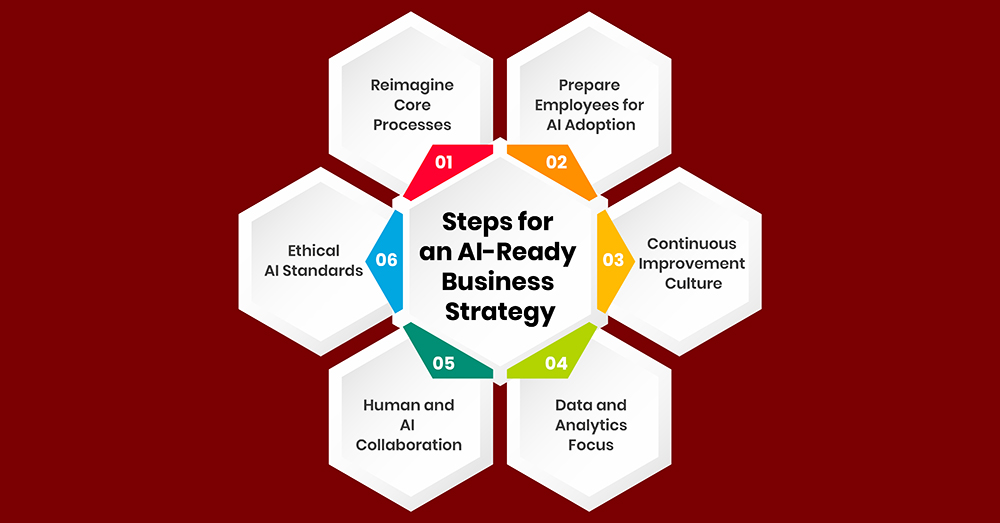
As a small to mid-sized business, you’re constantly looking for an edge without breaking the bank or overstretching your team. Frontier AI isn’t just for tech giants anymore; it’s a practical tool that can fundamentally reshape your digital business model and unlock new revenue streams. This article cuts through the hype to give you a clear, actionable roadmap for integrating AI, focusing on what truly moves the needle for businesses like yours.
You’ll learn how to identify high-impact AI opportunities, make smart trade-offs with limited resources, and avoid common pitfalls. Our focus is on practical application: what to prioritize today, what to strategically delay, and what to skip entirely to ensure your AI investments deliver tangible growth and optimized monetization.
Understanding Frontier AI for SMBs
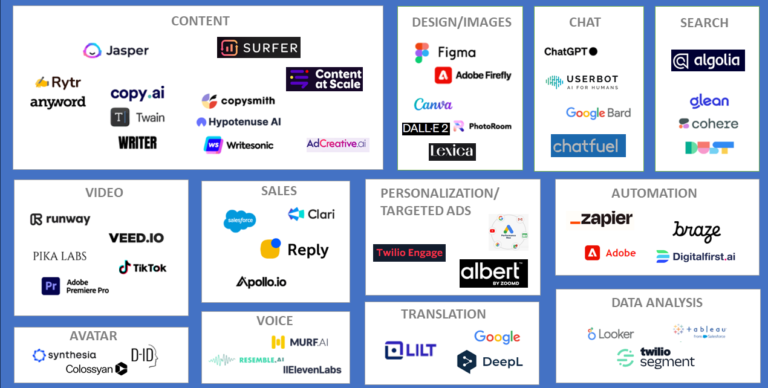
In early 2026, “frontier AI” for small to mid-sized businesses primarily means accessible, powerful AI capabilities that were once exclusive to large enterprises. We’re talking about advanced generative AI for content creation, sophisticated predictive analytics for customer behavior, and intelligent automation for operational efficiency. The key shift isn’t just about new tools, but how these tools integrate into your existing digital infrastructure to deliver concrete value. For SMBs, this isn’t about building foundational models, but leveraging APIs and off-the-shelf solutions that are increasingly robust and user-friendly. It’s about augmenting your team’s capabilities, not replacing them wholesale. For a deeper dive into specific applications, consider exploring various AI tools tailored for small business marketing AI tools for small business marketing.
Re-evaluating Your Digital Business Model
Frontier AI demands a fresh look at how your business creates, delivers, and captures value. It’s no longer just about optimizing existing processes; it’s about enabling entirely new ones. Consider how AI can:
- Personalize Customer Experiences: From dynamic website content to tailored product recommendations, AI can make every customer interaction feel bespoke, driving engagement and loyalty.
- Automate & Enhance Service Delivery: AI-powered chatbots can handle routine inquiries, freeing up human agents for complex issues. Predictive maintenance models can anticipate service needs before they become problems.
- Streamline Content & Marketing: Generative AI can rapidly produce marketing copy, social media updates, and even basic visual assets, allowing your small team to scale content efforts significantly.
- Inform Product Development: AI can analyze market trends and customer feedback at scale, providing insights that guide the development of new features or services that truly resonate.
This isn’t about a complete overhaul overnight, but identifying specific points where AI can inject significant value into your current model.
While the promise of generative AI for content is compelling, the practical reality often involves significant editorial overhead. It’s easy to overlook the human effort still required to fact-check, refine, and ensure brand voice consistency. Without this, you risk diluting your message or even publishing inaccurate information, turning an efficiency gain into a reputational liability.
Another common blind spot is the quality and accessibility of your underlying data. AI models are data-hungry, and if your internal data is fragmented, inconsistent, or biased, the AI’s outputs will reflect those flaws. Investing in AI without first addressing data hygiene is like building a house on a shaky foundation – the cracks will appear later, often at critical junctures.
For most small to mid-sized businesses, the immediate focus should be on automating repetitive, low-value tasks with clear inputs and outputs. Resist the urge to jump straight into highly complex AI applications that require extensive data science expertise or significant workflow re-engineering. These often demand more resources than anticipated and can delay tangible ROI, creating internal frustration and skepticism about AI’s true value. Start with what’s manageable and demonstrably impactful.
Strategic Monetization Opportunities with AI
Beyond efficiency, AI directly impacts your bottom line by opening new avenues for revenue and optimizing existing ones. For SMBs, this means focusing on tangible gains:
- Enhanced Personalization for Upsells/Cross-sells: AI-driven recommendation engines, like those seen on major e-commerce platforms, can be integrated into your own site or CRM. By understanding individual customer preferences and purchase history, AI can suggest relevant products or services at the right time, increasing average order value. AI product recommendations
- Dynamic Pricing Models: For businesses with fluctuating demand or inventory, AI can analyze real-time data to adjust pricing, maximizing revenue without alienating customers. This is particularly effective for service-based businesses or those with perishable goods.
- AI-Powered Lead Generation & Nurturing: Use AI to identify high-potential leads from your website traffic or existing database, then personalize outreach and content to move them through the sales funnel more efficiently.
- New AI-as-a-Service Offerings: If your business has unique data or expertise, consider packaging AI-driven insights or tools as a new service for your clients. This might involve custom reports, predictive dashboards, or specialized automation.
The goal is to move beyond basic analytics and leverage AI to actively drive purchasing decisions and create new value propositions that customers are willing to pay for.
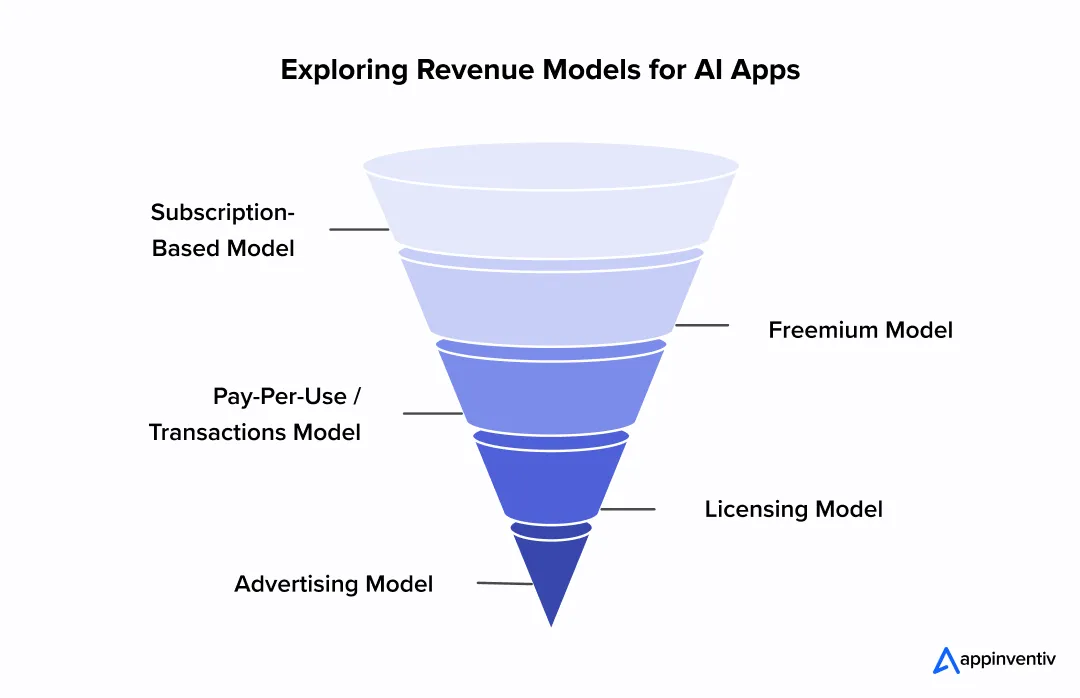
What often gets overlooked in the pursuit of these monetization opportunities are the hidden costs and the potential for customer backlash if not executed with precision. For instance, while enhanced personalization promises higher average order values, it demands a robust and continuously updated data infrastructure. Poor data quality or irrelevant recommendations don’t just fail to convert; they actively erode customer trust and can lead to a perception of being “tracked” without receiving genuine value in return. Similarly, dynamic pricing, while powerful, carries the risk of alienating customers if price fluctuations are perceived as unfair or inconsistent. The theoretical gains can quickly be offset by damaged brand loyalty and negative word-of-mouth, which are far harder to quantify and recover from.
The practical reality of implementing these strategies often involves more than just integrating a new AI tool. Teams must contend with the ongoing operational burden of data governance, model monitoring, and the continuous refinement of AI logic. This isn’t a set-it-and-forget-it endeavor. For SMBs with limited headcount, dedicating resources to maintain the integrity and effectiveness of these AI systems can quickly become a significant drain, pulling focus from other critical business functions. The initial excitement of a new AI-as-a-Service offering, for example, can quickly turn into frustration when the team realizes the continuous commitment required to keep the models accurate and relevant for clients, especially as underlying data patterns shift.
Ultimately, the decision isn’t just about what AI can do, but what your team can realistically support over the long term. Prioritize initiatives where your existing data quality is strong and where the operational overhead for ongoing maintenance is manageable. Resist the urge to chase every potential AI monetization avenue simultaneously, as spreading resources too thin often leads to underperforming systems that create more problems than they solve. Focus on one or two areas where you can achieve demonstrable, sustainable impact without overwhelming your team.
Prioritizing AI Initiatives: What to Do First
With limited resources, prioritization is everything. For SMBs, start with initiatives that offer a clear, measurable ROI and integrate with your existing workflows with minimal disruption.
- Automate Internal Operations: Focus on repetitive, time-consuming tasks. This could be customer support ticket routing, initial email responses, data entry, or generating first drafts of marketing copy. Tools like AI-powered CRMs or marketing automation platforms are excellent starting points.
- Enhance Existing Customer-Facing Channels: Implement AI chatbots for FAQs on your website or integrate AI into your email marketing for hyper-personalized campaigns. These improvements directly impact customer satisfaction and engagement without requiring a complete system overhaul.
- Leverage AI for Data Analysis: Use AI tools to quickly extract insights from your sales data, website analytics, or customer feedback. This helps you make better business decisions faster, identifying trends and opportunities that might otherwise be missed.
Choose projects where success can be demonstrated quickly, building internal confidence and providing a foundation for more ambitious future endeavors.
What to Deprioritize and Why
While the allure of frontier AI is strong, not every shiny new application is right for an SMB today. You should explicitly deprioritize or skip:
Building custom, foundational AI models from scratch. This is a capital-intensive, expertise-heavy endeavor best left to large tech companies. The cost, time, and specialized talent required are simply not feasible for most small to mid-sized businesses. Instead, focus on leveraging existing, robust AI APIs and platforms that abstract away the complexity. Trying to reinvent the wheel here will drain your budget and deliver little practical return. Similarly, avoid investing heavily in highly speculative AI applications that lack a clear, immediate business case or measurable ROI. The market is evolving rapidly; wait for proven use cases to emerge before committing significant resources to unvalidated concepts. Your focus should be on practical, incremental improvements, not moonshots.
Navigating Implementation Challenges
Even with a clear strategy, implementing AI comes with its own set of hurdles. Anticipating these allows for smoother integration:
- Data Quality and Accessibility: AI models are only as good as the data they’re trained on. Invest time in cleaning and organizing your existing data. Ensure your data sources are integrated or at least accessible for AI tools.
- Integration with Legacy Systems: Many SMBs operate with a mix of older and newer software. Plan for how new AI tools will integrate with your existing CRM, ERP, or marketing platforms. Look for solutions with open APIs or pre-built connectors.
- Staff Training and Adoption: Your team needs to understand how to use and interact with AI tools. Provide clear training, communicate the benefits, and address any concerns about job displacement by framing AI as an augmentation tool.
- Ethical Considerations and Bias: Be mindful of data privacy, security, and potential biases in AI outputs. Ensure your AI applications align with your brand values and comply with relevant regulations.
Start with pilot projects, gather feedback, and iterate. This agile approach minimizes risk and allows your team to adapt to new technologies effectively.

Leave a Comment