

The Non-Negotiable Reality of Data Privacy in AI
As small to mid-sized businesses increasingly adopt AI tools for marketing, the question of data privacy isn’t a ‘nice-to-have’—it’s foundational. Ignoring it isn’t just a compliance risk; it’s a direct threat to customer trust and your brand’s reputation. Regulations like GDPR and CCPA are already well-established, and new privacy frameworks continue to emerge globally, making a reactive approach unsustainable. For lean marketing teams, understanding how your chosen AI tools handle data is paramount to avoiding costly missteps.
Prioritizing Your AI Tool Stack: What to Ask First
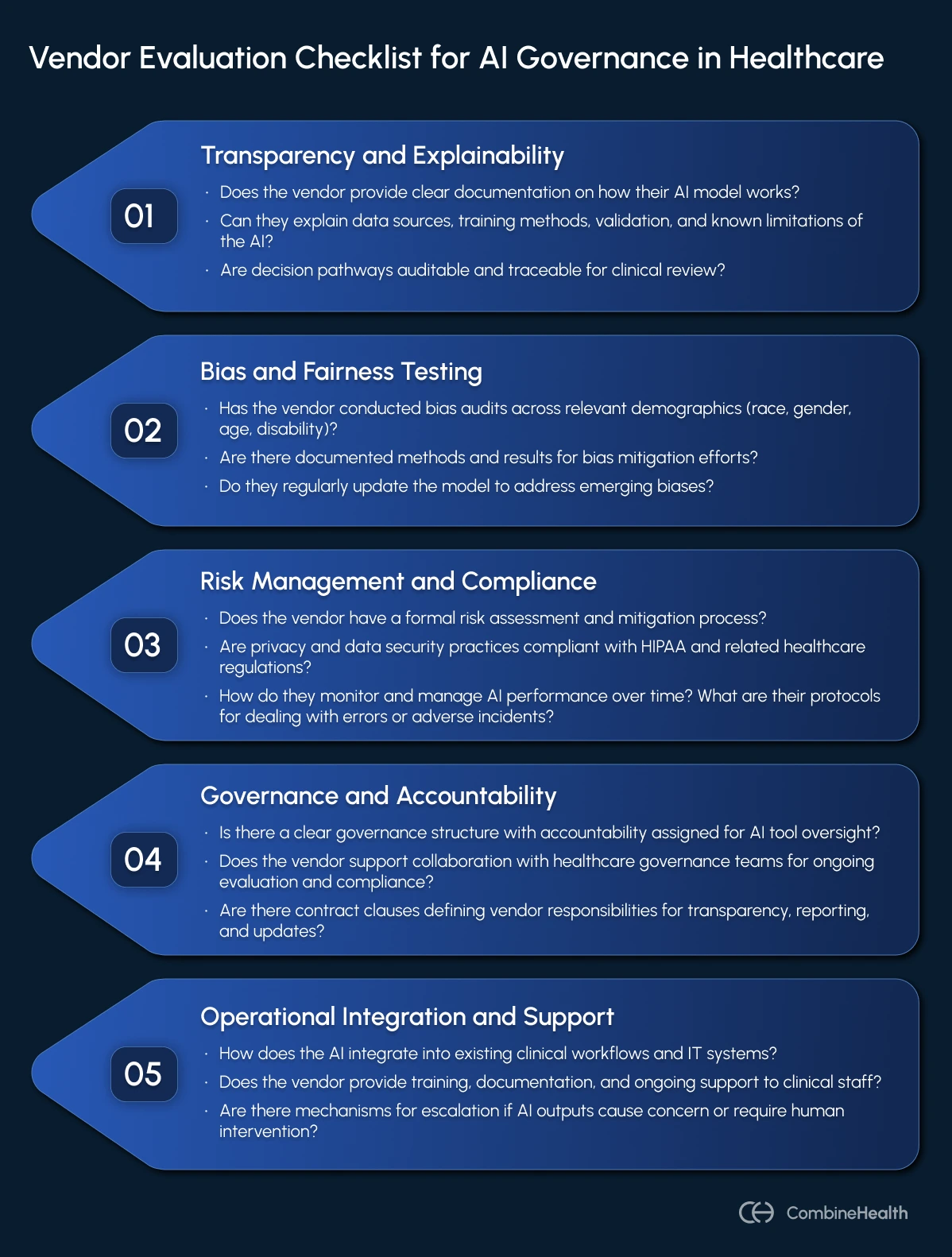
When evaluating any AI tool, your first line of defense is rigorous vendor due diligence. Don’t get swept up by features alone. Prioritize these questions before integration:
- Data Handling Policies: How does the vendor collect, process, store, and share data? Look for clear, transparent policies.
- Data Residency: Where is your data physically stored? This can have significant implications for compliance, especially if you operate across different regions.
- Security Certifications: Does the vendor hold recognized certifications like SOC 2 Type 2 or ISO 27001? These aren’t perfect guarantees, but they indicate a commitment to security best practices.
- Terms of Service (ToS): Crucially, read the ToS. Who owns the data you input? Is it used for model training? Can you opt out of data being used to improve their AI models? Many vendors default to using your data for their own improvements, which might be a deal-breaker for sensitive information.
Start with tools that explicitly prioritize and communicate their privacy measures. If a vendor’s privacy policy is vague or hard to find, consider that a red flag. Your team’s time is too valuable to untangle complex legal jargon after the fact.
Even after a thorough review of data handling, the long-term implications of your data being used for model training are often underestimated. It’s not just about privacy; it’s about competitive advantage. If your unique, proprietary operational data is used to improve a vendor’s general model, that improvement eventually benefits every other user of that model, including your competitors. You’re effectively contributing to a shared intelligence pool without direct compensation or exclusive benefit, slowly eroding any unique insights your data might provide. This is a subtle but significant hidden cost, especially for businesses relying on niche expertise or proprietary processes.
Beyond the initial due diligence, teams frequently underestimate the operational overhead of integrating and maintaining new AI tools. The “plug-and-play” promise rarely holds true. Each new tool introduces integration debt: the effort required to connect it to existing systems, ensure data flow, and train your team. This isn’t a one-time cost; it’s an ongoing commitment to monitoring, troubleshooting, and adapting as both your business and the vendor’s platform evolve. The cumulative effect of several such tools can quickly overwhelm a lean team, leading to underutilization, frustration, and ultimately, wasted investment, even if the tool itself is technically sound.
A common pitfall is adopting AI tools driven by the perceived need to “do AI” rather than solving a specific, well-defined business problem. This often leads to a collection of disparate tools that don’t integrate well, address only superficial issues, or worse, create new data silos and workflow complexities. Before committing, ask: what specific, measurable problem does this tool solve better than our current methods, and what’s the tangible ROI? If the answer is vague, or the tool requires significant process re-engineering without clear benefits, it’s often better to deprioritize. The cost of chasing every shiny new object far outweighs the potential benefits for resource-constrained teams.
Practical Steps for Data Minimization and Consent
Even with a vetted tool, your internal practices matter. Adopt a ‘data minimization’ mindset: only feed the AI tool the data it absolutely needs to perform its function. For example, if an AI copywriting tool only needs keywords and a topic, don’t upload an entire customer database.
Secondly, ensure your data collection practices align with user consent. If you’re using customer data with an AI tool, you must have obtained appropriate consent for that specific use case. This often means reviewing your website’s cookie policies and privacy notices to ensure they cover AI-driven processing. For small teams, this might mean starting with less sensitive data or using anonymized datasets where possible.
The temptation to over-feed an AI tool is real, especially when the integration seems seamless. But every piece of unnecessary data you share introduces a hidden cost. It expands your attack surface, complicates future data audits, and can even degrade the AI’s performance by introducing noise or irrelevant context. What starts as a convenience can quickly become a drag on efficiency, requiring more human intervention to correct or refine outputs than if the data input had been carefully curated from the start.
Beyond the technical setup, the human element often introduces the trickiest challenges. Teams under pressure to deliver results might interpret existing privacy policies broadly, assuming general consent covers new AI applications. However, the specific nuances of how an AI tool processes, stores, or potentially learns from data can fall outside the scope of boilerplate language. This creates a downstream risk: a false sense of compliance that can unravel during an audit or, worse, erode user trust if a data practice is perceived as misaligned with their original intent. The operational friction between marketing’s desire for AI efficiency and legal’s need for explicit consent is a common, often overlooked, source of delay and frustration.
For teams with limited bandwidth, the impulse to collect or share ‘just in case’ data is strong. However, resist the urge to build overly complex data pipelines for AI tools that anticipate every future use case. Instead, prioritize immediate, clearly defined data minimization. Focus on what the AI needs right now to solve a specific problem. Deprioritize elaborate data tagging or extensive anonymization efforts for data you aren’t actively using with an AI tool today. The complexity introduced by over-preparation often outweighs the hypothetical future benefit, especially when resources are tight. Get the core function working securely and compliantly first, then iterate.
What to Deprioritize (or Avoid) Today
For small to mid-sized marketing teams, a critical deprioritization is the immediate integration of unvetted, ‘free’ or low-cost AI tools that lack clear data privacy policies, especially when dealing with sensitive customer or proprietary business data. While the allure of quick, free solutions is strong, the potential for data breaches, compliance violations, and reputational damage far outweighs any perceived short-term efficiency gains. Do not rush to connect your core customer databases or CRM systems directly to new AI tools without a thorough privacy and security review. The operational overhead of managing a data breach or navigating a privacy complaint can cripple a lean team, making it a poor trade-off for incremental AI benefits. Focus on establishing a secure foundation before expanding your AI experiments.
Building a Privacy-First AI Workflow
Building a privacy-first workflow doesn’t require a dedicated legal team; it requires discipline. Start small. Pilot new AI tools with non-sensitive, dummy, or anonymized data first. This allows your team to understand the tool’s functionality and data flow without immediate risk. Implement basic internal guidelines for your team: which types of data can be used with which tools, and who is responsible for reviewing output. Regularly audit what data is being fed into your AI tools and ensure it aligns with your initial assessment and consent policies. This iterative approach helps you adapt without overcommitting resources.
The Long-Term View: Trust as a Competitive Edge
In a landscape where data breaches are common, a proactive stance on data privacy with AI tools isn’t just about compliance—it’s about building and maintaining customer trust. For SMBs, trust is a powerful differentiator. Customers are increasingly aware of how their data is used, and a brand that demonstrates a clear commitment to protecting their privacy will stand out. This commitment translates into stronger customer loyalty and a more resilient brand in the long run. building customer trust with data privacy


Leave a Comment