

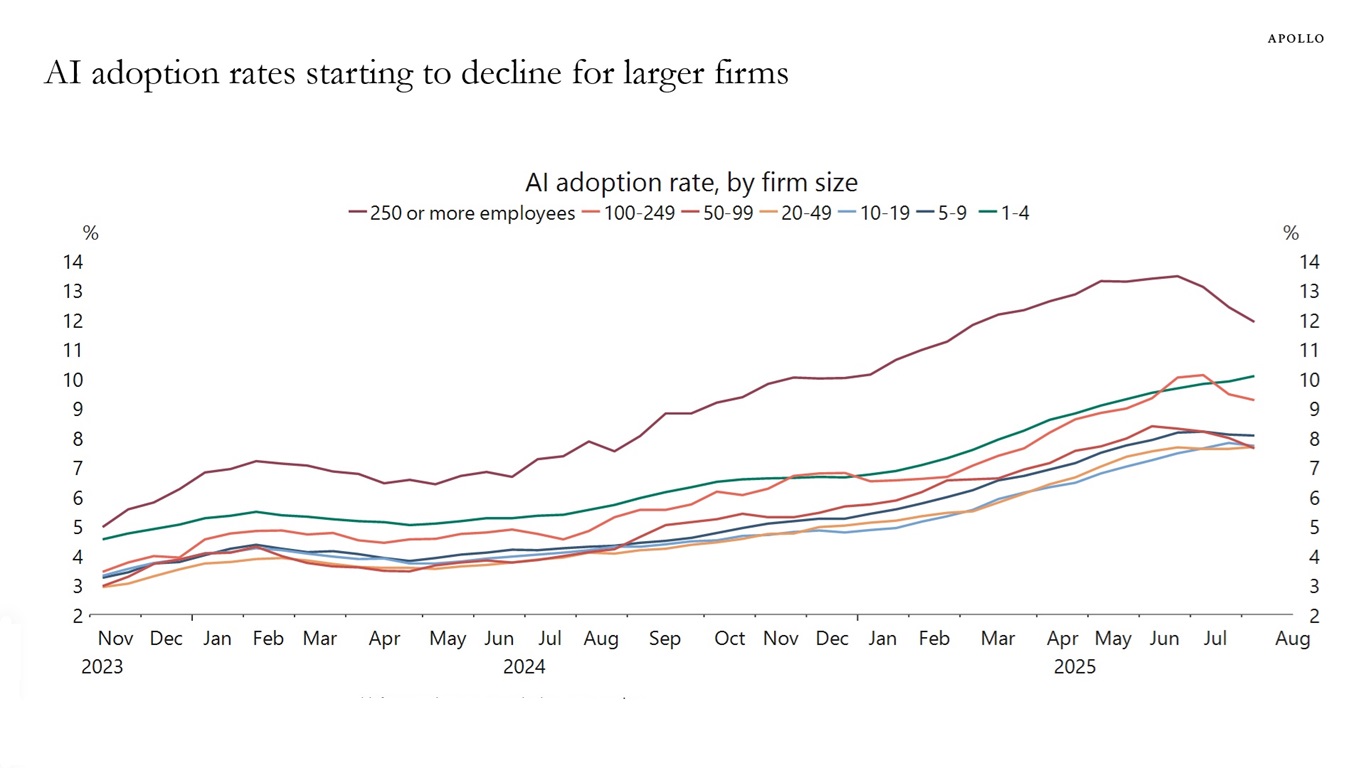
As we close out 2025, the integration of Artificial Intelligence into business operations has moved beyond experimentation to become a strategic imperative. Businesses are no longer asking "if" they should adopt AI, but "how" to implement it effectively to drive tangible growth and efficiency. The next 12-18 months, spanning 2025 into 2026, promise an accelerated pace of AI adoption, reshaping competitive landscapes across industries.
This article provides a practical guide for marketing strategists and business leaders navigating the evolving AI ecosystem. We will delve into the current state of adoption, key drivers for future integration, strategic areas for investment, and actionable approaches to overcome common implementation barriers. Our focus remains on data-driven insights and real-world applicability for your business.
The Current Landscape of AI Adoption (Late 2025)
Currently, in late 2025, AI adoption is characterized by a dual approach: widespread foundational use and emerging advanced applications. Many businesses have successfully integrated AI for tasks like automated content generation, basic customer service chatbots, and preliminary data analysis. These initial deployments have demonstrated clear benefits in terms of efficiency gains and cost reduction, setting a precedent for broader adoption.
However, the journey hasn’t been without its challenges. Issues such as data quality, integration complexities with legacy systems, and a shortage of skilled AI talent have been common hurdles. Forward-thinking organizations are addressing these by investing in data governance frameworks, modular AI solutions, and internal upskilling programs, paving the way for more sophisticated AI deployments.
The shift is now towards embedding AI deeper into core business processes, moving from isolated tools to integrated AI platforms that inform strategic decisions and automate complex workflows. This strategic pivot is crucial for unlocking the full potential of AI beyond mere task automation.

Key Drivers for Accelerated AI Integration in 2026
Looking into 2026, several powerful drivers will accelerate AI integration across sectors. Foremost among these is the intensifying competitive pressure. Businesses that effectively leverage AI for personalized customer experiences, optimized marketing campaigns, and streamlined operations will gain a significant edge, compelling others to follow suit to maintain relevance and market share.
The continuous maturation of AI technologies also plays a critical role. Tools are becoming more user-friendly, specialized, and accessible, lowering the barrier to entry for businesses of all sizes. Advancements in machine learning models, natural language processing, and computer vision are enabling more robust and reliable applications, making AI a more viable and attractive investment.
Furthermore, the increasing demand for data-driven decision-making and hyper-personalization fuels AI adoption. Consumers expect tailored experiences, and businesses require deeper insights from vast datasets to make informed choices. AI provides the analytical power to process this information at scale, delivering predictive insights and enabling highly targeted strategies.
Strategic Areas for AI Investment and Impact
For marketing and business leaders, identifying the most impactful areas for AI investment is key. In marketing, AI is transforming customer segmentation, predictive analytics for lead scoring, and dynamic content optimization. It enables marketers to deliver highly relevant messages at the right time, significantly improving campaign performance and ROI.
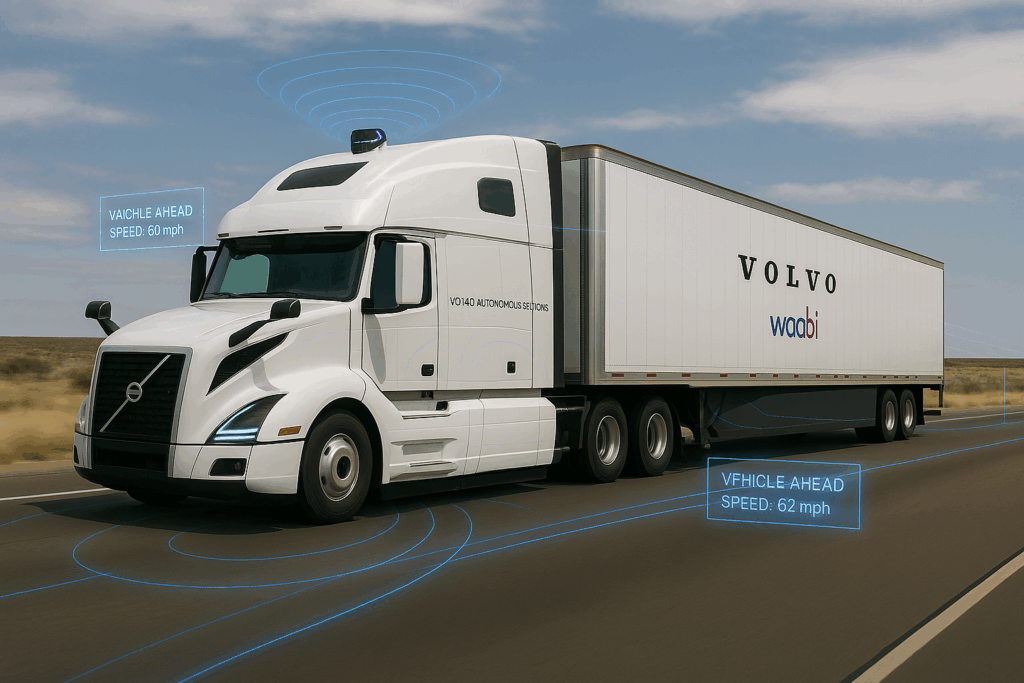
Operations and customer service stand to gain immensely from AI-driven automation. From intelligent chatbots handling routine inquiries to predictive maintenance scheduling and supply chain optimization, AI enhances operational efficiency, reduces human error, and improves service delivery. This frees up human teams to focus on more complex, value-added tasks.
Beyond these, AI’s impact on data analytics and business intelligence is profound. AI-powered platforms can uncover hidden patterns, forecast market trends with greater accuracy, and identify anomalies that human analysts might miss. This leads to more agile decision-making, better resource allocation, and a clearer understanding of market dynamics.

Overcoming Barriers to Successful AI Implementation
Successful AI adoption hinges on proactively addressing common barriers. Data governance and quality remain paramount; AI models are only as good as the data they are trained on. Businesses must invest in robust data collection, cleansing, and management strategies to ensure their AI initiatives yield accurate and reliable results.
Another significant challenge is the talent gap. While AI tools are becoming more accessible, the expertise to strategically deploy, manage, and interpret AI outputs is still in high demand. Organizations should focus on a multi-pronged approach: upskilling existing employees, fostering cross-functional collaboration between technical and business teams, and selectively hiring specialized AI talent.
Finally, ethical considerations and responsible AI deployment cannot be overlooked. Ensuring fairness, transparency, and accountability in AI systems is crucial for building trust with customers and employees. Implementing clear ethical guidelines and conducting regular audits of AI models will be essential for sustainable and responsible growth.

Preparing Your Business for the AI-Driven Future
To thrive in the AI-driven future, businesses must adopt a strategic, iterative approach. Start with pilot projects that address specific business problems and offer measurable ROI. This allows for learning, refinement, and demonstrating value before scaling AI initiatives across the organization. Focus on quick wins that build momentum and internal buy-in.
Cultivating a culture of continuous learning and adaptation is equally vital. The AI landscape evolves rapidly, requiring ongoing education for teams and a willingness to experiment with new tools and methodologies. Encourage employees to engage with AI, understand its capabilities, and identify new opportunities for its application within their roles.
Ultimately, successful AI integration is about augmenting human capabilities, not replacing them. Businesses that strategically blend human creativity and critical thinking with AI’s analytical power will be best positioned for sustained growth and innovation. This synergy will define the most successful enterprises in the coming years.
Navigating the Next Wave of AI Evolution
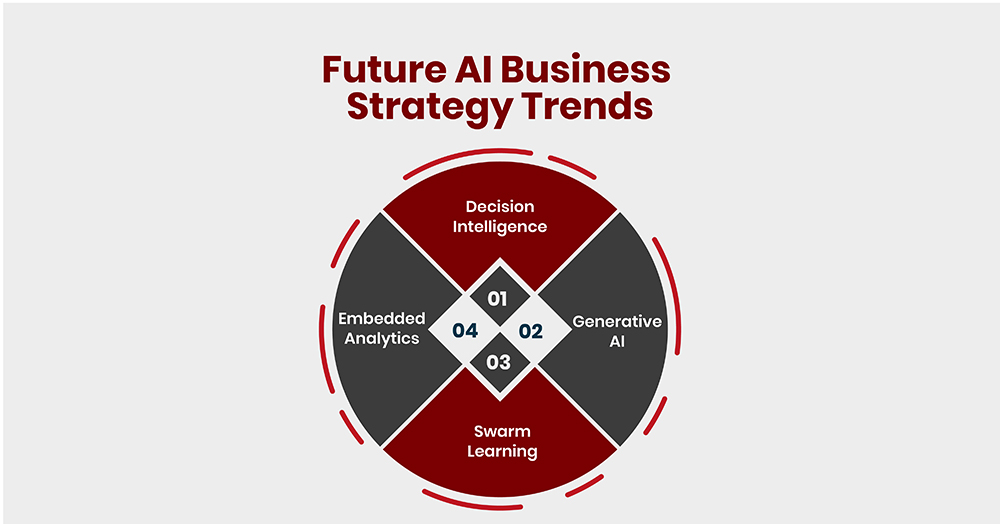
The period of 2025-2026 marks a pivotal phase in AI adoption, characterized by deeper integration and more sophisticated applications. Businesses that approach AI strategically, focusing on clear objectives, robust data practices, and continuous learning, will unlock significant competitive advantages. The evolution of AI is ongoing, and staying agile is key.
As AI tools become more embedded in daily operations, the emphasis will shift further towards responsible AI development and deployment. Understanding the ethical implications, ensuring data privacy, and promoting transparency will be non-negotiable for maintaining trust and achieving long-term success in an AI-powered world.
MarketingPlux encourages businesses to actively engage with these advancements. By embracing AI not just as a tool, but as a fundamental shift in how work gets done, organizations can optimize campaigns, enhance customer experiences, and drive unprecedented revenue growth in the years ahead.


Leave a Comment