


For small to mid-sized businesses, standing out in search results isn’t just about ranking; it’s about commanding attention. Structured data is your practical lever for achieving this, transforming basic listings into visually compelling rich results. This article cuts through the noise to show you which structured data types deliver the most impact for your limited resources, how to implement them effectively, and what to prioritize to genuinely enhance your visibility and drive more qualified traffic. It’s a key component of a robust SEO strategy for any growing business seo strategy for small business.
Why Structured Data Isn’t Optional Anymore
Structured data, specifically JSON-LD, is how you speak directly to search engines about the content on your pages. It’s not a ranking factor in the traditional sense, but it’s a critical enabler for rich results—those enhanced listings that include star ratings, product prices, FAQs, or event dates directly in the search engine results pages (SERPs). For businesses competing with larger players, rich results are a non-negotiable advantage. They increase click-through rates (CTR) by making your listing more prominent and informative, even if your organic ranking position remains the same. This direct communication helps search engines understand your content’s context, leading to better display and potentially more relevant traffic.
Prioritizing Structured Data for SMB Impact
Given limited time and resources, you can’t implement every schema type. Focus on those that directly support your business goals and offer the highest potential for rich results. Here’s a pragmatic prioritization:
- LocalBusiness Schema: If you have a physical location or serve a specific geographic area, this is your absolute first priority. It helps you appear in local packs and Google Maps, providing essential details like address, phone number, opening hours, and reviews.
- Product Schema: For e-commerce businesses, this is critical. It enables rich snippets showing price, availability, and review ratings directly in SERPs, significantly boosting product visibility and conversion potential.
- FAQPage Schema: If you have dedicated FAQ sections on product pages, service pages, or general information pages, this can generate expandable FAQ rich results. These take up more SERP real estate and answer user questions directly.
- Article Schema: For blog posts and news articles, this helps search engines understand the content type, author, and publication date, potentially leading to enhanced display in news carousels or top stories.
- BreadcrumbList Schema: This improves user navigation and helps search engines understand your site structure. It often replaces the URL with a more user-friendly breadcrumb path in the SERPs.
- Review Snippet Schema: If you collect reviews for your business or products, this is crucial for displaying star ratings. It builds trust and significantly enhances CTR.
What to Deprioritize or Skip Today: Avoid complex, niche schema types like Dataset, MedicalWebPage, or highly specific event schemas unless they are directly tied to your core business model and offer a clear, immediate ROI. For most SMBs, the effort required to implement and maintain these often outweighs the marginal benefit. Focus on the core schemas that directly impact your primary conversion paths and local visibility first. Don’t chase every possible rich result; chase the ones that move the needle for your business.
What often gets overlooked in the push to implement structured data is the nuance of *correct* implementation. It’s not enough to simply install a plugin or copy-paste a template. Many SMBs find that their schema, while technically present, doesn’t accurately reflect their unique business details or product variations. This leads to a common failure mode: the schema is there, but it’s either ignored by search engines or doesn’t qualify for rich results because the data mapping is imprecise or incomplete. The initial effort is expended, but the expected benefit never materializes, leaving teams wondering why.
Beyond initial setup, the ongoing maintenance burden is a significant, often hidden, cost. Structured data is not a set-it-and-forget-it task. Business hours change, product prices fluctuate, inventory levels shift, and FAQs are updated. Each of these changes requires a corresponding update to your schema. Neglecting this leads to outdated information being presented in search results, which can erode user trust and cause search engines to deprioritize your rich snippets entirely. What started as a one-time project quickly becomes a recurring operational task that demands consistent attention.
Finally, there’s the practical reality that even perfectly implemented and maintained schema offers no absolute guarantee of rich results. Google ultimately decides what to display, and factors like overall site authority, content quality, and competitive landscape all play a role. This can be a source of significant frustration for teams who have invested time and effort, only to see their competitors’ rich snippets appear while theirs do not. It highlights the difference between the theoretical promise of structured data and the often-unpredictable outcomes in a live search environment, requiring a pragmatic understanding that it’s an enhancement, not a silver bullet.
Practical Implementation: JSON-LD is Your Friend
JSON-LD (JavaScript Object Notation for Linked Data) is the recommended format for structured data by Google. It’s clean, easy to implement, and doesn’t interfere with your page’s visible content. You embed it directly into the <head> or <body> of your HTML, typically within a <script type="application/ld+json"> tag.
For most SMBs, direct coding isn’t the only path. Leverage your CMS:
- WordPress: Plugins like Rank Math or Yoast SEO offer robust structured data features, often automatically generating schema for posts, pages, and products. You can also add custom schema via their interfaces.
- Shopify: Many themes include basic product schema. Apps are available to extend this, providing more granular control over product, review, and local business schema.
- Custom Sites: You’ll need to work with a developer or use a schema generator tool to create the JSON-LD and embed it.
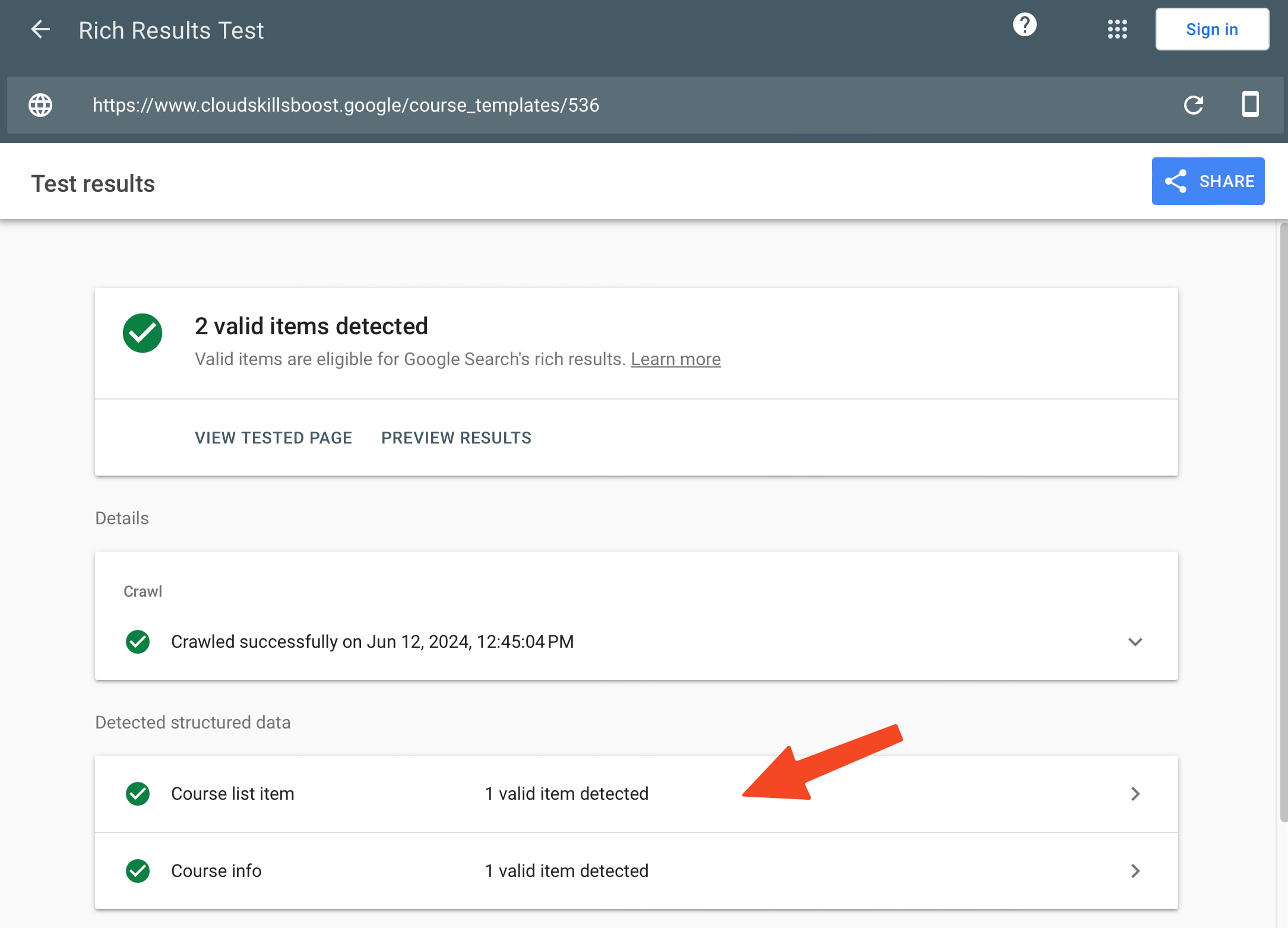
After implementation, immediately use Google’s Rich Results Test rich results test to validate your code. This tool will tell you if your structured data is valid and eligible for rich results, highlighting any errors or warnings. It’s an indispensable first step before expecting any changes in SERPs.
While plugins and generators simplify the initial setup, they often foster a “set it and forget it” mentality. The Google Rich Results Test confirms technical validity, but it doesn’t assess the semantic completeness or strategic effectiveness of your structured data. It’s easy for teams to stop at “valid” and overlook whether the data truly represents their business’s unique nuances or leverages all relevant properties for their specific industry. This can result in schema that is technically correct but functionally weak, failing to capture the specific rich results or search intent that could drive meaningful traffic.
The downstream consequence of this oversight is often a slow erosion of potential visibility. As search engines evolve and competitors refine their structured data, generic or incomplete schema becomes less impactful. This creates a hidden maintenance burden: what was “done” initially might need significant re-evaluation and updates later, often when resources are tighter or the original implementer has moved on. The frustration comes when teams realize they’ve been “doing” structured data but not seeing the expected returns, only to discover the underlying data was too shallow or outdated to compete effectively.
For small teams, the pressure to “just get it done” often means prioritizing technical validation over strategic depth. It’s easy to defer the deeper dive into schema types and properties when there are immediate fires to put out. However, this deferral accumulates as technical debt. When a problem eventually surfaces—perhaps a competitor starts dominating rich results—the effort required to fix years of generic or misaligned schema can be substantial and disruptive, forcing a reactive, costly overhaul rather than proactive optimization.
Monitoring and Troubleshooting Common Issues
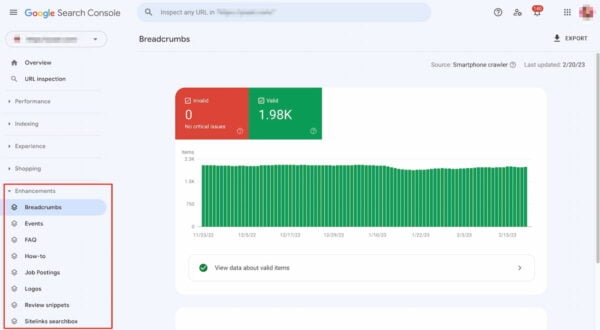
Implementing structured data isn’t a “set it and forget it” task. You need to monitor its performance and address issues promptly. Google Search Console is your primary dashboard for this. Navigate to the “Enhancements” section to see reports on various rich result types (e.g., Products, FAQs, Sitelinks searchbox). This is where Google will flag errors, warnings, or valid items.
Common issues include:
- Missing Required Properties: Each schema type has mandatory fields. Forgetting one will invalidate the rich result.
- Incorrect Data Types: Using text where a number is expected, or an invalid date format.
- Inconsistent Data: The data in your structured markup must match the visible content on the page. Discrepancies can lead to manual actions or rich result suppression.
- Spammy Markup: Don’t mark up hidden content or irrelevant information. This violates Google’s guidelines and can result in penalties.
Regularly check these reports, especially after site updates or new content launches. Addressing warnings and errors ensures your efforts translate into actual rich results. Remember, the goal is to provide accurate, helpful information to search engines, not to trick the system. Focus on quality and relevance, and your structured data will serve your business well.



Leave a Comment