


For small to mid-sized businesses, customer trust isn’t a luxury; it’s the bedrock of sustainable growth. Operating with limited budgets and lean teams means every interaction counts. This article cuts through the noise to deliver actionable strategies for earning and maintaining customer trust, focusing on what truly moves the needle when resources are tight. You’ll learn how to prioritize efforts that build genuine credibility, avoid common pitfalls, and foster loyalty that withstands market shifts, ensuring your business thrives on authentic relationships.
Prioritizing Authenticity Over Polish
In an era saturated with slick marketing, genuine authenticity stands out. Your audience, especially those dealing with smaller businesses, values transparency and realness far more than a perfectly polished facade. Trying to mimic the marketing budgets and production values of large corporations is a losing battle and often counterproductive.
Instead, focus on:
- Transparent Communication: Be clear about who you are, what you offer, and what customers can expect. This includes pricing, service limitations, and delivery timelines.
- Genuine Testimonials and Stories: Let your real customers speak for you. Unscripted, honest feedback from actual users carries immense weight.
- Behind-the-Scenes Glimpses: Occasionally sharing aspects of your team, your process, or your values humanizes your brand and builds connection.
What to delay: Investing heavily in high-production video ads or elaborate branding campaigns that don’t reflect your current operational scale. These can create an expectation mismatch that erodes trust faster than it builds it.
The Power of Consistent Value Delivery
Trust is built brick by brick through reliable experiences. For SMBs, consistency in delivering on promises is arguably the most critical trust-building exercise. It’s not about grand gestures, but about reliably meeting expectations, every single time.
To cultivate this, prioritize:
- Delivering on Promises: If you say a product ships in two days, ensure it does. If you promise a specific service outcome, achieve it.
- Consistent Product/Service Quality: Maintain a standard. Fluctuations in quality confuse customers and signal unreliability.
- Reliable Customer Support: Even if your team is small, ensure support channels are monitored and responses are timely, even if it’s just to acknowledge receipt and set expectations for a full reply.
What to avoid: Over-promising features, delivery times, or service levels that your current operational capacity cannot consistently support. This leads to disappointment and quickly breaks trust.
What’s often overlooked is the cumulative effect of minor inconsistencies. While a single missed delivery or a slightly off-quality product might seem negligible, a pattern of these small deviations erodes trust slowly, almost imperceptibly. Customers don’t always complain loudly; more often, they simply disengage and quietly seek alternatives. This silent churn is a hidden cost, as it deprives you of the opportunity to address the issue and recover the relationship, leading to a slow bleed of your customer base and stifling organic growth through referrals.
The pressure on small teams to maintain “reliable customer support” is also a common point of friction. In theory, it’s about timely responses. In practice, limited headcount means support often becomes a reactive firefighting exercise. The temptation is to prioritize immediate, high-severity issues, leaving less urgent but still important inquiries to languish. This creates internal stress and can lead to a cycle where the team is always catching up, never getting ahead, and customer frustration builds silently in the background, further straining the team’s capacity.
Furthermore, “delivering on promises” isn’t just about the initial commitment; it’s about how you manage inevitable disruptions. Supply chain issues, unexpected operational glitches, or even a key team member’s absence can derail even the best intentions. The true test of consistency isn’t just meeting promises when everything goes right, but how transparently and proactively you communicate when things go wrong. Failing to update customers about delays or changes, even minor ones, compounds the initial disappointment and signals a lack of respect for their time and business, turning a solvable problem into a significant trust deficit.
Leveraging Social Proof Effectively
People trust what other people say more than what a brand says about itself. For SMBs, leveraging social proof isn’t about chasing viral trends; it’s about systematically collecting and showcasing genuine customer experiences.
Focus your efforts on:
- Collecting and Displaying Reviews: Actively ask satisfied customers for reviews on relevant platforms (Google My Business, industry-specific sites, your own website). Make it easy for them. importance of online reviews
- Simple Case Studies: For B2B or service-based businesses, a concise, real-world example of how you helped a client solve a problem is incredibly powerful. Focus on the problem, your solution, and the tangible result.
- User-Generated Content (UGC): Encourage customers to share their experiences with your product or service on social media. Reshare and celebrate their content (with permission).
What to deprioritize or skip today: For most small to mid-sized businesses, investing heavily in complex influencer marketing campaigns or large-scale public relations efforts is often a misallocation of resources. These initiatives frequently require significant budgets, dedicated teams for management, and can yield unpredictable returns. Instead, channel those resources into directly soliciting and showcasing authentic customer feedback. A handful of genuine, detailed reviews from real customers on your website or Google profile will build more trust and drive more conversions than a fleeting mention from a high-cost influencer who may not deeply understand or even use your product.
While the act of collecting reviews seems straightforward, the hidden cost often lies in the consistent monitoring and thoughtful response required. Ignoring negative feedback or providing canned, unhelpful replies can erode trust faster than a lack of reviews. Teams frequently underestimate the ongoing time commitment to genuinely engage with all customer feedback, turning what should be a positive initiative into a source of internal and external frustration if not managed proactively.
Similarly, the ‘simple’ in simple case studies often belies the practical challenges. Securing client permission, gathering specific data points, and obtaining timely approvals can become a significant bottleneck. What looks like a quick win on paper can drag on for months, tying up internal resources and creating pressure to ‘just get it done,’ sometimes at the expense of true depth or authenticity. The theory of a quick, impactful story often clashes with the real-world complexities of client collaboration and legal review.
Finally, encouraging user-generated content is effective, but it comes with a crucial downstream responsibility: consistent engagement. If you ask customers to share their experiences and then fail to acknowledge, reshare, or interact with their content, the initial enthusiasm quickly wanes. This can lead to a sense of being unheard or unappreciated, effectively discouraging future participation and turning a potential community-building effort into a one-sided request that ultimately backfires on customer loyalty and future advocacy.
Transparent Communication in Action
Openness builds bridges, especially when things don’t go perfectly. Proactive and honest communication fosters a sense of partnership with your customers, reinforcing that you value their trust.
Key areas to focus on:
- Clear Pricing and Terms: No hidden fees, no confusing jargon. Present your pricing structure and terms of service in an easy-to-understand manner.
- Honesty About Limitations: If a product is out of stock, say so and provide an estimated restock date. If a service has a specific scope, make that clear upfront.
- Proactive Problem Resolution: If a mistake happens, acknowledge it quickly, explain what went wrong (without making excuses), and outline steps to resolve it.
- Accessible Support: Ensure customers know how to reach you for questions or issues, and that their inquiries will be addressed promptly.
What to avoid: Vague language, burying important information in fine print, or delaying communication when issues arise. These practices quickly erode credibility.
Building Trust Through Expertise (Without Being Arrogant)
Demonstrating your expertise positions you as a reliable authority in your field, but it must be done in a helpful, not boastful, way. Your goal is to educate and empower your audience, not just impress them.
Consider these approaches:
- Share Practical Insights: Create blog posts, guides, or short videos that solve common problems for your target audience. Focus on actionable advice, not just theoretical concepts. practical marketing tips for small business
- Answer Common Questions: Develop an extensive FAQ section or create content that directly addresses the questions your customers frequently ask.
- Show, Don’t Just Tell: Instead of claiming to be an expert, demonstrate it through the value you provide in your content and interactions.
What to delay: Producing overly academic whitepapers or highly technical content that doesn’t directly address your audience’s immediate, practical needs. For SMBs, accessible, problem-solving content is far more effective.
Sustaining Trust in a Dynamic Market
Earning trust is an ongoing process, not a one-time achievement. The market evolves, customer expectations shift, and new challenges emerge. Sustaining trust requires continuous effort and adaptability.
To keep trust strong:
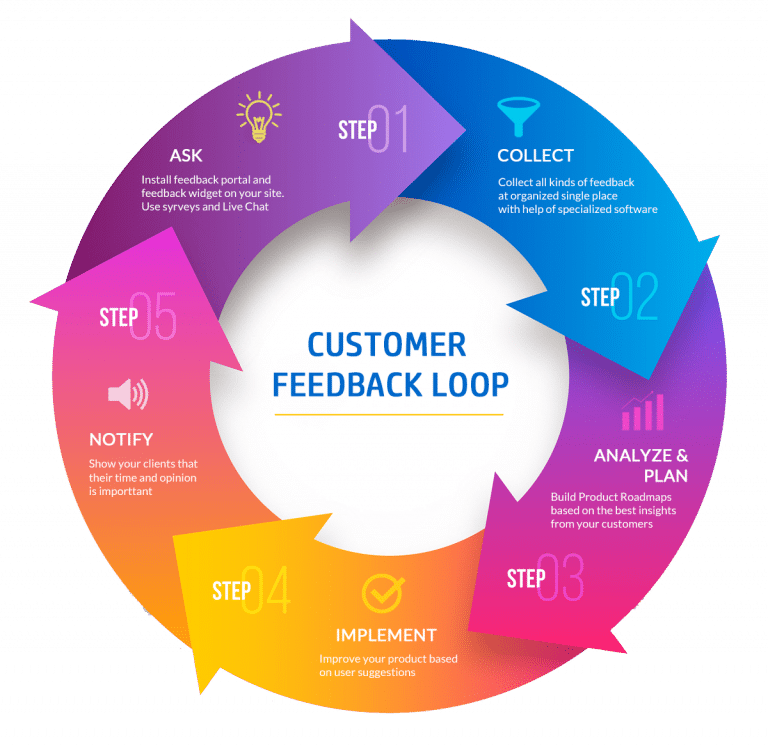
- Actively Listen to Feedback: Regularly solicit feedback through surveys, direct conversations, and monitoring online reviews. Use this input to improve.
- Adapt and Innovate Thoughtfully: Show customers you’re responsive to their needs and market changes, but do so in a way that maintains your core values and quality.
- Maintain Transparency: Continue to be open about changes, challenges, and successes.
- Reward Loyalty: Acknowledge and appreciate your long-term customers. Simple gestures can go a long way in reinforcing their decision to trust you.
What to avoid: Resting on past successes or becoming complacent. Trust can be lost much faster than it’s built if you stop actively nurturing customer relationships and adapting to their evolving needs.


Leave a Comment