

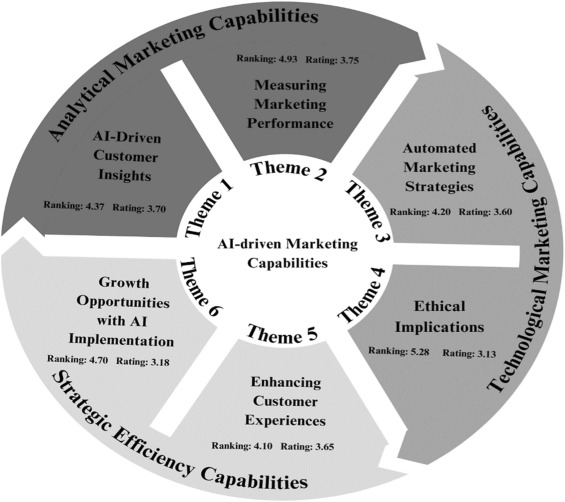
AI-Driven Social Media: Enhancing Content Personalization and Audience Engagement
For small to mid-sized businesses, navigating social media with limited resources often means sacrificing depth for breadth. This article cuts through the noise, showing you how to strategically deploy AI tools today to achieve more personalized content and genuinely boost audience engagement without overextending your team or budget. You’ll gain practical insights on what AI applications deliver real returns, what to prioritize, and what to wisely delay.
The goal isn’t to automate everything, but to intelligently augment your efforts, allowing your team to focus on high-value strategic tasks that only humans can perform. We’ll focus on actionable steps that work even with imperfect execution.
Why AI for Social Media Isn’t Just for Enterprises
Forget the notion that advanced AI is only for large corporations with dedicated data science teams. Currently, accessible AI tools are democratizing capabilities once out of reach for SMBs. These aren’t complex, custom-built systems, but rather off-the-shelf solutions or features integrated into platforms you likely already use. They offer a tangible advantage by streamlining repetitive tasks, providing data-driven insights, and enabling a level of personalization that was previously labor-intensive.
For a lean marketing team, AI means doing more with less, turning data into actionable content strategies, and fostering deeper connections with your audience, all while operating within real-world constraints.
However, the promise of “doing more with less” isn’t entirely without its own set of practical challenges. While off-the-shelf AI tools reduce the barrier to entry, they introduce a different kind of workload. The initial setup, ongoing calibration, and continuous refinement of AI-generated content demand a non-trivial investment of time and attention. It’s not just about pushing a button; it’s about training the AI, defining parameters, and meticulously editing its output to align with your brand voice and strategic objectives. The time saved on content *generation* often gets reallocated to content *curation, strategic guidance, and quality assurance* – a critical shift in labor that many teams initially underestimate.
A common, yet often overlooked, failure mode is the erosion of brand authenticity. Over-reliance on AI without sufficient human oversight can quickly lead to content that is technically correct but strategically bland or even off-brand. AI excels at pattern recognition and content assembly, but it struggles with nuance, genuine empathy, and the unique voice that defines a small business. The “personalization” it offers can quickly become generic if not infused with authentic human insight, risking a loss of connection rather than fostering it. This isn’t a theoretical concern; it’s a real-world consequence that can dilute your brand’s distinctiveness over time.
For teams operating under tight constraints, this introduces a new layer of decision pressure. You’re not just creating content; you’re constantly evaluating *when* to trust the AI, *when* to intervene, and *how much* to customize its suggestions. This requires developing a new competency in AI-assisted content strategy, rather than simply offloading tasks. Skipping this critical human layer often results in content that feels mass-produced, eroding the very authenticity SMBs rely on to stand out.
Prioritizing AI for Content Personalization
When it comes to content personalization, your first move should be leveraging AI for audience segmentation and generating tailored content variants. This is where AI delivers immediate, measurable value for SMBs.
- Refine Audience Personas: Use AI to analyze your existing social media data – engagement rates, demographics, common keywords in comments – to build more precise audience segments. Tools can identify patterns you might miss, helping you understand distinct groups within your followers.
- Generate Content Variants: Once segments are clear, employ AI writing assistants to create multiple versions of headlines, ad copy, and even initial drafts of social posts. These tools can adapt tone, length, and keyword usage to resonate specifically with each identified segment. This dramatically reduces the manual effort of crafting unique messages for different groups.
- A/B Testing with AI: Implement A/B testing with these AI-generated variants. This isn’t just about finding a winner; it’s about continuously feeding performance data back into your understanding of what resonates with each audience segment. Many social media ad platforms now offer AI-powered optimization for ad creative, making this process more efficient.
This approach allows you to speak directly to your audience’s needs and interests, moving beyond generic messaging. It’s about smart targeting, not just broad reach.
What often gets overlooked in the excitement of AI-driven personalization is the critical need for human oversight. While AI can identify patterns and generate content variants at scale, it lacks the nuanced understanding of brand voice, strategic intent, or the practical implications of a segment that is statistically distinct but too small or difficult to target effectively. Without a human strategist to validate AI-generated segments and refine content outputs, you risk creating messages that are technically personalized but off-brand, or targeting groups that yield minimal return on effort.
Furthermore, the ease of generating numerous content variants can quickly become an operational bottleneck. While AI reduces the initial creative lift, managing, deploying, and tracking the performance of dozens or even hundreds of unique pieces of content across various platforms introduces significant overhead. Small teams often find themselves overwhelmed by the sheer volume, struggling to maintain consistency, ensure timely updates, and accurately attribute results across a fragmented content landscape. This isn’t a problem of creation, but of content lifecycle management.
The downstream effect of this operational strain is often a quiet retreat from the very personalization efforts that promised efficiency. Teams, facing burnout and diminishing returns from an unmanageable content library, may revert to broader messaging out of necessity. Worse, the quality of individual content pieces can suffer due to rushed reviews or a lack of dedicated editorial attention, leading to a dilution of brand voice and a gradual erosion of audience trust, even as personalization metrics might appear to tick up in the short term. The initial gains from AI-driven efficiency can be quickly offset by the hidden costs of complexity and compromised quality.
Boosting Engagement with AI-Powered Interactions
After personalizing content, the next logical step is to enhance audience engagement through AI-powered interactions. This doesn’t mean replacing human interaction entirely, but rather augmenting it to handle volume and provide faster, more relevant responses.
- Automated First-Level Support: Deploy AI chatbots or automated response systems for common inquiries. These can answer FAQs, direct users to relevant resources, or even qualify leads before handing them off to a human. This frees up your team to handle complex issues.
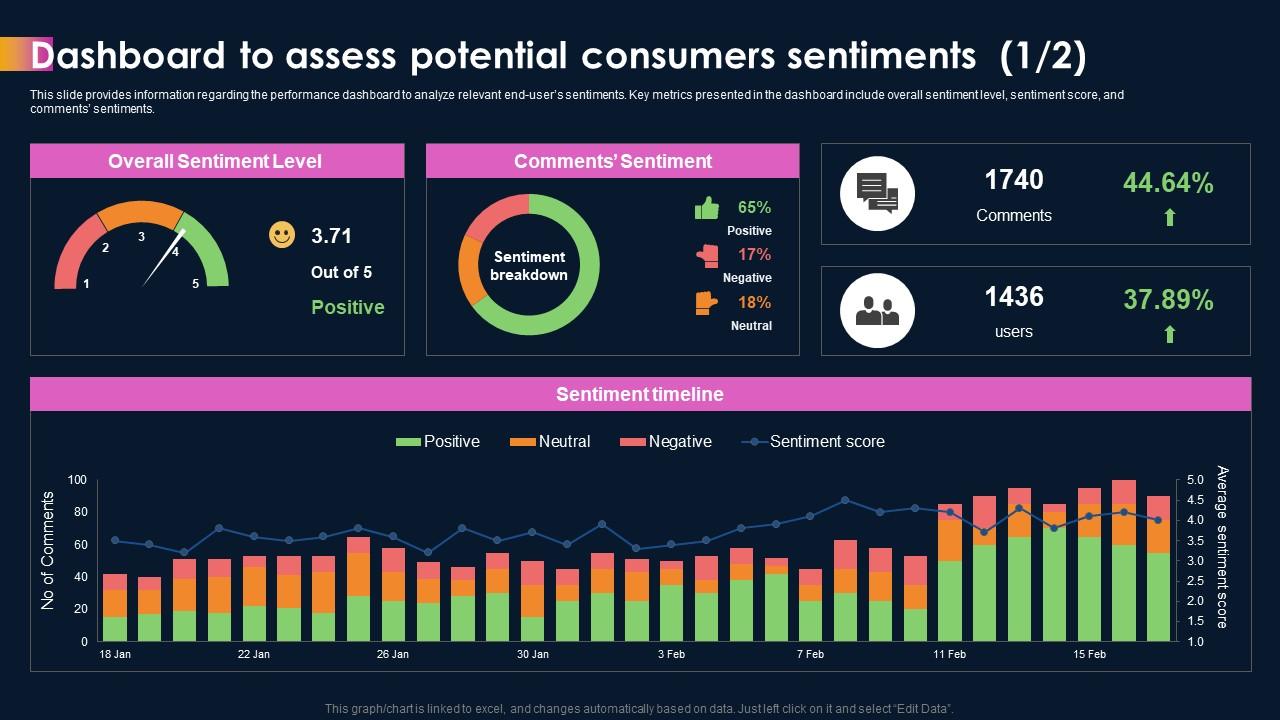
- Sentiment Analysis and Prioritization: Utilize AI tools to monitor comments and mentions for sentiment. This allows you to quickly identify positive feedback to amplify, or negative sentiment that requires immediate human intervention. Prioritizing responses based on urgency and sentiment ensures critical issues don’t get lost in the noise.
- Personalized Reply Suggestions: Some AI tools can suggest personalized replies based on the context of a comment or message. While a human should always review and approve, these suggestions significantly speed up response times and maintain a consistent brand voice.
The trade-off here is balancing efficiency with authenticity. AI handles the volume, allowing your team to focus on building genuine relationships where human touch is most impactful. AI for social media engagement
What to Deprioritize and Why
While AI offers immense potential, it’s crucial for SMBs to understand what to *deprioritize* to avoid wasted effort and resources. Today, you should largely deprioritize full automation of content *creation* for all social posts without significant human oversight. While AI can generate drafts and ideas, relying solely on it for final content often leads to generic, bland, or even inaccurate posts that lack your brand’s unique voice and perspective. For SMBs, authenticity and a distinct brand personality are critical differentiators. A fully automated content stream risks alienating your audience and diluting your brand identity. Invest your human capital in refining AI-generated drafts, injecting your brand’s unique insights, and ensuring factual accuracy and emotional resonance. Additionally, avoid investing heavily in complex, custom AI models for predictive analytics unless you have substantial data volume and dedicated data science expertise. Off-the-shelf tools and integrated platform features are more than sufficient for most SMB needs currently.
Implementing AI: A Phased Approach for SMBs
Adopting AI doesn’t require a massive overhaul. A phased, iterative approach works best for small to mid-sized teams:
- Identify a Single Pain Point: Start by pinpointing one specific area where your social media efforts are struggling. Is it content ideation, audience targeting, or responding to comments?
- Pilot a Specific Tool: Research and select an AI tool or platform feature that directly addresses that pain point. Many social media management platforms now integrate AI capabilities.
- Integrate and Test: Implement the tool into a small part of your workflow. Run a pilot program, measure its impact on your chosen metrics (e.g., engagement rate, response time, content reach).
- Evaluate and Scale: Based on the pilot’s success, refine your process and gradually scale the AI application to other areas. Don’t be afraid to adjust or even abandon tools that don’t deliver tangible results.
This incremental approach minimizes risk and allows your team to adapt to new technologies without disruption. AI tools for small business marketing
Navigating the AI Landscape for Real Results
The AI landscape is evolving rapidly, but the core principle for SMBs remains constant: use AI as a strategic enabler, not a magic bullet. Focus on practical applications that solve real problems, enhance your team’s capabilities, and ultimately drive better content personalization and audience engagement. Your judgment as a practitioner, combined with smart AI tools, is the most powerful asset you have. Continuously learn, experiment, and adapt your approach to stay effective in this dynamic environment.

Leave a Comment