


Expanding into international markets presents a significant opportunity for small to mid-sized businesses, but it demands a strategic, disciplined approach. This playbook cuts through the noise, offering actionable insights on how to identify the right markets, adapt your marketing effectively, and build a lean operational framework for global growth. You’ll learn where to focus your limited resources, what tactical steps deliver real results, and critically, what common pitfalls to avoid to ensure your international efforts translate into sustainable revenue.
Prioritizing Market Entry: Where to Focus First
Chasing every international opportunity without sufficient resources is a common pitfall for SMBs. A disciplined approach to market selection is paramount. Your initial focus isn’t just *how* to market globally, but *where* to concentrate your limited resources for maximum impact.
Evaluate potential markets using these core criteria:
- Demand Validation: Confirm a genuine need or interest for your offering. Look for existing search volume, competitor activity, or related industry trends. Avoid assuming domestic success translates directly.
- Market Accessibility: Assess language barriers, cultural nuances, regulatory hurdles, and logistical ease. High demand in a complex market might be a poor initial choice.
- Competitive Landscape: Can you realistically establish a presence? Highly saturated markets demand disproportionate investment.
- Operational Feasibility: Confirm your capacity for international shipping, payment processing, and basic local customer support.
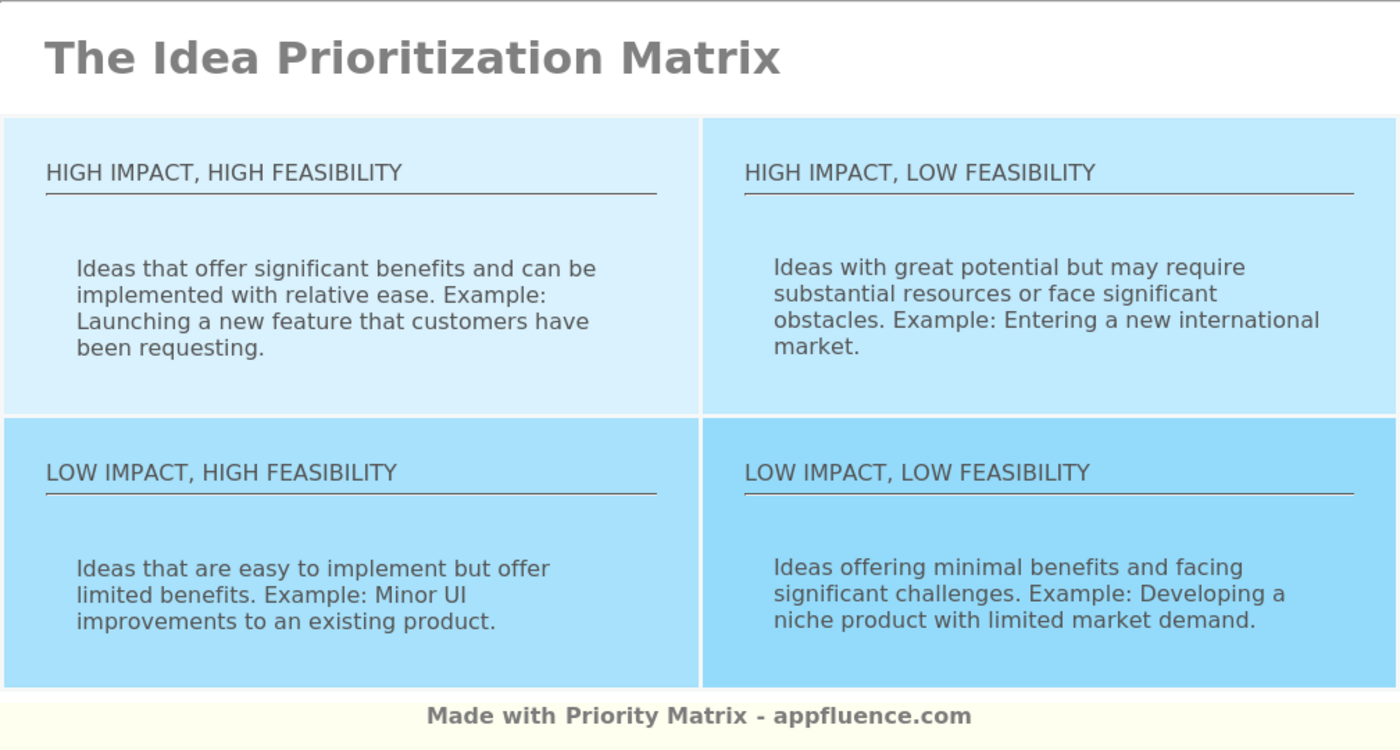
What to deprioritize or skip today: Resist the urge to enter “hot” emerging markets if your product-market fit isn’t clearly validated there, or if operational overhead is too high. For instance, if your product requires complex local installation or highly specialized customer service, a market with a completely different language and regulatory framework should be delayed. Prioritize markets offering a clearer, less logistically challenging path to initial traction, even if they appear less glamorous. Pragmatism over perceived potential is critical when resources are constrained.
Adapting Your Core Offering: Localization vs. Standardization
Once a target market is identified, adapt your marketing and, to some extent, your product. This isn’t about reinvention, but making your offering relevant and accessible. Most SMBs benefit from a pragmatic middle ground between full standardization and deep localization.
Focus on these key adaptations:
- Translate Core Marketing Assets: Professionally translate your website’s essential pages, product descriptions, and primary ad copy. Machine translation often lacks nuance and can undermine credibility.
- Pricing Strategy: Research local pricing expectations and purchasing power. Direct currency conversion is rarely optimal; factor in local taxes and duties.
- Payment Methods: Offer locally preferred payment options. Beyond global credit cards, local debit systems, digital wallets, or bank transfers can significantly boost conversion. international payment gateways
- Basic Customer Support: Provide support in the local language, even if limited to email or a dedicated FAQ.
What to delay: Full product re-engineering or developing entirely new product lines for an international market should wait until significant traction and clear data justify the investment. Similarly, avoid over-investing in highly localized branding or creative campaigns before understanding the market’s response to your core value proposition.
What often gets overlooked is the ongoing operational burden of these adaptations. Professional translation isn’t a one-time expense; it’s a continuous commitment. As your core product or marketing messaging evolves, so too must your localized content. Failing to maintain up-to-date translations across all assets can quickly lead to inconsistencies, confusing customers and eroding the very credibility you aimed to build. This maintenance overhead, if not properly budgeted and staffed, becomes a hidden cost that can strain small teams.
Similarly, while local pricing research is critical, the practical implications extend beyond setting a number. Local market dynamics might demand significantly lower price points than your home market, putting unexpected pressure on your profit margins. Furthermore, integrating diverse local payment methods can introduce complexities in financial reconciliation, fraud detection, and customer refunds that differ from your established processes. These operational nuances can consume disproportionate amounts of team time, diverting focus from growth activities.
Even “basic” customer support in a local language carries a deeper challenge than simple translation. It requires understanding cultural communication norms, common local pain points, and even specific regional idioms. A direct translation of a standard support script might be technically correct but culturally tone-deaf, leading to frustration and a perception of impersonal service. The real work is not just speaking the language, but understanding how to effectively solve problems within that cultural context, which is a skill often scarce and difficult to scale quickly.
Building a Lean Marketing Engine Abroad
Replicating domestic marketing spend internationally is often unfeasible and unnecessary for SMBs. Prioritize high-impact, cost-effective digital channels that allow for precise targeting and measurable results.
- Localized SEO: Optimize your website for local search engines and keywords. This involves not just translation, but understanding local search intent and using country-specific domains or subdirectories. international SEO best practices
- Targeted PPC Campaigns: Leverage platforms like Google Ads and social media ads for geographic and language-specific targeting. Start with small budgets, test ad copy, and focus on high-intent keywords or audience segments.
- Local Partnerships: Identify local influencers, complementary businesses, or industry associations. This can be a highly cost-effective way to build trust and generate leads.
- Email Marketing: Cultivate a local email list and tailor content to regional interests and promotions.
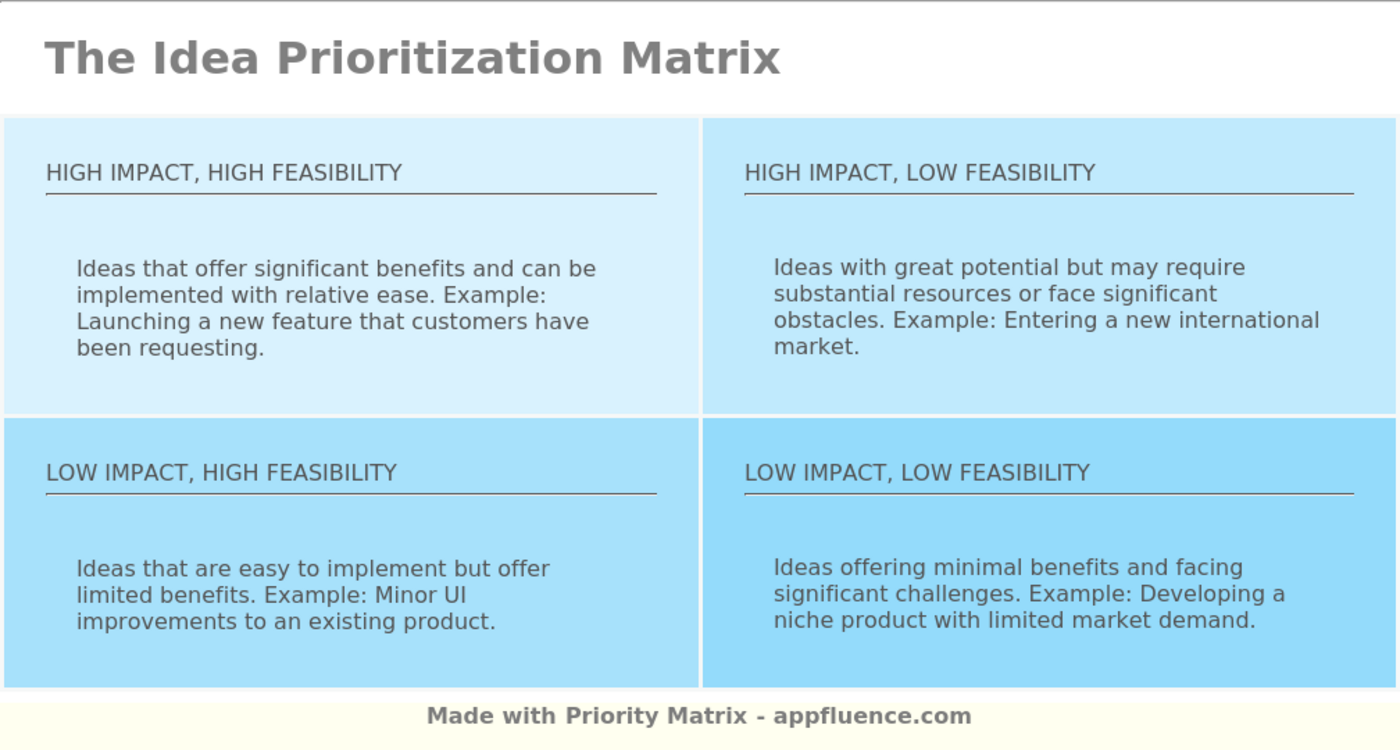
What to avoid: Large-scale traditional media buys (TV, radio, print) are generally too expensive and difficult to measure for SMBs entering new international markets. Also, refrain from launching broad, untargeted social media campaigns without a clear grasp of local platform usage and cultural norms. Focus on precision over volume.
While the channels listed offer a lean entry point, the real challenge often lies in the execution details that are easy to overlook. For instance, “localized SEO” and “targeted PPC” sound straightforward, but the practical reality of truly understanding local search intent or crafting ad copy that resonates culturally is a significant undertaking. It’s not just about translating keywords; it’s about understanding the nuances of how a different culture searches, what problems they articulate, and what solutions they expect. Failing to invest in this deeper cultural understanding can lead to campaigns that technically run but generate little meaningful engagement, effectively wasting budget on impressions that don’t convert.
A common pitfall is underestimating the ongoing commitment required for international efforts. Many teams treat international expansion as a one-off project, rather than an ongoing operational shift. This leads to a “set it and forget it” mentality, especially with digital channels. However, local markets evolve, competitors emerge, and cultural sensitivities can shift. Without dedicated resources for continuous monitoring, adaptation, and local feedback loops, even well-intentioned initial efforts can quickly become outdated or irrelevant, resulting in a slow bleed of resources without corresponding returns.
The pressure to show immediate results can also lead teams to prioritize easily quantifiable metrics like clicks or impressions over deeper, more qualitative insights into market fit or customer sentiment. This creates a false sense of progress. A high click-through rate on an international PPC campaign might seem like a win, but if the landing page experience is culturally jarring or the product messaging misses the mark, those clicks are just expensive bounces. The downstream effect is often a frustrated sales team, high customer acquisition costs, and a damaged perception of the brand in the new market, all because the initial metrics were interpreted without sufficient local context.
Operationalizing for Global Reach: Practical Considerations
Marketing success can be undermined by operational gaps. Even with a strong product and localized messaging, if you can’t deliver, process payments, or provide basic support, efforts will falter. The goal is a reliable foundation, not an immediate global empire.
- Basic Analytics Setup: Configure your analytics (e.g., Google Analytics 4) to track international traffic, conversions, and user behavior by region. This is essential for performance understanding.
- Legal and Compliance Basics: Understand fundamental data privacy (e.g., GDPR, local equivalents) and consumer protection laws in your target market. Compliance is non-negotiable.
- Shipping and Logistics: Research reliable international shipping partners and understand customs, duties, and taxes. Transparent shipping costs are crucial for conversion.
- Local Banking/Payment Processing: While global processors exist, a local bank account or payment gateway can sometimes reduce fees and enhance customer trust.
What to delay: Avoid immediate investment in complex international CRM or ERP systems. Start with simpler, scalable solutions that integrate with existing tools. A dedicated local office or full-time international sales team should wait until significant market traction and revenue clearly justify the overhead.
Measuring Success and Iterating for Continuous Improvement
International expansion is an ongoing process of learning and adaptation. Without clear metrics and a commitment to iteration, you’re operating blindly. Define specific Key Performance Indicators (KPIs) for each market, distinct from your domestic targets.
- Market-Specific KPIs: Track website traffic, conversion rates for localized pages, cost per acquisition (CPA) for international campaigns, and customer lifetime value (CLTV) for international customers.
- A/B Testing: Continuously test different ad creatives, landing page layouts, and calls to action to optimize performance in each market. Cultural nuances significantly impact resonance.
- Feedback Loops: Actively solicit feedback from international customers via surveys, direct service interactions, or social media monitoring. Their insights are invaluable.
- Budget Reallocation: Be prepared to shift marketing spend between markets based on performance. Reallocate resources to capitalize on success.
The objective is not day-one perfection, but consistent, data-driven improvement. Treat each new market as a distinct experiment, learn from results, and adjust your playbook accordingly.


Leave a Comment