

Navigating Responsible Social Media Engagement for Young Audiences
For small to mid-sized businesses, engaging with younger audiences on social media presents both opportunities and significant responsibilities. This guide cuts through the noise to offer practical, actionable strategies that protect your brand, ensure compliance, and build genuine trust without overstretching your limited resources. You’ll gain clear insights on what to prioritize, what to delay, and what to avoid to maintain brand integrity and foster positive connections.
By implementing these focused approaches, your team can confidently navigate the complexities of youth engagement, safeguarding your brand’s reputation and ensuring your marketing efforts remain effective and ethical in today’s evolving digital landscape.
Why Responsible Engagement is a Business Imperative
Today, responsible engagement with young audiences isn’t just about good ethics; it’s a critical business imperative. Evolving regulations, increased public scrutiny, and a heightened consumer awareness around data privacy and content appropriateness mean that missteps can lead to significant brand damage, legal challenges, and a loss of customer trust. For SMBs, where reputation is often everything, proactive measures are far more cost-effective than reactive damage control. Building a reputation for responsibility can differentiate your brand and foster long-term loyalty.
What often gets overlooked are the downstream effects that extend far beyond a public apology or a regulatory fine. The real cost isn’t just the penalty itself, but the internal disruption. Legal teams, marketing, and even product development are pulled away from core initiatives to manage the crisis, conduct internal audits, and retrain staff. This diversion of resources can stall product launches, delay market expansion, and ultimately impact revenue growth in ways that are hard to quantify but deeply felt.
Another common pitfall is treating compliance as a one-time project. Regulations are not static; they evolve, often in response to new technologies or shifting societal norms. What was considered compliant last year might be a liability today. This necessitates ongoing monitoring and adaptation, a continuous operational overhead that many small teams struggle to budget for or prioritize amidst daily demands. The temptation to “set it and forget it” is strong, but it’s a recipe for future non-compliance.
For teams operating with limited bandwidth, the pressure to interpret often vague regulatory guidelines can be immense. Unlike large enterprises with dedicated legal counsel, SMBs frequently grapple with frameworks that provide principles rather than prescriptive checklists. This ambiguity forces difficult judgment calls, leading to either over-engineering solutions that drain resources unnecessarily, or under-engineering, leaving the business exposed. The fear of making the wrong call can lead to decision paralysis or inconsistent application of policies, creating internal friction and external risk.
Given these constraints, it’s crucial to prioritize. Attempting to achieve perfect, gold-standard compliance across every single piece of content or platform from day one is often an unrealistic and resource-intensive endeavor. Instead, focus on identifying and mitigating the highest-risk areas first—those with the most direct interaction with young audiences or the most sensitive data. Build a foundational framework and iterate, rather than letting the pursuit of comprehensive perfection delay critical initial steps.
Prioritizing Your Approach: What to Do First
With limited time and budget, focus on these foundational steps:
Conduct a Content Audit: Review all existing social media content. Identify anything that could be misinterpreted by a younger audience, contains sensitive themes, or promotes products/services inappropriate for minors. Prioritize removing or archiving such content immediately. This is your first line of defense.

Social media content audit workflow Utilize Platform-Specific Age-Gating: Most major social media platforms offer built-in tools to restrict content access based on age. Implement these settings rigorously for any content or accounts that might attract a younger demographic, even if your primary target is older. This is a non-negotiable technical control.
Establish Clear Internal Guidelines: Develop a concise, easy-to-understand set of rules for your content creators and social media managers. These guidelines should cover tone, acceptable topics, image use, and interaction protocols when engaging with or potentially reaching young users. Simplicity ensures compliance.
Understand Your Audience Demographics: Use platform analytics to genuinely understand the age distribution of your followers. If a significant portion is under eighteen, adjust your strategy accordingly, even if they aren’t your primary target. Ignorance is not an excuse.
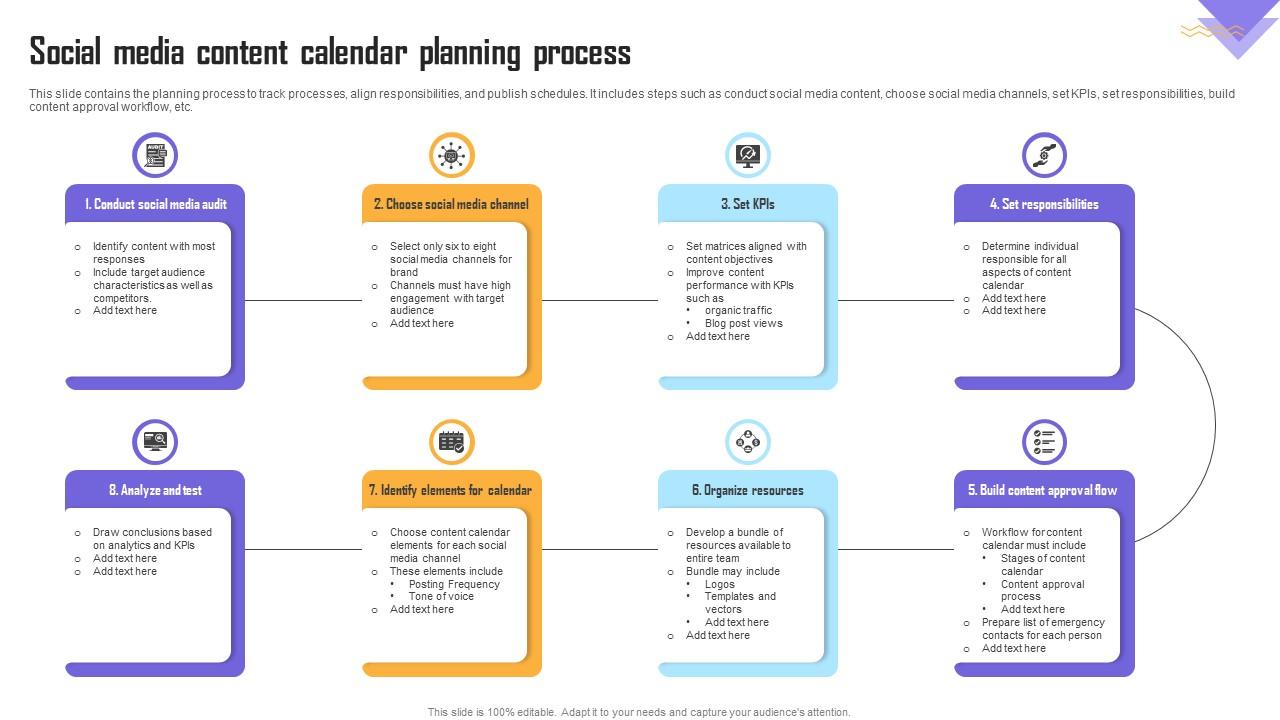
While a content audit is a critical first step, its immediate benefit can mask a hidden cost: the loss of historical performance data. Archiving content without proper documentation or analysis means you might be discarding insights into what resonated with your *intended* audience, even if that content was problematic for minors. This isn’t just about removing risk; it’s about making a trade-off that can impact future content strategy and require additional effort to rebuild engagement momentum.
Similarly, relying solely on platform-specific age-gating can create a false sense of security. While these technical controls are essential, they are not foolproof. Users can misrepresent their age, and content can still be shared or viewed outside the platform’s direct control. The real challenge lies in the ongoing vigilance required, not just the initial setup. Teams often overlook the need for continuous monitoring and a deeper understanding of how content might be consumed beyond the immediate platform interface.
Establishing clear internal guidelines is straightforward on paper, but consistent enforcement under real-world pressure is where theory often diverges from practice. Small teams, often juggling multiple responsibilities, can find themselves making quick judgment calls that bend or misinterpret guidelines to meet publishing demands. This leads to a creeping inconsistency that erodes the effectiveness of the rules over time. Furthermore, truly understanding audience demographics can present a difficult strategic dilemma: if analytics reveal a significant minor audience despite your best efforts, the decision to further restrict content can feel like a penalty, potentially sacrificing reach and engagement with your primary target. These aren’t just data points; they’re human-level pressures that force difficult trade-offs between compliance and growth.
Practical Strategies for Responsible Engagement
Once the basics are covered, integrate these strategies into your ongoing operations:
Create Age-Appropriate Content: When your content might reach younger eyes, focus on universal, positive themes. Avoid complex political topics, mature humor, or content that could encourage unhealthy behaviors. Keep language simple and direct. If in doubt, err on the side of caution.
Transparency in Advertising: Always clearly disclose sponsored content or advertisements. Younger audiences, like all consumers, deserve to know when they are viewing promotional material. Use platform-specific disclosure tools where available. social media advertising disclosure guidelines
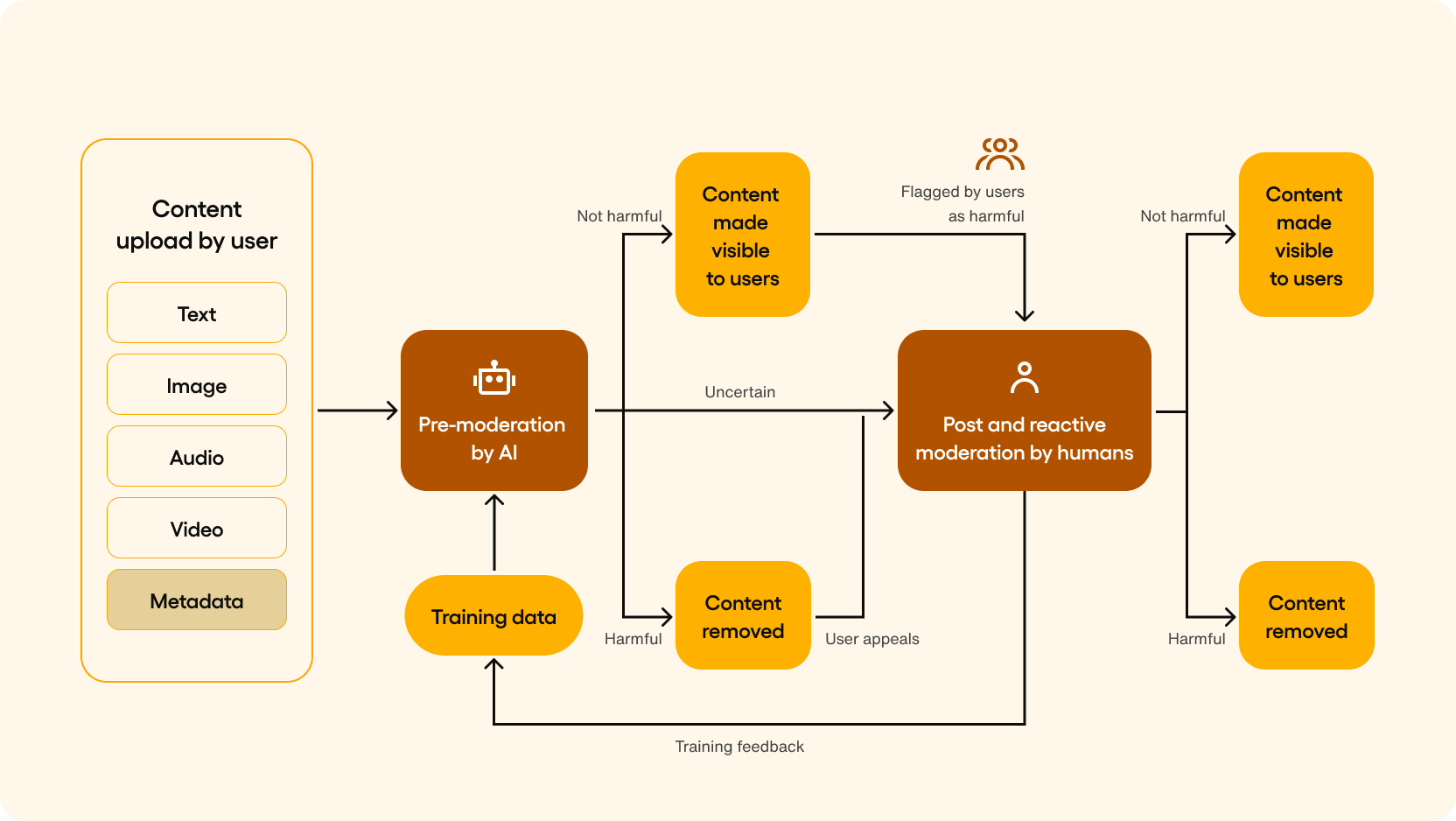
Proactive Moderation: Actively monitor comments and direct messages. Establish a clear process for quickly removing inappropriate content, bullying, or attempts to solicit personal information from young users. Swift action protects your community and your brand.

Content moderation process flowchart Prioritize Privacy: Never solicit personal information from users, especially those who appear to be minors. Educate your team on data privacy best practices and ensure all interactions comply with relevant privacy regulations. Assume limited understanding from younger users regarding their own data.
Vetting Influencers and Partners: If you work with influencers, ensure they understand and adhere to your responsible engagement guidelines, particularly concerning age-appropriate content and disclosures. Their actions reflect directly on your brand.

Responsible influencer vetting checklist

What to Delay or Avoid Today
For small to mid-sized teams, certain approaches, while potentially effective for larger enterprises, are resource-intensive and carry disproportionate risk. Today, you should deprioritize or outright avoid:
Complex AI-driven age verification systems: These are often costly, require significant integration, and can be inaccurate, leading to user frustration. Rely instead on platform-native age-gating and clear content guidelines. The operational overhead isn’t worth the marginal gain for most SMBs.
Heavy reliance on unmoderated user-generated content (UGC) campaigns: While UGC can be powerful, the risk of inappropriate submissions or comments from younger users is high. The constant, rigorous moderation required to manage this safely is often beyond an SMB’s capacity. If you use UGC, ensure it’s pre-screened or heavily moderated.
Launching new social media accounts solely to target very young audiences: Unless your core product or service is explicitly for children and you have dedicated resources for compliance and moderation, avoid creating new channels that could inadvertently attract a very young demographic. Stick to platforms where you can effectively manage existing controls and audience demographics.
Ignoring platform terms of service regarding age restrictions: This is not a strategy to delay, but one to avoid entirely. Violating platform rules can lead to account suspension and severe brand reputation damage. Always adhere to the minimum age requirements of each platform.
Building Lasting Brand Equity Through Responsibility
Responsible social media engagement with young audiences is an ongoing commitment, not a one-time task. By prioritizing clear guidelines, utilizing platform tools, and maintaining a vigilant approach to content and moderation, your SMB can build a reputation for trustworthiness and integrity. This proactive stance not only mitigates risks but also strengthens your brand’s long-term equity, fostering a positive relationship with all your audiences, including the next generation of consumers.



Leave a Comment