

Beyond the Hype: Where AI Delivers Real Value Today
This article cuts through the noise surrounding AI marketing tools, offering a pragmatic roadmap for small to mid-sized businesses. You’ll gain clear insights into where to focus your limited resources for maximum impact, identifying the AI applications that deliver tangible results without overcomplicating your operations.
We’ll prioritize actionable steps, helping you decide what to implement now, what to hold off on, and what pitfalls to avoid entirely, ensuring your AI investments translate directly into business growth.
For small to mid-sized businesses, the true value of AI marketing tools in early 2026 isn’t in futuristic, complex systems, but in augmenting existing workflows and addressing common pain points. Focus on areas where AI can provide immediate, measurable gains with relatively low setup complexity and a manageable learning curve. These include:
- Content Generation and Optimization: Drafting blog posts, social media captions, email subject lines, and ad copy. AI can significantly accelerate content production and suggest improvements for SEO or engagement.
- Basic Data Analysis and Insights: Identifying trends in customer behavior, segmenting audiences for targeted campaigns, or summarizing performance reports. This helps make data-driven decisions without needing a dedicated analyst.
- Customer Service Automation: Implementing chatbots for frequently asked questions (FAQs) or routing inquiries, freeing up human staff for more complex interactions.
- Ad Optimization Support: Receiving suggestions for audience targeting, bid adjustments, or ad creative variations based on performance data.
These applications offer the most accessible entry points for SMBs looking to leverage AI without overstretching their budgets or technical capabilities.
Prioritizing Your AI Marketing Toolkit: What to Implement First
With limited resources, strategic prioritization is key. Here’s where small to mid-sized teams should focus their initial AI implementation efforts:
- Content Creation & Optimization: This is often the lowest-hanging fruit. AI writing assistants can significantly boost your content output and improve its quality for search engines and audience engagement. Start by using AI to draft blog outlines, first-pass articles, social media posts, or email newsletters. This reduces manual effort, improves consistency, and directly impacts your organic reach and engagement.
- Audience Segmentation & Personalization: Once you have a handle on content, leverage AI-driven insights to refine your targeting for ads and email campaigns. AI can analyze past purchase data, website behavior, or demographic information to suggest new segments or personalize messaging. This improves campaign return on investment by ensuring your messages reach the right people with relevant content.
- Basic Chatbots for Customer Support: Implementing a simple chatbot to handle common customer inquiries on your website can significantly enhance customer experience and reduce the operational load on your team. Focus on automating answers to frequently asked questions before attempting more complex conversational AI.
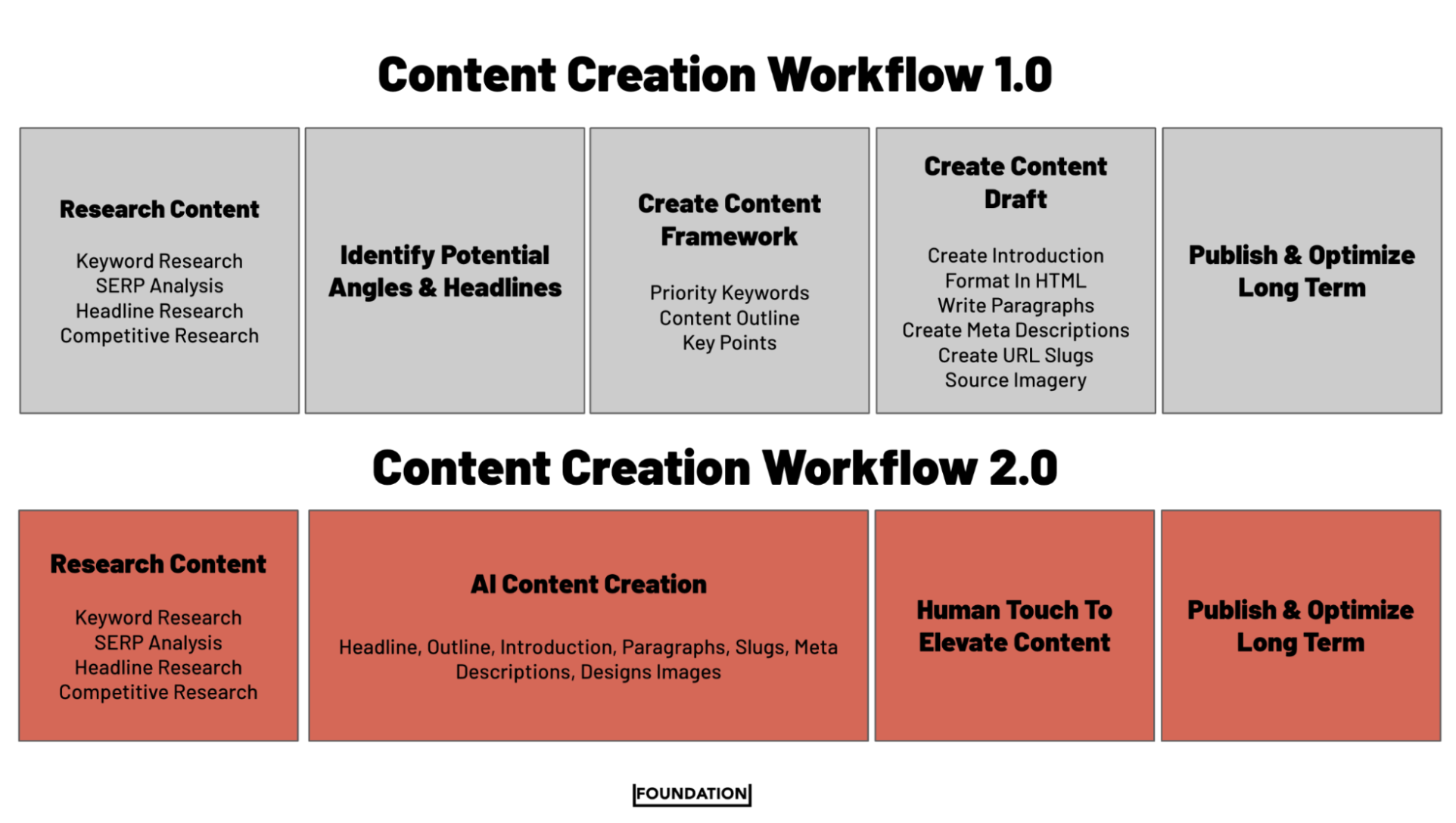
While AI can draft, the critical step often overlooked is the human refinement required to elevate it beyond generic output. Teams frequently underestimate the time needed for fact-checking, infusing brand voice, and adding unique insights. Rushing this leads to content that might be plentiful but lacks authority or originality, ultimately failing to resonate long-term and potentially eroding audience trust.
Similarly, AI-driven segmentation isn’t a magic bullet. The insights generated are only as good as the data fed into the system, and interpreting those segments still demands seasoned marketing judgment. It’s easy to get caught up in the novelty of new segments without truly understanding the ‘why’ behind them, leading to misdirected personalization efforts and wasted budget if the underlying data is flawed or the human strategy is absent.
For basic chatbots, the initial setup is just the beginning. A common pitfall is neglecting the seamless escalation path for inquiries the bot cannot handle. Customers quickly become frustrated if they hit a dead end or are forced to repeat themselves to a human agent, turning a potential efficiency gain into a significant customer experience liability. Ongoing maintenance of the bot’s knowledge base and continuous monitoring of its performance are also non-negotiable, yet often deprioritized until issues arise, creating a reactive rather than proactive support environment.
What to Deprioritize (or Skip Entirely) Right Now
For small to mid-sized teams, the temptation to chase every new AI capability is strong, but resources are finite. Strategic deprioritization is crucial to avoid wasted investment and maintain focus:
- Complex Predictive Analytics: Unless you have dedicated data scientists or a very mature data infrastructure, advanced predictive models for forecasting sales or customer churn are often an inefficient use of resources. The setup cost, data quality demands, and specialized expertise required typically outweigh the immediate, actionable benefits for most SMBs. Prioritize descriptive and diagnostic analytics first – understanding what happened and why – before attempting to predict the future with high-cost tools.
- Fully Autonomous Campaign Management: While the promise of AI running entire marketing campaigns without human intervention is appealing, it’s a significant risk for SMBs. AI excels at optimizing within defined parameters, but strategic direction, creative nuance, brand voice consistency, and adapting to unexpected market shifts still demand human judgment. Maintain control; use AI as an intelligent assistant for tasks like bid management or audience targeting suggestions, rather than a replacement for your strategic marketing team.
- Investing in Proprietary AI Model Development: Avoid the allure of building custom AI solutions from scratch. The cost, time, and highly specialized talent needed are prohibitive for small to mid-sized businesses. Instead, leverage existing, off-the-shelf AI tools and platforms that integrate easily with your current tech stack. Focus on applying proven solutions to your specific challenges.
These areas demand significant upfront investment and ongoing expertise that most SMBs lack, leading to wasted budget and minimal return. Your focus should remain on accessible, practical applications that deliver measurable value with your existing team and resources.
Even when a small team manages to implement complex predictive analytics, the downstream burden of maintaining model accuracy and interpreting its outputs is often underestimated. Data environments in SMBs are rarely static; customer behavior shifts, market conditions evolve, and data sources change. This leads to ‘model decay,’ where predictions become less reliable over time, demanding continuous recalibration and validation by skilled personnel. Without this ongoing attention, the system can quietly generate misleading insights, leading to poor strategic decisions and a slow erosion of trust in the data, ultimately rendering the initial investment moot.
The allure of fully autonomous campaign management also hides a critical operational challenge: the ‘black box’ problem. When an AI system makes decisions without transparent reasoning, it becomes incredibly difficult for human teams to diagnose underperformance or explain unexpected results. This lack of visibility creates immense pressure and frustration, as practitioners are held accountable for outcomes they cannot fully understand or influence. It stifles the team’s ability to learn, adapt, and develop their own strategic intuition, turning marketing into a reactive exercise rather than a proactive, insight-driven function.
Furthermore, while leveraging off-the-shelf AI tools is a sound strategy, the practical reality of integrating them into an existing, often imperfect, tech stack is frequently overlooked. The ‘easy integration’ promised by vendors often assumes pristine data and standardized systems, which are rare in SMBs. Significant time and effort can be consumed in data cleaning, formatting, and building custom connectors to ensure these tools receive the quality data they need to function effectively. This hidden integration overhead can delay time-to-value, divert limited technical resources, and lead to tools becoming ‘shelfware’ – purchased but underutilized due to the unforeseen friction of implementation.
Integrating AI: Practical Steps for Small Teams
Successfully integrating AI doesn’t require a massive overhaul; it requires a strategic, iterative approach:
- Start Small, Iterate Fast: Don’t try to implement AI across your entire marketing stack at once. Pick one specific pain point – for example, generating social media captions or drafting email subject lines – and implement an AI tool there. Measure its impact, learn from the experience, and then gradually expand to other areas.
- Train Your Team: AI tools are only as effective as the people using them. Provide basic training on how to prompt effectively, review AI output critically, and integrate AI-assisted tasks into existing workflows. Focus on practical application rather than theoretical understanding.
- Focus on Augmentation, Not Replacement: Position AI as a co-pilot that enhances human capabilities, not a tool designed to replace jobs. This fosters adoption, reduces resistance, and ensures your team leverages AI to free up time for higher-value, strategic tasks.
- Leverage Existing Platforms: Many marketing platforms (CRM, email marketing, ad platforms) now have integrated AI features. Start by exploring and utilizing these built-in capabilities before adding standalone tools. This minimizes integration headaches and leverages tools your team is already familiar with. AI marketing features
Measuring Success and Adapting Your AI Strategy
Implementing AI without clear metrics is a recipe for wasted effort. Define success upfront and be prepared to adapt:
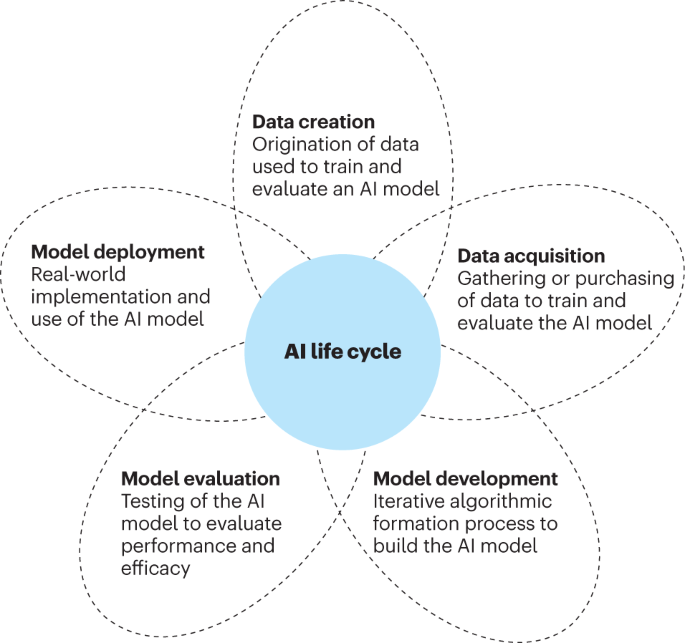
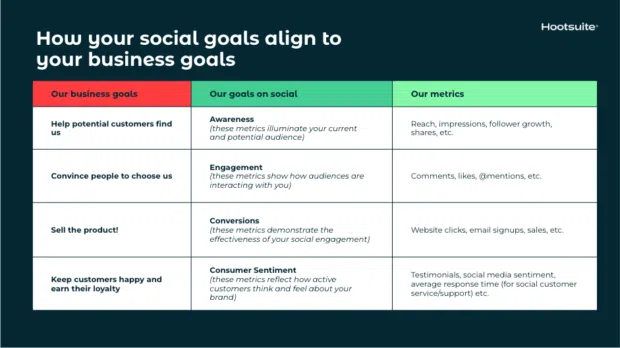
- Define Clear Key Performance Indicators (KPIs): Before implementing any AI tool, clearly articulate what success looks like. Is it increased content output, higher engagement rates, improved ad click-through rates, reduced customer service inquiries, or a specific time saving? Without clear KPIs, you cannot accurately assess value.
- Track Incremental Gains: AI’s value often comes from marginal improvements across many tasks, rather than a single revolutionary change. Don’t expect one AI tool to transform your entire business overnight. Focus on tracking these smaller, consistent gains that accumulate over time.
- Regular Review and Adjustment: AI models and tools evolve rapidly. Regularly review their performance against your defined KPIs and compare AI-assisted outcomes against human benchmarks. Be prepared to switch tools, adjust your prompts, or refine your strategy as you gather more data and as the technology matures.
- Conduct a Continuous Cost-Benefit Analysis: Continuously evaluate the cost of your AI tools (subscriptions, training time) against the time saved, efficiency gained, or revenue generated. Ensure the return on investment remains positive and aligns with your business objectives. measuring marketing ROI
The Future is Augmented, Not Automated
For small to mid-sized businesses, the most effective approach to AI marketing tools in 2026 and beyond is one of augmentation. AI will continue to evolve rapidly, offering increasingly sophisticated capabilities. However, human oversight, creativity, strategic thinking, and understanding of your unique brand voice and customer base remain paramount. Leverage AI to streamline repetitive tasks, generate insights, and enhance your team’s productivity, thereby freeing up valuable time for higher-value, strategic initiatives that truly differentiate your business.

Leave a Comment