

Many small to mid-sized businesses are currently experimenting with standalone AI marketing tools, often finding fragmented results. This article cuts through the noise, offering a pragmatic approach to integrating these tools into a cohesive ecosystem. You’ll gain clear guidance on prioritizing AI investments, identifying critical integration points, and building a system that delivers real, measurable value despite limited resources.
Our focus is on what actually works to streamline operations and boost marketing effectiveness, not just adding more tools to your stack.
The Pitfall of Fragmented AI Adoption
Currently, it’s easy for small and mid-sized businesses (SMBs) to fall into the trap of adopting AI tools in isolation. A new AI writing assistant here, an AI-powered ad optimizer there, and perhaps an AI chatbot somewhere else. While each tool might offer individual benefits, this piecemeal approach often leads to data silos, workflow inefficiencies, and a lack of holistic insight. The promise of AI isn’t fully realized when tools don’t communicate or contribute to a unified strategy. For teams with limited headcount, managing a disparate collection of tools can become a burden rather than an advantage.
Prioritizing Integration: Where to Start
Building a cohesive AI marketing ecosystem isn’t about buying every new AI solution. It’s about strategic integration that solves real business problems and enhances existing workflows. For SMBs, the starting point should always be identifying core pain points where AI can offer immediate, tangible value and where integration can amplify that value. Think about areas where manual effort is high, data is underutilized, or personalization is lacking.
- Content Workflow Automation: Integrating AI writing tools with your SEO analysis and content management systems can streamline content creation, optimization, and publishing. This means less time spent on drafting and more on strategy and refinement.
- Customer Journey Personalization: Connecting AI-powered chatbots or recommendation engines with your CRM and email marketing platform allows for more personalized interactions and targeted communications throughout the customer lifecycle.
- Ad Campaign Optimization: Linking AI-driven ad platforms with your analytics and CRM data can lead to smarter bidding, better audience segmentation, and improved ROI without constant manual adjustments.
What often gets overlooked in the pursuit of integration, however, are the hidden costs and delayed consequences. The initial setup is rarely the end of the story. Maintaining data quality across disparate systems becomes a continuous operational burden. If your CRM data is messy, feeding it into an AI personalization engine won’t magically clean it; it will simply amplify the mess, leading to irrelevant communications and frustrated customers. This isn’t a one-time fix; it’s an ongoing commitment to data hygiene that demands dedicated attention and resources, often more than initially budgeted.
Furthermore, the promise of “set it and forget it” is a dangerous myth. While AI automates tasks, it doesn’t eliminate the need for human oversight and strategic judgment. Teams can easily fall into a trap of passively accepting AI outputs without critical evaluation. This creates a skill gap: the need for practitioners who understand not just how to use the tools, but how to interpret their results, identify biases, and intervene when the AI veers off course. Without this active human “in the loop,” the efficiency gains can quickly be negated by errors, miscommunications, or a gradual drift away from core brand messaging.
The most insidious failure mode often manifests as a second-order effect: a slow, unacknowledged erosion of brand equity or customer trust. An AI optimizing ad spend might achieve impressive short-term ROI metrics, but if it does so by targeting audiences with increasingly aggressive or off-brand messaging, the long-term damage to customer relationships can be substantial. Similarly, an AI-driven content tool, left unchecked, might produce high volumes of SEO-optimized but bland or repetitive content, diluting your unique voice over time. These subtle shifts are hard to detect in daily operations but accumulate into significant problems that are far more expensive to fix than to prevent with consistent human review and strategic alignment.
What to Deprioritize (and Why)
Given limited budgets and operational capacity, it’s crucial to know what to delay or skip entirely. Today, many SMBs should deprioritize highly specialized, enterprise-grade AI solutions that require significant data engineering, custom model training, or deep integration with complex legacy systems. These tools often come with high subscription costs and demand dedicated technical resources that most SMBs simply don’t have. For instance, investing in a bespoke predictive analytics platform when your core CRM data isn’t clean or consistently updated is putting the cart before the horse. Focus on proven, off-the-shelf AI tools that offer robust API integrations or native connectors with platforms you already use, like HubSpot or Shopify. Avoid the “shiny object” syndrome; a tool’s novelty doesn’t equate to immediate practical value for your specific constraints.
What often gets overlooked are the hidden costs beyond the initial subscription or implementation fee. Attempting to force-fit an enterprise-grade solution into an SMB context doesn’t just drain your budget; it consumes your most valuable, and often scarcest, resource: human capital. Your team, already stretched thin, diverts critical time and focus away from core revenue-generating activities to troubleshoot integrations, clean data for a system not designed for your current data hygiene, or try to interpret complex outputs without dedicated data scientists. This isn’t just inefficient; it’s a direct opportunity cost, delaying progress on initiatives that could actually move the needle.
This often leads to what I call ‘pilot purgatory’ – a state where a promising, yet overly complex, AI solution never moves beyond a proof-of-concept. Teams invest weeks or months in setup and testing, only to find the ongoing maintenance, data requirements, or operational overhead are simply unsustainable for their current capacity. The consequence isn’t just a wasted financial investment; it’s a significant blow to team morale and a deep erosion of trust in future technology initiatives. When the next, more appropriate, off-the-shelf solution comes along, the team is already jaded and resistant, making even simple adoption a battle.
Building Blocks: Essential AI Integration Points
A truly cohesive AI marketing ecosystem relies on intelligent connections between tools. These aren’t just about data transfer; they’re about creating a continuous feedback loop that improves performance over time. Consider these critical integration points:
- CRM as the Central Hub: Your Customer Relationship Management (CRM) system should be the brain of your marketing ecosystem. Integrating AI tools for lead scoring, customer segmentation, and personalized outreach directly with your CRM ensures that all customer data is unified and actionable. CRM integration with AI marketing tools
- Analytics Platform for Unified Insights: Connect all your AI-powered marketing channels (social, ads, email) to a central analytics platform. This allows AI to learn from cross-channel performance data, providing a holistic view of campaign effectiveness and informing future optimizations. Google Analytics 4, for example, offers enhanced AI-driven insights when fed comprehensive data.
- Content Management System (CMS) for SEO & Personalization: Integrate AI content generation and optimization tools directly with your CMS. This ensures that AI-generated content adheres to SEO best practices and can be dynamically personalized based on user behavior or segment data.
Practical Steps for Implementation
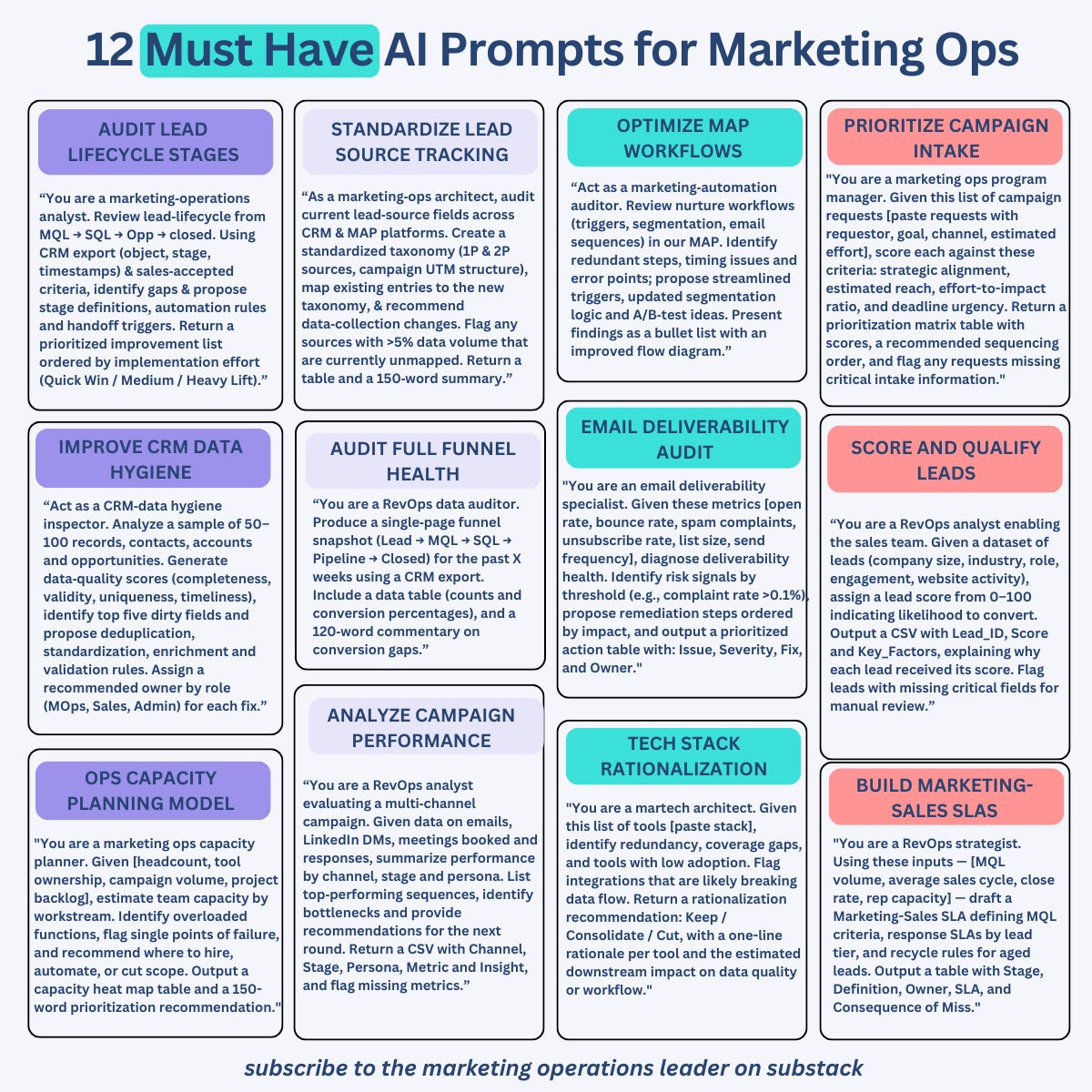
Implementing an integrated AI ecosystem requires a phased, pragmatic approach. Don’t try to overhaul everything at once.
- Audit Your Current Stack: List all your existing marketing tools, their primary functions, and what data they collect. Identify any existing integration capabilities (APIs, native connectors).
- Identify Key Workflows for AI Enhancement: Pinpoint one to two critical marketing workflows that are currently inefficient or underperforming. These are your prime candidates for AI integration.
- Select Complementary AI Tools: Choose AI tools that not only solve your identified pain points but also offer strong integration capabilities with your existing core platforms (CRM, CMS, analytics). Prioritize tools that are known for ease of use and good documentation.
- Pilot and Iterate: Start with a small pilot project. Integrate one or two AI tools into a specific workflow, monitor performance closely, and gather feedback. Be prepared to adjust and iterate based on real-world results.
- Establish Data Governance: As you integrate, ensure data consistency and quality across all platforms. Define clear rules for data input, transfer, and usage to prevent silos and ensure AI models are trained on reliable information.
Measuring Success in an Integrated Ecosystem
The true value of a cohesive AI marketing ecosystem lies in its ability to drive measurable business outcomes. Move beyond vanity metrics and focus on key performance indicators (KPIs) that reflect efficiency gains, improved customer experience, and revenue growth. Track metrics like lead conversion rates, customer lifetime value, ad spend efficiency, and content production velocity. The integrated nature of your tools should provide clearer attribution and a more complete picture of your marketing ROI, allowing for continuous optimization based on data-driven insights. Measuring AI marketing ROI


Leave a Comment