

The shift to AI-powered search isn’t a future trend; it’s today’s reality. For small to mid-sized businesses, this means traditional SEO tactics alone are no longer enough to secure visibility. This guide cuts through the noise, offering actionable strategies to re-align your SEO efforts, ensuring your business remains discoverable and relevant in a search landscape increasingly dominated by AI.
You’ll learn where to focus your limited time and budget to build a resilient search presence that delivers real results, emphasizing what truly works and what to set aside.
The AI-First Search Landscape: A Practitioner’s View
Search engines, particularly Google, are now deeply integrated with AI models like Gemini. This isn’t just about ranking web pages; it’s about understanding complex queries, synthesizing information, and providing direct answers or highly relevant summaries. For SMBs, this means the game has fundamentally changed from keyword matching to intent fulfillment. Your content needs to be genuinely helpful, comprehensive, and authoritative to be considered by these advanced AI systems. It’s less about gaming an algorithm and more about serving your audience better than anyone else.
The core implication is that AI systems are looking for deep understanding, not just surface-level keyword density. They can infer context, identify entities, and evaluate the overall quality and trustworthiness of information. This demands a strategic pivot: move beyond chasing individual keywords and instead focus on becoming the definitive resource for your niche.
Prioritizing Content for AI Understanding
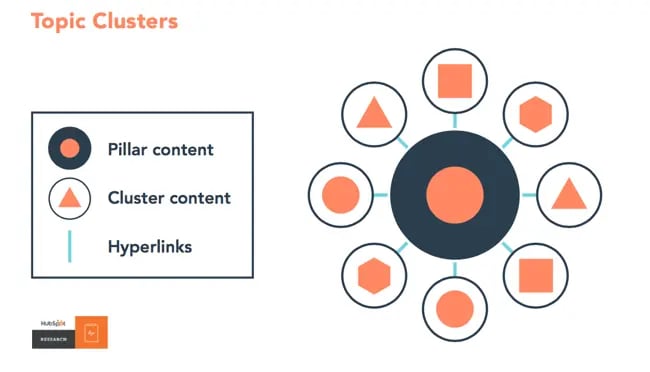
With limited resources, you can’t create content for every possible query. The pragmatic approach is to focus on “topic clusters” or “pillar content” that thoroughly covers a core subject relevant to your business. This strategy naturally aligns with how AI systems process information.
- Deep Dive into Core Topics: Identify the five to ten most critical problems your target audience faces that your product or service solves. Create comprehensive, long-form content (pillar pages) that addresses these topics exhaustively. Think “ultimate guides” or “complete explanations.”
- Answer User Intent, Not Just Keywords: Use tools like Google Search Console or Ahrefs/Semrush to understand the questions users are asking around your core topics. Structure your content to directly answer these questions, anticipating follow-up queries. AI prioritizes content that provides complete answers.
- Clarity and Structure are Paramount: AI models process structured data more effectively. Use clear headings (H2, H3, H4), bullet points, numbered lists, and concise paragraphs. This improves readability for humans and parseability for AI.
What often gets overlooked in the pursuit of comprehensive content is the ongoing maintenance burden. A pillar page isn’t a static asset; it’s a living document. Information decays, statistics become outdated, and competitive landscapes shift. Neglecting regular updates can quickly turn a once-authoritative resource into a liability, eroding both user trust and AI’s perception of its relevance over time. The initial investment is only part of the equation; the sustained effort to keep it current is where many small teams falter, leading to a slow, silent decline in its effectiveness.
Another common pitfall is the temptation to make a pillar *too* exhaustive, trying to cover every conceivable angle. While the theory suggests completeness, in practice, this can lead to content bloat. A sprawling page, packed with tangential information, can overwhelm users looking for specific answers and even dilute the core message for AI. Teams often feel immense pressure to achieve “perfection” or “ultimate” status, which can result in analysis paralysis, delayed publication, or a loss of focus. The goal isn’t to write an encyclopedia, but to provide the most relevant and complete answer for the primary user intent, accepting that some secondary queries might be better served by supporting content.
Finally, the “cluster” aspect of topic clusters is frequently under-executed. Creating individual pieces of content, even excellent ones, isn’t enough. The power of this model for AI understanding and user navigation comes from a robust internal linking strategy. Without deliberate, contextual links between your pillar and its supporting cluster content, these pieces remain isolated. This diminishes the collective authority of the cluster and makes it harder for AI to fully grasp the depth and breadth of your expertise on a given subject. It’s a foundational element that, when skipped, significantly reduces the overall impact.
Building E-E-A-T in a Resource-Constrained Environment
Experience, Expertise, Authoritativeness, and Trustworthiness (E-E-A-T) are more critical than ever. AI models are trained on vast datasets and can discern signals of quality and credibility. For SMBs, building E-E-A-T isn’t about having a huge brand; it’s about demonstrating genuine value and reliability in your niche.
- Showcase Real-World Experience: Don’t just tell, show. Share case studies, testimonials, and examples of your work. If you’re a service business, highlight your team’s practical experience. If you sell products, demonstrate their use and benefits with real customer stories.
- Attribute Authorship Clearly: Ensure every piece of content has a clear author. Link to their professional bio, LinkedIn profile, or an “About Us” page that details their qualifications and experience. This signals expertise and accountability to AI systems.
- Cultivate Genuine Reviews and Mentions: Actively encourage customers to leave reviews on Google Business Profile, industry-specific sites, or social media. These external signals of trust are invaluable. Seek out opportunities for local press mentions or industry partnerships.
- Maintain Data Accuracy and Timeliness: Regularly audit your content for accuracy. Outdated information erodes trust. For local businesses, ensure your Google Business Profile is meticulously updated with correct hours, services, and contact information.
While attributing authorship is a clear directive, the ongoing maintenance of those author profiles is a common blind spot. A professional bio or LinkedIn profile that hasn’t been updated in years, or one that lists irrelevant past roles, can subtly undermine the very expertise it’s meant to convey. This isn’t just about a static page; it’s about demonstrating current relevance and continued engagement, which requires periodic review and updates – a hidden cost in time and attention often overlooked until it becomes a liability.
Similarly, cultivating genuine reviews is crucial, but the practical reality of managing them can quickly become overwhelming. It’s not enough to simply ask for reviews; you need a system for monitoring, responding, and integrating feedback. Ignoring negative reviews, or worse, engaging in defensive or unprofessional responses, can quickly erode trust. The pressure to maintain a high rating can also lead teams to focus on quantity over quality, missing opportunities to extract valuable insights from customer feedback that could genuinely improve offerings and further build E-E-A-T.
The mandate to “maintain data accuracy and timeliness” often sounds simpler in theory than it is in practice for lean teams. Regularly auditing a growing content library for factual correctness, broken links, or outdated statistics is a labor-intensive task that frequently gets deprioritized in favor of new content creation. The downstream effect is a slow but steady accumulation of small inaccuracies across the site. Over time, this makes a comprehensive audit a daunting, resource-intensive project, creating a technical debt that directly impacts perceived trustworthiness and authority, and ultimately, search performance.
Optimizing for Conversational and Semantic Search
As AI search becomes more conversational, users are typing or speaking longer, more natural language queries. Your content needs to be ready for this shift.
- Anticipate Natural Language Questions: Think about how a customer would speak their problem or question. Incorporate these natural language phrases into your content, especially in headings and introductory paragraphs.
- Provide Direct Answers: For common questions, provide concise, direct answers early in your content. This makes your page a strong candidate for featured snippets or AI-generated summaries.
- Leverage Structured Data (Schema Markup): While not a silver bullet, implementing schema markup (e.g., FAQ schema, HowTo schema, Product schema) helps AI systems understand the context and relationships within your content. Focus on the most relevant schema types for your business. schema markup guide
- Focus on Entities, Not Just Keywords: AI understands entities (people, places, things, concepts) and their relationships. When writing, think about the core entities in your niche and how your content connects them. For example, if you sell coffee beans, discuss “single-origin coffee,” “roasting profiles,” and “brewing methods” as interconnected entities.
What to Deprioritize Today
Given limited resources, it’s crucial to understand what provides diminishing returns in the current AI-powered search landscape. Stop obsessing over exact-match keyword density. AI models are sophisticated enough to understand synonyms, context, and intent without you needing to repeat keywords unnaturally. This tactic can actually hurt readability and signal low quality. Similarly, chasing every minor algorithm update with reactive, superficial changes is a waste of time. Focus on fundamental improvements to content quality and E-E-A-T instead of trying to reverse-engineer every tweak. You should also deprioritize extensive link building campaigns that focus purely on quantity over quality; a few high-authority, relevant links are far more valuable than dozens of low-quality ones. Your time is better spent creating truly valuable content that earns links naturally.
Measuring Success in the New Search Era
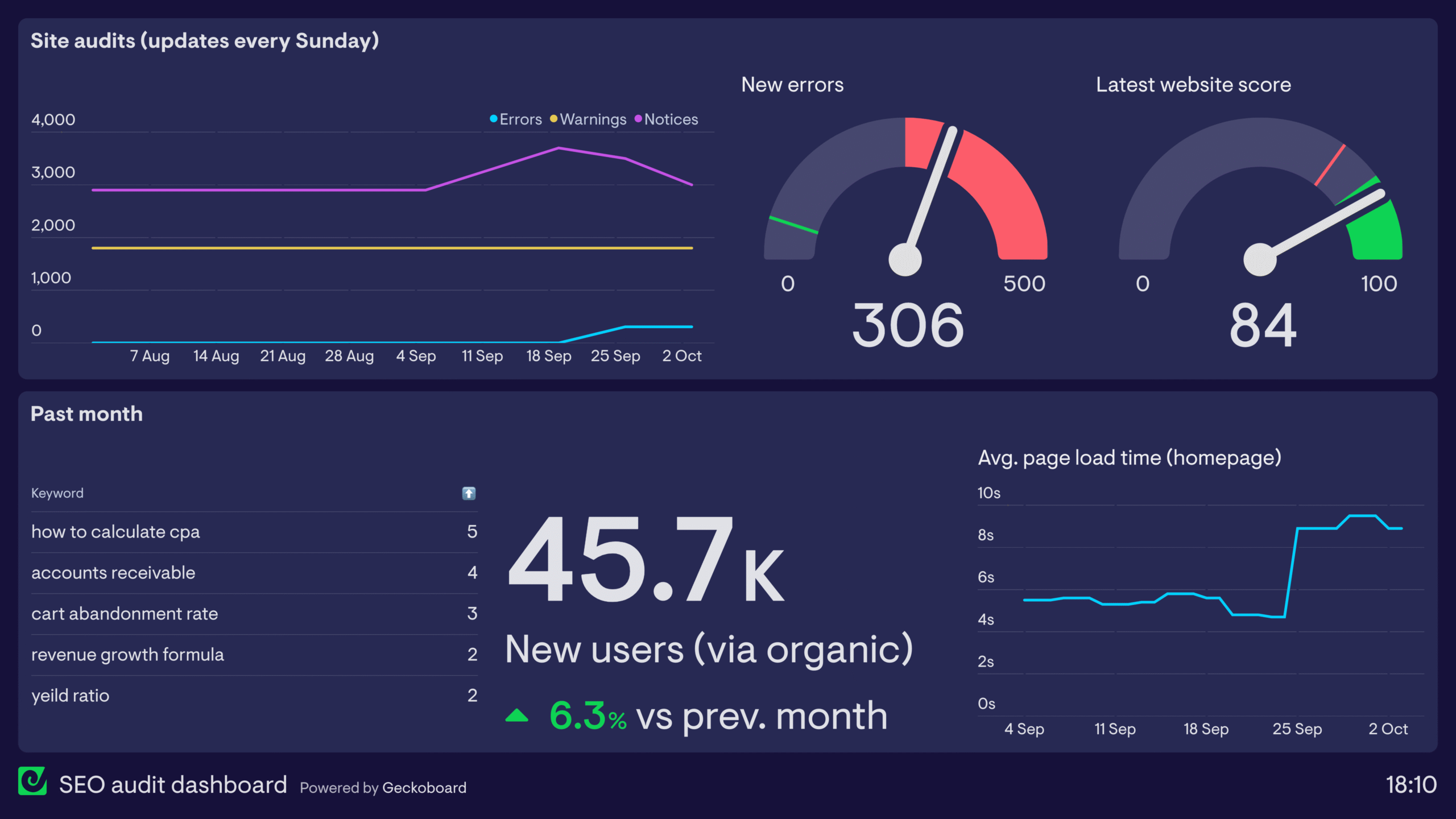
Traditional ranking metrics are still relevant, but they don’t tell the whole story in an AI-first world. You need to look deeper into user engagement and conversion metrics to truly understand your SEO performance.
- Beyond Rankings: Focus on Impressions and Clicks: While rankings matter, pay closer attention to your impressions and click-through rates (CTR) in Google Search Console. A high CTR for a specific query indicates your content is resonating with user intent, even if you’re not always position one.
- Engagement Metrics: Track time on page, bounce rate, and pages per session. High engagement signals to AI that your content is valuable and satisfying user queries.
- Conversion Tracking: Ultimately, SEO should drive business results. Ensure your analytics are set up to track conversions (leads, sales, sign-ups) that originate from organic search. This is the clearest indicator of ROI.
- Monitor AI-Generated Snippets: Keep an eye on how your content appears in AI-generated summaries or featured snippets. Optimizing for direct answers and clear structure increases your chances of being featured.
Adapting for Long-Term Relevance
The AI search landscape will continue to evolve. Your strategy must be agile and focused on foundational principles rather than chasing every new feature. Prioritize understanding your audience’s evolving needs and consistently delivering the best possible answers and solutions. Invest in tools that help you understand user intent and content performance, but don’t let them dictate your entire strategy. Your unique experience and expertise, clearly articulated, will be your most valuable asset in future-proofing your SEO.

Leave a Comment