

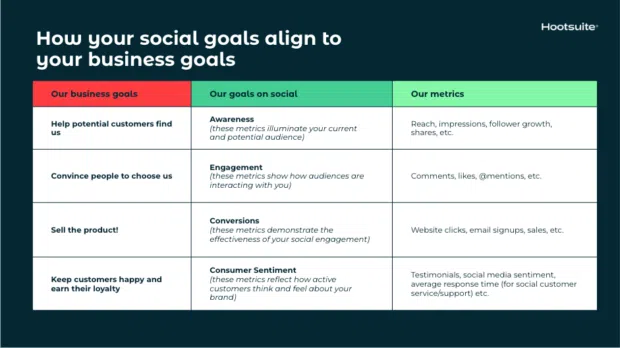
The social media landscape is constantly shifting, and for small to mid-sized businesses with limited resources, it’s easy to feel overwhelmed. This article cuts through the noise, offering a pragmatic roadmap to focus your efforts where they’ll yield the most impact. You’ll learn how to make smart decisions about platform presence, content creation, and resource allocation, ensuring your social media activities genuinely contribute to business growth rather than just consuming time.
We’ll emphasize what truly works for teams operating under real-world constraints, helping you prioritize actions that drive tangible results, identify what can be delayed, and crucially, what to avoid altogether to prevent wasted effort.
Re-evaluating Your Core Social Presence
The notion that brands must be present on every single social platform is a resource trap for SMBs. Your goal isn’t ubiquity; it’s impactful engagement where your target audience actually spends their time and is receptive to your message.
- Prioritize: Deep engagement on one or two platforms where your ideal customers are most active and where your content naturally thrives. Focus on understanding the nuances of these platforms and consistently delivering high-quality, relevant content.
- Delay: Expanding to new, unproven platforms without a clear strategic rationale, dedicated resources, or a proven audience overlap. A wait-and-see approach often saves significant time and money.
- Avoid: Spreading your team and budget thin across too many channels with generic, repurposed content. This dilutes your brand’s presence and rarely yields meaningful results.
Content Strategy Beyond the Scroll
The days of simply posting promotional images and expecting engagement are long gone. Today, content needs to provide genuine value, foster interaction, and build community, moving beyond a purely feed-based consumption model.
- Prioritize: Short-form video content (e.g., Instagram Reels, YouTube Shorts, TikTok) that educates, entertains, or inspires. Also, invest in live sessions for Q&A or product demos, and actively encourage and amplify user-generated content (UGC).
- Delay: Over-investing in highly polished, expensive campaign videos or graphics that don’t directly facilitate interaction or provide immediate value. Production quality is important, but authenticity and engagement trump gloss.
- Avoid: Directly repurposing static ad creative for organic social without significant adaptation. Organic social demands a different tone and purpose than paid advertising.
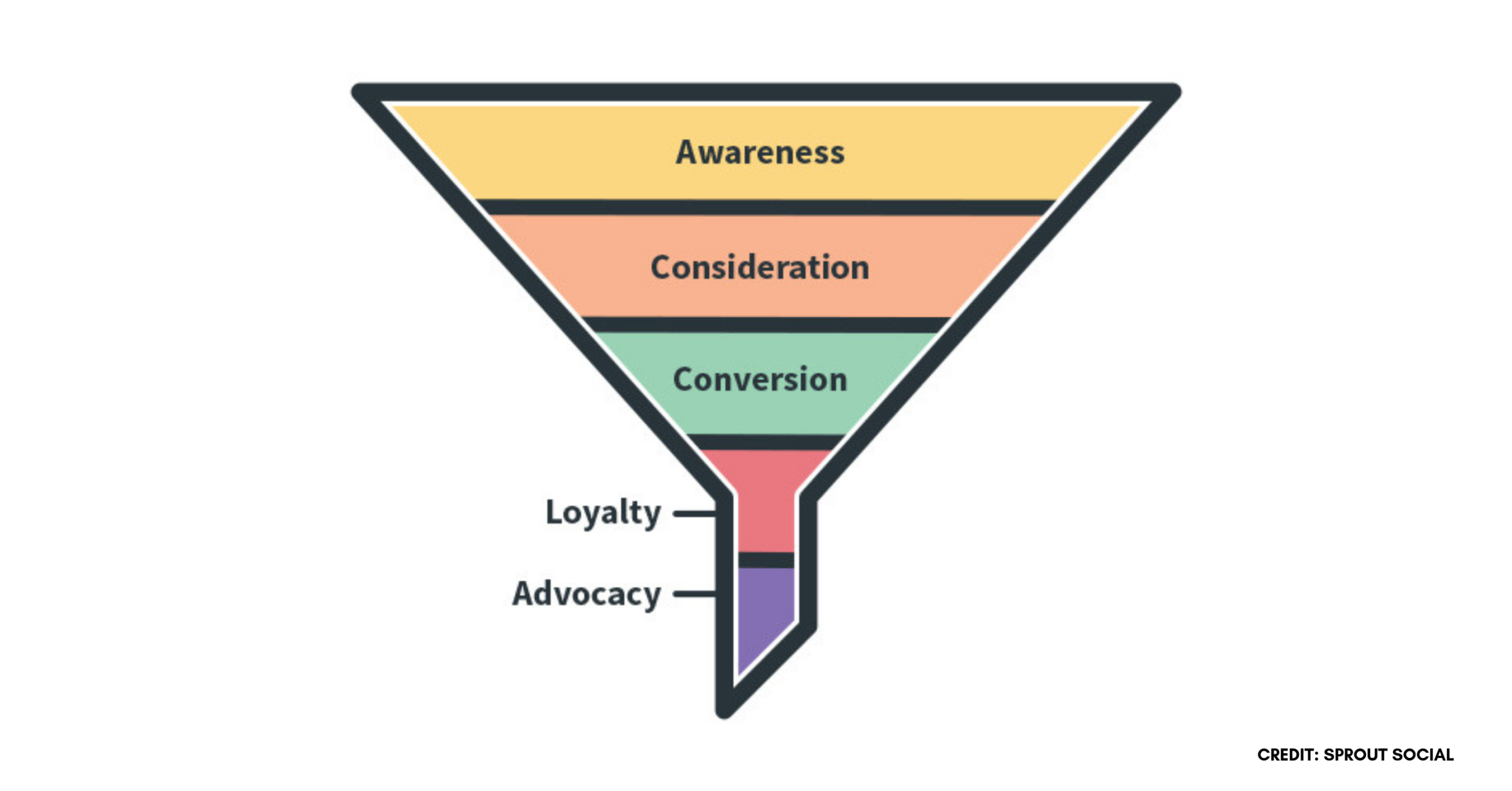
What often gets overlooked in the push for authenticity and engagement is the significant operational overhead these strategies introduce. Encouraging user-generated content (UGC), for instance, isn’t a passive activity. It demands active curation, rights management – even if informal – and a consistent moderation effort to ensure quality and brand alignment. For small teams, this can quickly become a hidden time sink, diverting resources from other critical tasks. Similarly, live sessions require more than just showing up; they need technical preparation, backup plans, and dedicated staff to manage real-time interaction, all of which can strain limited headcount.
The emphasis on short-form video, while effective, also presents a common failure mode: chasing trends without strategic grounding. It’s easy to fall into the trap of mimicking popular formats or sounds without genuinely connecting them to your brand’s unique value proposition. This can lead to content that generates fleeting views but fails to build lasting community or drive meaningful business outcomes. The downstream effect is often content fatigue within the team, as the pressure to constantly produce new, trending content can lead to burnout and a dilution of the brand’s authentic voice.
Furthermore, the advice to prioritize authenticity over polished production quality, while sound, can be misinterpreted in practice. Authenticity doesn’t equate to a lack of effort or professionalism. A shaky phone video with poor audio and an unclear message isn’t ‘authentic’; it’s simply unwatchable. The real challenge for practitioners is finding the sweet spot where content feels genuine and relatable, yet still maintains a baseline level of quality that respects the audience’s time and attention. Navigating this balance under tight budget and time constraints creates constant decision pressure, often leading to compromises that undermine the intended impact.
Leveraging AI for Efficiency, Not Automation
AI isn’t a magic wand, but it’s a powerful tool for small teams. Its value lies in augmenting human capabilities, not replacing them entirely. Use AI to boost efficiency and insights, freeing up your team for strategic thinking and authentic engagement.
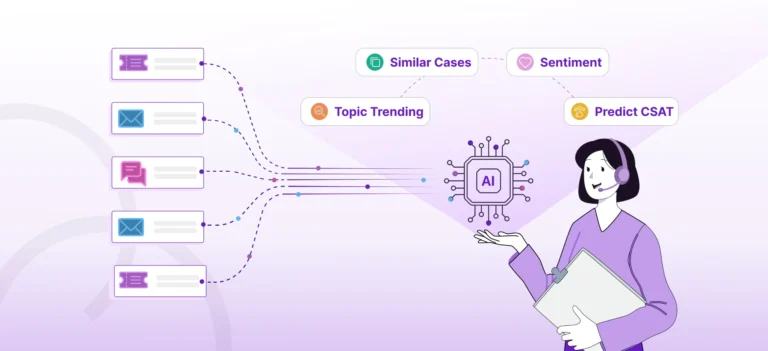
- Prioritize: AI tools for content brainstorming, drafting initial captions or blog post outlines, sentiment analysis of comments, and optimizing posting schedules based on audience activity.
- Delay: Implementing complex AI chatbots for customer service without robust human oversight and a clear escalation path. Poorly managed AI interactions can damage customer trust.
- Avoid: Relying solely on AI to generate entire campaigns or respond to customer inquiries without human review and alignment with your brand voice. Authenticity is paramount.

While AI can accelerate initial content drafts, a subtle, often overlooked consequence is the potential for skill atrophy within your team. If AI consistently handles the foundational work—brainstorming, outlining, first-pass copywriting—team members may gradually lose some of their own creative muscle or critical thinking capacity for starting from a blank slate. This isn’t about AI making people obsolete, but rather about a dependency forming where the ability to generate truly original, deeply nuanced ideas from scratch diminishes over time, leading to a more homogenized output that still requires significant human refinement to stand out.
Another common pitfall is underestimating the skill required for effective ‘prompt engineering.’ The theory suggests AI instantly generates useful content, but in practice, generic or poorly structured prompts yield generic, unusable outputs. This often means teams spend more time editing and refining AI-generated text than they would have spent creating it from scratch, effectively negating the efficiency gain and adding a layer of frustration. The initial time saved is often offset by the hidden cost of extensive post-generation human intervention needed to inject authenticity and strategic alignment.
The pressure to adopt AI can also lead to premature integration. Teams might feel compelled to use AI tools simply because they exist, rather than because they genuinely streamline an existing bottleneck. This can result in AI becoming an additional step in a workflow, rather than an integrated accelerator. When the outputs don’t meet expectations or require significant re-work, the initial enthusiasm quickly sours, leading to a perception that AI is more of a burden than a benefit, even when the underlying technology has potential if applied more thoughtfully.
Building Community and Direct Engagement
Social media has evolved from a broadcasting platform to a space for genuine connection. For SMBs, fostering a loyal community can be a significant competitive advantage, driving word-of-mouth and repeat business.
- Prioritize: Actively responding to comments and direct messages, running interactive polls and quizzes, and considering dedicated community groups (e.g., Facebook Groups, Discord servers) if your audience shows interest.
- Delay: Launching large-scale influencer campaigns if you haven’t yet mastered direct, authentic engagement with your existing audience. Build your core first.
- Avoid: Treating social media solely as an advertising channel. Ignoring the

Leave a Comment