

The creator economy isn’t just for individual influencers anymore; it’s a critical channel for brands seeking new revenue streams and deeper audience engagement. For small to mid-sized businesses with limited resources, navigating this landscape requires a pragmatic approach. This article will cut through the noise, offering actionable strategies to monetize your social presence effectively, prioritize key initiatives, and avoid common pitfalls that drain budget without delivering results.
The Creator Economy: A New Brand Imperative
The shift from traditional advertising to authentic, creator-led content is undeniable. Consumers trust creators more than direct brand messaging, making creator partnerships a powerful tool for reach and conversion. For brands, this isn’t just about awareness; it’s about integrating into the commerce flow that creators already drive. The challenge for SMBs lies in identifying high-impact opportunities without overextending resources.
Prioritizing Creator Partnerships for SMBs
When budgets are tight, focus on micro and nano-influencers. These creators often have highly engaged, niche audiences that align perfectly with specific product lines or services. Their rates are typically more accessible, and their authenticity often translates to higher conversion rates. Don’t chase follower counts; prioritize engagement rates and audience relevance.
- Identify Niche Alignment: Look for creators whose content genuinely resonates with your target demographic, even if their follower count is modest. Tools like influencer marketing tools or social media analytics can help identify relevant profiles and analyze audience demographics.
- Define Clear Goals: Before outreach, decide if you’re aiming for direct sales, lead generation, or specific content creation. This dictates the type of partnership and compensation model (e.g., commission, flat fee, product exchange).
- Start Small, Scale Smart: Begin with a few test partnerships. Analyze the performance data rigorously. What content resonated? Which creators drove actual sales or leads? Use these insights to refine your strategy before committing to larger campaigns.
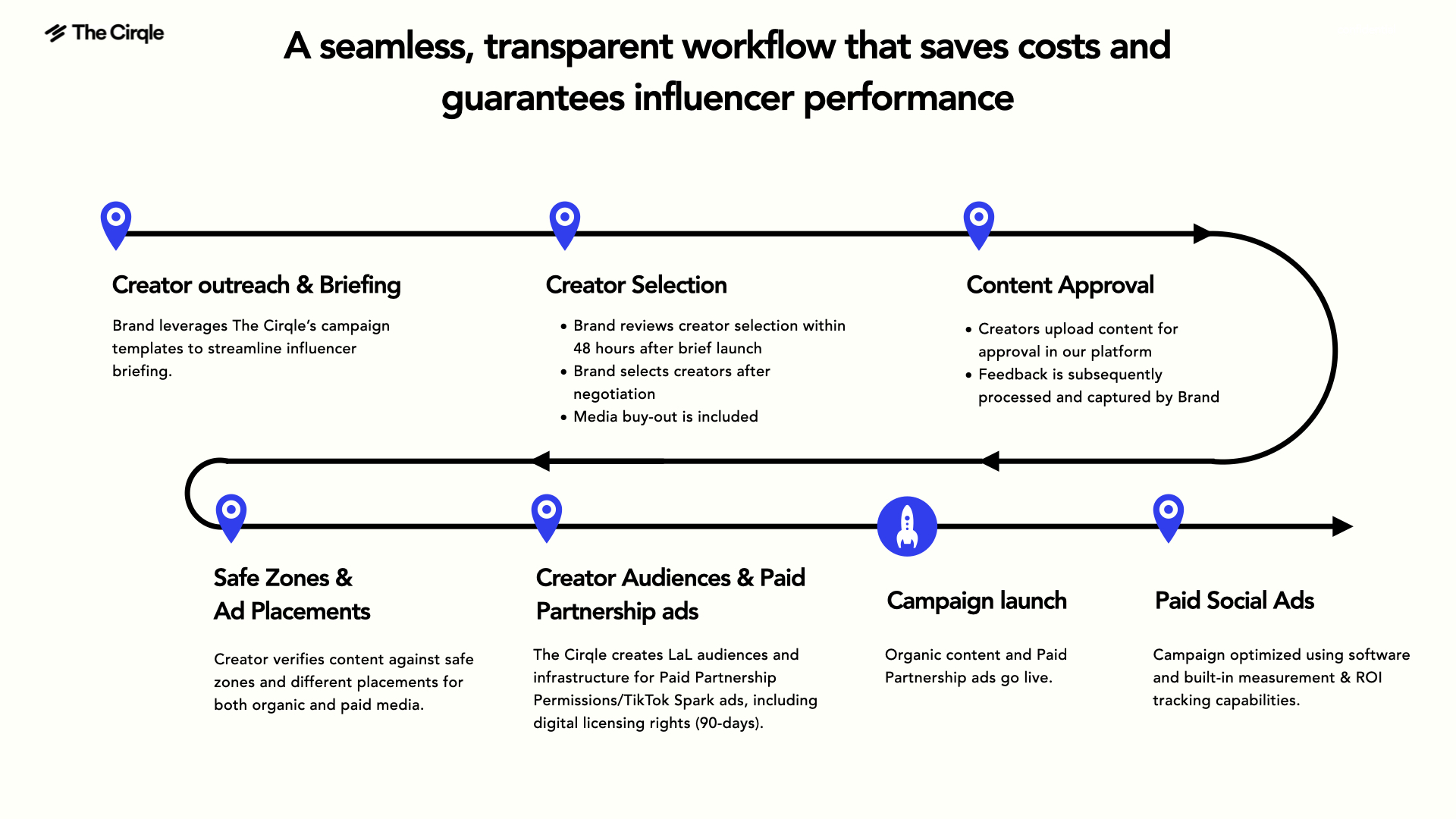
What often gets overlooked in the pursuit of accessible creator partnerships is the cumulative operational overhead. While individual micro-influencer rates are low, the sheer volume of relationships required to achieve meaningful reach can quickly become a significant time sink. Vetting, onboarding, drafting individual content briefs, managing communication threads, tracking deliverables, and processing payments for dozens of creators can overwhelm a lean marketing team. This administrative burden, if not properly accounted for, can negate the perceived cost savings and lead to burnout or inconsistent execution.
Another subtle challenge emerges around brand consistency and quality control. The appeal of micro-influencers lies in their authenticity, but this can also mean less polish or a less precise alignment with your brand’s specific messaging nuances. Scaling up these partnerships without a robust, yet flexible, content review and feedback loop can result in a fragmented brand voice or content that, while genuine, doesn’t quite hit the mark. The effort required to guide creators to produce on-brand content, without stifling their unique voice, is a downstream effect that demands more attention than initially anticipated.
Finally, the practical reality of attributing ROI from numerous small-scale partnerships is often messier than the theory suggests. While clear goals are essential, accurately tracking direct sales or leads from every micro-influencer can be difficult, especially with imperfect tracking systems or longer sales cycles. This ambiguity can lead to internal debates and make it challenging to definitively prove the value of the channel, creating pressure to deprioritize it even if the qualitative impact feels strong. Teams often struggle to build a compelling case for continued investment without rock-solid, easily digestible data, making the ‘scale smart’ phase a significant hurdle.
Direct Monetization Avenues on Social Platforms
Beyond traditional partnerships, social platforms themselves offer direct monetization features that brands can leverage. These often require less upfront investment in creator relationships and can integrate directly with your existing e-commerce setup.
- Shoppable Posts & Live Commerce: Platforms like Instagram, Facebook, and TikTok increasingly integrate shopping directly into content. Utilize shoppable tags on posts and stories, and explore live shopping events. These create immediate purchase opportunities, reducing friction in the buyer journey.
- Subscription Models & Exclusive Content: If your brand offers unique educational content, community access, or premium services, consider platform-native subscription features. This can build a loyal, paying audience directly on social media, offering a recurring revenue stream.
- Affiliate Programs: While not strictly “creator economy” in the traditional sense, setting up an affiliate program allows anyone (including micro-creators) to earn a commission by promoting your products. This scales your reach without fixed marketing costs.
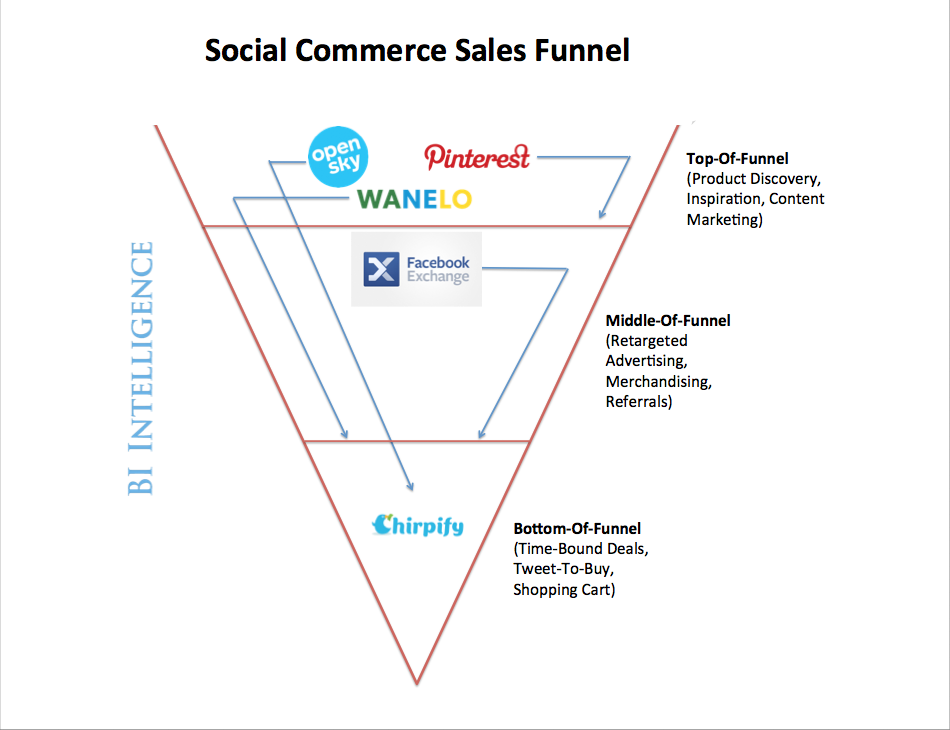
While shoppable posts and live commerce promise immediate conversion, the practical reality often introduces significant operational friction. Real-time inventory synchronization across multiple platforms and your e-commerce backend is rarely seamless, leading to potential oversells or missed opportunities. More critically, the influx of direct customer service inquiries on social channels—ranging from product specifics to shipping and returns—can quickly overwhelm lean teams not structured for this decentralized support. This isn’t just about adding headcount; it’s about integrating disparate communication channels and maintaining a consistent service level, which is a non-trivial undertaking.
Similarly, platform-native subscription models, while appealing for recurring revenue, come with a hidden cost: the relentless demand for truly exclusive, high-value content. What starts as an exciting new revenue stream can quickly devolve into a content treadmill, where the pressure to continuously justify the subscription fee leads to burnout or a dilution of quality. Teams often underestimate the ongoing creative and production resources required to maintain perceived exclusivity, especially when competing with free content elsewhere. This constant pressure can shift focus away from core product development or broader marketing initiatives.
Even affiliate programs, designed to scale reach without fixed costs, introduce their own set of management complexities. Beyond the initial setup, vetting affiliates, monitoring their promotional tactics, and ensuring brand consistency becomes an ongoing task. The allure of ‘free’ marketing can blind businesses to the potential for brand dilution or even reputational damage if affiliates are not properly managed or incentivized. The administrative burden of tracking commissions, handling disputes, and ensuring compliance can quickly consume resources that were initially thought to be saved.
What to Deprioritize Today
For small to mid-sized teams, the biggest mistake is chasing every shiny new feature or large-scale influencer trend. Deprioritize extensive, high-cost campaigns with mega-influencers unless you have a proven track record of ROI from similar initiatives. Their reach is broad, but their engagement might be diluted, and the cost-to-conversion ratio is often unfavorable for SMBs. Similarly, avoid over-investing in complex, platform-specific monetization features that don’t directly align with your core product or service offering. If a feature requires significant development time or a steep learning curve for minimal direct revenue, put it on hold. Focus on what delivers tangible results with manageable effort, like targeted micro-influencer campaigns and direct shoppable content, before exploring more experimental or resource-intensive avenues.
Fostering Your Own Brand Advocates
The creator economy isn’t just about external influencers; it’s also about empowering your most loyal customers and even employees to become brand advocates. These “internal creators” offer unparalleled authenticity and often come at a lower cost.
- Customer Spotlight Programs: Encourage customers to share their experiences with your products. Feature their user-generated content (UGC) on your official channels, crediting them. This builds community and provides authentic social proof.
- Employee Advocacy: Empower your team to share company news, product launches, and culture on their personal social channels. Provide guidelines and easy-to-share content. Employees are often seen as trustworthy sources.
- Community Building: Create exclusive groups or forums where your most engaged customers can connect, share ideas, and provide feedback. This fosters a sense of belonging and can naturally lead to advocacy.
Measuring Impact and Adapting Strategies
Effective monetization requires diligent tracking and a willingness to adapt. Don’t just look at likes; focus on metrics that directly correlate with revenue and business growth.
- Key Performance Indicators (KPIs): Track conversion rates from creator content, revenue generated from shoppable posts, customer acquisition cost (CAC) for creator-driven leads, and return on ad spend (ROAS) for paid creator campaigns.
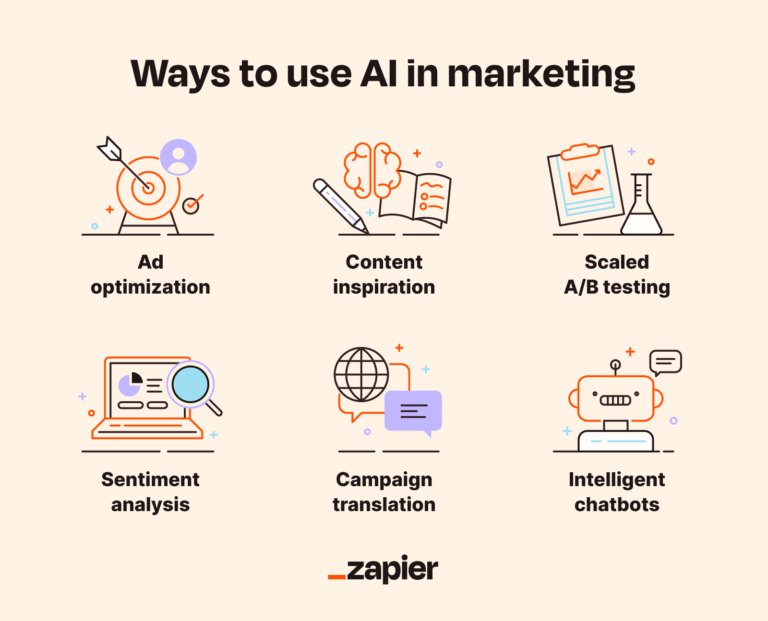
- A/B Testing: Experiment with different types of creator content, call-to-actions, and platform features. Small, iterative tests provide valuable data without significant risk.
- Feedback Loops: Regularly solicit feedback from your creators and customers. What’s working for them? What challenges are they facing? This insight is crucial for refining your approach.

Leave a Comment