

For small to mid-sized marketing teams, resource constraints are a constant. Manual, repetitive tasks eat into time that should be spent on strategy and growth. This guide cuts through the noise around AI, offering a pragmatic roadmap to integrate AI tools effectively, not just for novelty, but for tangible operational efficiency and better decision-making. You’ll learn where to focus your limited budget and headcount for the biggest impact, what to implement first, and crucially, what to set aside.
You will gain practical insights into prioritizing AI applications that deliver real value, understand a phased approach to integration that avoids overwhelm, and identify common pitfalls to deprioritize. This isn’t about comprehensive checklists, but about making smart, practitioner-level judgments under real-world constraints.
Why AI Integration Isn’t Optional for SMBs Anymore
In early 2026, the landscape for small to mid-sized businesses demands more efficiency than ever. Your competitors, whether they admit it or not, are likely leveraging AI to some degree. For teams with limited budgets and headcount, AI isn’t about replacing people; it’s about augmenting capabilities, automating drudgery, and providing data-driven insights faster. The real benefit is freeing up your team to focus on high-value, creative, and strategic work that truly moves the needle, rather than getting bogged down in repetitive tasks.
The core challenge for SMBs isn’t adopting AI, but adopting it smartly. This means identifying specific pain points where AI can deliver immediate, measurable relief, rather than chasing every new feature or trend. Prioritize solutions that integrate relatively easily into your existing workflows and offer a clear return on the investment of time and money.
Prioritizing AI Integration: Where to Start for Real Impact
When resources are tight, every integration decision carries weight. As a practitioner, I’ve found that the most effective starting points for AI integration in SMB marketing operations fall into a few key areas:
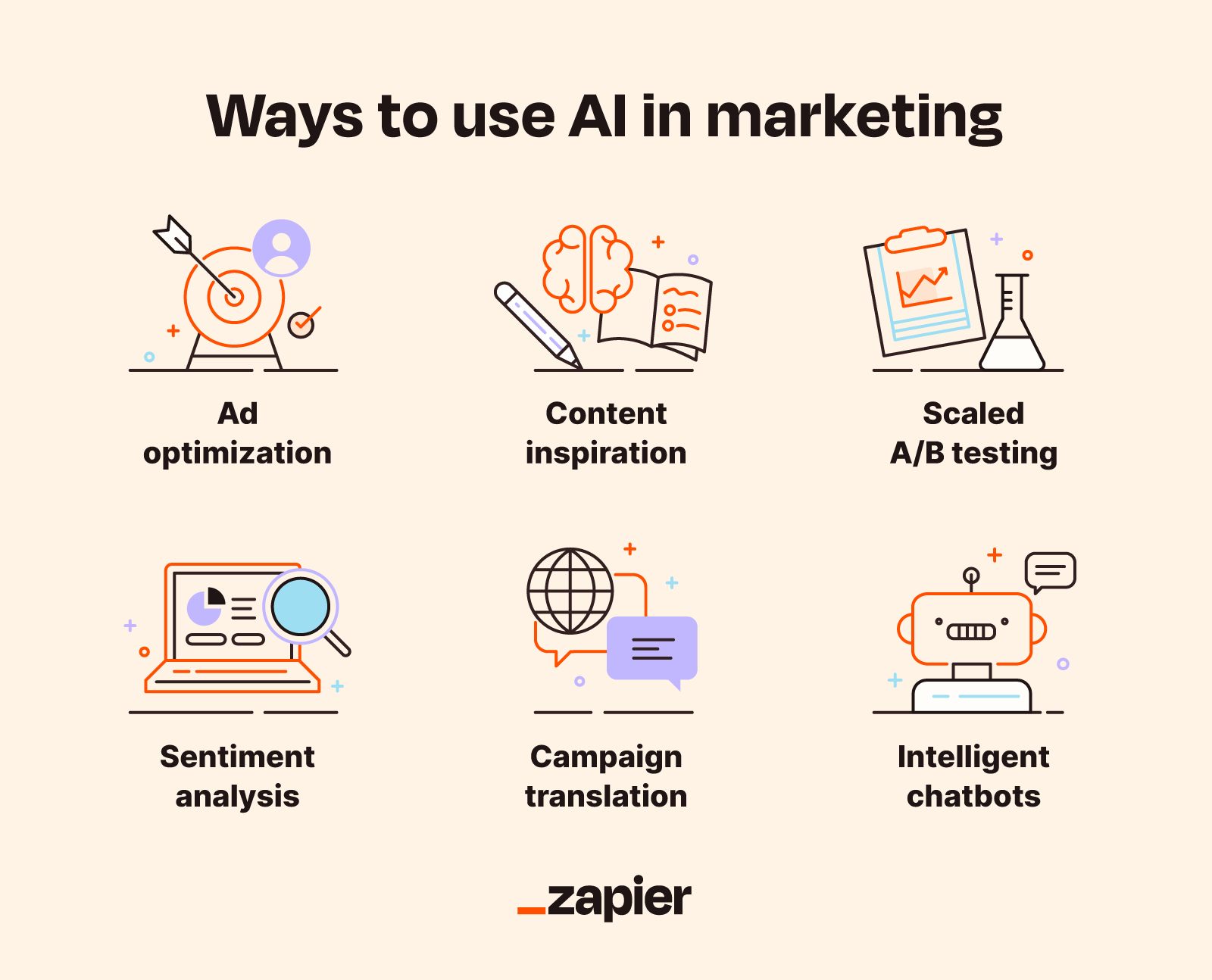
- Content Creation & Optimization: This is often the lowest-hanging fruit. AI writing assistants can draft initial blog posts, social media captions, email subject lines, or ad copy. Tools for SEO content optimization can analyze competitor content and suggest keywords or structural improvements, saving hours of manual research. This doesn’t replace human creativity but accelerates the initial draft and optimization phases.
- Data Analysis & Reporting: Moving beyond basic dashboards, AI-powered analytics can identify trends, anomalies, and opportunities that might be missed by manual review. This includes predicting customer behavior, segmenting audiences more effectively, or highlighting underperforming campaigns. The goal here is actionable insights, not just more data.
- Customer Support & Engagement: Chatbots and AI-driven FAQs can handle routine inquiries, freeing up your customer service team for complex issues. This improves response times and customer satisfaction, directly impacting retention.
- Ad Campaign Optimization: AI can analyze campaign performance across platforms, suggest budget reallocations, optimize bidding strategies, and identify the best performing ad creatives or audiences. This is particularly valuable for teams managing multiple campaigns with limited oversight.
Start with one or two of these areas where your team feels the most operational drag. A phased approach ensures your team can adapt without being overwhelmed.
While the immediate gains from AI integration are appealing, it’s crucial to anticipate the less obvious pitfalls. For instance, relying too heavily on AI for content generation can inadvertently dilute your brand’s unique voice. What seems like a time-saver in drafting can become a time sink in extensive re-editing to inject personality and align with specific brand nuances, leading to frustration for the human content creators who feel they’re constantly fixing rather than creating. This dependency can also stunt the development of internal creative skills over time, making future content less distinctive.
Similarly, AI-powered data analysis, while powerful, often generates an overwhelming volume of “insights.” Without a clear strategic filter and dedicated human capacity to interpret and act decisively, teams can fall into analysis paralysis. The theoretical promise of “actionable insights” can quickly devolve into a backlog of potential optimizations that never get implemented, creating decision pressure and a sense of being perpetually behind, rather than truly empowered.
Even in areas like customer support and ad optimization, the “set it and forget it” mentality is a dangerous trap. Chatbots, if not meticulously trained and monitored, can create frustrating loops for customers when a complex issue requires a human handoff, often forcing customers to repeat information they’ve already provided. For ad campaigns, AI optimization still demands human oversight to prevent budget waste from misinterpretations of data or rapid market shifts. The initial setup and ongoing calibration are not one-time tasks; they require continuous attention to prevent costly, delayed consequences.
The Phased Approach to AI Adoption: Integrate, Don’t Overhaul
Attempting to integrate too many AI tools at once is a common pitfall for SMBs. It leads to tool fatigue, incomplete setups, and a lack of measurable results. Instead, adopt a phased, iterative strategy:
- Identify a Single Pain Point: Don’t try to solve everything at once. Is it content ideation, ad spend optimization, or customer query handling? Pinpoint the most pressing operational bottleneck.
- Research & Select One Core Tool: Look for a tool that directly addresses that pain point, offers a clear user interface, and ideally, integrates with your existing marketing stack (e.g., your CRM or email platform). Prioritize tools with strong support and a clear onboarding process.
- Pilot & Measure: Implement the tool with a small project or a specific team member. Track key performance indicators (KPIs) relevant to the pain point you’re addressing. For content, measure time saved or content output. For ads, measure cost per acquisition or conversion rate.
- Train & Document: Ensure your team understands how to use the tool effectively. Create internal documentation for best practices and common use cases. This reduces reliance on a single


Leave a Comment