

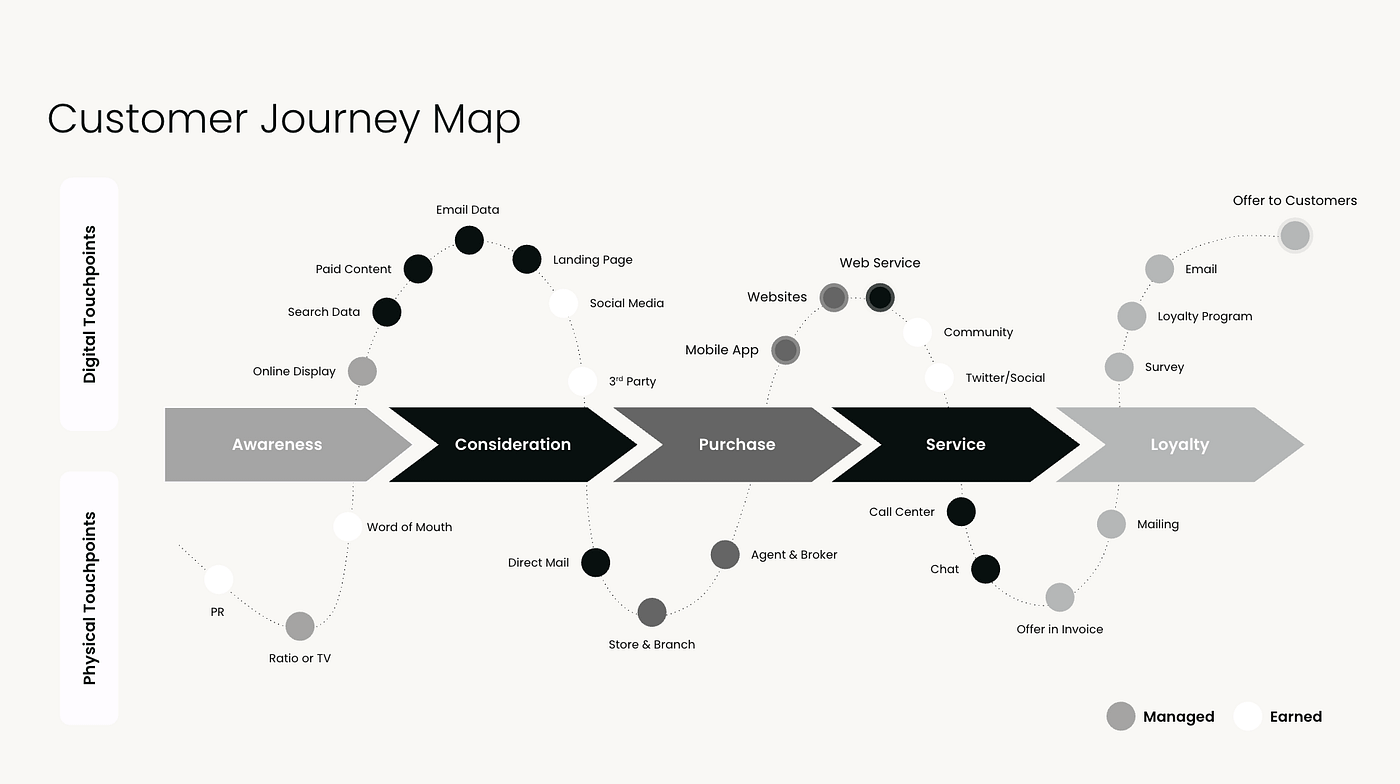
Customer acquisition costs continue to climb, making it critical for small to mid-sized businesses to shift focus beyond the initial sale. This article will equip you with practical strategies to map and optimize the customer journey post-purchase, ensuring you build lasting relationships, reduce churn, and unlock significant long-term revenue.
You’ll learn what truly matters in the stages after conversion, how to prioritize efforts with limited resources, and which common pitfalls to avoid. Our goal is to help you implement actionable steps that drive retention and advocacy, even with imperfect execution. Understanding customer lifetime value (LTV) is key here customer lifetime value strategies.
Why the Funnel Falls Short Today
The traditional marketing funnel, ending at “purchase,” is an outdated mental model for modern business growth. It implies a linear path and a definitive end, but customer relationships are cyclical and continuous. For SMBs, relying solely on acquisition means constantly refilling a leaky bucket. True growth comes from understanding that the moment a customer buys is just the beginning of their journey with your brand.
Today, the post-purchase experience dictates retention, repeat business, and word-of-mouth referrals. Ignoring this phase means leaving significant revenue on the table and making your acquisition efforts far less efficient. It’s about shifting from a transaction mindset to a relationship mindset.
Understanding the Post-Purchase Journey
Think of the post-purchase journey not as a single path, but as a series of critical touchpoints where customers either find value, get frustrated, or become advocates. For SMBs, these stages are often less formal but no less important:
- Onboarding & First Value: The period immediately after purchase. Did they successfully set up your product or service? Did they experience its core benefit quickly? This is where initial buyer’s remorse is either confirmed or dispelled.
- Engagement & Usage: How consistently do they use your product or service? Are they exploring its full capabilities? Are they getting ongoing value? This stage is about sustained satisfaction.
- Support & Problem Resolution: When issues arise, how easily and effectively are they resolved? A poor support experience can quickly erode trust, while excellent support can turn a negative into a positive.
- Advocacy & Expansion: Are they happy enough to recommend you? Are there opportunities for them to upgrade, cross-buy, or expand their usage? This is where loyal customers become growth drivers.
What often gets overlooked in these stages are the subtle, insidious failure modes that don’t immediately manifest as churn. For instance, in the onboarding phase, a customer might get “just enough” setup to start, but not enough to truly integrate your offering into their workflow or unlock its full potential. This creates a segment of users who aren’t actively frustrated enough to leave, but also aren’t deriving maximum value. The hidden cost here is the lost potential for deeper engagement, expansion, and advocacy, leading to a delayed, often silent, churn months down the line when a more fully integrated alternative appears.
Similarly, while excellent support is vital for problem resolution, a constant stream of support requests, even if handled efficiently, signals a deeper issue. The immediate cost is the team’s bandwidth diverted to reactive problem-solving, pulling resources away from proactive development or strategic improvements. The second-order effect is customer fatigue; even if issues are resolved, the repeated need for support creates friction and erodes the overall perception of reliability. This puts pressure on teams to address symptoms rather than root causes, making it harder to break the cycle.
It’s also easy to misinterpret engagement metrics. A customer might log in regularly, but if they’re only using a fraction of your product’s capabilities or their usage patterns are declining in depth, they’re effectively “silently churning.” This slow disengagement is a precursor to actual cancellation, and by the time it registers as a problem, it’s often too late for effective intervention. Real-world constraints mean teams often prioritize visible problems, inadvertently allowing these quieter, yet equally damaging, trends to fester.
Prioritizing Post-Purchase Strategies for SMBs
With limited resources, you can’t do everything. Here’s where to focus your efforts for maximum impact:
1. Master Onboarding for Immediate Value
This is your highest-leverage point. A smooth, effective onboarding process drastically reduces early churn. For a product, it might be a guided tour or a simple setup wizard. For a service, it’s clear communication of next steps and setting expectations. Use automated email sequences to guide users, highlight key features, and offer quick wins.
- Action: Map out the first 7-14 days post-purchase. Identify 2-3 critical actions a customer *must* take to get value. Build automated communications (email, in-app messages) to prompt and support these actions.
- AI Application: Leverage AI-powered chatbots for instant answers to common onboarding questions, freeing up human support. Tools like HubSpot’s Service Hub can offer basic automation here customer service automation.
2. Proactive Engagement and Value Reinforcement
Don’t wait for customers to come to you with problems. Monitor usage patterns (if applicable) and proactively reach out. Share tips, tutorials, or advanced use cases that help them get more from your offering. This reinforces their decision to buy and keeps your brand top-of-mind.
- Action: Segment your customer base based on usage or purchase history. Send targeted content (e.g., “Did you know you can do X with Y feature?”) that addresses potential pain points or unlocks new value.
- AI Application: AI can analyze customer data to predict churn risk based on declining engagement and trigger automated, personalized re-engagement campaigns.
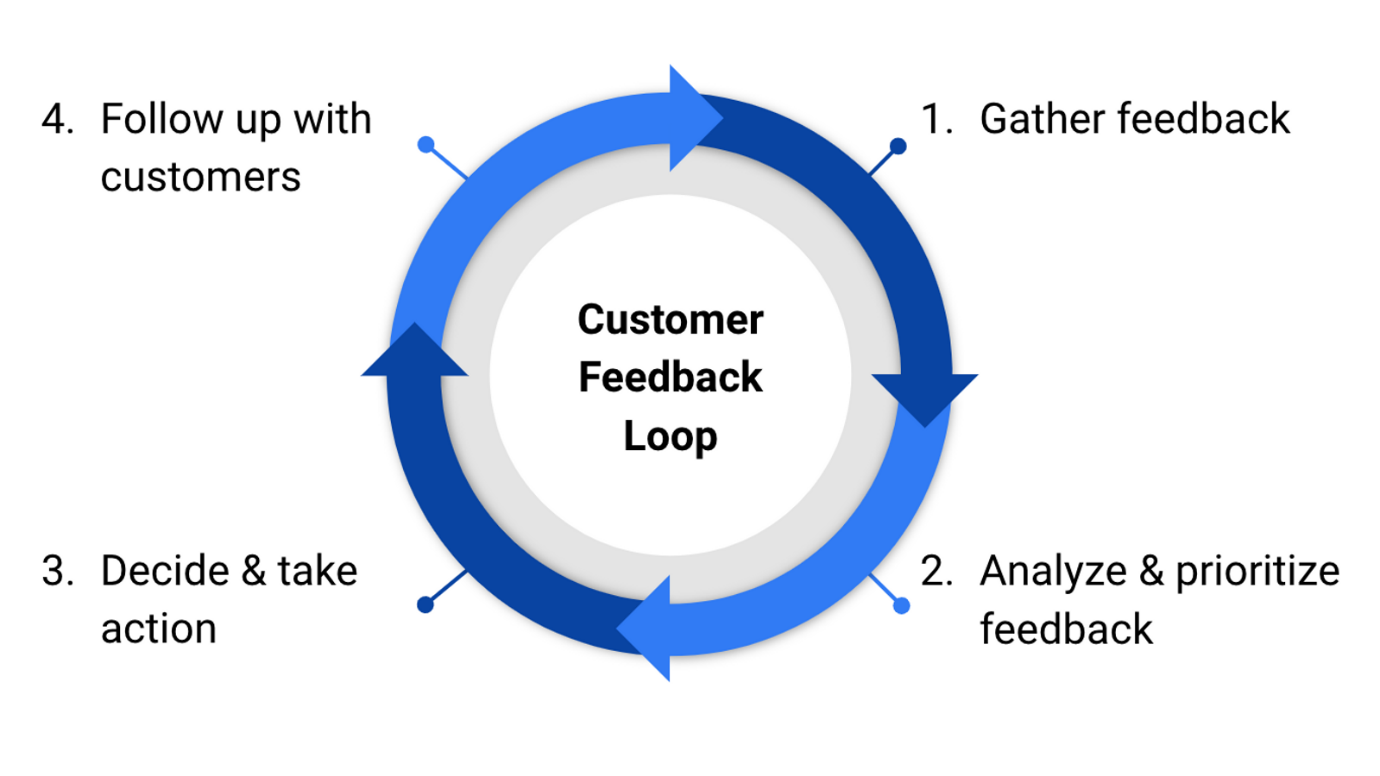
3. Streamline Support and Feedback Loops
Efficient support isn’t just about fixing problems; it’s about building trust. For SMBs, this means making it easy to get help and actively soliciting feedback. A simple help desk system (even a shared inbox initially) is better than scattered emails.
- Action: Implement a clear, accessible support channel. Regularly send short surveys (e.g., Net Promoter Score or Customer Satisfaction) to gauge sentiment and identify areas for improvement. Act on the feedback.
- AI Application: AI-powered sentiment analysis can quickly flag urgent or negative feedback from surveys or social media, allowing for faster intervention.
While automation is crucial for onboarding, it’s easy to over-optimize for efficiency at the expense of genuine connection. The hidden cost of a purely transactional onboarding is a customer who completes all the steps but never truly feels understood or deeply integrated. They might stick around for a few billing cycles, but without that deeper sense of belonging or specific problem resolution, they become a delayed churn risk. The pressure on small teams to automate everything can lead to overlooking the critical moments where a personalized touch, even a simple, well-timed human check-in, could solidify long-term value.
The theory of proactive engagement often bumps against the reality of limited content creation bandwidth. It’s tempting to send generic “tips and tricks” or repurpose existing marketing content, but this is a non-obvious failure mode. Customers quickly develop content fatigue if communications don’t feel genuinely relevant to their specific use case or stage. The downstream effect is a gradual erosion of trust and attention, making it harder to cut through the noise when you *do* have truly valuable, targeted information to share. What seems like a low-effort way to stay top-of-mind can inadvertently train customers to ignore your messages.
Streamlining support and feedback loops is essential, but the real challenge lies in *acting* on that feedback with constrained resources. It’s easy to collect survey data or log support tickets, but if the team lacks the capacity to implement meaningful changes, the act of asking for feedback can backfire. Customers who take the time to voice concerns and then see no discernible action become more frustrated than if they hadn’t been asked at all. This creates significant decision pressure for lean teams, forcing them to prioritize quick fixes over deeper, systemic improvements, often leading to a cycle where symptoms are addressed but root causes persist, impacting long-term customer satisfaction.
What to Deprioritize or Delay Today
For small to mid-sized teams, the temptation to implement every “best practice” is strong, but it’s a trap. Today, deprioritize complex, multi-channel loyalty programs that require significant development or ongoing management. While valuable long-term, they often divert resources from fundamental customer experience improvements. Similarly, resist investing heavily in highly sophisticated AI-driven personalization engines for every single touchpoint. Start with basic segmentation and targeted communication. Focus on getting the core post-purchase experience right first – solid onboarding, proactive value delivery, and responsive support. These foundational elements will yield far greater returns than an elaborate, but poorly executed, loyalty scheme or an over-engineered personalization strategy.
Building Lasting Customer Value
The goal isn’t just to prevent churn; it’s to cultivate a base of loyal customers who become your most effective marketing channel. By systematically addressing the post-purchase journey, you transform one-time buyers into repeat customers and passionate advocates. This approach, grounded in practical execution and smart resource allocation, is how SMBs build sustainable growth in a competitive landscape.

Leave a Comment