

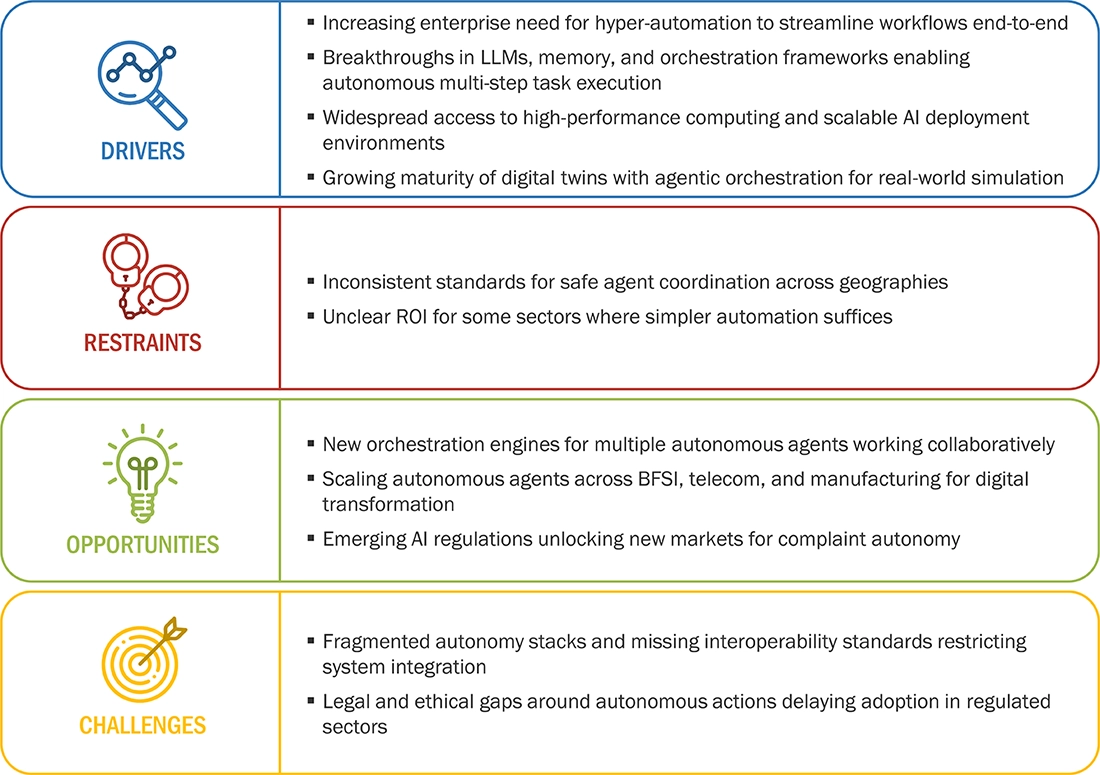
For small to mid-sized businesses, leveraging AI isn’t about chasing every new trend; it’s about smart, targeted application to solve real marketing challenges. This article cuts through the hype to show you where AI can genuinely deliver efficiency and impact across your marketing funnel, from attracting new leads to retaining loyal customers.
You’ll gain practical insights on prioritizing AI tools that fit your budget and team capacity, ensuring you invest where it truly moves the needle for your business today, in early 2026.
Prioritizing AI for Awareness: Content & Reach
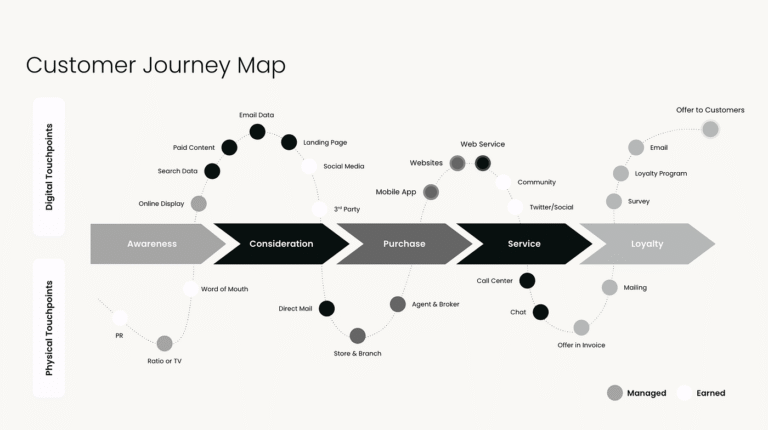
At the top of the funnel, AI excels at amplifying your reach and content production. The goal here is to generate more high-quality assets and ensure they get seen by the right audience without demanding excessive manual effort.
- AI-Assisted Content Generation: Tools that help draft blog posts, social media captions, email subject lines, and ad copy. These are assistants, not replacements. They accelerate the first draft, allowing your team to focus on refinement and strategic messaging.
- AI-Powered SEO Tools: For keyword research, content gap analysis, and competitive analysis. These tools can identify high-potential topics and keywords faster than manual methods, guiding your content strategy.
- Ad Copy Optimization: AI can analyze ad performance data to suggest improvements to headlines, body text, and calls-to-action, leading to better click-through rates and lower costs.
Judgment Call: Start with AI for content generation to boost organic reach. It’s a high-leverage activity that can be scaled with AI assistance, providing a solid foundation. Ad copy optimization comes next, once you have a consistent ad budget and need to maximize its efficiency.
What to Deprioritize: Avoid fully automated content publishing without human oversight. The risk of off-brand messaging, factual errors, or generic output is too high for the reputational cost. For small teams, the immediate benefit of speed doesn’t outweigh the potential damage. Focus on AI as an assistant, not an autonomous creator.
AI in the Consideration Stage: Engaging Leads
Once prospects are aware of your brand, AI can help nurture them through the consideration phase, providing relevant information and personalized interactions that move them closer to conversion.
- AI-Driven Chatbots: Deploy chatbots on your website to provide instant answers to frequently asked questions, qualify leads, and guide visitors to relevant resources. This frees up your team from repetitive inquiries.
- Personalized Email Sequences: AI tools can help segment your audience more effectively and even draft personalized email content based on user behavior and preferences, improving engagement rates.
- Lead Scoring & Audience Segmentation: Integrate AI into your CRM to automatically score leads based on their engagement and demographic data, helping your sales or marketing team prioritize follow-ups.
Judgment Call: Implement chatbots first. They address immediate customer needs, improve user experience, and free up significant team time. Personalized email sequences follow, as they directly nurture leads with tailored content.
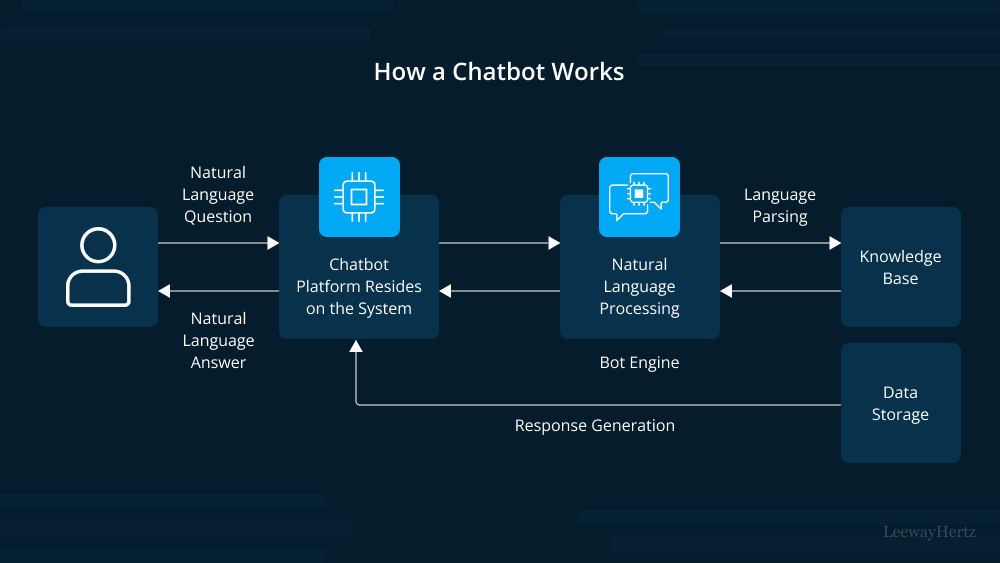
While AI-driven chatbots promise to free up team time, the reality often involves a significant, ongoing investment in training, monitoring, and refinement. A poorly configured or inadequately trained chatbot doesn’t just fail to answer questions; it actively frustrates prospects, leading to negative brand experiences and an increased workload for human agents who must then de-escalate annoyed customers. The initial setup is just the beginning; maintaining relevance and accuracy requires continuous human oversight, which is a hidden cost many teams underestimate.
Similarly, personalized email sequences, while powerful, carry a risk of over-personalization or misinterpretation. If the AI’s understanding of user behavior is incomplete or based on limited data, its ‘personalization’ can feel generic, irrelevant, or even intrusive. This can dilute your brand voice if human oversight isn’t rigorous, turning what should be a tailored message into something that feels algorithmically cold or, worse, ‘creepy.’ The goal isn’t just personalization, but meaningful personalization that resonates without alienating.
Lead scoring, too, presents a common pitfall: the perpetuation of historical biases. If your past sales data disproportionately favored certain demographics or interaction types, the AI model will learn and amplify those biases, potentially overlooking valuable leads that don’t fit the established pattern. This isn’t just a theoretical problem; it directly translates into wasted sales efforts on low-potential leads and missed opportunities with high-potential ones, eroding trust in the system and misaligning marketing and sales priorities over time.
Driving Conversion with AI: Optimization & Sales Enablement
At the conversion stage, AI’s strength lies in optimizing your calls-to-action, landing pages, and sales processes to maximize your return on investment.
- AI-Powered A/B Testing: Tools that go beyond simple A/B testing, using AI to dynamically test multiple variations of landing pages, ad creatives, and calls-to-action, identifying optimal combinations faster.
- Dynamic Ad Bidding & Budget Allocation: AI can optimize your ad spend across various platforms and campaigns in real-time, ensuring your budget is allocated to the highest-performing segments.
- Sales Enablement Insights: AI-driven analysis of CRM data can provide your sales team with insights into which leads are most likely to convert, what objections are common, and even suggest optimal times for outreach.
Judgment Call: Focus on AI-driven A/B testing for landing pages. Small improvements here can significantly impact conversion rates and directly boost revenue. Dynamic ad bidding is crucial once you have a stable ad spend and need to maximize its efficiency.
What to Deprioritize: Don’t jump into complex AI-driven dynamic pricing models unless you have robust data, clear legal guidelines, and a dedicated team to monitor performance. For most SMBs, the complexity and potential for pricing errors often outweigh the benefits, especially when starting out.
While AI-powered A/B testing promises rapid optimization, it’s easy to fall into the trap of superficial improvements. Teams can become overly reliant on the AI to identify winning variations without truly understanding the underlying customer psychology or market shifts driving those results. This can lead to optimizing for local maxima, where minor tweaks yield incremental gains, but fundamental issues with the value proposition or user experience remain unaddressed, simply because the AI isn’t designed to question the core offering.
Similarly, dynamic ad bidding, while efficient, often operates as a black box. The immediate benefit of optimized spend can obscure the strategic insights that come from understanding why certain segments perform. When the AI autonomously shifts budgets, marketers can lose visibility into the granular performance drivers, making it harder to extract lessons for broader strategy or to justify decisions to stakeholders. This can also inadvertently prioritize short-term conversion metrics over longer-term brand building or customer lifetime value, especially if the AI’s objective function isn’t carefully balanced.
For sales enablement, AI-driven insights are powerful, but they introduce a different kind of pressure. Sales teams might feel compelled to strictly follow AI-generated lead scores or outreach recommendations, potentially overlooking promising leads that don’t fit historical patterns or failing to apply their own nuanced judgment in complex situations. Over-reliance on these insights can, paradoxically, diminish a rep’s intuition and ability to qualify leads independently, creating a dependency that makes them less adaptable when market conditions shift or the AI’s data is incomplete.
AI for Retention & Advocacy: Customer Loyalty
The marketing funnel doesn’t end at conversion. AI is invaluable for fostering long-term customer relationships, reducing churn, and turning customers into advocates.
- AI-Powered Customer Service: Beyond basic chatbots, AI can analyze customer sentiment from support tickets, route inquiries to the right agents, and even suggest solutions, improving overall service quality.
- Personalized Product Recommendations: For e-commerce businesses, AI can analyze past purchases and browsing behavior to offer highly relevant product recommendations, increasing average order value and repeat purchases.
- Predictive Churn Analytics: AI can identify customers at risk of churning by analyzing usage patterns, support interactions, and other behavioral data, allowing proactive intervention.
Judgment Call: Start with AI-powered customer support to improve service efficiency and satisfaction. Personalized recommendations are high-impact for e-commerce businesses looking to increase customer lifetime value.
The Practical Approach to AI Integration
Integrating AI into your marketing operations doesn’t require a massive overhaul. It’s about strategic, incremental steps that deliver tangible results.
- Start Small, Solve Specific Problems: Identify one or two high-impact areas where AI can solve a specific, measurable problem. Don’t try to implement everything at once.
- Integrate Incrementally: Avoid a


Leave a Comment