

In today’s search landscape, generic SEO isn’t enough. Users see results tailored to their location, search history, and preferences. For small to mid-sized businesses with limited resources, understanding and adapting to personalized search is critical for visibility.
This article cuts through the noise to provide actionable strategies, helping you prioritize efforts that genuinely improve your search presence by focusing on what your specific audience truly needs, rather than chasing broad, often ineffective, trends.
Understanding Personalized Search for SMBs
Personalized search isn’t about ‘hacking’ an algorithm; it’s about search engines attempting to deliver the most relevant results based on a user’s unique context. For small to mid-sized businesses, this means your visibility hinges on how well you align with specific user signals, especially local intent and niche relevance. Your goal isn’t to rank for everyone, but to rank for the right people at the right time.
Prioritizing User Intent: The Core Strategy
If you only focus on one thing, make it user intent. Personalized search heavily weighs what a user is trying to achieve. Your content must directly address these needs.
- What to do first: Thoroughly research keywords with intent in mind. Categorize them as informational (learning), navigational (finding a specific site), transactional (buying), or commercial investigation (researching before buying).
- Practical steps: Analyze the Search Engine Results Pages (SERPs) for your target keywords. What kind of content is ranking? This tells you what Google believes users want. Create content that directly answers specific user questions or fulfills specific needs for each intent type.
- What to avoid: Broad, generic content that doesn’t address a clear intent. This dilutes your message and wastes resources.
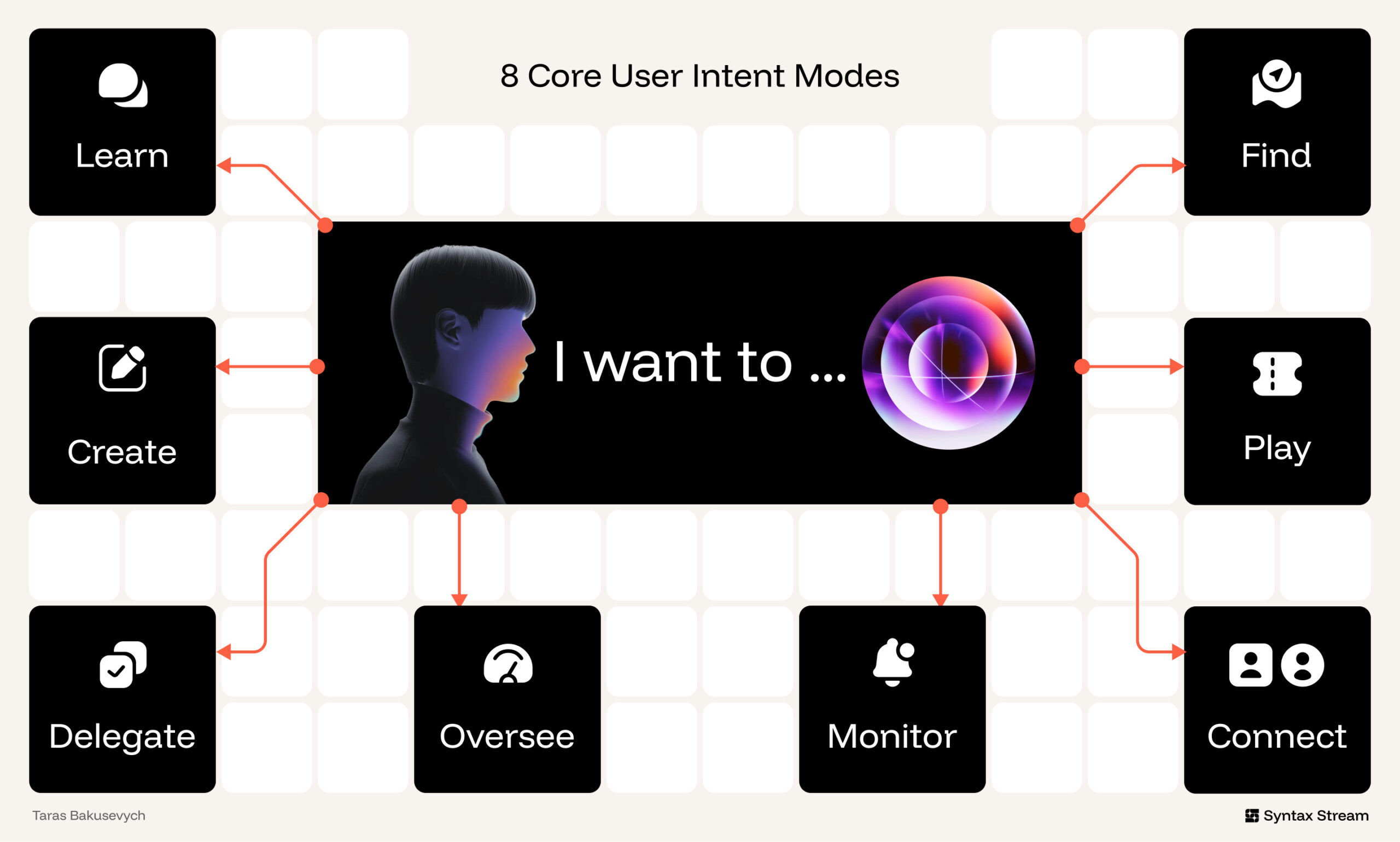
What often gets overlooked is that user intent isn’t a static target. It evolves with market trends, product maturity, and even seasonal shifts. A common pitfall is treating intent mapping as a one-time exercise. Failing to periodically revisit and re-validate your understanding of user needs means your content, no matter how well-crafted initially, will gradually drift out of alignment. This creates a hidden cost: resources spent maintaining or updating content that no longer serves its original purpose effectively, or worse, creating new content based on outdated assumptions.
Another subtle failure mode lies in the interpretation of SERP analysis. While observing what ranks is crucial, it’s easy to mistake correlation for causation. Just because a certain content format or depth is currently ranking doesn’t automatically mean it’s the optimal solution for user intent, or that it couldn’t be significantly improved upon. Sometimes, the top-ranking results are simply the best available among a mediocre field, or Google is still experimenting with what resonates most. Blindly replicating what exists without a deeper understanding of why it works (or doesn’t) can lead to content that is merely adequate, rather than truly impactful or differentiated.
Finally, the pressure to dilute intent often comes from within. While marketing teams strive for focused, intent-driven content, other departments might push for broader messaging that incorporates product features, company news, or sales pitches. This internal friction can force compromises, leading to content that tries to serve too many masters. The result is often a piece that lacks the sharp focus required to satisfy a specific user intent, ultimately failing to perform well in search and frustrating the very users it aimed to help.
Local SEO: Your Immediate Advantage
For many small to mid-sized businesses, local search is inherently personalized and offers the quickest wins. Search engines prioritize local businesses for users in their vicinity.
- What to do first: Optimize your Google Business Profile (GBP). Ensure it’s 100 percent complete, accurate, includes high-quality photos, and actively solicits and responds to customer reviews. This is non-negotiable.
- Practical steps: Maintain consistent Name, Address, and Phone (NAP) information across all online directories and your website. Build local citations on relevant industry and general business listing sites.
- What to delay: Overly complex local link-building schemes. Get your GBP and NAP consistency perfect before investing heavily in advanced tactics.
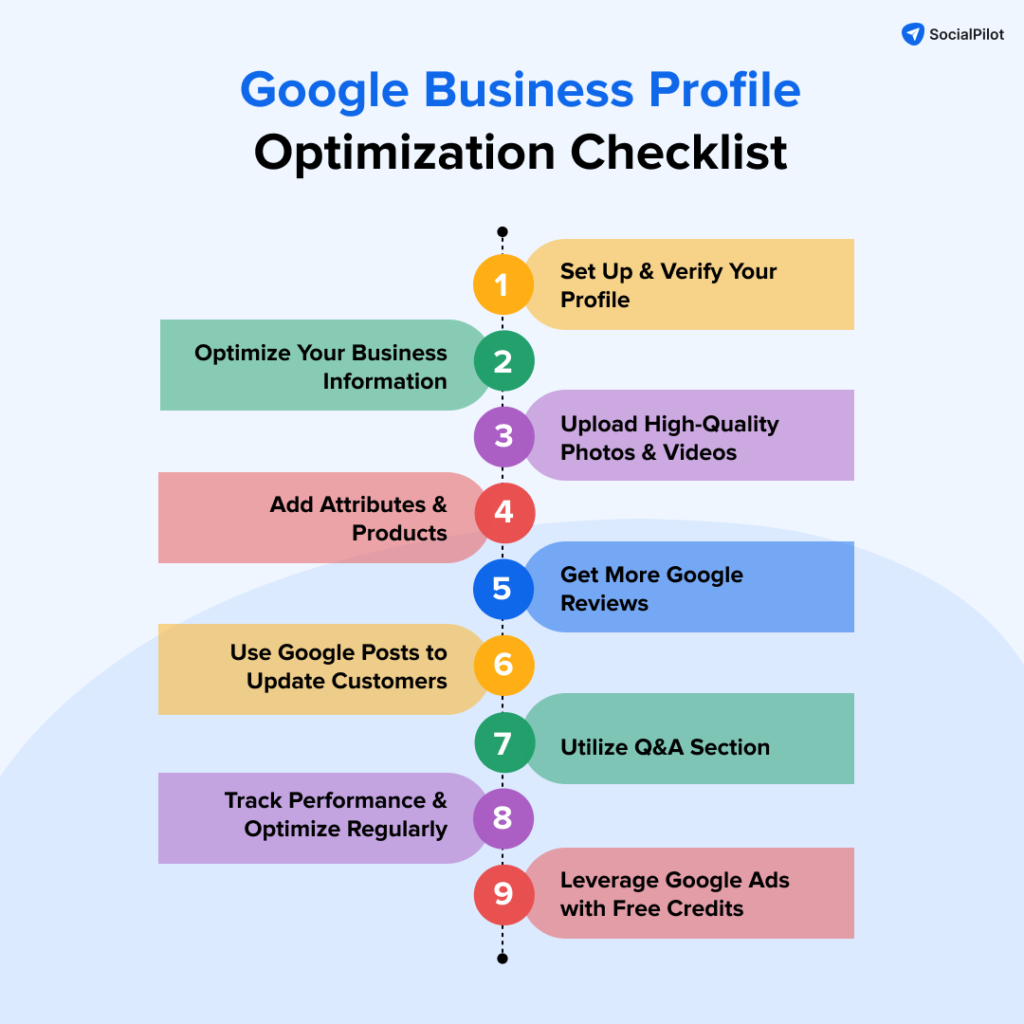
What often gets overlooked in the push for initial setup is the ongoing maintenance and the subtle costs of inconsistency. A partially completed or outdated Google Business Profile doesn’t just mean missed opportunities; it actively erodes trust. When a potential customer sees conflicting hours, an old phone number, or a business description that doesn’t match their experience, it creates friction. This isn’t just a minor inconvenience; it’s a direct hit to your credibility, making it harder to convert even highly qualified local leads. The search engine might still show you, but the user experience after the click can quickly turn negative, leading to higher bounce rates and a perception of unreliability.
Similarly, ‘actively soliciting and responding to reviews’ sounds straightforward, but the practical execution often falls short. Teams, under pressure, might focus solely on quantity, overlooking the quality or authenticity of feedback. Worse, they might neglect to respond promptly or thoughtfully to negative reviews, which is a critical missed opportunity to demonstrate customer service and transparency. A generic, templated response to every review, positive or negative, signals a lack of genuine engagement. This can frustrate customers who took the time to provide feedback and signals to others that their input isn’t truly valued, ultimately undermining the very trust you’re trying to build.
While delaying complex local link-building is sound advice for initial focus, the trap is to either never progress beyond the basics or to jump into advanced tactics without a solid foundation. The real challenge isn’t just what to delay, but understanding why. If your GBP isn’t pristine and your NAP isn’t consistent, any link-building effort, no matter how sophisticated, will yield diminished returns. You’re building on shaky ground. The hidden cost here is wasted effort and budget on tactics that can’t perform optimally because the foundational elements are still compromised. It’s easy to get lured by the promise of ‘advanced’ strategies, but without the basics locked down, you’re essentially trying to run before you can walk, often leading to frustration and a perception that ‘SEO doesn’t work’ for your business.
Content Relevance and Topical Authority
Beyond individual keywords, personalized search values topical authority. This means demonstrating comprehensive expertise in your niche.
- What to do: Develop content clusters around core topics. Instead of one blog post, create a series of interconnected articles that cover a subject in depth. Use internal linking to connect these related pieces, signaling their relationship and importance to search engines.
- Practical steps: Regularly update existing content to keep it fresh, accurate, and relevant. This shows search engines your content is current and valuable.
- What to avoid: Thin content or keyword stuffing. Focus on depth and value for the user, not just hitting a word count. Trying to rank for every possible keyword will spread your resources too thin.
Demonstrating expertise, experience, authoritativeness, and trustworthiness (E-E-A-T) is crucial for content quality and relevance. E-E-A-T guidelines
Technical SEO for Personalization Signals
While personalization is user-centric, a solid technical foundation supports it by making your site accessible and understandable to search engines.
- What to do: Ensure your website is fast, mobile-friendly, and uses secure HTTPS. These are foundational elements that impact user experience and, consequently, search engine rankings.
- Practical steps: Implement structured data (Schema markup) for local businesses, products, or services. This helps search engines understand the context and specific details of your content, which can improve visibility in rich results.
- What to delay: Deep dives into obscure technical optimizations until core issues like site speed and mobile responsiveness are resolved, and your content strategy is mature.
What to Deprioritize (and Why)
For small teams with limited budgets, resource allocation is paramount. Not everything deserves your immediate attention.
- Deprioritize: Chasing every trending SEO tactic or algorithm update. Many are minor or don’t apply directly to small to mid-sized businesses. Instead, focus on evergreen strategies that consistently deliver value.
- Deprioritize: Over-investing in complex backlink strategies early on. While backlinks are important, a strong content foundation and optimized local presence will naturally attract some. Focus on earning links through valuable content, not just building them through time-consuming outreach.
- Deprioritize: Obsessing over minor daily ranking fluctuations for individual keywords. Focus on overall organic traffic trends, conversions from organic search, and your visibility in local packs and for high-intent terms.
These activities consume significant time and budget with often marginal returns for SMBs. Your limited resources are better spent on foundational work that directly addresses user intent, local relevance, and content quality.
Measuring Impact and Adapting
Tracking your efforts helps you understand what’s working and where to adjust, without getting bogged down in vanity metrics.
- Focus on: Organic traffic growth, local pack visibility, conversions originating from organic search, and specific keyword rankings for your highest-intent terms.
- Tools: Utilize Google Analytics 4 and Google Search Console to monitor performance. These free tools provide essential data on how users find and interact with your site.
- Process: Regularly review your top-performing content and identify gaps in your content strategy. The search landscape evolves, so your strategy should too.


Leave a Comment