

For small to mid-sized businesses, effective internal linking isn’t just an SEO best practice; it’s a critical lever for navigating today’s AI-driven search landscape. This article cuts through the noise, providing a pragmatic approach to internal linking that directly impacts your site’s visibility and user engagement.
You’ll learn how to prioritize linking strategies that truly matter, optimize for AI’s understanding of content relationships, and make smart trade-offs given your team’s limited resources. The goal is to drive more relevant traffic and improve your site’s authority without overextending your budget or time.
Internal Linking in the AI-Driven Search Era
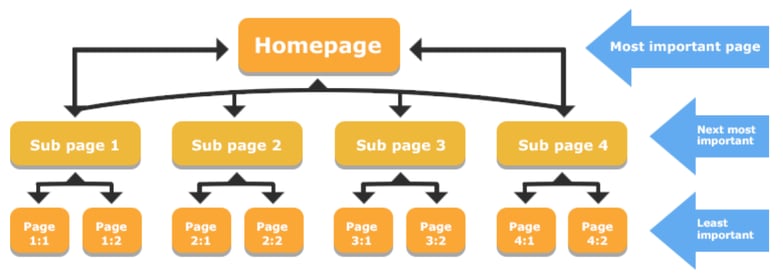
Today’s search engines, powered by advanced AI, don’t just crawl keywords; they understand context, relationships, and user intent with increasing sophistication. Internal links are fundamental signals that help these AI systems map your site’s topical authority and content hierarchy. They tell search engines which pages are most important, how different pieces of content relate to each other, and what topics your site covers comprehensively.
Think of internal links as pathways that guide both users and AI. When structured thoughtfully, they enhance user experience by making navigation intuitive and help search engines build a more accurate semantic graph of your website. This clarity is crucial for ranking well in an environment where AI prioritizes comprehensive, well-organized information that directly answers user queries.
Prioritizing High-Impact Internal Links
With limited resources, you can’t link everything to everything. The key is strategic prioritization. Focus your efforts where they will yield the greatest return:
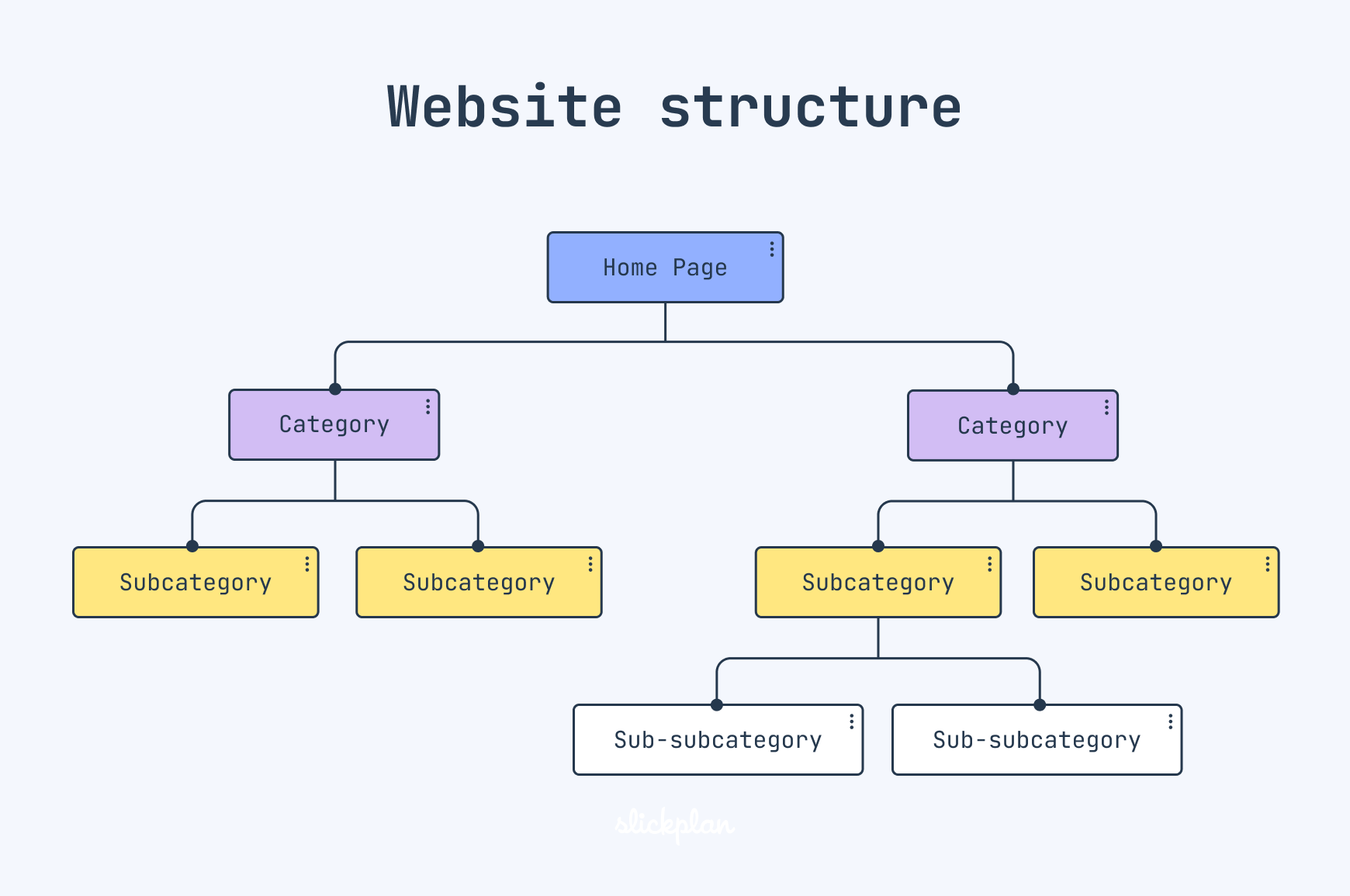
- Pillar Content and Topic Clusters: Identify your core pillar pages – the comprehensive guides or foundational articles on key topics. Ensure these pages are heavily linked from related, more specific cluster content. Conversely, your pillar pages should link out to their supporting cluster articles. This structure clearly signals topical depth to AI.
- New Content Integration: Every new piece of content you publish is an opportunity. As soon as it goes live, identify 3-5 relevant, high-authority existing pages on your site that can naturally link to it. This immediately gives the new content authority and helps search engines discover and index it faster.
- High-Value Existing Pages: Conduct a quick audit to find pages that are already performing well but could benefit from more internal link equity. These might be pages ranking on page two of search results, or pages with high conversion potential. Adding relevant internal links from authoritative pages can provide the boost they need.
- Contextual Relevance: Prioritize links that are naturally embedded within the body text of a page, rather than just navigation links. These contextual links carry more weight because they demonstrate a clear semantic relationship between the linked pages.
What’s often overlooked is the potential for internal linking to become a distraction or even counterproductive if not approached with discipline. The temptation to link every possible keyword mention can lead to an over-linked page, diluting the signal and making it harder for search engines to discern true topical authority. This isn’t about volume; it’s about strategic intent. A page with too many irrelevant internal links can feel spammy to both algorithms and human readers, ultimately weakening its perceived value.
Another common pitfall is neglecting the ongoing maintenance of your internal link structure. Content evolves: pages are updated, merged, or even removed. Without a process to periodically review and refresh your internal links, you’ll inevitably accumulate broken links or links pointing to outdated information. This erosion of site quality isn’t immediately visible but steadily undermines your SEO efforts and user experience over time. It’s a task that often gets pushed aside in favor of more “visible” content creation, but its cumulative impact is significant.
For most small to mid-sized teams, the practical advice is to resist the urge to build a perfectly exhaustive internal linking matrix. While the theory suggests every relevant connection should be made, the reality of limited time and resources means this level of perfection is often a time sink with minimal additional returns. Instead, prioritize the high-impact connections first, and accept that a consistently maintained, “good enough” structure will outperform a theoretically perfect but neglected one every time. Don’t let the pursuit of an ideal system paralyze your ability to execute on what truly moves the needle.
Crafting Effective Anchor Text and Context
Anchor text is the visible, clickable text in a hyperlink. In the AI era, its role has evolved beyond simple keyword matching. While relevant keywords are still important, natural language and contextual relevance are paramount. Avoid generic anchor text like “click here” or “read more.” Instead:
- Be Descriptive and Specific: The anchor text should accurately describe the content of the linked page. For example, instead of “SEO tips,” use “advanced local SEO strategies.”
- Vary Your Anchor Text: Don’t use the exact same anchor text for every link to a particular page. This can look unnatural and potentially trigger spam filters. Use synonyms, related phrases, and longer-tail variations that still convey relevance.
- Leverage Surrounding Text: AI understands the context around a link. Even if your anchor text isn’t an exact match, the sentences and paragraphs immediately surrounding the link can provide crucial signals about the linked page’s topic. Ensure the surrounding text reinforces the relevance of the link.
- Prioritize User Experience: Ultimately, anchor text should make sense to a human reader. If it helps a user understand what they’ll find on the other side of the link, it’s likely also helping AI.
What’s often overlooked in practice is the subtle pressure to over-optimize, even when aiming for natural language. While the goal is user experience, the underlying drive to “signal” relevance to AI can lead teams to force keywords into anchor text where they don’t quite fit naturally. This isn’t about triggering a direct penalty; it’s a more insidious failure mode. When every internal link feels engineered rather than organically placed, it subtly erodes the content’s authenticity and can make the reading experience feel less fluid. The cumulative effect of these small, forced optimizations can actually diminish the overall perceived quality of your content, both by users and, eventually, by search engines looking for genuine value.
Another common pitfall is the lack of a consistent internal linking strategy across a team or over time. Different content creators, or even the same person on different days, might link to the same target page using wildly varied approaches – some too generic, others overly specific, and some perfectly natural. This fragmented approach dilutes the contextual signals that search engines rely on to understand the linked page’s topic. Instead of building a strong, cohesive understanding through varied yet relevant anchors, you end up with a noisy, less effective internal linking profile. This is a hidden cost that accrues slowly, making it harder for your key pages to establish authority and relevance over the long term.
For small to mid-sized teams, the sheer volume of content and the ongoing need for updates mean that meticulously crafting unique, contextually rich anchor text for every single internal link can feel like an insurmountable task. It’s easy to deprioritize this level of detail when faced with deadlines and limited resources. While the ideal is precision, a pragmatic approach often means focusing your best efforts on new content and high-priority pages. For older, less critical content, a “good enough” strategy that avoids generic terms and ensures basic relevance is often the necessary trade-off. Trying to retroactively fix every single anchor text on an established site can consume disproportionate resources for diminishing returns, pulling focus from more impactful activities.
What to Deprioritize and Why
For small to mid-sized teams, the biggest pitfall is attempting to achieve perfection across every single internal link. This is a time sink with diminishing returns. Today, you should deprioritize or skip:
- Exhaustive Site-Wide Internal Link Audits for Low-Value Pages: While a full audit might seem appealing, spending weeks analyzing and adjusting internal links on every single page, especially those with low traffic or conversion potential, is rarely the best use of limited resources. Focus on your top-tier content and new publications first.
- Over-Optimization of Exact Match Anchor Text: Obsessing over exact-match keyword stuffing in anchor text is an outdated strategy. AI is sophisticated enough to understand semantic relationships without needing every link to be an exact keyword match. Focus on natural, varied, and contextually relevant anchor text instead.
- Creating Links for the Sake of Quantity: Don’t add internal links just to increase the number of links on a page. Every link should serve a purpose: guiding the user, reinforcing topical authority, or helping search engines discover related content. Irrelevant or forced links dilute the value of your legitimate connections.
Practical Tools and Workflow for Implementation
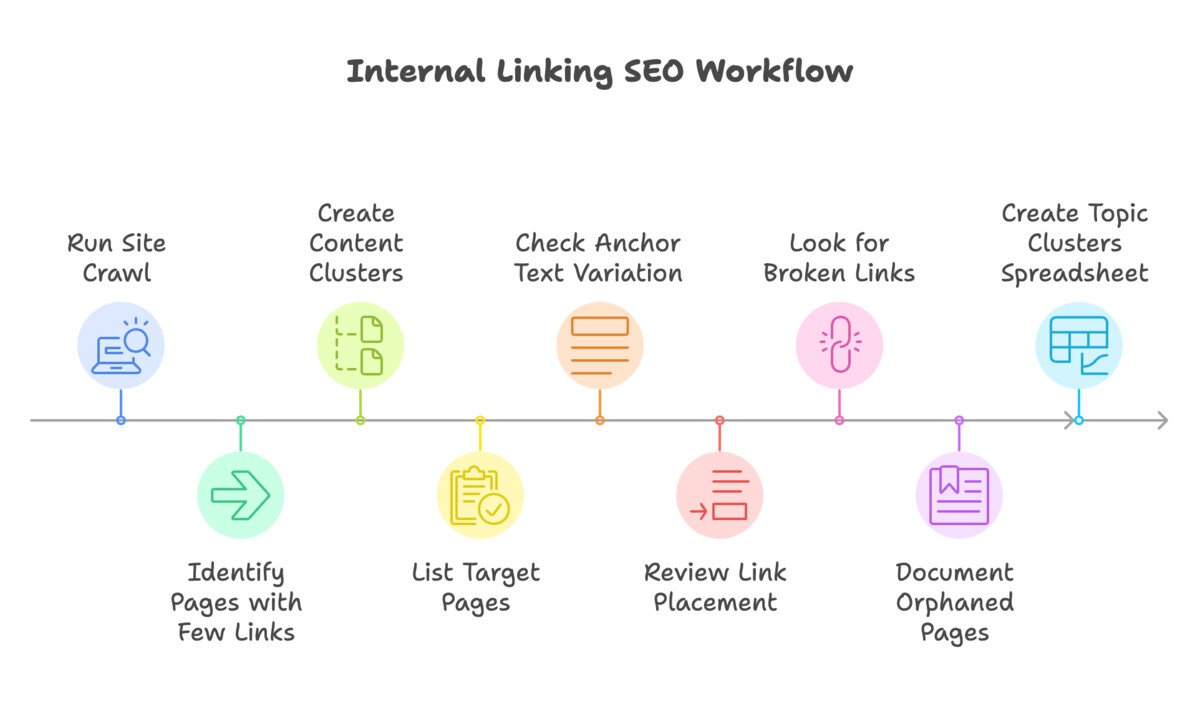
You don’t need expensive enterprise tools to manage internal linking effectively. Here’s a pragmatic workflow:
- Content Mapping: Start by mapping your pillar content and supporting cluster articles. A simple spreadsheet or a visual mind map can help you see the relationships.
- Site Search: Use your website’s internal search function. When you publish a new article, search for its main topic or related keywords on your site. This quickly reveals existing content that could link to your new page.
- Google Search Console: Use the “Links” report to identify your most linked-to pages and see how internal links are distributed. This can highlight pages that are either over-linked or under-linked. Google Search Console internal links report
- Basic SEO Tools: Tools like Ahrefs or Semrush offer site audit features that can identify broken internal links or pages with few internal links. Use these for quick wins, but don’t get lost in the data. Ahrefs site audit internal linking
- Manual Insertion: The most effective internal links are often added manually during the content creation or update process. Train your content creators to think about internal linking opportunities as they write.
Measuring Impact and Adapting Your Strategy
Internal linking is an ongoing process, not a one-time fix. Regularly monitor the impact of your efforts:
- Track Page Performance: Use Google Analytics to monitor traffic, bounce rate, and time on page for the pages you’ve targeted with new internal links. Look for improvements in engagement metrics.
- Monitor Keyword Rankings: Keep an eye on the keyword rankings for your pillar pages and other high-value content. Improved internal linking should contribute to better visibility.
- Crawl Stats in Google Search Console: Pay attention to how frequently Googlebot crawls your important pages. A well-linked site generally sees more efficient crawling.
- User Flow: Analyze user behavior paths in Google Analytics. Are users navigating through your internal links as intended? This can reveal opportunities to improve your linking structure for better user experience.
By focusing on these practical, high-impact internal linking strategies, small to mid-sized businesses can significantly improve their SEO performance and user experience in the current AI-driven search landscape, all while working within real-world constraints.

Leave a Comment