


The New Reality of Generative AI Search
Generative AI features, like Google’s AI Overviews, are fundamentally reshaping how users find information and how businesses gain visibility in search results. For small to mid-sized businesses, this isn’t just a minor update; it’s a strategic pivot. Your content strategy must evolve beyond traditional keyword-centric SEO to prioritize comprehensive answers, demonstrable authority, and clear value. This article will cut through the noise, providing a pragmatic roadmap to adapt your content for today’s AI-driven SERPs, ensuring your limited resources are focused on what truly moves the needle for visibility and growth.
By understanding these shifts, you’ll learn to prioritize content efforts that resonate with AI models and human users alike, making your content more discoverable and impactful. We’ll focus on actionable steps to build authority and relevance, helping you navigate the evolving search landscape without overstretching your team or budget.
Prioritizing for AI-Driven Visibility: What Matters Most Now
The core shift in generative AI search is away from simply matching keywords to understanding and synthesizing information. This demands a content strategy focused on depth, accuracy, and trust. Here’s where your immediate efforts should go:
- Deep User Intent Understanding: Go beyond surface-level keywords. What problem is the user trying to solve? What follow-up questions might they have? AI models excel at connecting disparate pieces of information to form a complete answer. Your content needs to anticipate and address this holistic intent.
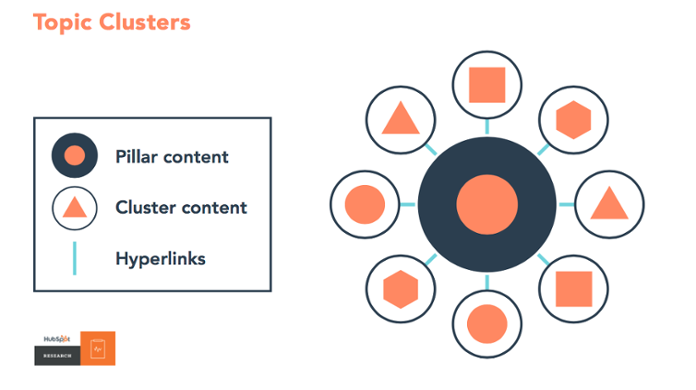
- Topical Authority, Not Just Keyword Density: Instead of creating many articles targeting slight keyword variations, build comprehensive content hubs around core topics. Demonstrate deep expertise by covering a subject from multiple angles, answering common questions, and providing practical solutions. This signals to AI that you are a definitive source.

Content hub structure diagram - Clarity, Conciseness, and Direct Answers: AI models are trained on vast datasets and favor clear, unambiguous information. Structure your content to provide direct answers to common questions early on. Use headings, bullet points, and short paragraphs to improve readability and scannability, making it easier for AI to extract key information.
- Demonstrable E-E-A-T (Experience, Expertise, Authoritativeness, Trustworthiness): This has always been important, but it’s now paramount. AI Overviews often cite sources, and they prioritize content from established, credible entities. Ensure your content is backed by real-world experience, written by experts, and presented on a trustworthy site. Clearly attribute authors, provide credentials, and link to reputable sources when appropriate. E-E-A-T guidelines
- Structured Data Implementation: While not a magic bullet, structured data (Schema markup) helps AI models understand the context and relationships within your content. Prioritize implementing Schema for common content types like FAQs, how-to guides, products, and local business information. This provides explicit signals that AI can leverage.
What often gets overlooked in the pursuit of these strategies is the sustained commitment required, particularly for smaller teams. Building true topical authority, for instance, isn’t a quick win. It demands consistent investment in deep research and comprehensive content creation over months, if not years. The hidden cost here is the potential for early-stage frustration and the temptation to revert to short-term tactics when immediate results aren’t apparent. Teams must manage expectations internally and understand that this foundational work pays dividends over time, but not instantly.
Another common pitfall lies in over-interpreting the call for “clarity and conciseness.” While AI models favor direct answers, content still needs to resonate with human readers. The non-obvious failure mode is creating content that is technically optimized for extraction but lacks the nuance, empathy, or brand voice that builds genuine connection and trust with your audience. Stripping content down too aggressively can make it feel sterile or generic, which might satisfy an algorithm but ultimately fails to convert or retain human visitors. It’s a delicate balance between machine readability and human engagement.
Finally, structured data, while powerful, isn’t a set-it-and-forget-it solution. The initial implementation is only the first step. Over time, content changes, new schema types emerge, and existing ones evolve. The delayed consequence of neglecting ongoing maintenance is that your structured data can become outdated, inaccurate, or even break, sending confusing or incorrect signals to AI. This not only negates the initial effort but can actively hinder visibility, creating a new problem that requires more effort to untangle than if it had been consistently managed.
What to Deprioritize or Skip Today
With limited resources, knowing what to pull back on is as crucial as knowing what to focus on. Today, you should significantly deprioritize or outright skip:
- Obsessive Keyword Density and Exact Match Keywords: The days of stuffing keywords into every paragraph are long gone. AI understands semantic relationships and context far better than previous algorithms. Over-optimizing for exact match keywords can now make your content sound unnatural and less authoritative, potentially harming its chances of being selected for AI Overviews. Focus on natural language and comprehensive topic coverage instead.
- Creating Thin, Superficial Content: Short blog posts (under five hundred words) that barely scratch the surface of a topic are unlikely to gain traction in AI search. Generative AI aims to provide comprehensive answers, often synthesizing information from multiple sources. Content that lacks depth or unique insights will struggle to compete. Invest in fewer, higher-quality, and more in-depth pieces.
- Relying Solely on Low-Quality AI-Generated Content: While AI tools are invaluable for research, outlining, and drafting, simply publishing unedited, low-quality AI-generated content is a losing strategy. These tools often produce generic, repetitive, or even inaccurate information. AI models are becoming increasingly adept at identifying and de-prioritizing such content. Human oversight, editing, and the addition of unique insights and E-E-A-T are non-negotiable.
- Link Building for Quantity Over Quality: While backlinks remain a ranking factor, the emphasis has shifted further towards relevance and authority. Chasing large numbers of low-quality links is a waste of time and can be detrimental. Focus on earning high-quality, editorially placed links from authoritative sites in your niche.
The immediate appeal of cutting corners—whether through thin content or unedited AI output—often masks significant downstream costs. For instance, a continuous stream of superficial content doesn’t just fail to rank; it accumulates as “content debt.” This debt becomes a heavy burden over time, requiring significant effort to either update, consolidate, or prune. Teams then face the frustrating choice of dedicating scarce resources to fixing past mistakes rather than creating new, impactful work. This isn’t just an SEO problem; it’s an operational drag that saps morale and diverts focus from strategic initiatives.
Similarly, the perceived efficiency of publishing low-quality AI-generated content quickly erodes trust. While it might seem like a fast way to fill a content calendar, readers—and increasingly, AI models—can detect generic, unoriginal, or factually weak material. The slow, almost imperceptible damage to your brand’s authority and credibility is a far greater cost than the time saved. Rebuilding that trust, once lost, is an arduous and often impossible task, creating immense pressure on teams to justify their content strategy when the results fail to materialize.
Even the seemingly minor issue of over-optimizing for keywords carries a human cost. Forcing writers to contort language for exact matches creates unnatural prose that alienates readers and frustrates the content creators themselves. This focus on mechanical optimization over clear communication can lead to a pervasive sense that content is merely a vehicle for algorithms, rather than a valuable resource for the audience, ultimately diminishing the quality and impact of all future output.
Actionable Steps for Your Content Team
Translating these priorities into action requires a systematic approach. Here’s how to start:
- Conduct a Content Audit with an AI Lens: Review your existing content. Identify pieces that are already comprehensive and authoritative, and those that are thin or outdated. Look for opportunities to consolidate, expand, and update content to create deeper topical hubs. Prioritize content that addresses core user problems and demonstrates your unique expertise.
- Develop Content Hubs and Pillar Pages: Map out your key business topics. For each topic, create a robust pillar page that provides a high-level overview and links to several supporting cluster articles that delve into specific sub-topics. This structure clearly signals topical authority to both users and AI.

Content pillar and cluster model - Integrate Q&A Formats and FAQs: Directly address common questions your audience has. Use clear headings for questions and concise, direct answers. This format is highly amenable to AI extraction for snippets and direct answers in generative results.
- Leverage AI Tools for Research and Ideation, Not Just Generation: Use AI to analyze search intent, identify content gaps, summarize complex topics, and brainstorm related questions. For example, you can use AI to quickly understand what aspects of a topic are frequently discussed or what common misconceptions exist, informing your content creation process. AI tools for content research
- Strengthen Internal Linking: Strategically link related content within your site. This not only helps users navigate but also reinforces topical authority for search engines and AI models, showing how different pieces of content contribute to a larger subject.
Adapting to the Continuous Evolution of Search
The search landscape will continue to evolve rapidly with advancements in AI. Your content strategy must be agile. Regularly monitor changes in SERP features, analyze how AI Overviews are presenting information for your target queries, and be prepared to iterate. The core principles of providing valuable, authoritative, and user-centric content will remain constant, but the methods of delivery and optimization will require ongoing attention.


Leave a Comment