

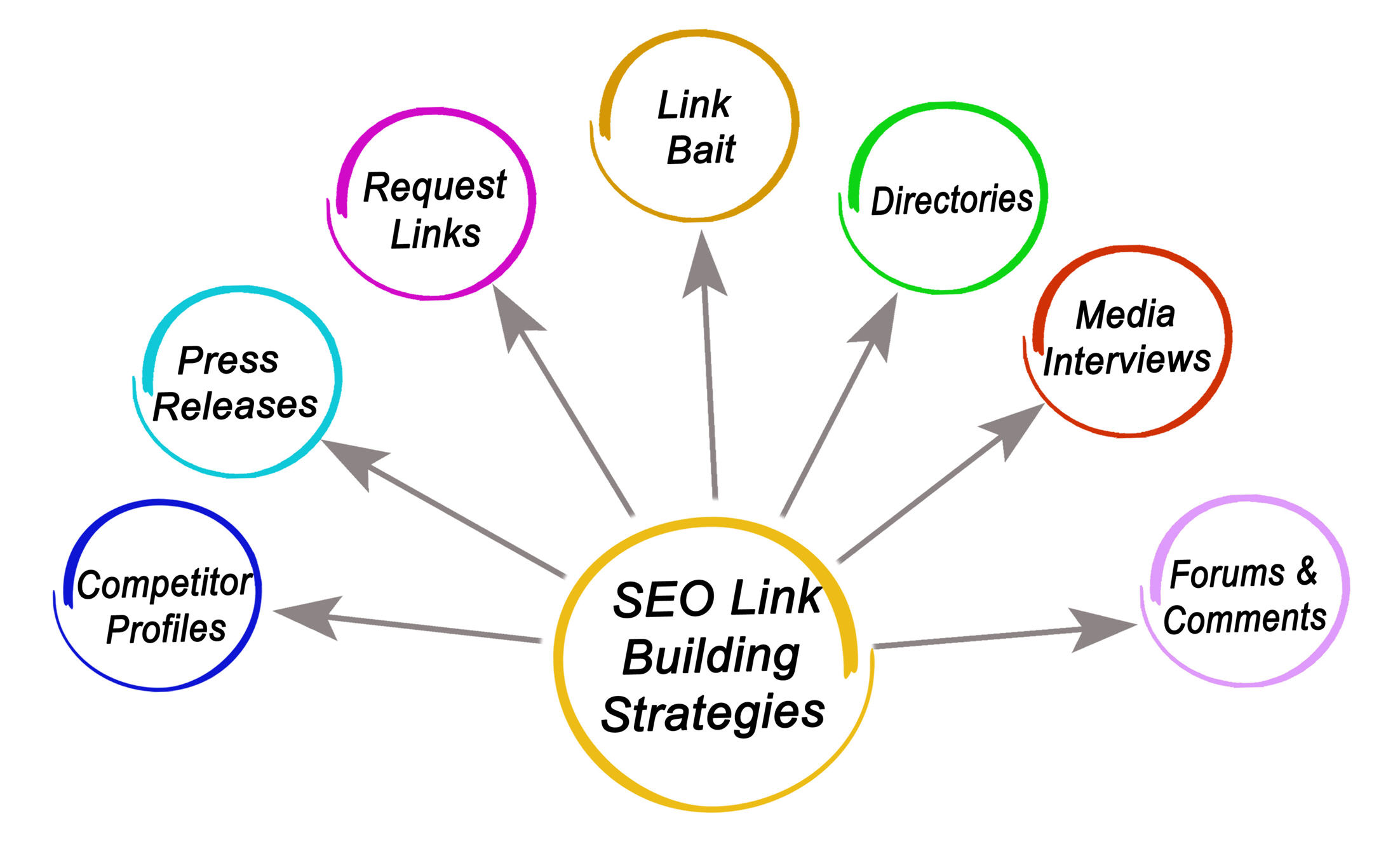
For small to mid-sized businesses, effective link building isn’t about chasing every possible backlink; it’s about strategically acquiring signals of trust and authority that search engines use to rank your content. This guide cuts through the noise, showing you how to focus your limited resources on tactics that genuinely move the needle for organic visibility and drive qualified traffic.
You’ll gain practical insights into prioritizing link building efforts, understanding what truly works in the current SEO landscape, and crucially, what to deprioritize or avoid entirely to prevent wasted effort and potential penalties. We’ll focus on actionable steps that build a sustainable, authoritative link profile, even with imperfect execution.
Understanding the Core Value of Links
For small to mid-sized businesses, link building isn’t about chasing every possible backlink; it’s about strategically acquiring signals of trust and authority that search engines like Google use to rank your content. Each high-quality, relevant link acts as an endorsement, telling search engines that your website is a valuable resource. This isn’t a theoretical exercise; it directly impacts your organic visibility, driving more qualified traffic to your site.
The goal isn’t just to accumulate links, but to build a natural, diverse, and authoritative link profile that genuinely reflects your expertise and value in your niche. Prioritize quality and relevance over sheer volume, especially when resources are tight.
Prioritizing Link Building Efforts for SMBs
With limited budgets and headcount, you can’t do everything. Your link building strategy must be highly focused on high-impact activities that yield the best return. Here’s a pragmatic approach to prioritization:
- Internal Linking Optimization: This is often overlooked and costs nothing but time. Ensure your most important pages are well-linked from other relevant pages on your site. This distributes “link equity” and helps search engines understand your site’s structure and key content.
- Local Citations and Directories: If you’re a local business, this is foundational. Consistent NAP (Name, Address, Phone) information across reputable local directories (e.g., Yelp, Google Business Profile, industry-specific directories) builds local authority and trust. It’s low-hanging fruit.
- Competitor Backlink Analysis: Use tools like Ahrefs or Semrush to identify where your top-ranking competitors are getting their links. This reveals proven sources and often uncovers easy-to-replicate opportunities. Focus on sites that link to multiple competitors, indicating a willingness to link within your niche.

Competitor backlink profile analysis - Content-Driven Link Earning: Create truly valuable, unique content that naturally attracts links. This could be original research, comprehensive guides, unique tools, or data visualizations. This is a long-term play but yields the highest quality, most sustainable links.
- Strategic Guest Posting: Identify highly relevant, authoritative websites in your industry that accept guest contributions. Focus on sites with real traffic and an engaged audience, not just high domain authority. Your goal is to provide genuine value to their readers while earning a contextual link back to your site.
While some link building activities appear to be “low-hanging fruit,” it’s crucial to understand their potential hidden costs or delayed consequences. For instance, local citations are foundational, but the ongoing maintenance of consistent NAP information across dozens of directories can become a significant, often underestimated, time sink. Inconsistent data across these sources over time can actually dilute your local authority rather than strengthen it, creating more work to fix than the initial setup saved.
Similarly, competitor backlink analysis, while valuable for identifying opportunities, can lead teams astray if not approached critically. Simply replicating every link a competitor has without vetting the source for quality, relevance, and actual traffic can result in acquiring low-value or even harmful links. The pressure to “catch up” can push teams to pursue quantity over quality, which ultimately wastes resources and can even invite manual penalties or algorithmic demotions down the line.
Content-driven link earning, while yielding the highest quality links, often clashes with the short-term pressures faced by small teams. The investment in truly unique research or comprehensive guides is substantial, and the natural link acquisition process is rarely linear or immediate. This can lead to internal frustration and premature abandonment if stakeholders expect quick ROI. The theory suggests “build it and they will link,” but in practice, even exceptional content requires sustained promotion and patience, which can be difficult to maintain when resources are tight and other priorities demand attention.
Given these realities, one area many SMBs should deprioritize, especially in the early stages, is broad-stroke guest posting. While strategic guest posting on truly authoritative and relevant sites is valuable, the temptation to chase any site with a decent domain authority score can be a massive drain on resources. Many “guest post farms” offer little to no real audience engagement, and the links gained provide minimal, if any, SEO benefit. Focus your limited outreach efforts on building genuine relationships and earning links through content that already exists, rather than creating new content solely for a guest post on a site that won’t move the needle.
Effective Tactics for Resource-Constrained Teams
Executing link building with limited resources means being smart and efficient. Here are tactics that work well under real-world constraints:
- Leverage Existing Relationships: Reach out to business partners, suppliers, clients, or industry associations you already work with. A simple request for a mention or a link on their “partners” or “resources” page can often be successful.
- Unlinked Mentions: Use monitoring tools to find mentions of your brand or products that don’t include a link. A polite email requesting a link can convert these into valuable backlinks.
- Broken Link Building (Selective): Find broken links on relevant, authoritative websites in your niche. Create content that replaces the broken resource, then inform the webmaster. This requires more effort but can yield high-quality links. Prioritize sites that are highly relevant and have a strong domain authority.
- Resource Pages & Link Roundups: Many websites curate lists of useful resources or publish weekly/monthly link roundups. If you have a valuable piece of content, reach out and suggest it for inclusion.
What often gets overlooked in these seemingly straightforward tactics is the cumulative effort and the hidden costs. Leveraging existing relationships, for instance, isn’t a one-time transaction. It requires careful consideration of the ask, potential reciprocity, and the long-term health of that relationship. Push too hard or too often without offering value in return, and you risk eroding goodwill, which is a far greater cost than a missed backlink.
Similarly, while identifying unlinked mentions or suitable resource pages seems efficient, the actual conversion rate for these outreach efforts can be surprisingly low. This means teams often need to execute a much higher volume of outreach than initially anticipated to secure a meaningful number of links. The frustration of a low response rate, coupled with the time investment in personalized emails, can lead to burnout and premature abandonment of an otherwise viable strategy. It’s easy to underestimate the sheer grind required to move the needle.
For more content-intensive tactics like broken link building, the primary investment isn’t just finding the broken link, but creating or adapting high-quality content to replace it. A common pitfall is creating bespoke content for an opportunity that ultimately doesn’t convert. This leaves teams with orphaned content that either sits unused or requires additional effort to repurpose for other channels, effectively creating a “content debt” that drains future resources. The theoretical efficiency of replacing a broken link often masks the practical reality of content production risk.
What to Deprioritize or Avoid Today
For small and mid-sized teams, knowing what to skip is as important as knowing what to do. Today, you should deprioritize or completely avoid mass-scale, untargeted outreach campaigns. Sending hundreds or thousands of generic emails to irrelevant websites is a waste of time and resources, often leading to low response rates and even spam complaints. Focus your outreach on highly targeted, personalized approaches to a smaller number of genuinely relevant prospects. Similarly, steer clear of paid link schemes, link farms, or low-quality directory submissions. These tactics violate Google’s guidelines Google’s guidelines on link schemes, carry significant risk of penalties, and ultimately do more harm than good to your long-term authority and rankings. Your limited budget is better spent on creating valuable content and building genuine relationships.
Measuring Impact and Adapting Your Strategy
Link building isn’t a “set it and forget it” activity. You need to track your progress and adapt your strategy based on what’s working. Use tools like Google Search Console to monitor your backlink profile, identify new links, and disavow problematic ones if necessary. Track changes in your organic keyword rankings and overall organic traffic using Google Analytics. Pay attention to which types of links correlate with improvements in your target keywords and traffic. This data-driven feedback loop allows you to refine your efforts, focusing more on the tactics that deliver tangible results for your business. Remember, a healthy link profile grows naturally and consistently over time, reflecting your site’s increasing value and authority.


1 Comment