

Introduction
For small to mid-sized businesses, marketing isn’t about unlimited budgets or sprawling teams. It’s about making every dollar and every hour count. This article cuts through the noise to deliver a practitioner’s guide to lean marketing – focusing on what truly moves the needle when resources are tight. You’ll gain practical insights on prioritizing high-impact activities, building an efficient tech stack, and making data-driven decisions that drive real growth, not just activity.
We’ll explore how to identify and execute the most effective strategies, what tools provide the best return on investment, and critically, what to deprioritize or skip entirely to avoid wasting precious resources. Our goal is to equip you with the judgment needed to achieve significant results under real-world constraints.
What Lean Marketing Means for SMBs
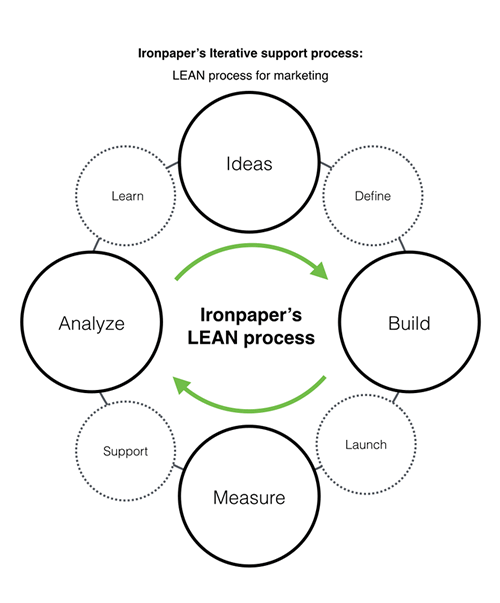
Lean marketing isn’t about doing less; it’s about doing smarter. For SMBs, it means ruthlessly focusing on activities that directly contribute to business goals – lead generation, customer acquisition, and retention – with the fewest possible resources. It’s an iterative process, prioritizing speed to market and continuous learning over perfection or exhaustive planning.
- Value-Driven: Every marketing effort must deliver clear, measurable value. If it doesn’t, question its existence.
- Resource Optimization: Maximize the output from limited budget, time, and team members.
- Agile & Iterative: Launch, measure, learn, and adapt quickly. Avoid long, drawn-out campaigns without mid-course correction points.
- Customer-Centric: Understand your ideal customer deeply and tailor efforts to their specific needs and channels.
However, the practical application of lean principles often reveals hidden complexities. While the drive for measurable value is critical, it’s easy to fall into the trap of optimizing solely for immediate, easily trackable metrics. This can inadvertently deprioritize activities with longer-term, less direct, but ultimately more profound impact, like foundational brand building or deep customer insight gathering that requires qualitative effort. The constant pressure for quick wins can lead to a series of tactical successes that don’t build into a cohesive, sustainable strategy.
Furthermore, the emphasis on speed to market and iteration, while powerful, also carries a hidden cost: operational debt. Constantly launching and adapting with minimal resources can mean cutting corners on documentation, system integration, or robust process development. What feels like efficiency today can become a significant drag tomorrow, manifesting as increased manual effort, data silos, or a fragile marketing tech stack that becomes harder and more expensive to maintain as the business grows. This often creates a frustrating cycle where teams spend more time fixing past shortcuts than innovating, diverting energy from future growth.
For SMBs, it’s crucial to resist the urge to over-engineer analytics or chase perfect attribution models. While data is vital, spending weeks trying to precisely quantify every touchpoint often consumes resources that could be better spent on direct action and learning from real-world campaigns. The pursuit of analytical perfection can become a form of procrastination, leading to decision paralysis rather than agile execution. Focus on directional insights that inform the next practical step, not exhaustive reporting, and be comfortable with “good enough” data to move forward.
Prioritizing for Impact: The 80/20 Rule in Action
The core of lean marketing is identifying the twenty percent of efforts that will generate eighty percent of your results. For most SMBs, this often means doubling down on a few proven channels rather than spreading resources thin across many. Organic search (SEO) and email marketing are frequently high-leverage areas.
For instance, investing in foundational SEO can provide long-term, compounding returns by attracting qualified traffic consistently. This isn’t about chasing every trending keyword, but rather optimizing for core terms that your ideal customers use when actively seeking solutions. Similarly, a well-segmented email list and a consistent communication strategy can be incredibly effective for nurturing leads and retaining customers at a low cost.
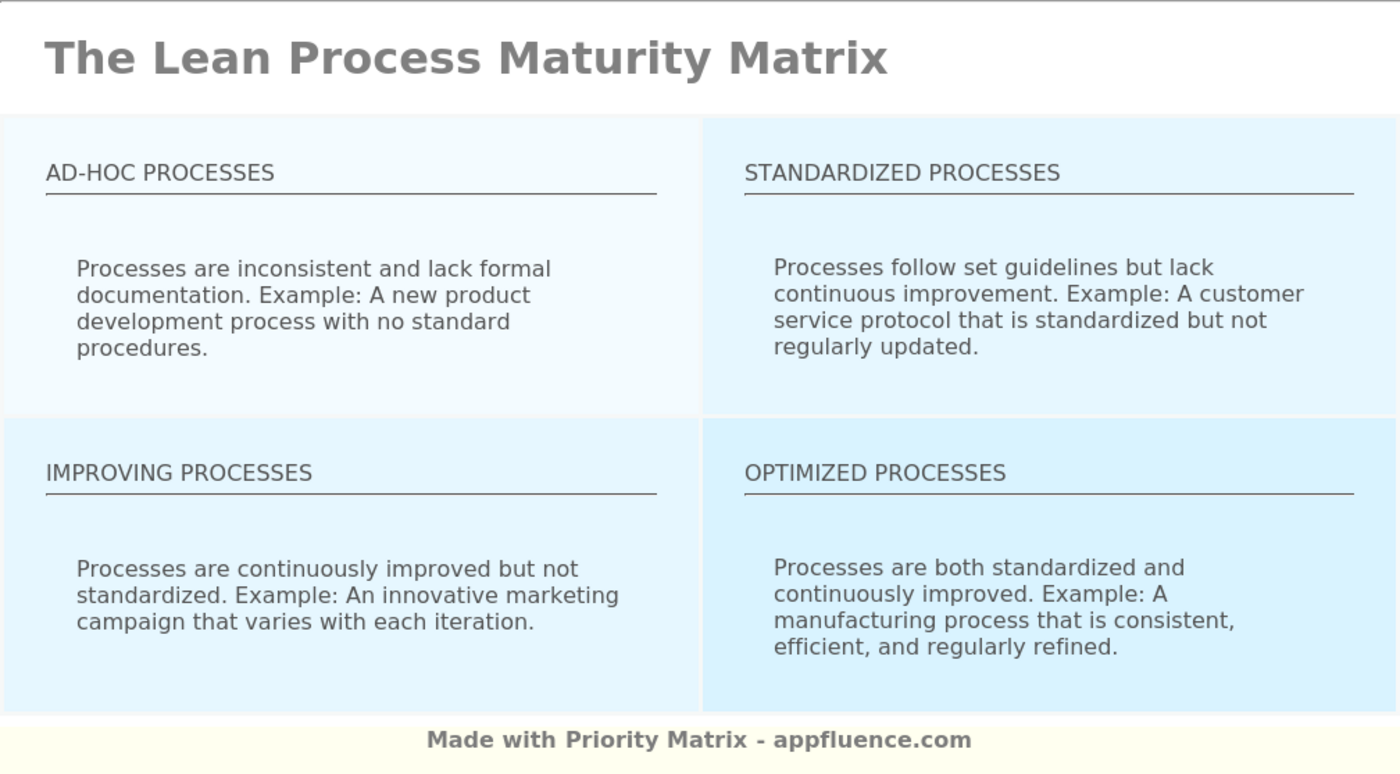
When making trade-offs, consider the direct line of sight to revenue. Is this activity going to bring in leads, convert customers, or increase customer lifetime value? If the connection is tenuous or requires significant upfront investment without clear short-term wins, it likely belongs lower on your priority list.
What often gets overlooked in the pursuit of these high-leverage activities are the hidden costs of maintenance and adaptation. For instance, foundational SEO isn’t a one-time fix; it requires ongoing monitoring of algorithm shifts, competitive landscapes, and evolving user intent. Neglecting this continuous refinement means initial gains will slowly erode, leading to a frustrating perception that the strategy “stopped working” when, in reality, the sustained effort was simply absent. This slow decay is a common second-order effect, where the initial investment’s value diminishes over time due to a lack of follow-through.
Similarly, the idea of a “consistent communication strategy” in email marketing often clashes with the operational realities of a small team. The pressure to send something can easily override the strategic intent, leading to rushed, less relevant content or, worse, burnout for the individual managing it. While the theory advocates for deep segmentation and personalization, the practical reality for many teams is a struggle to maintain clean data and allocate the time needed for truly tailored campaigns. This often results in a default to broader, less effective sends, diminishing engagement and accelerating list fatigue.
The emphasis on a direct line of sight to revenue, while crucial for prioritization, can also introduce a subtle bias towards short-term gains. Activities that build long-term brand equity, foster deeper customer loyalty, or invest in future capabilities often lack immediate, easily quantifiable revenue impact. Under constant pressure to demonstrate ROI, teams might deprioritize these “softer” but strategically vital initiatives. The delayed consequence is a more transactional customer base, less resilient to competitive pressures, and a missed opportunity for sustained, organic growth that only becomes apparent much further down the line.
Building a Minimum Viable Marketing Stack
Your marketing technology (martech) stack should be a toolkit, not a trophy case. For SMBs, the goal is functionality and integration, not an exhaustive list of features you’ll never use. Start with the essentials and expand only when a clear need and ROI are identified.
- CRM: A customer relationship management system is non-negotiable for tracking leads, managing customer interactions, and understanding your sales pipeline. Solutions like HubSpot’s free CRM or similar platforms offer robust starting points. free crm
- Email Marketing Platform: Essential for lead nurturing, promotions, and customer communication. Look for platforms with good segmentation capabilities and automation features.
- Website Analytics: Google Analytics 4 (GA4) is critical for understanding website performance, user behavior, and campaign effectiveness. It’s free and provides the data needed for informed decisions. google analytics 4
- Content Planning/Scheduling: A simple tool for managing your content calendar and social media posts can save significant time.
Avoid over-investing in enterprise-level platforms that come with high costs and steep learning curves. Many robust, affordable tools exist that scale well with growing businesses without overwhelming your budget or team’s capacity.
Content Strategy: Quality Over Quantity
In a lean marketing context, content isn’t just about filling a blog; it’s about solving problems for your audience and establishing authority. Focus on creating fewer, higher-quality pieces of content that genuinely resonate and provide lasting value. A single, well-researched guide or an in-depth case study can outperform ten superficial blog posts.
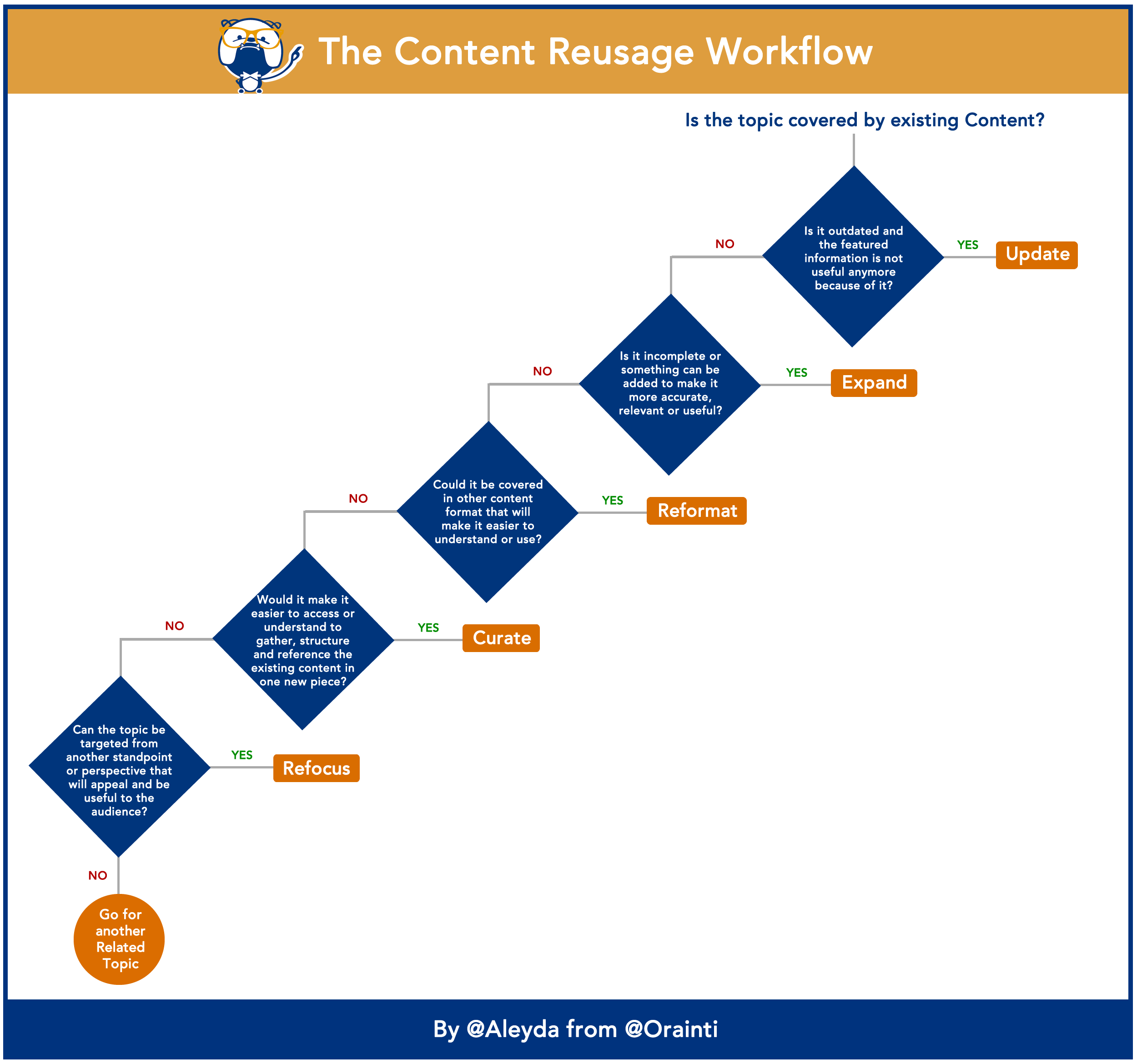
Prioritize evergreen content that remains relevant over time, reducing the need for constant updates. Repurpose existing content across different formats – turn a blog post into a video script, an infographic, or a series of social media snippets. This multiplies your effort without requiring entirely new creation.
The distribution of your content is just as important as its creation. A fantastic piece of content that no one sees is a wasted resource. Plan your distribution channels (email, social, paid promotion) before you even start writing.
Data-Driven Iteration, Not Perfection
Lean marketing thrives on rapid experimentation and data-informed adjustments. You don’t need perfect data or complex attribution models to make better decisions. Focus on key performance indicators (KPIs) that directly link to your business objectives.
Set up simple tracking for your campaigns: What’s the conversion rate on that landing page? How many leads did that email sequence generate? What’s the cost per acquisition for your paid ads? Use this feedback to make incremental improvements. Small, consistent optimizations often yield greater cumulative results than waiting for a grand, flawless strategy.
Embrace the “test and learn” mindset. Not every experiment will succeed, and that’s acceptable. The goal is to learn quickly from failures and apply those insights to the next iteration. This prevents prolonged investment in ineffective tactics.
What to Deprioritize or Skip Today
For small to mid-sized teams operating with limited budgets and headcount, certain marketing activities, while potentially valuable in an ideal scenario, are resource drains that should be explicitly deprioritized or skipped. Avoid launching into complex, multi-channel social media strategies that demand daily, unique content for every platform. Instead, focus on 1-2 platforms where your target audience is most active and where you can consistently deliver high-quality engagement. Similarly, extensive market research projects requiring significant external agency spend or internal hours are often too costly for the immediate actionable insights they provide; leverage existing industry reports or direct customer feedback instead. Delay investing in advanced AI-driven personalization tools until your core analytics and segmentation are robust and your traffic volume justifies the complexity. These activities often consume disproportionate time and budget without delivering a commensurate return for businesses operating under real-world constraints, diverting resources from more impactful, foundational efforts.
Sustaining Lean Marketing Efforts
Lean marketing is an ongoing discipline, not a one-time project. To sustain its benefits, regularly review your marketing activities against your business goals. Are your current efforts still the most efficient path to achieving those goals? Are there new, simpler ways to achieve the same or better results?
Leverage AI tools for efficiency where appropriate. AI can assist with initial content drafts, generate social media captions, analyze basic data patterns, or even help with keyword research. These tools act as force multipliers for small teams, automating repetitive tasks and freeing up human marketers for strategic thinking and creative execution.
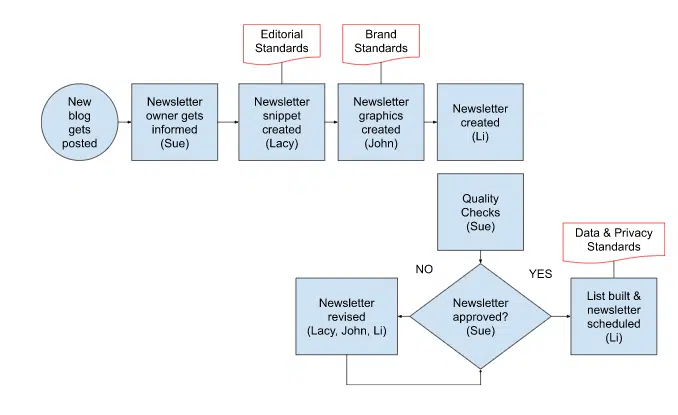
Continuously educate your team on lean principles and new, efficient tools. Foster a culture of experimentation and measurement. The marketing landscape evolves rapidly, and a lean approach ensures your business remains agile and responsive without overcommitting resources.
Moving Forward with Optimized Resources
Implementing a lean marketing approach requires discipline and a clear understanding of your business priorities. By focusing on high-impact activities, building a practical tech stack, prioritizing quality content, and embracing data-driven iteration, your small to mid-sized business can achieve significant growth. Remember, the goal isn’t to do everything, but to do the right things exceptionally well, consistently, and with an eye on maximizing every resource.


Leave a Comment