

Navigating the ever-shifting landscape of social media algorithms can feel like a constant uphill battle for small to mid-sized businesses. With limited time and budget, every content decision counts. This article cuts through the noise to provide actionable strategies that help you maintain consistent social media reach, even when platforms change their rules. You’ll learn what to prioritize, what to delay, and what to avoid to ensure your efforts yield real results under real-world constraints.
Our focus is on practical, adaptable approaches that work for teams without dedicated social media departments or endless resources. We’ll equip you with the judgment calls needed to make smart trade-offs and build a more resilient social presence.
Understanding the Core Challenge
Platform algorithms aren’t designed to make your life harder; they’re built to keep users engaged. This means they prioritize content that generates interaction, relevance, and time spent on the platform. When algorithms shift, it’s usually to refine this goal, often favoring new formats, deeper engagement, or specific types of content that enhance user experience. For SMBs, the challenge isn’t just understanding these changes, but adapting quickly without overhauling your entire strategy every few months. Consistency and strategic flexibility are your greatest assets.
Prioritizing Adaptable Content Formats
Currently, platforms heavily favor native content, especially video. Short-form video (think Reels, TikTok, YouTube Shorts) continues to dominate reach, but longer-form video is also gaining traction as platforms seek to increase watch time. Your priority should be to create content that can be easily adapted across different formats and platforms.
- Native Video First: Invest in creating short, engaging videos directly within the platform’s tools. This often gets preferential treatment.
- Repurpose Smartly: Don’t create unique content for every single platform. A longer video can be cut into multiple short clips, a blog post can become an infographic and several social posts, and an audio clip can be paired with visuals.
- Visual Storytelling: Even static images should tell a story or convey a clear message quickly. Infographics and carousels remain effective for delivering value.
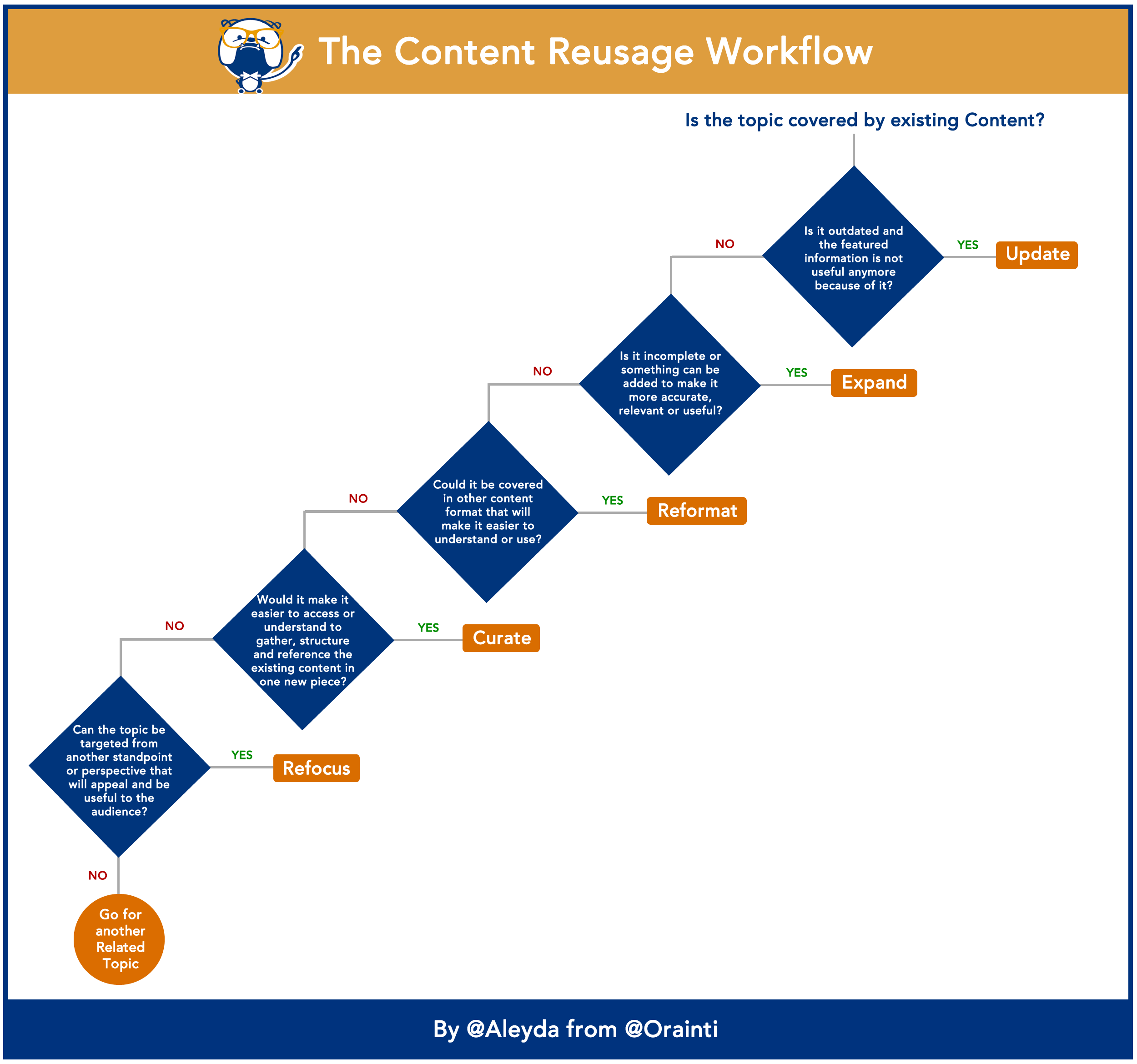
The key is to meet your audience where they are with the content they prefer, in the format the platform is currently pushing. This doesn’t mean abandoning all other content types, but rather allocating more resources to what’s currently working best for reach.
While chasing platform-favored formats delivers immediate reach, it often comes with a hidden cost: the erosion of durable content assets. Teams can find themselves on a content treadmill, constantly producing new, ephemeral pieces that quickly lose relevance. This approach, while effective for short-term visibility, often neglects the creation of evergreen content that builds long-term authority, search engine value, or deep audience engagement outside of the platform’s control. The immediate gratification of reach can overshadow the slower, more strategic work of building a content library that compounds over time.
The concept of “repurposing smartly” is sound in theory, but in practice, it’s far more demanding than simply chopping up a longer piece. Effective repurposing requires a deep understanding of each platform’s nuances, audience expectations, and content consumption patterns. A short video clip derived from a longer piece still needs its own compelling hook, a clear standalone message, and a tailored call to action. Without this careful adaptation, repurposed content can feel generic, out of context, or simply low-effort, failing to resonate despite the initial investment in the source material. This often requires additional creative and editorial bandwidth that small teams underestimate.
The constant pressure to adapt to platform shifts also forces difficult trade-offs. While the goal is to “not abandon all other content types,” in reality, limited budgets and headcount mean something inevitably gets deprioritized. Often, it’s the foundational content that builds long-term brand equity and organic search presence – detailed blog posts, comprehensive guides, or in-depth educational resources. These assets, while slower to gain traction, offer a more stable and owned audience connection. Teams often default to prioritizing the immediate, visible metrics of platform reach, inadvertently sacrificing the slower, but more sustainable, growth channels. This isn’t a failure of intent, but a consequence of real-world resource constraints and the pressure for quick wins.
Deepening Audience Engagement
Algorithms reward engagement because it signals valuable content. For SMBs, this means moving beyond passive posting to actively fostering community and interaction. This is where your limited headcount can make a significant impact through genuine connection.
- Prompt Responses: Reply to comments and direct messages quickly and thoughtfully. This shows you value your audience and encourages further interaction.
- Ask and Listen: Pose questions, run polls, and solicit feedback. Use Instagram Stories stickers or LinkedIn polls to make it easy for your audience to engage.
- Go Live: Live sessions, even short ones, can generate significant real-time engagement and often receive a boost in visibility. Use them for Q&As, product demos, or behind-the-scenes glimpses.
- Encourage User-Generated Content: Ask customers to share their experiences and tag your brand. This provides authentic content and builds social proof.
Focus on quality interactions over the sheer quantity of posts. A post with ten meaningful comments and replies will often outperform one with a hundred likes but no conversation.
While the immediate gains from active engagement are clear, the long-term implications for a lean team are often underestimated. The expectation of prompt responses, once set, becomes a baseline. Failing to maintain that speed during peak times or as your audience grows can lead to frustration, not just for your followers but for your team, who feel constant pressure to be “always on.” This isn’t just about missing a comment; it’s about eroding trust and creating a perception of inconsistency.
Similarly, asking for feedback or running polls is only half the equation. The real work, and the potential for a significant misstep, lies in what you do with that input. If you consistently solicit opinions but lack the bandwidth or decision-making process to act on them, your audience will quickly learn that their input doesn’t matter. This can lead to disengagement far more damaging than if you had never asked at all. It’s a common trap: the theory of “listening to your audience” is sound, but the practical execution requires a commitment to follow-through that many SMBs simply don’t have the resources for.
Even encouraging user-generated content, while valuable, introduces its own set of operational challenges. Curating submissions, ensuring they align with your brand, and managing the communication around what gets featured (and what doesn’t) can become a significant time sink. The decision pressure on a small team to politely decline content that isn’t quite right, without alienating a customer, is a real and often overlooked burden. For many, the initial excitement of receiving UGC quickly gives way to the reality of managing it effectively and consistently.
Given these realities, it’s often more prudent for SMBs to prioritize depth of engagement in fewer channels or with specific content types where they can genuinely commit to the follow-through. For instance, if live sessions are too demanding to prepare for consistently, focus instead on a robust Q&A in your comments section. The goal isn’t to do everything, but to do what you can sustain well, even under pressure.
Leveraging Analytics for Smarter Decisions
Guesswork is a luxury SMBs can’t afford. Platform analytics are your compass for navigating algorithm changes. They tell you what’s actually resonating with your audience, not just what you think should work.
- Identify Top Performers: Regularly review which posts achieve the highest reach, engagement rate, saves, and shares. Look for patterns in content type, topic, and time of posting.
- Understand Your Audience: Use demographic data to refine your targeting and content themes. Are you reaching the right people?
- Track Key Metrics: Beyond follower count, focus on metrics like reach, engagement rate (interactions divided by reach), and website clicks. These provide a clearer picture of impact.
- Iterate and Adapt: Use insights to inform your next content batch. If short videos are performing well, create more. If a specific topic drives comments, explore it further.
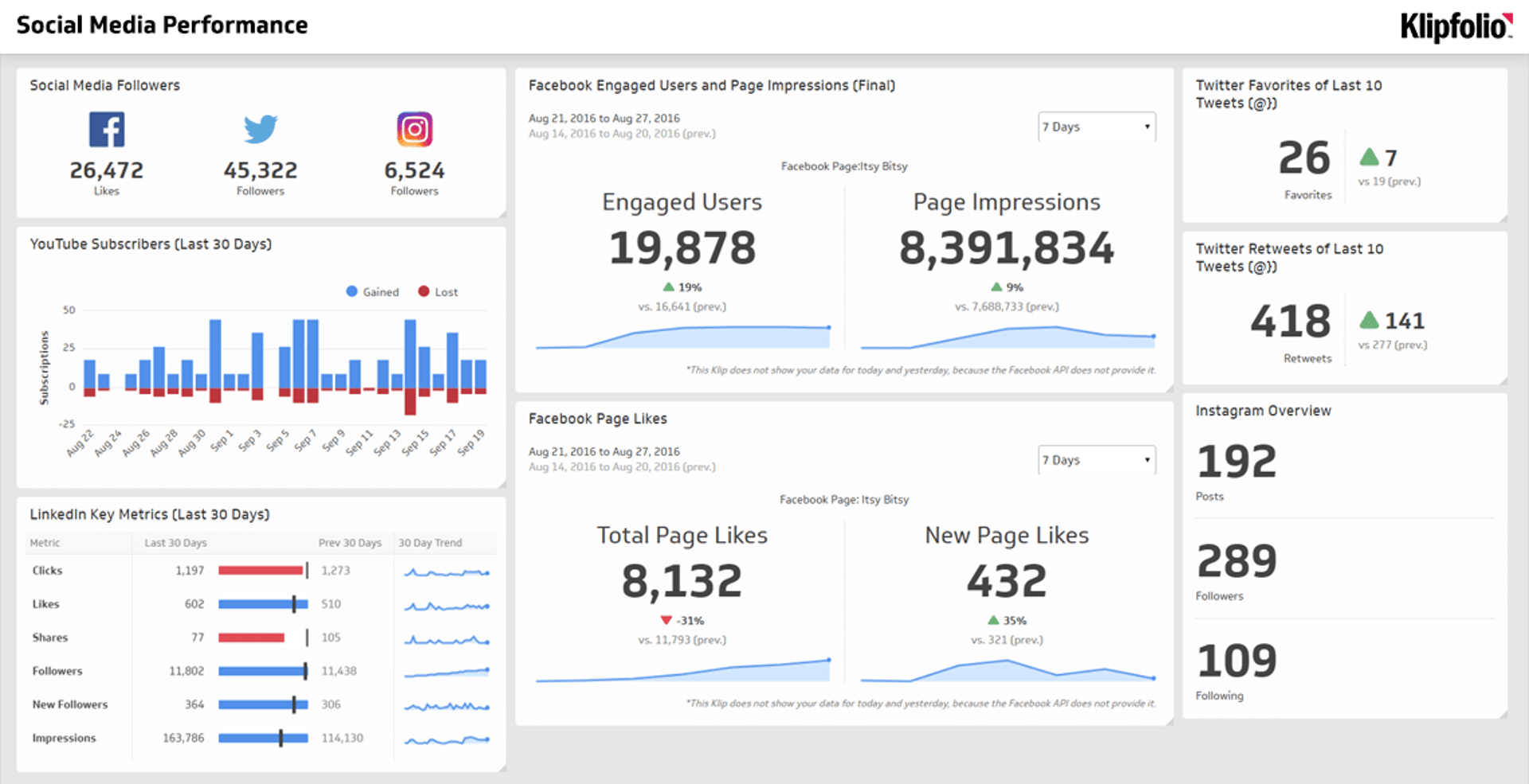
This data-driven approach allows you to make informed adjustments to your strategy, ensuring your efforts are always aligned with what the algorithms (and your audience) prefer.
What to Deprioritize and Why
With limited resources, knowing what to skip is as crucial as knowing what to do. For small to mid-sized teams, deprioritize the following:
- Chasing Every Micro-Trend: While staying current is important, don’t feel pressured to jump on every fleeting trend. Many require significant production effort for minimal, short-lived gain. Focus on evergreen content and trends that genuinely align with your brand and audience.
- Over-Reliance on “Set It and Forget It” Automation: While scheduling tools are efficient, algorithms often favor content posted natively or with direct engagement. Don’t sacrifice authentic interaction for the sake of a fully automated calendar. Use tools for efficiency, but always prioritize genuine presence.
- Obsessive Focus on Follower Count: A large follower count means little if those followers aren’t engaged or aren’t your target audience. Prioritize reach, engagement rate, and conversions over vanity metrics. Algorithms care about active users, not just dormant numbers.
- Buying Followers or Engagement: This is a detrimental practice. Algorithms are sophisticated enough to detect inorganic activity, which can lead to shadow-banning or reduced reach. It also dilutes your audience quality and provides no real business value.
These activities either waste precious time and budget, dilute your brand’s authenticity, or actively harm your long-term social media performance. Focus your limited resources on strategies that build genuine connection and deliver measurable results.
Building a Resilient Social Strategy
The only constant in social media is change. A resilient strategy acknowledges this by diversifying your efforts and focusing on assets you control. Don’t put all your eggs in one platform’s basket.
- Diversify Your Presence: While you might have a primary platform, maintain a presence on others relevant to your audience. This mitigates risk if one platform’s algorithm drastically changes.
- Own Your Audience: The most resilient strategy involves moving your audience off rented land (social media platforms) onto owned land (your website, your email list). Encourage sign-ups for newsletters or exclusive content. email list building strategies
- Continuous Learning: Stay informed about platform updates and industry trends, but filter them through your own data and audience insights. Adapt, don’t react impulsively.
By focusing on adaptable content, genuine engagement, data-driven decisions, and audience ownership, your small to mid-sized business can navigate algorithm changes effectively, ensuring consistent reach and sustained growth.


Leave a Comment