


Navigating economic shifts can feel like steering a ship through a storm, especially for small to mid-sized businesses with lean teams and tight budgets. This guide cuts through the noise, offering practical, actionable strategies to build genuine business resilience. You’ll learn where to focus your limited resources to protect your cash flow, strengthen customer relationships, and optimize operations, ensuring your business not only survives but can adapt and grow, even when conditions are less than ideal.
We’ll prioritize what truly moves the needle and what can, and should, be set aside, giving you a clear framework for decision-making in uncertain times.
Prioritize Cash Flow Above All Else
Cash flow is the bedrock of any business, particularly for SMBs. Without healthy liquidity, even profitable businesses can face significant challenges. This isn’t just about profit; it’s about having the operational runway to weather unexpected turbulence.
- Aggressive Accounts Receivable Management: Don’t wait. Implement clear payment terms and follow up promptly on overdue invoices. Consider offering small early payment incentives for key clients to encourage faster payments.
- Rigorous Expense Review: Go line by line through every recurring cost. Challenge every subscription, service, and supplier contract. Are you still using that software? Can you renegotiate terms? Look for redundancies and eliminate them.
- Build a Cash Reserve: Even a small buffer provides critical breathing room. Aim for at least three to six months of operating expenses if possible. This reserve acts as your primary defense against unforeseen economic shocks.
- Negotiate Favorable Terms: Work proactively with your suppliers and vendors to extend payment terms where possible, without damaging essential relationships.
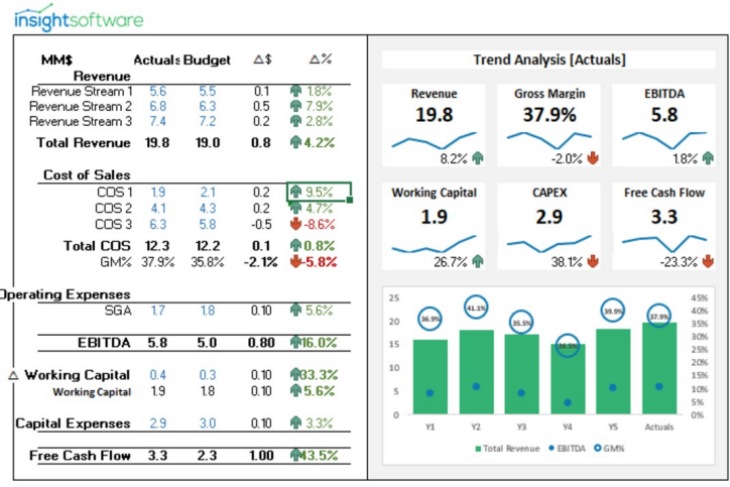
What to Deprioritize or Delay: Avoid significant investments in new equipment, office upgrades, or unproven technology that doesn’t have a clear, immediate ROI. These large, unproven capital expenditures can quickly drain reserves without guaranteed returns, especially when economic stability is uncertain. Similarly, long-term projects with distant or speculative returns should be paused. Focus your limited resources on initiatives that directly impact cash flow or immediate customer value.
Deepen Customer Relationships and Retention
Acquiring new customers is almost always more expensive than retaining existing ones. In uncertain economic times, customer loyalty becomes your most valuable asset and a critical component of resilience.
- Proactive Communication: Reach out to your existing customer base. Understand their current challenges and how your products or services can specifically help them navigate these times. Show empathy and offer solutions.
- Enhance Customer Service: Make it easy for customers to get support and feel heard. A positive, responsive service experience can significantly boost loyalty and prevent churn.
- Implement Loyalty Programs: Reward your most valuable customers. This could be through exclusive access, discounts, or personalized offers that make them feel appreciated and valued.
- Gather Feedback Systematically: Use simple surveys, direct calls, or feedback forms to understand evolving needs and pain points. Act on this feedback to continuously improve your offerings and service.
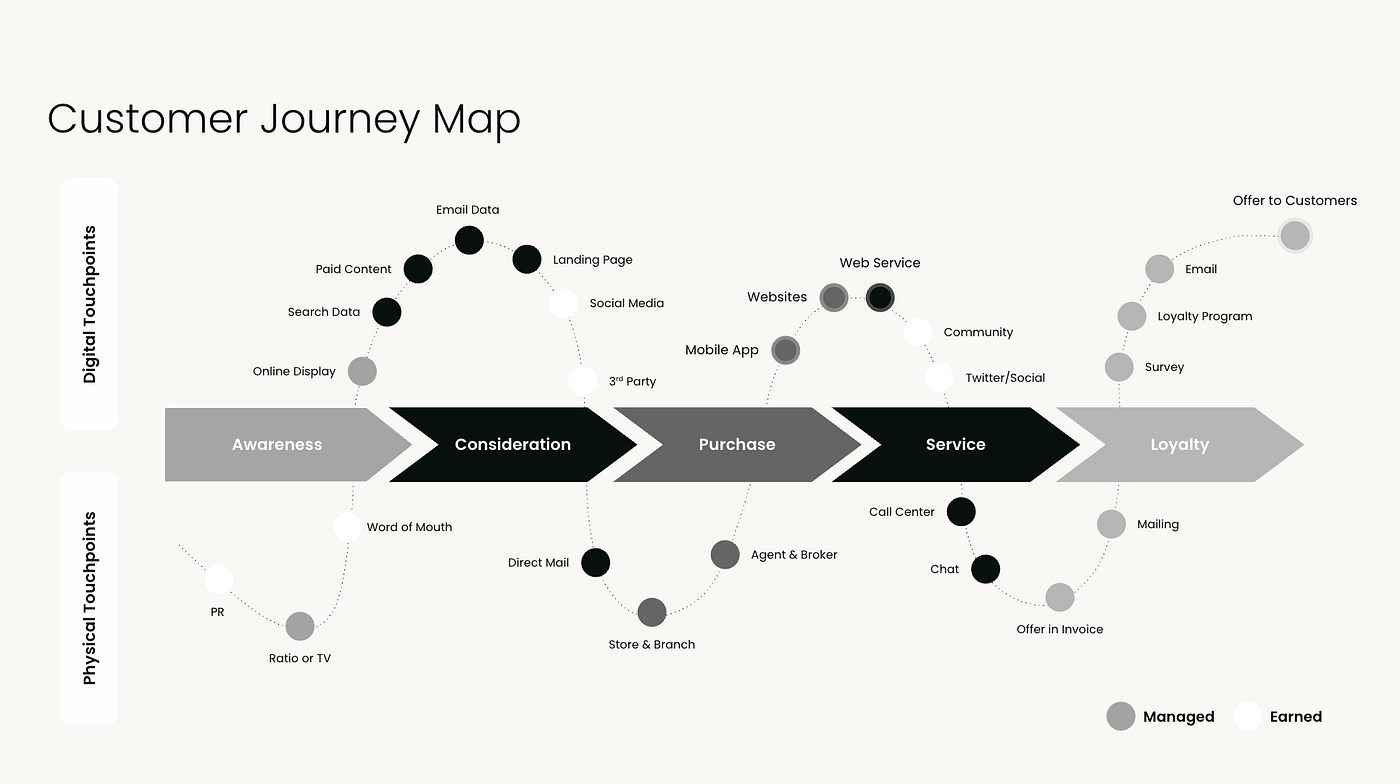
Judgment Call: With limited resources, focus your retention efforts on your most profitable customer segments. While every customer matters, strategic prioritization ensures your efforts yield the greatest return.
While gathering feedback is crucial, the real challenge for lean teams isn’t just collecting it, but consistently acting on it. It’s easy to set up a survey, but without a clear internal process for analysis, prioritization, and implementation, feedback becomes a “graveyard” of good intentions. The downstream effect is a cynical customer base that stops providing input, feeling unheard. This also creates internal frustration, as the team expends effort collecting data that never translates into tangible improvements, eroding trust both externally and internally.
Similarly, loyalty programs, while theoretically powerful, often fall short in practice due to overlooked operational complexities. The initial excitement of launching a program can quickly turn into administrative overhead for small teams, especially if tracking, redemption, and personalized offers aren’t streamlined. A common failure mode is creating a program that feels transactional or even cheapens the brand, attracting discount-seekers rather than fostering genuine loyalty. The hidden cost here isn’t just the program’s expense, but the potential dilution of your brand’s perceived value if not executed with precision and a clear understanding of your customer’s intrinsic motivations beyond just price.
The strategic prioritization of retention efforts on profitable segments is sound advice, but it introduces a human-level tension for customer-facing teams. It’s difficult to consciously deprioritize a struggling customer, even if they don’t fit the “most profitable” criteria, especially when that customer is actively seeking help. This internal conflict, coupled with the constant external pressure to acquire new customers—which often receives more immediate budget and attention—can lead to underinvestment in the less visible, but ultimately more resilient, retention strategies. The theoretical understanding of retention’s value often clashes with the practical realities of budget allocation and immediate performance metrics, creating a persistent operational challenge.
Optimize Operations for Lean Efficiency
Efficiency isn’t just about cutting costs; it’s about doing more with less, reducing waste, and streamlining processes. This directly impacts your bottom line and frees up resources for critical areas.
- Process Mapping and Streamlining: Identify bottlenecks and redundant steps in your core operations. Can a process be simplified, automated, or eliminated entirely?
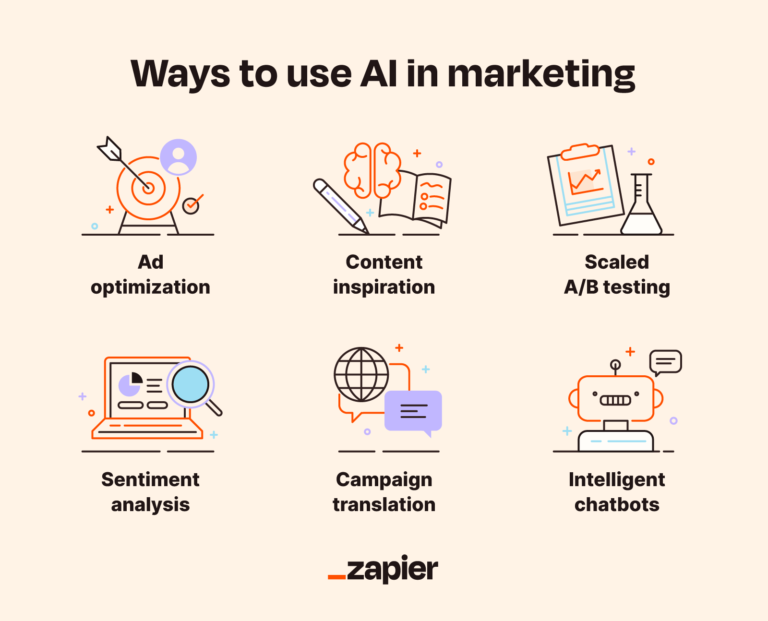
- Leverage AI Tools for Automation: Look for opportunities to automate repetitive tasks in marketing, customer service, or data analysis. Tools for email automation, chatbot support, or content generation can free up valuable team time and reduce manual errors. AI tools for small business marketing
- Vendor Renegotiation: Revisit contracts with all service providers. Can you get better rates, consolidate services, or switch to more cost-effective alternatives without sacrificing quality?
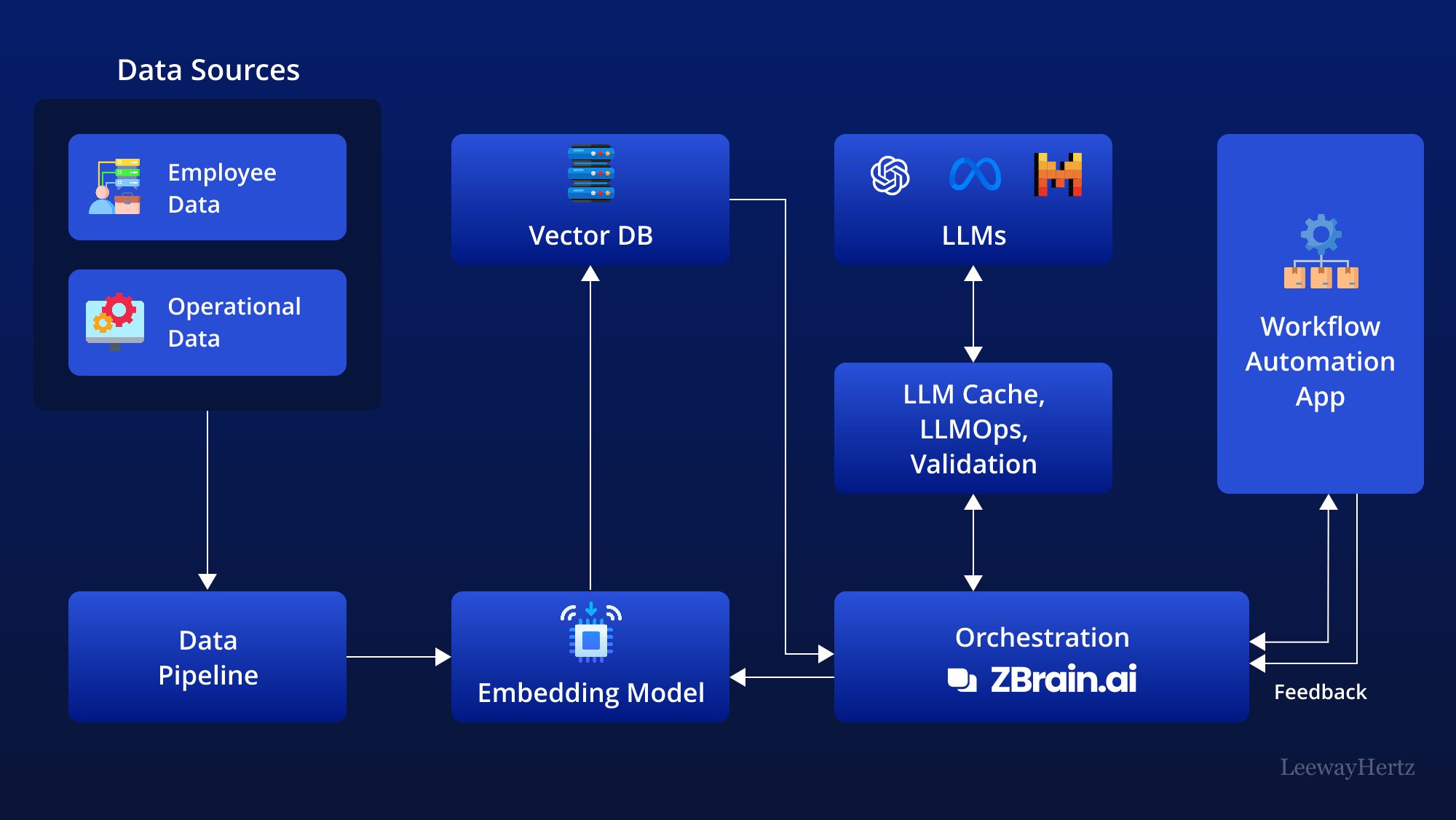
What to Avoid: While tempting, avoid over-investing in complex, custom solutions. Bespoke software or highly customized systems often come with significant upfront costs, long implementation times, and ongoing maintenance burdens that can overwhelm a small team. Favor off-the-shelf, scalable solutions that integrate easily and provide immediate value.
Pushing efficiency too far without considering the human element or the inherent variability of real-world operations can backfire. What looks like a streamlined process on paper might become a brittle system in practice, leading to employee burnout, increased error rates, or a drop in service quality when unexpected situations arise. The initial cost savings are often offset by the hidden costs of rework, customer churn, or talent attrition.
Furthermore, while leveraging AI and automation tools is critical, it’s easy to overlook the ongoing management they require. These aren’t ‘set it and forget it’ solutions. They need regular monitoring, data input validation, and periodic recalibration to remain effective. A poorly maintained automation can silently propagate errors, generate irrelevant outputs, or even alienate customers, creating a new set of problems that are harder to diagnose and fix than the manual process it replaced.
The theoretical benefit of process mapping often clashes with the reality of implementation. Teams frequently map ideal states without fully accounting for the ‘shadow processes’ or workarounds that have evolved organically to handle real-world exceptions. Eliminating these without understanding their underlying necessity can break critical, albeit informal, operational links. The pressure to simplify can lead to oversimplification, pushing complexity onto individual team members who then have to invent new, less efficient workarounds, ultimately undermining the very efficiency gains sought.
Diversify Revenue Streams (Strategically)
Reliance on a single product, service, or customer segment creates significant vulnerability during economic shifts. Strategic diversification builds robustness, but it must be approached with caution and focus.
- Identify Complementary Offerings: What other products or services naturally fit with what you already do, and can be offered to your existing customer base with minimal new investment?
- Explore New Market Segments: Can your existing offerings be repackaged or slightly adapted for a new, underserved niche that you can reach cost-effectively?
- Consider Subscription or Recurring Revenue Models: If applicable, shifting to a subscription model can provide more predictable cash flow, which is invaluable during economic fluctuations.
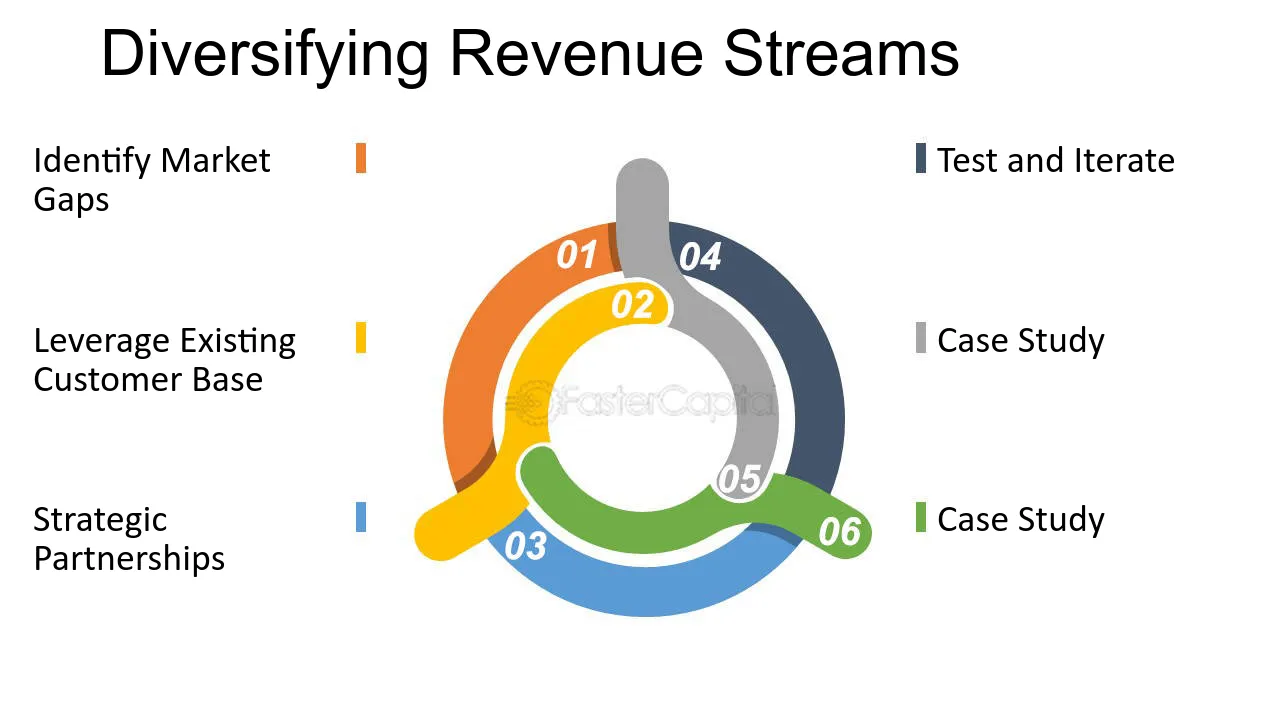
Judgment Call: Diversification should always leverage existing strengths and customer relationships. Avoid chasing every new trend or entering markets that require entirely new infrastructure, expertise, or significant capital. The goal is resilience, not overextension.
Maintain Marketing Agility and Data Focus
Cutting marketing entirely during a downturn is a common mistake that can hinder recovery. Instead, make your marketing smarter, more agile, and more accountable to measurable results.
- Focus on Measurable Channels: Prioritize performance marketing (PPC, paid social with clear ROI targets) and SEO. These channels offer clearer attribution and allow for quick adjustments based on data.
- Content Marketing for Current Pain Points: Create valuable content that directly addresses the immediate challenges your audience is facing. Position your business as a helpful, knowledgeable resource.
- A/B Test Everything: Even small changes to landing pages, ad copy, or email subject lines can yield significant improvements in conversion rates. Continuously optimize.
- Track Key Metrics Relentlessly: Understand your customer acquisition cost (CAC), customer lifetime value (CLTV), and marketing ROI. Make data-driven decisions, not assumptions.
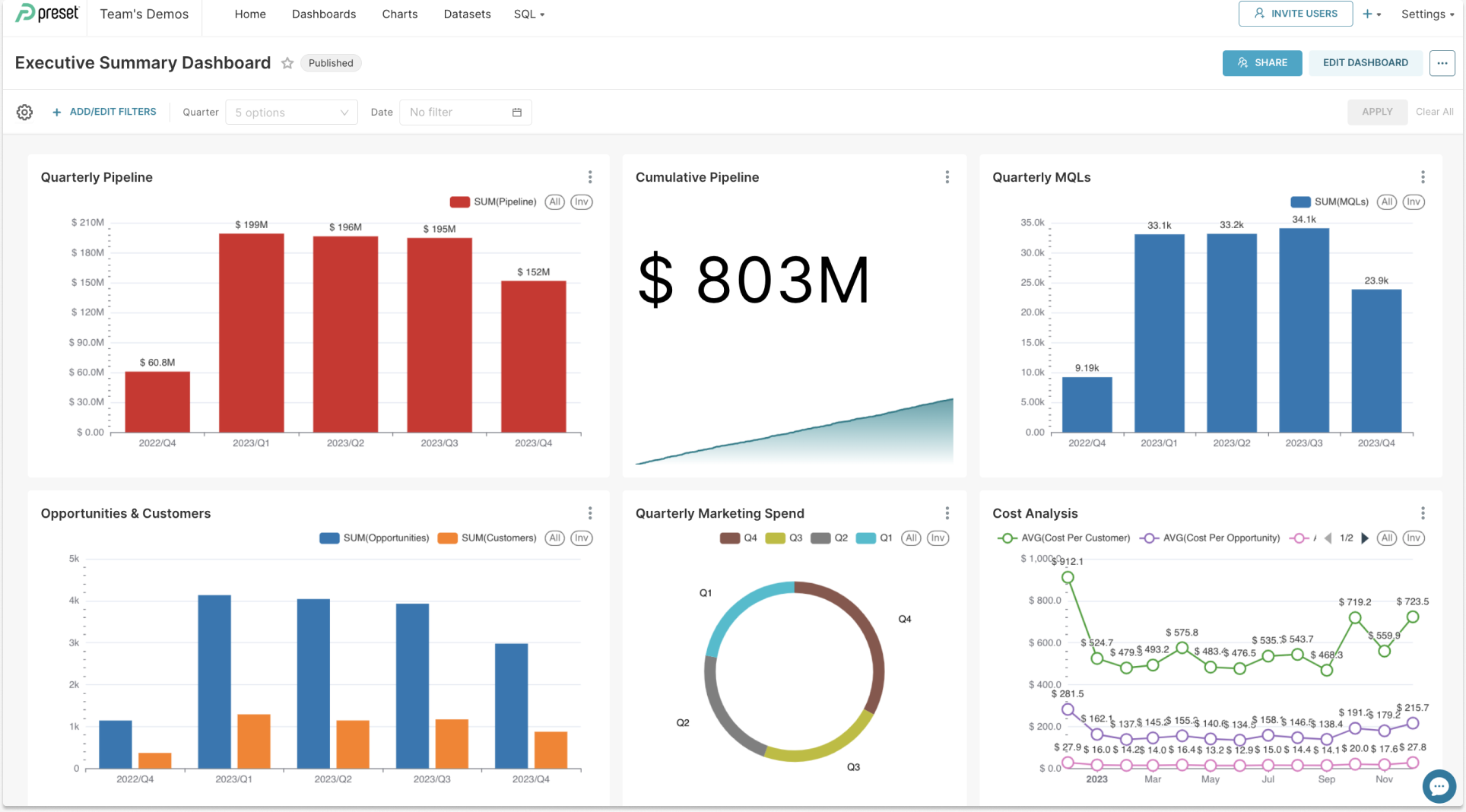
What to Deprioritize: In a tight economy, resources are better spent on direct response marketing that generates leads and sales, rather than broad brand awareness campaigns without clear ROI. Similarly, avoid experimental channels or untested strategies unless you have excess budget and a clear hypothesis. Stick to what works and can be measured.
Building Your Resilience Framework
True business resilience isn’t a one-time project; it’s an ongoing mindset and a set of practices. It requires continuous monitoring of your financial health, market conditions, and customer needs. Regularly review your strategies, conduct scenario planning for different economic outlooks, and be prepared to adapt quickly. The ability to make swift, informed decisions based on real-world data, rather than hope or inertia, is what will ultimately sustain and grow your business through any economic climate.

Leave a Comment