

The Immediate Challenge of Evolving Age Restrictions
As a small to mid-sized business, you’re already juggling limited resources and tight deadlines. Now, with social media platforms facing increasing pressure to implement stricter age verification and content restrictions for younger users, your marketing strategy needs a proactive adjustment. This isn’t a future problem; it’s a current reality that will impact your reach and engagement.
This article cuts through the noise to provide actionable insights. We’ll focus on what you need to prioritize right now, what can wait, and what to avoid, ensuring your brand remains compliant and effective without wasting precious time or budget.
The Shifting Landscape of Age Verification
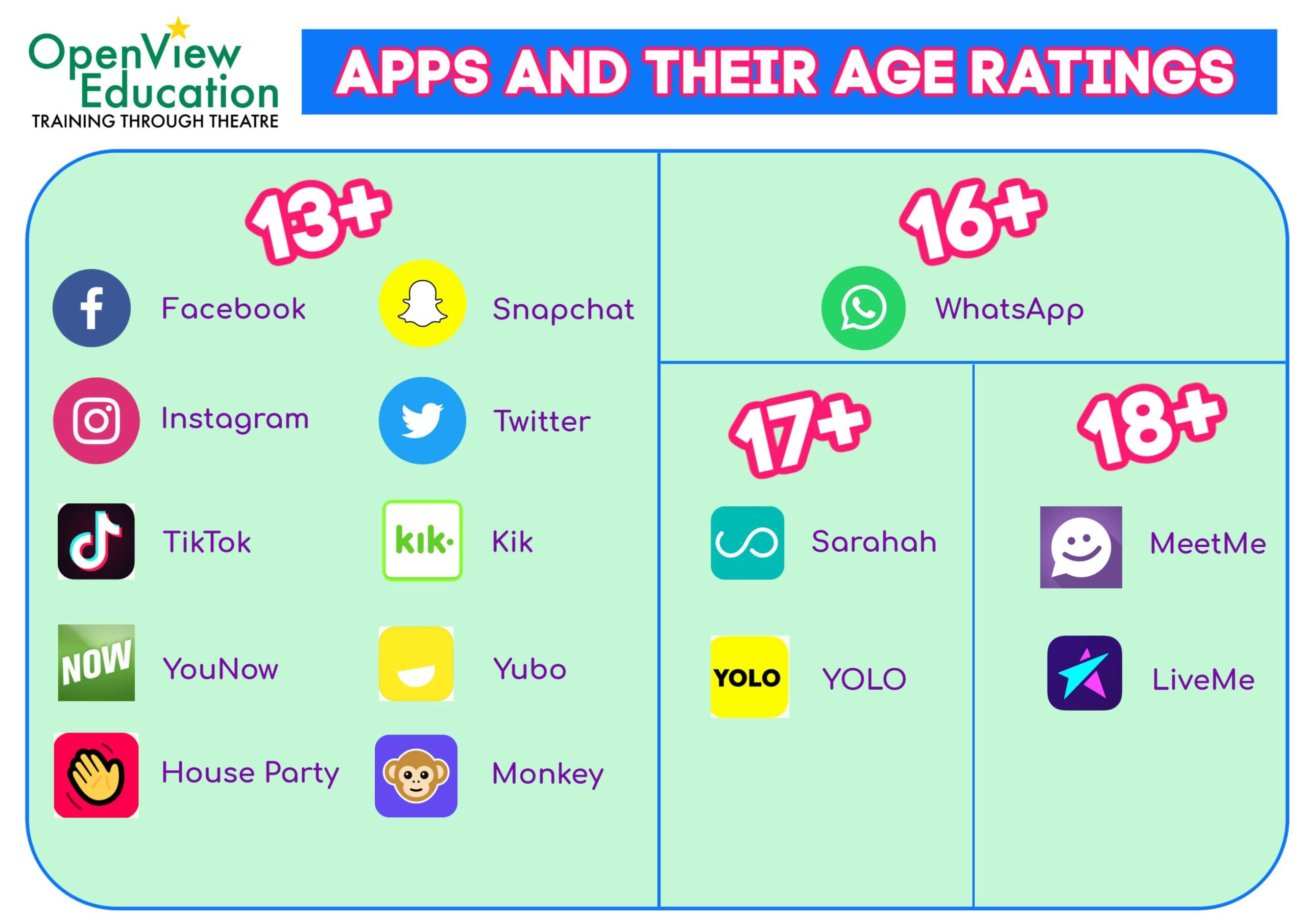
Regulatory bodies globally are pushing for more robust age verification on social platforms. This isn’t just about preventing access to adult content; it’s about limiting data collection and targeted advertising for minors, and protecting younger users from potentially harmful content. Platforms like TikTok, Instagram, and YouTube are already rolling out or testing more stringent age gates and content filtering, with more comprehensive changes expected throughout 2026.
For your brand, this means a potential reduction in reach to users under 18, and a need to be more deliberate about the content you publish and how it’s perceived. The days of broad, untargeted content hoping to catch everyone are fading, especially for platforms with significant younger user bases.

What’s easy to overlook is the operational drag this introduces. It’s not just about adjusting your content; it’s about the internal processes required to manage that adjustment. Teams will find themselves spending more time on content review, classification, and potentially even creating segmented content strategies for different age groups or platforms. This isn’t a one-time fix; it’s an ongoing compliance and content management overhead that diverts resources from direct marketing execution.
A significant downstream effect will be the erosion of reliable audience data. While platforms aim for stricter age gates, users will inevitably find workarounds. This means the age data you think you have for your audience might be less accurate than before, making precise targeting and measurement more challenging. Marketing teams will face increased pressure to hit reach and engagement targets with less reliable audience segmentation, leading to difficult judgment calls on budget allocation and content focus.
Furthermore, consider the potential for audience fragmentation. If younger users are effectively blocked from certain content or platforms, they won’t simply disappear. They’ll migrate to less regulated, harder-to-track spaces, creating a “dark social” challenge for brands. This forces a strategic re-evaluation: do you chase these audiences into less compliant environments, or do you double down on older demographics, accepting a smaller, more compliant addressable market? There are no easy answers, and the pressure to maintain reach can lead to short-sighted decisions.
Prioritizing Your Brand’s Response
With limited resources, smart prioritization is key. Here’s where to focus your immediate efforts:
- Audience Demographics Audit: First, understand your current audience. Use platform analytics to identify the age breakdown of your followers and engaged users on each social channel. Where are your younger segments concentrated? This data will dictate where you need to adapt most urgently.
- Content Inventory & Risk Assessment: Review your recent and evergreen content. Identify posts, campaigns, or themes that might appeal predominantly to, or feature, individuals under 18. This includes language, visuals, and calls to action. Content that could be perceived as targeting minors, especially for regulated products or services, is high risk.
- Platform Policy Monitoring: Dedicate time to regularly check the official policy updates from the platforms most critical to your business. Meta’s approach to age verification might differ significantly from TikTok’s or Snap’s. Understanding these nuances is crucial. social media policy updates
What to delay or deprioritize today: Don’t panic and attempt a complete overhaul of your entire content library. This is a resource drain and likely unnecessary. Instead, focus on the highest-risk content and platforms identified in your audit. Also, avoid investing heavily in speculative new age-verification technologies or niche platforms *solely* for younger audiences if your core business doesn’t heavily rely on them. The landscape is still evolving, and many solutions are unproven or will become standard features on major platforms. Your resources are better spent adapting your core strategy.
While the initial audit identifies where your younger segments are and what content carries risk, the real-world friction emerges in the interpretation and application of these findings. What constitutes content “perceived as targeting minors” is rarely black and white. This ambiguity forces marketing teams into a difficult judgment call, often leading to either an overly conservative stance that alienates their core adult audience or, conversely, an underestimation of risk that leaves them exposed. The hidden cost here isn’t just potential fines, but the time-consuming internal debates, the stifling of creative initiative, and the diversion of focus from strategic growth to defensive compliance.
Moreover, the constant churn of platform policy updates, while essential to monitor, introduces a significant operational drag. For small to mid-sized teams without dedicated legal counsel, interpreting complex, often vague guidelines falls squarely on the marketing practitioner. This isn’t a one-time task; it’s a perpetual cycle of re-evaluation that can quickly shift a team’s posture from proactive content creation to reactive policy adherence. The downstream effect is a subtle but persistent drain on resources, as valuable time and energy are diverted from building engaging campaigns to merely staying compliant. This can inadvertently lead to a more generic content approach, as teams default to the lowest common denominator to avoid perceived risk, ultimately impacting overall brand distinctiveness.
Another common pitfall, particularly when attempting to address diverse age groups, is the temptation to over-segment your content strategy. While the theory of hyper-targeted messaging is appealing, in practice, creating and managing entirely separate content streams for distinct age demographics can quickly become an unsustainable operational burden for lean teams. The effort required to maintain multiple content calendars, tailor creative assets, and manage distribution across various channels often dilutes resources and can lead to inconsistent brand messaging. A more pragmatic approach, especially under real-world constraints, is to prioritize a unified core message that is broadly compliant and appealing, even if it means foregoing some degree of granular segmentation. This trade-off often yields better results by preserving focus and consistency.
Adapting Content Strategy for a Verified Future
The shift towards age-gated content isn’t just a compliance issue; it’s an opportunity to refine your messaging for your most valuable audience segments.
- Focus on Verified Adult Audiences: Re-evaluate your content strategy to explicitly target users 18 or 25 and older. This might mean shifting your tone, topics, and even the visual style of your content. Emphasize value propositions that resonate with adult decision-makers.
- Educational and Informative Content: Position your brand as a trusted resource. Content that educates, informs, or provides practical solutions tends to appeal to a broader, more mature audience and is less likely to fall foul of age-related content restrictions. Think long-form content, tutorials, or expert insights.
- Community Building Over Viral Chasing: Foster deeper engagement with your verified adult followers. Encourage discussions, user-generated content from adult customers, and direct interaction. This builds loyalty and reduces reliance on broad, potentially restricted reach.
- Diversify Your Channels: Reduce your over-reliance on any single social media platform. Strengthen your owned channels – your website, blog, and email list. These are not subject to the same external age restrictions and provide a direct line to your audience.

Marketing channel diversification - Creative Messaging: If your product or service has a broad appeal, find creative ways to convey your message without explicitly targeting or featuring minors. Focus on universal benefits or adult use cases.

Operationalizing Changes with Limited Resources
Implementing these changes efficiently is critical for SMBs.
- Team Training & Guidelines: Educate your content creation and social media teams on the new platform policies and your brand’s updated content strategy. Provide clear, concise guidelines on what’s acceptable and what’s not, especially regarding visuals and language that could be interpreted as targeting minors.
- Content Calendar Adjustments: Integrate these new considerations into your content planning. Schedule content that aligns with your refined audience focus and compliance needs. This might mean fewer posts on certain platforms or a complete shift in content themes.
- Analytics Focus: Beyond basic reach, pay close attention to engagement metrics broken down by age group (where available). Track how changes in your content strategy impact your target adult audience. This data will inform further refinements.
- Repurpose Smartly: Look for opportunities to adapt existing, high-performing content for your adult audience or for use on owned channels. A blog post can become an email newsletter, or a detailed infographic can be broken down for LinkedIn, bypassing some of the stricter social media age gates.
Beyond Social Media: Building Resilient Marketing
The evolving age restriction landscape underscores a fundamental truth for SMBs: true brand resilience comes from a diversified, owned-first marketing strategy. While social media remains a powerful tool, it’s a rented channel. Investing in your website’s SEO, building a robust email list, and creating valuable, evergreen content on your own platform provides a stable foundation that is less susceptible to external policy shifts. Focus on building long-term relationships with your core audience, wherever they may be, rather than chasing fleeting trends on platforms you don’t control. owned media strategy



Leave a Comment