

For small to mid-sized businesses, building a digital business model isn’t just about having a website or selling online; it’s about establishing a framework that can withstand market shifts and drive consistent profitability. This article cuts through the noise to offer pragmatic strategies for securing your revenue streams, optimizing your digital operations, and making informed decisions that truly matter for long-term resilience.
You’ll gain actionable insights on prioritizing investments, identifying core value propositions, and leveraging technology effectively without overstretching your limited resources. Our focus is on what works in the real world, helping your team make strategic trade-offs to build a digital foundation that lasts.
Understanding Your Core Digital Value Proposition
Before diving into tools or tactics, clarify what unique value your business delivers digitally. This isn’t just about products or services; it’s about the problem you solve, the experience you provide, or the efficiency you offer through digital channels. A resilient model starts with a clear, defensible value proposition that resonates with your target customers and can adapt to evolving needs.
- Identify your primary digital offering: Is it an e-commerce store, a SaaS product, digital content, or a service delivered remotely? Understand its core appeal.
- Map the customer journey: How do customers discover, engage with, purchase, and receive support for your digital offering? Pinpoint friction points and opportunities for enhancement.
- Assess competitive differentiation: What makes your digital offering distinct from competitors? Focus on these strengths rather than trying to be everything to everyone.
Prioritizing Revenue Streams and Operational Efficiency
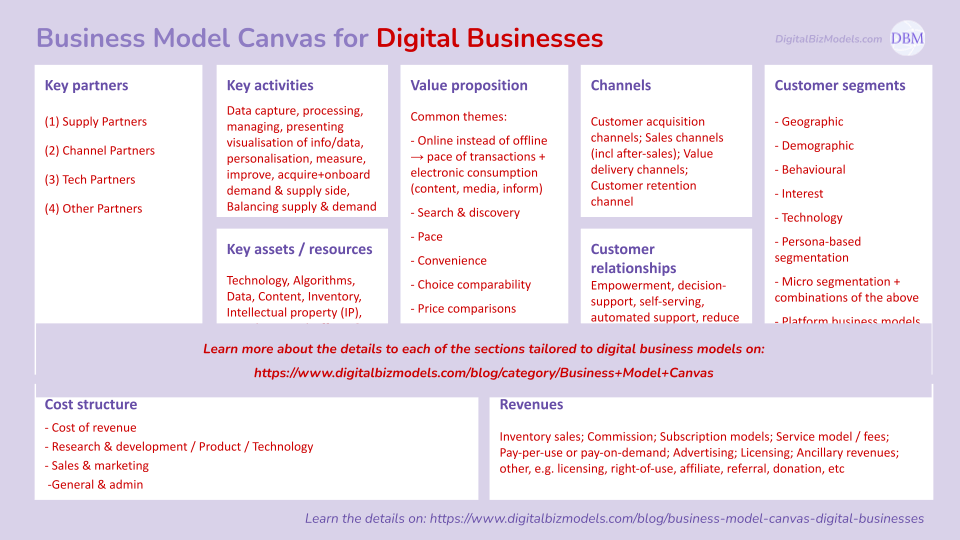
Resilience often comes from a mix of stable core revenue and strategic diversification. For SMBs, this means focusing intently on what generates the most predictable income while cautiously exploring new avenues. Operational efficiency is not a luxury; it’s a necessity that directly impacts your bottom line and ability to reinvest.
Start by analyzing your current revenue sources. Which ones are most profitable? Which have the highest customer lifetime value? Double down on these. For diversification, consider adjacent offerings that leverage your existing customer base or operational strengths, rather than entirely new ventures that demand significant upfront investment and learning curves.
- Strengthen core revenue: Optimize conversion rates, improve customer retention, and enhance the value of your primary digital products or services.
- Strategic diversification: Explore subscription models, premium content, or complementary digital products that align with your existing brand and customer needs. Avoid chasing every trend.
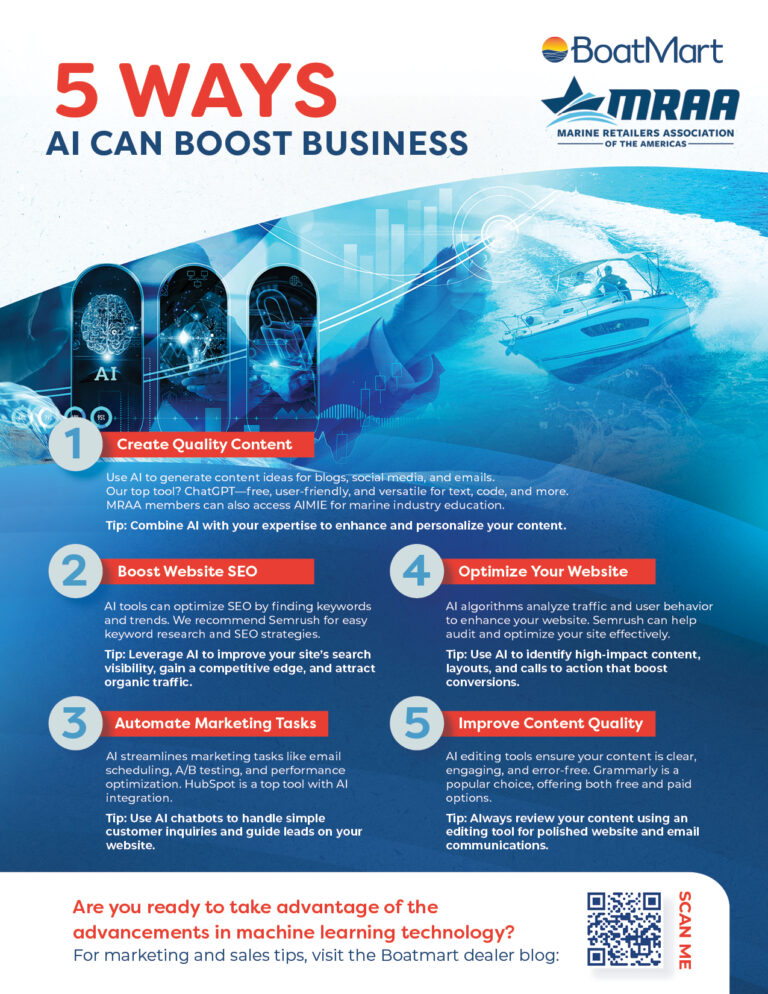
- Automate repetitive tasks: Use readily available tools for marketing automation, customer support, or inventory management to free up headcount for higher-value activities. This is where AI tools can offer significant, practical gains for small teams today.
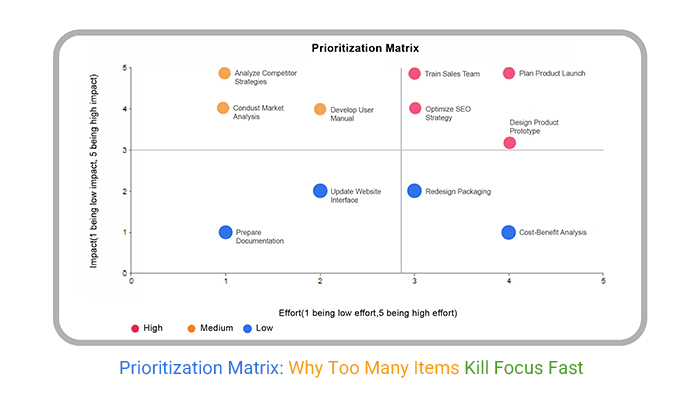
What often gets overlooked in the pursuit of diversification and efficiency is the subtle but significant drain on organizational focus. Each new revenue stream, even an adjacent one, demands attention, resources, and a learning curve. The hidden cost isn’t just the direct investment; it’s the dilution of effort from your most profitable core. Spreading a small team too thin across multiple initiatives often leads to mediocre performance across the board, rather than strong results in a few key areas. This is a common trap where the desire for resilience inadvertently creates fragility by overstretching limited capacity.
Similarly, while automating repetitive tasks is critical, the practical application often hits a snag. Automation is only as good as the process it’s applied to. If your underlying workflow is inefficient or poorly defined, automating it simply makes you more efficient at doing the wrong thing. Furthermore, the real benefit of automation isn’t just saving time; it’s about reallocating human capital to higher-value, strategic work that requires judgment, creativity, and direct customer engagement. Without a clear plan for this reallocation, teams can feel a different kind of pressure – a void that gets filled with new, often less impactful, busywork, leading to frustration rather than true productivity gains.
This brings us to a crucial point for SMBs: the power of strategic deprioritization. In theory, every opportunity looks promising. In practice, the constraint is always execution capacity. It’s easy to get caught in the “shiny object syndrome,” chasing new trends or perceived market gaps that distract from your proven strengths. A critical judgment call is knowing when to explicitly say “no” to an initiative, even if it has potential. The opportunity cost of pursuing a marginal venture is immense, tying up budget, time, and mental energy that could otherwise be invested in solidifying your core, improving existing customer relationships, or truly optimizing a single, high-impact process. Focus isn’t about doing more; it’s about doing fewer things exceptionally well.
Leveraging Data for Agile Decision-Making
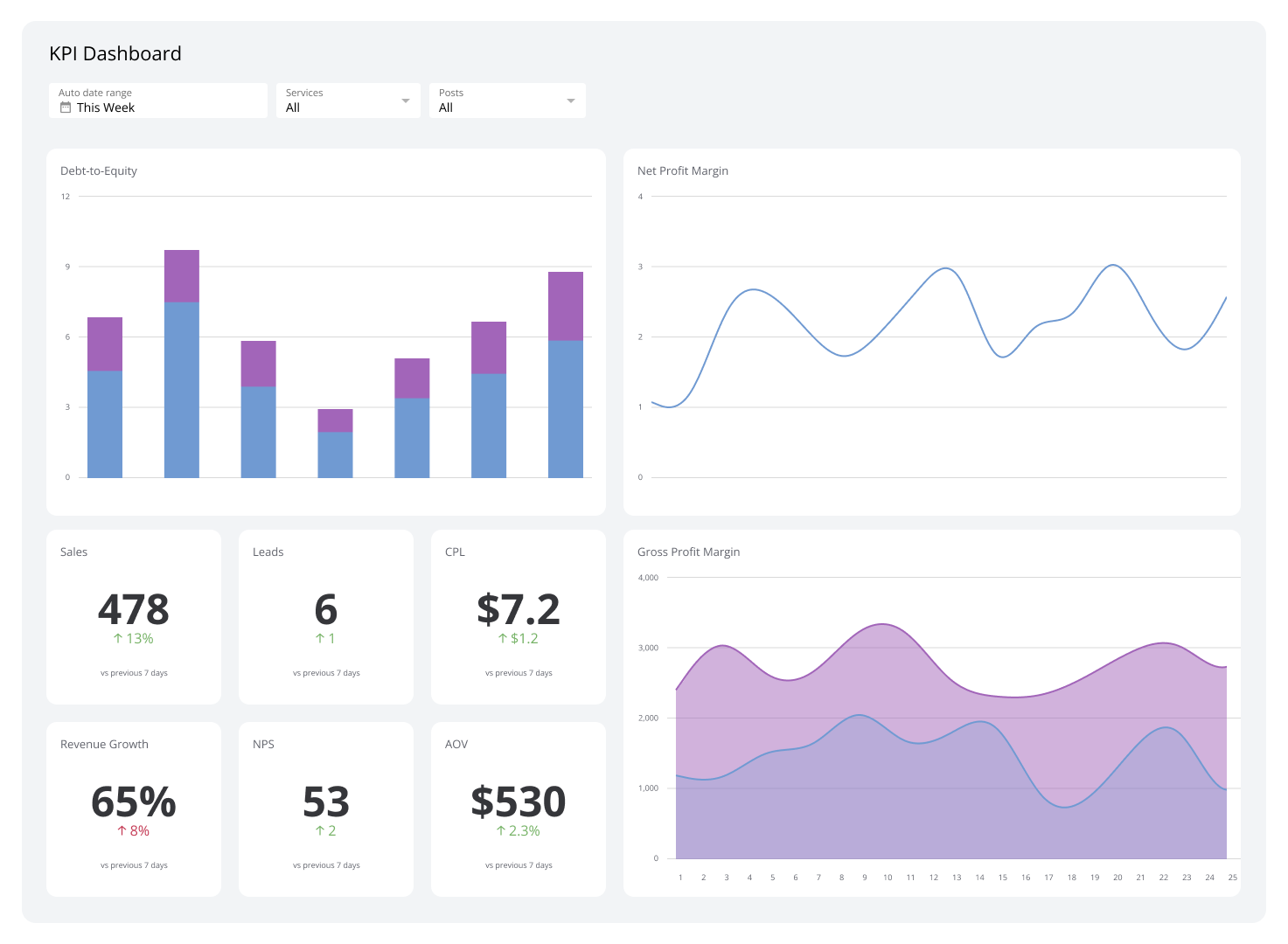
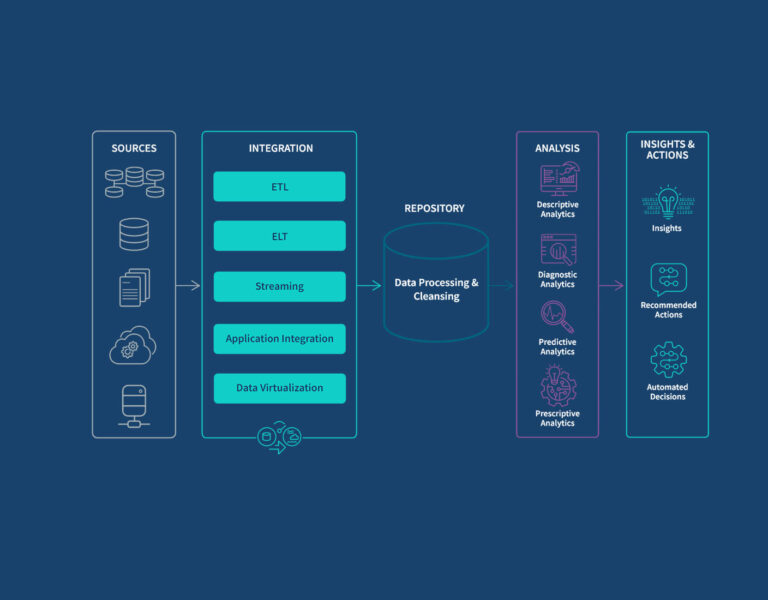
In 2026, data isn’t just for large enterprises. Small teams can and must use data to inform their decisions, but without getting bogged down in complex analytics platforms. Focus on a few key metrics that directly reflect your business health and customer behavior. This enables agility – the ability to quickly adapt based on real-world performance.
For e-commerce, this might be conversion rate, average order value, and customer acquisition cost. For service businesses, it could be lead-to-client conversion, client retention rate, and project profitability. Regularly review these metrics and be prepared to pivot strategies based on what the data tells you, not just gut feelings.
- Identify 3-5 critical KPIs: Focus on metrics that directly impact revenue and profitability.
- Implement simple tracking: Utilize built-in analytics from platforms like Google Analytics 4 Google Analytics 4 setup guide or your e-commerce platform.
- Conduct regular reviews: Schedule weekly or bi-weekly sessions to review performance and discuss necessary adjustments.
Even with simple tracking and regular reviews, the real challenge often isn’t collecting data, but *interpreting* it correctly and consistently. Small teams, already stretched thin, can easily fall into the trap of superficial analysis. A dip in conversion rate might trigger an immediate, knee-jerk reaction to change ad copy, when the root cause could be a technical glitch on the checkout page, a shift in market conditions, or even a competitor’s aggressive new offer. Without the bandwidth for deeper investigation, data can become a source of misdirection rather than clarity, leading to wasted effort on symptoms rather than causes.
The imperative to “pivot strategies based on what the data tells you” also carries a hidden cost: decision fatigue and operational whiplash. Constantly reacting to every fluctuation in 3-5 KPIs can lead to a fragmented strategy, where initiatives are started and stopped prematurely. This not only drains team morale but also prevents any single strategy from gaining enough traction to demonstrate its true potential. True agility isn’t about constant change, but informed, deliberate adaptation. Sometimes, the most agile move is to hold steady and gather more context before making a significant shift.
For most small to mid-sized businesses, the immediate priority should be consistent data collection and basic trend identification, not sophisticated predictive modeling or multi-channel attribution. Resist the urge to invest in complex data visualization tools or hire dedicated data analysts until your core operational processes are stable and your team consistently acts on the simple insights you already have. Over-investing in data infrastructure before you’ve mastered the basics of data-driven decision-making often leads to expensive shelfware and a false sense of analytical maturity. Focus on making *better* decisions with *less* data, rather than chasing *more* data with *no* clear decision framework.
What to Deprioritize or Skip Today
Many small to mid-sized businesses fall into the trap of over-engineering or chasing every shiny new object. Today, in 2026, you should deprioritize or outright skip complex, custom-built solutions for common business functions like CRM, ERP, or advanced AI model training, unless you have a highly unique, specific need that off-the-shelf options cannot meet. The cost in terms of time, money, and ongoing maintenance for custom development is almost always prohibitive for SMBs. Instead, leverage robust, scalable SaaS platforms that offer extensive integrations and are designed for ease of use. Trying to build your own marketing automation platform, for instance, is a distraction from your core value proposition and will drain resources better spent on customer acquisition or product development. Focus on getting the most out of existing, proven tools before considering bespoke solutions.
Building Adaptability into Your Digital Infrastructure
A resilient digital business model isn’t static; it’s designed for change. This means choosing flexible technologies and fostering a culture of continuous improvement. Your digital infrastructure should allow for easy integration of new tools and services, and your team should be comfortable experimenting and learning from both successes and failures.
Opt for modular systems and APIs where possible. For example, if you’re on an e-commerce platform, ensure it has a robust app ecosystem. If you’re using a CRM, check its integration capabilities with your marketing and support tools. This approach minimizes vendor lock-in and allows you to swap components as your needs evolve or better solutions emerge.
- Choose flexible platforms: Prioritize SaaS solutions with strong API support and integration capabilities.
- Foster a learning culture: Encourage your team to stay updated on digital trends and experiment with new approaches.
- Regularly audit your tech stack: Periodically review your tools to ensure they still meet your needs and offer the best value.

1 Comment