

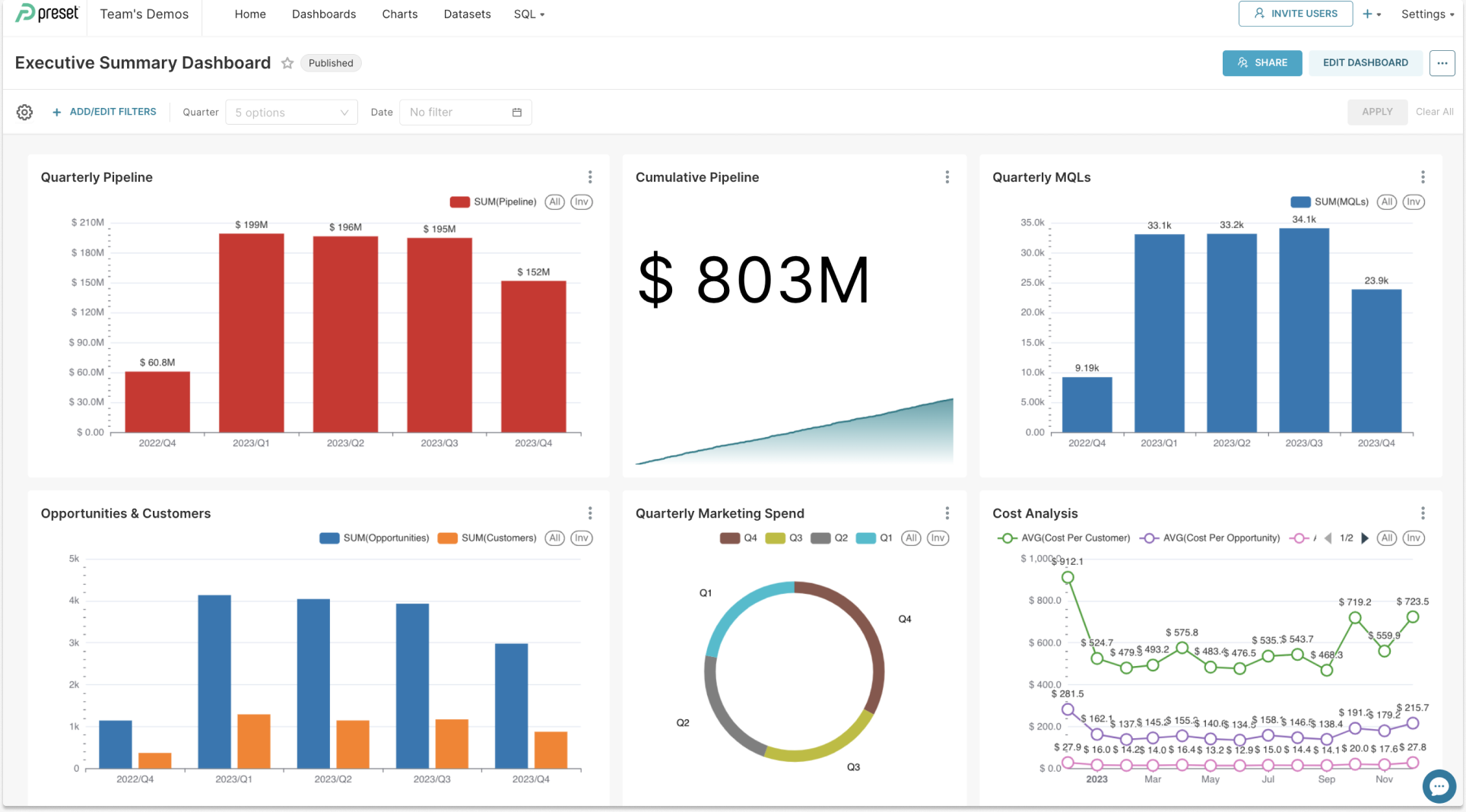
For small to mid-sized businesses, making every marketing dollar count is non-negotiable. This guide cuts through the noise to show you how to use data analytics effectively, without needing an enterprise-level budget or a dedicated data science team. You’ll gain practical insights into prioritizing your efforts, understanding what truly drives growth, and making informed decisions that lead to sustainable results.
We’ll focus on actionable strategies that work under real-world constraints, helping you identify what to implement first, what to delay, and what to avoid entirely to maximize your limited resources.
Why Data-Driven Marketing Isn’t Just for Enterprises
The misconception that data-driven marketing is exclusive to large corporations with massive budgets is a barrier for many SMBs. In reality, a pragmatic approach to data is even more critical for smaller teams. It’s about efficiency, not complexity. By understanding which marketing activities yield results and which don’t, you can stop guessing, reduce wasted spend, and focus your limited headcount on what truly moves the needle. This isn’t about collecting every piece of data; it’s about collecting the right data to make better decisions.
Starting Simple: Your Core Data Sources
Don’t get bogged down by the sheer volume of data available. For most SMBs, your foundational data ecosystem is straightforward:
- Website Analytics (Google Analytics 4): This is your primary window into user behavior on your site. Focus on setting up event tracking for key conversions (form submissions, purchases, content downloads) and understanding traffic sources. If you haven’t migrated from Universal Analytics, prioritize your GA4 setup today. Google Analytics 4 setup guide
- CRM System: Your customer relationship management (CRM) platform holds invaluable data on leads, customers, sales cycles, and customer value. Integrating this with your marketing data allows you to connect marketing efforts directly to revenue.
- Ad Platform Data: Whether it’s Google Ads, Meta Ads, or LinkedIn Ads, these platforms provide crucial performance metrics for your paid campaigns. Ensure conversion tracking is correctly configured within each platform.
For now, deprioritize investing in expensive, custom data warehouses or complex business intelligence (BI) tools. Your existing platforms offer more than enough actionable data to start. Focus on mastering these core sources before expanding.
While the list of core sources seems straightforward, the real challenge often lies in the quality of the data flowing into them. It’s easy to assume that ‘setting up GA4’ means you’re collecting everything you need, but overlooked details in event tracking, inconsistent UTM parameters, or even basic data entry errors in your CRM can render your insights unreliable. The hidden cost here isn’t just wasted effort in analysis; it’s the opportunity cost of making decisions based on flawed information, leading to misallocated budget and missed growth opportunities down the line. This isn’t about perfection, but about establishing a baseline of data integrity that supports confident decision-making.
Another common pitfall is the expectation that simply having the data will automatically provide answers. In practice, even with clean data from these core sources, teams often grapple with interpretation. The pressure to demonstrate ROI quickly can lead to cherry-picking metrics or drawing premature conclusions. It takes time, consistent effort, and a willingness to iterate on hypotheses to extract meaningful, actionable insights. This gap between data availability and actionable intelligence is a significant source of frustration for lean teams, often leading to data paralysis or, conversely, impulsive decisions driven by anecdotal evidence rather than robust analysis.
Even with these core systems in place, a subtle but significant second-order problem can emerge: internal data silos. Marketing might live in GA4 and ad platforms, while sales operates primarily within the CRM. Without a conscious effort to bridge these perspectives – even if it’s just through regular cross-functional discussions and shared reporting dashboards – each team can develop a fragmented view of the customer journey. This leads to conflicting narratives about what’s working, finger-pointing, and a lack of unified strategy, ultimately hindering the very alignment these core systems are meant to facilitate. The solution isn’t more complex tools, but better internal communication and a shared understanding of how each data source contributes to the larger business picture.
Key Metrics That Actually Matter for SMBs
Forget vanity metrics like raw page views or social media likes. Focus on metrics that directly impact your business goals and inform your next steps:
- Conversion Rate: The percentage of visitors who complete a desired action. This tells you how effective your website and offers are.
- Customer Acquisition Cost (CAC): How much it costs to acquire a new customer. Essential for understanding profitability and scaling.
- Customer Lifetime Value (CLTV): The total revenue a customer is expected to generate over their relationship with your business. Helps justify higher acquisition costs for valuable customers.
- Return on Ad Spend (ROAS): The revenue generated for every dollar spent on advertising. Directly measures the effectiveness of your paid campaigns.
- Qualified Website Traffic: Not just any traffic, but visitors who fit your ideal customer profile and are likely to convert.
Understanding these metrics in relation to each other provides a holistic view of your marketing performance.
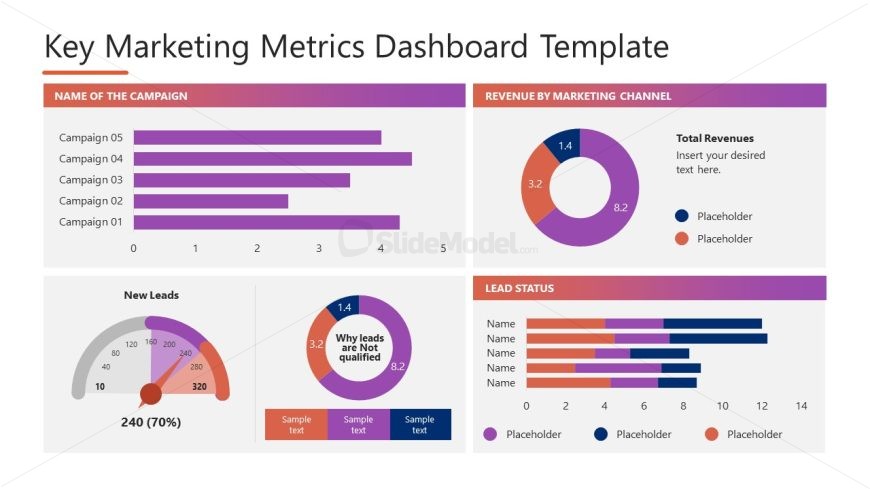
What often gets overlooked in the pursuit of these numbers is the interplay between them, and the hidden costs of optimizing one in isolation. For instance, aggressively boosting your Conversion Rate might seem like a win, but if it’s achieved by attracting customers who are a poor fit or only respond to deep discounts, your Customer Lifetime Value (CLTV) will suffer. You’ve converted, but you haven’t acquired a valuable relationship, turning an apparent gain into a long-term drain on resources.
Another common pitfall for SMBs is the practical calculation of Customer Acquisition Cost (CAC). Many teams only factor in direct ad spend, neglecting the internal labor hours spent on campaign management, creative development, or even the software subscriptions used to run those campaigns. This underestimation leads to an artificially low CAC, creating a false sense of profitability and making it harder to justify necessary investments or accurately forecast growth. The true cost of acquisition is often much higher than the spreadsheet suggests, leading to delayed financial consequences.
For teams with limited resources, it’s easy to get bogged down trying to perfectly calculate CLTV from day one, especially for newer businesses or those with longer sales cycles. While crucial, attempting to derive a precise CLTV with insufficient historical data or an immature CRM system can be a significant time sink with questionable accuracy. Instead, prioritize improving your data capture mechanisms and segmenting your existing customer base to understand their behaviors and value tiers. This foundational work will make accurate CLTV calculation feasible later, rather than chasing a premature, unreliable number today.
From Data to Decisions: Practical Analysis Techniques
You don’t need to be a data scientist to extract valuable insights. Simple techniques can yield significant results:
- Segmentation: Group your audience by demographics, behavior, or source. How do visitors from organic search behave differently than those from paid ads? This informs targeted messaging.
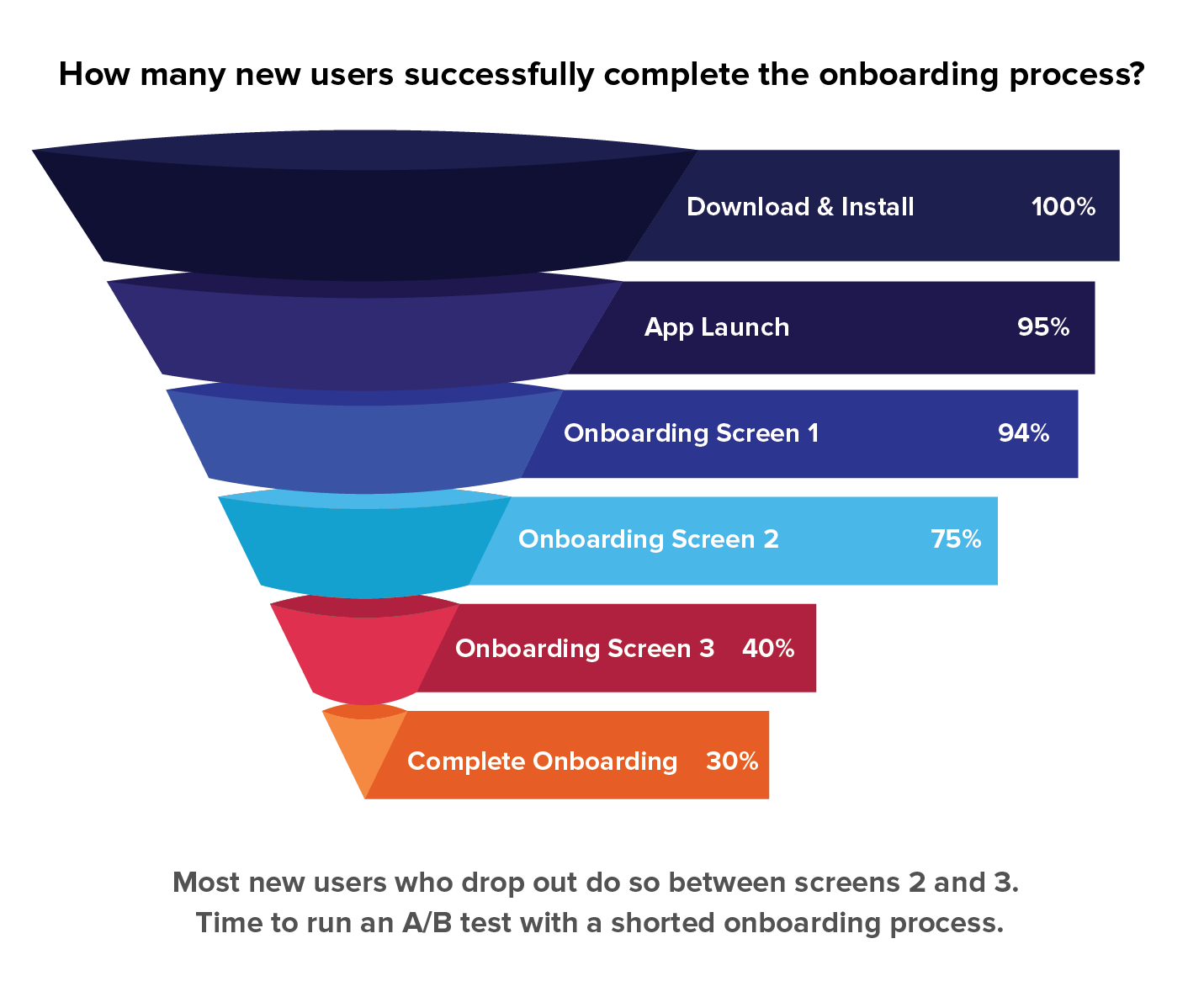
- Funnel Analysis: Map out the steps users take from initial awareness to conversion. Where are they dropping off? This highlights bottlenecks in your customer journey.
- A/B Testing Basics: Test one variable at a time (e.g., headline, call-to-action button color, email subject line). Use tools built into your website platform or email service. Focus on tests with clear hypotheses and measurable outcomes.
- Connecting Ad Spend to Revenue: Use your CRM and ad platform data to directly link specific campaigns to closed deals. This is fundamental for proving ROI and optimizing budget allocation.
These methods allow you to pinpoint areas for improvement and make evidence-based adjustments to your marketing strategy.
Prioritizing Your Data Efforts: What to Do First, What to Delay
With limited resources, strategic prioritization is key:
- Do First:
- Ensure accurate conversion tracking in GA4 and your ad platforms. This is foundational.
- Integrate your CRM with your website and marketing tools to track leads through the sales funnel. CRM marketing integration
- Establish baseline metrics for your key performance indicators (KPIs). You can’t improve what you don’t measure.
- Set up simple, weekly or monthly reports focusing only on your core metrics.
- Delay or Avoid Today:
- Complex Attribution Models: While multi-touch attribution is ideal, for SMBs, a simple last-click or first-click model is sufficient to start. Over-engineering attribution can consume disproportionate resources without providing significantly more actionable insights for your current scale.
- Predictive AI Modeling: Without robust, clean historical data and a dedicated analyst, attempting advanced predictive models is premature. Focus on understanding current performance before trying to forecast the distant future.
- Building Custom Dashboards from Scratch: Leverage the reporting capabilities of your existing tools (GA4, CRM, ad platforms). Custom dashboards often require significant development and maintenance, diverting resources from execution.
The goal is to gain actionable insights quickly and efficiently, not to build a perfect data infrastructure from day one. Focus on the low-hanging fruit that directly impacts your ability to make better decisions.
Building a Data Culture (Even with a Small Team)
A data-driven culture isn’t about hiring data scientists; it’s about embedding data into your team’s daily decision-making process:
- Regular Reviews: Schedule weekly or bi-weekly meetings to review key metrics. Discuss what worked, what didn’t, and why.
- Empowerment: Encourage team members to explore data relevant to their roles. Provide basic training on how to access and interpret reports.
- Focus on Learning: Frame data analysis as a learning opportunity. Not every experiment will succeed, but every outcome provides valuable information.
- Simple Reporting: Keep reports concise and focused on actionable insights. Avoid overwhelming the team with raw data dumps.
Leveraging AI for Smarter Insights (Pragmatically)
In March 2026, AI tools are becoming increasingly integrated into standard marketing platforms, offering practical benefits without requiring deep technical expertise:
- Ad Optimization: Many ad platforms now use AI to optimize bidding, targeting, and ad delivery, improving ROAS. Trust these built-in capabilities.
- Content Ideation & Generation: AI tools can assist with brainstorming blog topics, drafting social media posts, or even generating initial email copy, freeing up creative time.
- Basic Data Anomaly Detection: Some analytics platforms use AI to flag unusual spikes or drops in data, helping you quickly identify potential issues or opportunities.
Remember, AI is a powerful assistant, not a replacement for human judgment. It still requires good input data and strategic oversight. Focus on AI features that are already integrated into tools you use or offer clear, immediate value.
Sustaining Growth Through Iteration and Measurement
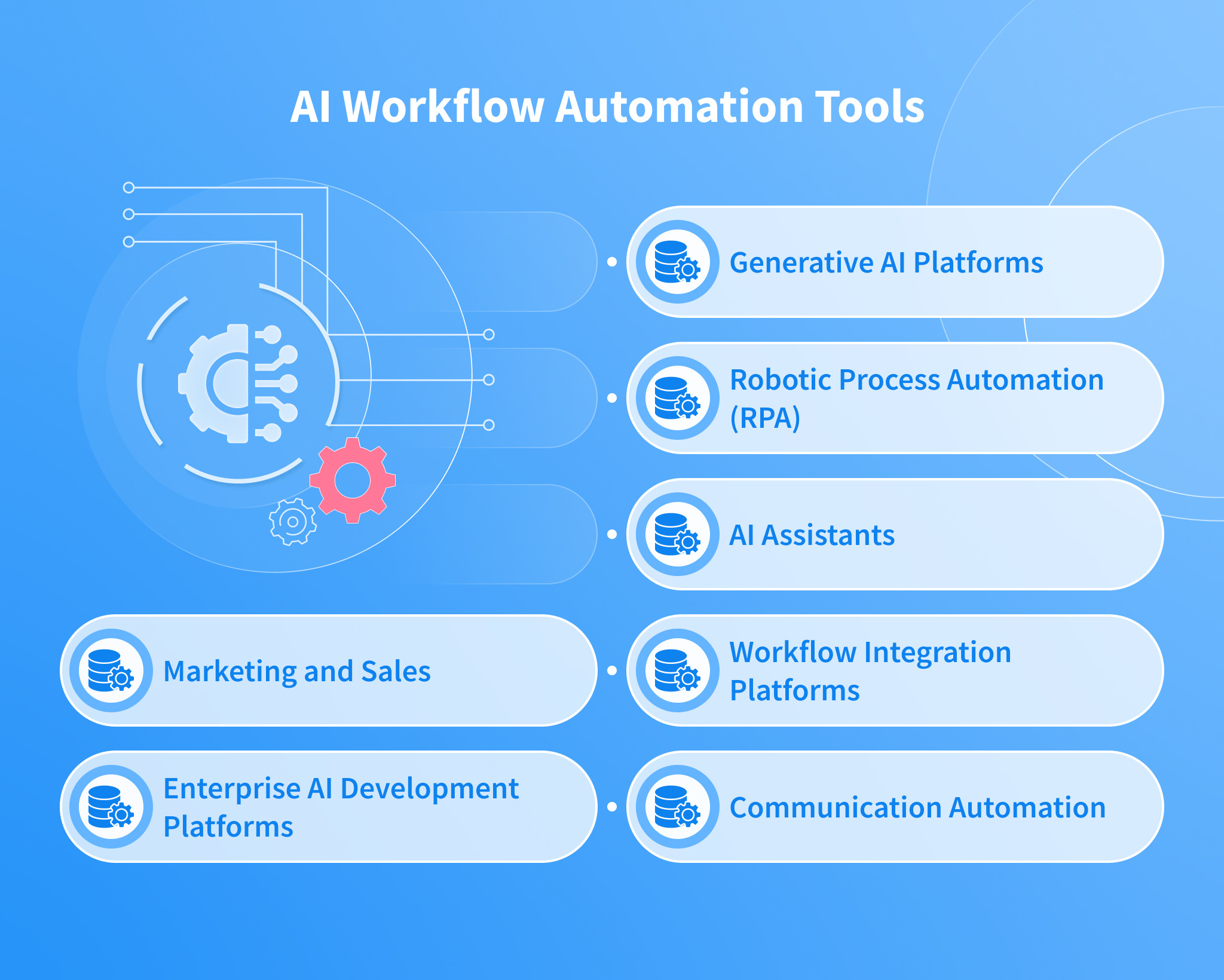
Data-driven marketing is an ongoing cycle. It’s not a one-time project but a continuous process of:
- Analyzing your performance data.
- Deciding on the next best action based on those insights.
- Acting by implementing changes to your campaigns or website.
- Measuring the impact of those changes.
This iterative approach ensures your marketing efforts are always optimizing towards sustainable growth, adapting to market changes, and making the most of your valuable resources.



1 Comment