


Understanding E-E-A-T Beyond the Acronym
For small to mid-sized businesses, navigating the complexities of modern SEO often means making tough choices with limited resources. This article cuts through the noise around E-E-A-T (Experience, Expertise, Authoritativeness, Trustworthiness) to provide a pragmatic roadmap. You’ll learn where to focus your efforts to genuinely demonstrate your value to both users and search engines, ensuring your content stands out for its credibility and practical utility.
We’ll prioritize actionable steps that deliver real impact, helping you make informed decisions about where to invest your team’s time and budget for the best return.
E-E-A-T isn’t a direct ranking factor you can optimize with a checklist. Instead, it’s a framework Google uses to assess the overall quality, credibility, and trustworthiness of content and its creators. Think of it as a lens through which search engines evaluate whether your content truly helps users, especially for “Your Money Your Life” (YMYL) topics where accuracy and reliability are paramount. For SMBs, this means shifting focus from keyword stuffing to genuinely demonstrating your team’s real-world experience and knowledge. It’s about earning trust, not just chasing algorithms.
Prioritizing E-E-A-T for SMBs: Where to Start
With limited resources, you can’t tackle everything at once. For SMBs, the most impactful starting point is often Trustworthiness. Without trust, expertise and authority ring hollow.
Start by ensuring your website is secure (HTTPS), your contact information is clear and accessible, and your privacy policy is transparent. These are foundational. Next, focus on Experience and Expertise within your core business area. This is where your unique value lies.
- Secure Your Foundation: Implement HTTPS across your entire site. This is non-negotiable for trust.
- Transparency: Clearly display contact information, company address (if applicable), and an “About Us” page that introduces your team and their qualifications.
- Core Expertise: Identify your team’s unique strengths and the specific problems your business solves. Focus your initial content efforts here. Don’t try to be an expert in everything.
While prioritizing Trustworthiness and Expertise, it’s easy to overlook the practical challenge of defining “core expertise” narrowly enough. In theory, it sounds simple: focus on what you do best. In practice, teams often feel pressure to broaden their scope, fearing they’ll miss potential customers or appear too niche. This leads to content efforts that are wide but shallow, diluting the very expertise they aim to showcase and making it harder to stand out. The real work is in the discipline of saying “no” to tangential topics, even when they seem appealing.
Another common pitfall is the delayed consequence of deprioritizing “Authority.” While Trustworthiness and Expertise are foundational, Authority—the recognition from others in your industry—is what amplifies your reach and impact. It’s tempting to defer authority-building activities like seeking industry mentions, partnerships, or speaking engagements, assuming they’ll naturally follow strong expertise. However, these efforts require proactive, consistent work. The hidden cost is that when you eventually realize Authority is a bottleneck, you’re starting from a standstill, while competitors who invested earlier have built a significant, compounding advantage.
This creates a second-order effect: even with undeniable trustworthiness and deep expertise, a lack of external validation can cap your growth. Your audience might trust your content and appreciate your insights, but without external signals of authority, they may still hesitate to fully commit or recommend you. This isn’t a failure of your internal capabilities, but a practical limitation of how search engines and human psychology weigh external endorsements. Overcoming this ceiling later requires a more intensive, deliberate effort than if it had been integrated into your strategy from the outset.
Building Experience and Expertise into Your Content
This is where your team’s practical knowledge shines. Instead of generic advice, share specific insights gained from your work.
To demonstrate Experience:
- Case Studies and Testimonials: Feature real client success stories, detailing the problem, your solution, and the measurable results. This is powerful social proof.
- First-Hand Accounts: Write content based on your team’s direct experience. For example, if you’re a local plumber, share common issues you encounter and how you fix them, rather than just theoretical plumbing advice.
- Process Walkthroughs: Show, don’t just tell. Detail the steps involved in a service or product usage, drawing from your operational knowledge.
To showcase Expertise:
- Author Bios: Ensure every piece of content is attributed to a real person with relevant credentials or experience. Include their role, background, and why they are qualified to write on the topic.
- Data-Driven Insights: Use proprietary data, survey results, or unique observations from your business operations to support your claims.
- Problem/Solution Focus: Address specific pain points your audience faces with practical, actionable solutions that only someone with deep knowledge could provide.
While the methods for demonstrating experience are clear, the practical execution often hits a wall. Building out a robust library of case studies or detailed first-hand accounts isn’t a one-off project; it’s an ongoing commitment that demands significant internal bandwidth. Small teams often underestimate the time required to interview clients, gather specific data points, secure approvals, and then translate that into compelling narratives. This isn’t just about writing; it’s about internal coordination, project management, and often, chasing down busy operational staff or clients for details, which can quickly become a bottleneck.
Similarly, showcasing expertise through attributed authors and data-driven insights introduces its own set of practical hurdles. Getting busy subject matter experts (SMEs) to consistently contribute, review, or even lend their name to content requires more than just a request; it demands a clear process, dedicated time slots, and often, a strong internal champion. Without this, content can languish in review cycles or be published without the critical depth and nuance that only an SME can provide. The push for “proprietary data” can also lead to analysis paralysis or a diversion of resources if the necessary tracking or analytical capabilities aren’t already mature within the business.
The real risk here is not just delayed content, but content that becomes superficial. When teams struggle to extract genuine experience or deep expertise, the temptation is to revert to generic advice or thinly veiled promotional material. This undermines the very goal of building trust and authority. Prioritizing a few truly insightful pieces that reflect genuine experience and expertise, even if it means fewer pieces overall, is often a better trade-off than churning out volume that lacks substance. It’s easy to overlook how much internal friction and diluted quality can result from trying to force these elements without the necessary internal systems or dedicated time.
Establishing Authoritativeness and Trust
Once you’ve built a foundation of experience and expertise, you need to amplify it and reinforce trust.
For Authoritativeness:
- Quality Backlinks: Focus on earning links from other reputable sites in your industry. This isn’t about quantity, but relevance and quality. Create content that others naturally want to cite.
- Industry Mentions: Actively seek opportunities for your business or team members to be mentioned or interviewed by industry publications, podcasts, or local news.
- Original Research: If feasible, conduct small-scale surveys or analyses relevant to your niche and publish the findings. This positions you as a primary source.
For sustained Trustworthiness:
- Accuracy and Updates: Regularly review and update your content to ensure it remains accurate and relevant. Outdated information erodes trust.
- User Reviews and Ratings: Encourage customers to leave reviews on platforms like Google Business Profile, Yelp, or industry-specific review sites. Respond professionally to all feedback.
- Editorial Guidelines: Even for a small team, having basic guidelines for fact-checking, sourcing, and tone helps maintain consistency and credibility.
What to Deprioritize and Why
For small to mid-sized teams, it’s easy to get sidetracked by perceived SEO “best practices” that don’t yield immediate or significant returns given your constraints. Deprioritize chasing every trending keyword or attempting to cover every tangential topic in your niche. While comprehensive content strategies have their place, for SMBs with limited headcount, spreading your efforts too thin dilutes your ability to build deep authority in your core areas. Instead of trying to rank for hundreds of low-volume keywords that aren’t directly tied to your primary services, focus intensely on a smaller set of high-intent keywords where your team genuinely possesses superior experience and expertise. This targeted approach conserves resources and builds stronger E-E-A-T where it matters most for your business. Avoid investing heavily in complex technical SEO audits if your foundational E-E-A-T elements are still weak; a solid technical base is important, but it won’t compensate for a lack of credible content.
Measuring E-E-A-T Impact
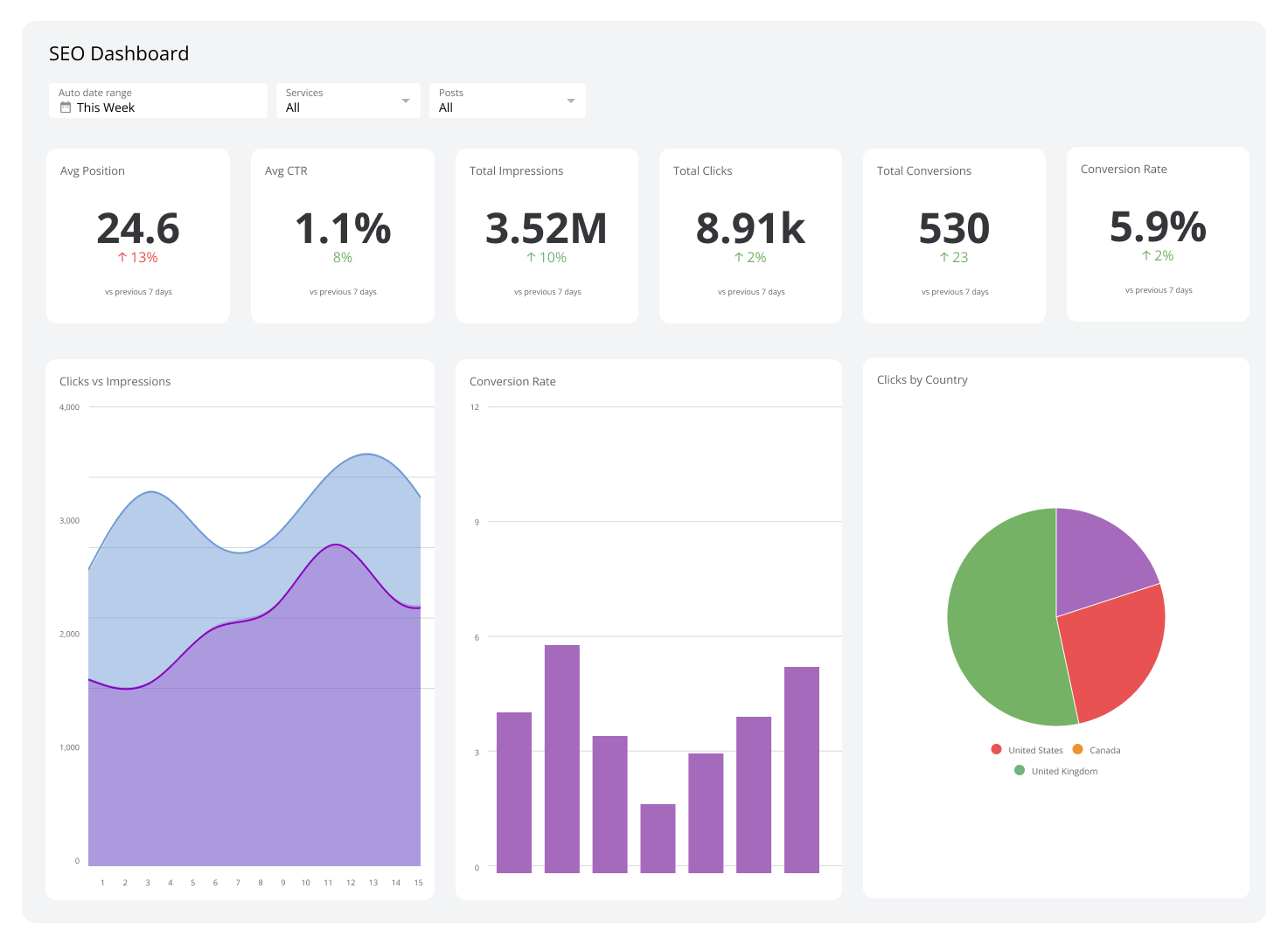
While there isn’t a direct “E-E-A-T score,” you can track its influence through various proxies in your analytics.
- Organic Search Performance: Monitor changes in organic traffic, keyword rankings (especially for high-value terms), and impressions in Google Search Console. Improved E-E-A-T often correlates with better visibility.
- Engagement Metrics: Look at bounce rate, time on page, and pages per session. Content that demonstrates strong E-E-A-T tends to keep users engaged longer.
- Conversion Rates: Ultimately, higher trust and authority should lead to more leads, sales, or desired actions. Track how content contributing to E-E-A-T influences your conversion funnels.
- Brand Mentions and Backlinks: Use tools like brand mention tracking or backlink analysis to monitor how often your brand is cited and linked to by other reputable sources.
Moving Forward with Authority
Building E-E-A-T is an ongoing commitment, not a one-time project. It requires consistent effort to demonstrate your business’s genuine value and expertise. For SMBs, this means embedding E-E-A-T principles into your regular content creation and update cycles. Focus on quality over quantity, always asking: “Does this content truly reflect our experience, expertise, and can users trust it?” By prioritizing these elements, you’ll not only satisfy search engine guidelines but, more importantly, build a loyal audience who sees your business as a reliable and authoritative source.


1 Comment