

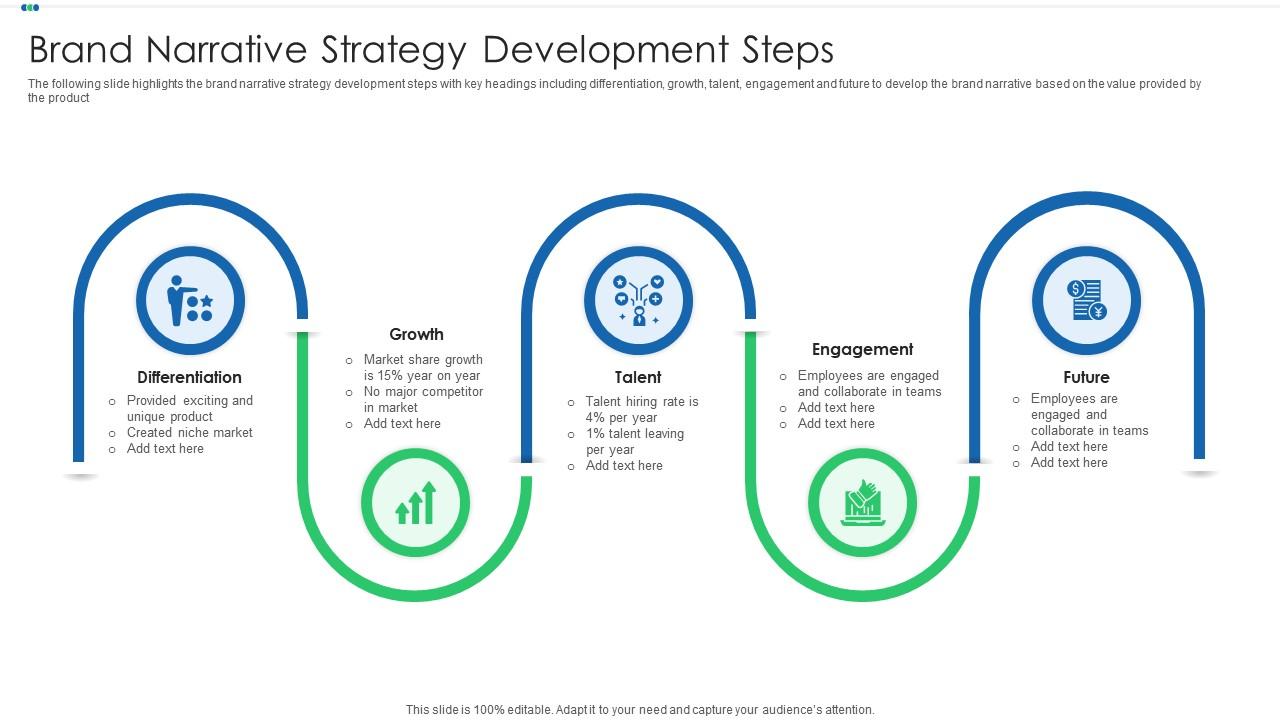
In today’s crowded market, simply having a good product or service isn’t enough. Your small or mid-sized business needs to connect with customers on a deeper level, and that’s where a strong brand narrative comes in. This article will guide you through building a narrative that resonates, helping you make smart decisions about where to focus your limited marketing resources for real, measurable impact.
You’ll gain practical insights into identifying your core story, operationalizing it across channels, and measuring its effectiveness, all while navigating the real-world constraints of budget and team size. Our focus is on actionable strategies that deliver sustainable market leadership, not just fleeting attention.
Why Narrative Matters More Than Ever (and What It Isn’t)
The market is saturated with information, offers, and competitors. For small to mid-sized businesses, breaking through this noise isn’t about shouting louder; it’s about speaking more clearly and authentically. A brand narrative isn’t just a catchy tagline or a single marketing campaign; it’s the overarching story that defines your purpose, values, and the unique transformation you offer your customers. It’s the consistent thread that ties together every interaction, from your website to your customer service.
Crucially, a brand narrative is not merely ‘storytelling’ in the traditional sense of fictional tales. It’s a strategic framework that articulates your brand’s reason for being, the problem it solves, and the unique way it solves it. It’s about creating a coherent identity that customers can understand, remember, and connect with emotionally. Without this clarity, your marketing efforts risk becoming fragmented and ineffective, wasting precious budget and time.
What you should deprioritize today is chasing every new social media trend or attempting to craft an overly complex, multi-layered brand manifesto from the outset. These efforts often dilute your message and consume resources without building a foundational identity. Instead, focus on simplifying your core message first; complexity can be added later, once your foundation is solid.
Deconstructing Your Core Narrative: The Essential Elements
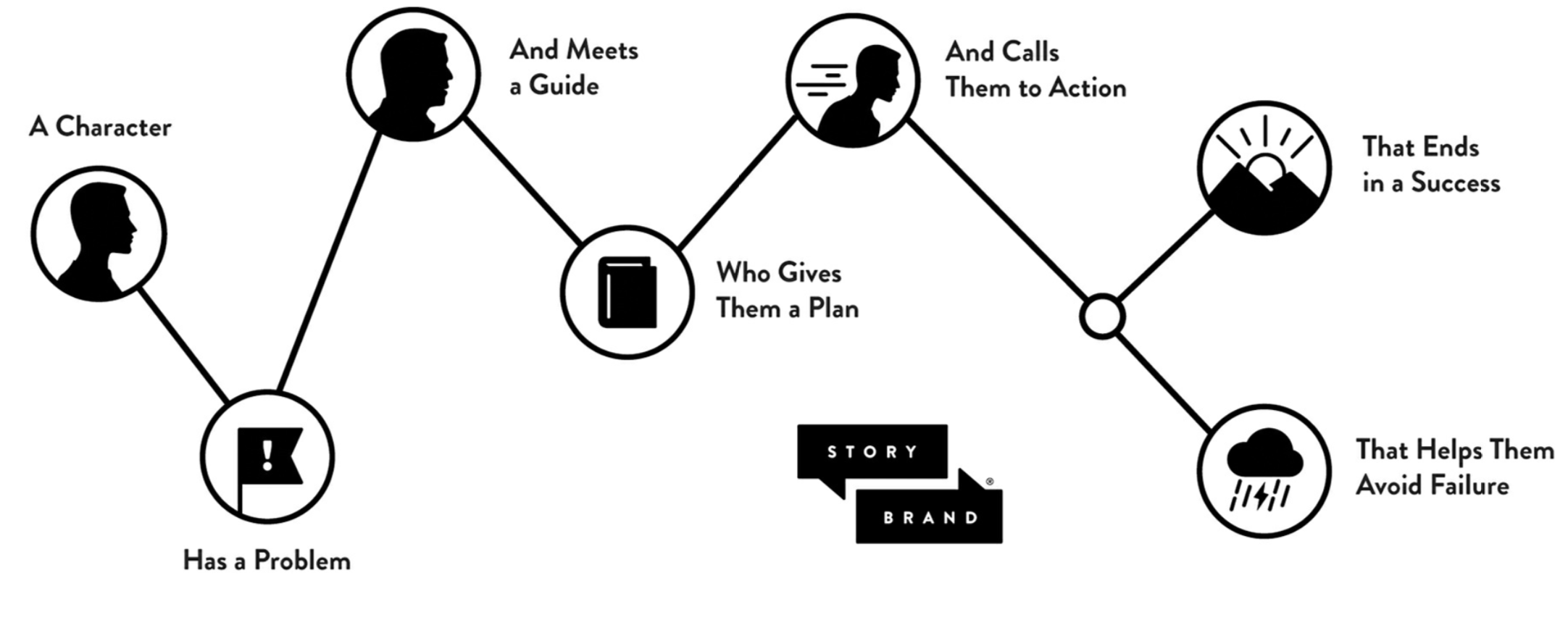
Building a compelling narrative starts with understanding its fundamental components. For SMBs, this means cutting through academic theory and focusing on what truly matters for practical application. Your core narrative should clearly articulate:
- The Protagonist (Your Customer): Who are they? What are their aspirations, challenges, and pain points? Understand their world deeply.
- The Problem: What specific, tangible problem does your customer face that your brand addresses? Be precise; vague problems lead to vague solutions.
- The Guide (Your Brand): How do you empower the protagonist to overcome their problem? You are not the hero; you are the mentor providing the tools, knowledge, or service.
- The Plan: What is the clear, simple path you offer to solve their problem? This should be easy to understand and follow.
- The Call to Action: What specific step do you want them to take next?
- The Success: What does a transformed life or business look like after engaging with your brand? Focus on the positive outcome.
- The Failure (What’s at Stake): What are the negative consequences if they don’t engage with your solution? This adds urgency and highlights the value of your offering.
Start by drafting these elements in simple, direct language. Don’t overthink it; the goal is clarity, not literary perfection. This framework provides a robust foundation for all your communication.
Even with a clear narrative drafted, the real challenge often lies in its consistent application across all touchpoints. It’s easy to define these elements in a workshop, but far harder to ensure every piece of content, every sales conversation, and every customer service interaction reflects that single, coherent story. The hidden cost here isn’t just wasted effort; it’s the cumulative effect of fragmented messaging that confuses potential customers and erodes trust. What looks like a minor deviation in one email can, over time, create a perception of an unreliable or unfocused brand.
Another common pitfall is underestimating the operational lift required to deliver on “The Plan” and “The Success” elements. A simple plan on paper might require significant internal coordination, process changes, or resource allocation that small teams often overlook in the initial excitement of narrative building. The pressure to simplify can inadvertently lead to oversimplification of the execution, setting up both the customer and the internal team for frustration. When the promised “transformed life” doesn’t materialize smoothly due to internal bottlenecks, the narrative loses its power, and the team faces the difficult task of managing unmet expectations.
For small teams, it’s tempting to broaden the “Protagonist” or “Problem” in an attempt to capture a wider audience. This is a natural impulse driven by revenue pressure, but it’s a trap. Trying to be the solution for everyone often means being the definitive solution for no one. While the framework encourages specificity, the real-world decision pressure can push teams to dilute their focus, believing they’re expanding their market. In practice, this usually results in a generic, forgettable narrative. Prioritize depth over breadth in your initial narrative; you can always expand later once you’ve proven resonance with a core segment. Trying to serve too many masters from the outset is a common, and often costly, misstep.
Operationalizing Your Narrative Across Channels
Once your core narrative is clear, the real work begins: integrating it consistently across every customer touchpoint. For small teams, this means strategic prioritization. You can’t be everywhere, so focus on the channels where your target audience spends the most time and where your resources will yield the greatest return.
- Website & Content Marketing: Your website is often the first impression. Ensure your narrative is woven into your ‘About Us’ page, product descriptions, and blog content. Every piece of content should reinforce your brand’s role as the guide solving the customer’s problem.
- Social Media: Instead of just posting product shots, use social channels to tell stories that exemplify your narrative. Share customer success stories, behind-the-scenes glimpses that reflect your values, or educational content that addresses your customers’ problems.
- Email Marketing: Segment your audience and tailor email campaigns to specific stages of the customer journey, always reinforcing your core message. Your welcome series, promotional emails, and newsletters should all speak the same language.
- Advertising: Craft ad copy and visuals that directly reflect your narrative’s problem, solution, and desired outcome. Avoid generic ads that don’t connect to your brand’s unique story.
- Sales & Customer Service: Train your team to articulate the brand narrative naturally. When sales reps understand the core story, they can better position your offerings. When customer service agents embody your values, they reinforce trust and loyalty.
Consistency is key, but it doesn’t mean rigidity. Adapt your narrative’s expression to suit the nuances of each platform while maintaining its core message. For instance, a short-form video on TikTok will convey the narrative differently than a long-form blog post, but the underlying story should remain identical.
The initial clarity of a narrative is a good start, but the real test comes in its sustained application. What often gets overlooked is the ongoing operational cost of maintaining this consistency. It’s not a set-it-and-forget-it task. As teams evolve, new hires come on board, and market conditions shift, the narrative can subtly drift. This requires continuous internal communication, training, and regular audits to ensure everyone, from content creators to sales reps, is still speaking the same language. The hidden cost here isn’t just time; it’s the slow erosion of brand trust and recognition if the message becomes fragmented over time. Customers pick up on these inconsistencies, even subconsciously, leading to a diluted brand identity that’s harder to differentiate and ultimately more expensive to market.
Another common pitfall is focusing solely on external messaging while neglecting internal buy-in. It’s easy to craft compelling ad copy or social posts, but if the sales team doesn’t genuinely understand or believe the narrative, or if customer service can’t embody its values in their interactions, the entire effort falls flat. This creates a frustrating disconnect for customers who experience one brand promise externally and a different reality internally. For small teams with limited bandwidth, trying to achieve perfect consistency across every conceivable touchpoint from day one is often a mistake. Instead of spreading resources thin, prioritize the 1-2 channels that have the most direct impact on your customer’s journey and where a narrative misalignment would be most detrimental. For many, this means ensuring the website, core sales conversations, and initial customer support interactions are rock-solid before attempting to master every niche social platform. Trying to do everything at once often results in doing nothing well.
Measuring Narrative Impact: Beyond Vanity Metrics
For SMBs, every marketing dollar and hour must count. Measuring the impact of your brand narrative goes beyond simple reach or likes. You need to focus on metrics that indicate genuine connection and business growth. Avoid getting sidetracked by vanity metrics that don’t directly correlate with your objectives.
- Engagement Rates: Look at time on site, bounce rate, comments, shares, and direct messages. Are people interacting with your content in meaningful ways?
- Brand Recall & Recognition: While harder to quantify directly for SMBs, surveys (even informal ones with existing customers) can gauge if your brand’s message is sticking. Are customers associating your brand with the problem you solve?
- Conversion Rates: Ultimately, a strong narrative should drive action. Track lead generation, sign-ups, and sales conversions. Are people moving through your funnel more effectively?
- Customer Loyalty & Retention: A compelling narrative fosters loyalty. Monitor repeat purchases, customer lifetime value (CLTV), and referral rates. Loyal customers are often your best advocates.
- Customer Feedback & Testimonials: Actively solicit feedback. Do customers articulate your brand’s value proposition in their own words? Their stories are powerful validation of your narrative’s effectiveness.
Start with a few key metrics that directly align with your business goals. Don’t try to track everything at once. Use tools like Google Analytics Google Analytics for SMBs and your CRM to monitor these indicators. The goal is to see if your narrative is not just being heard, but is also driving the desired behaviors and building lasting relationships.
Sustaining Your Narrative: Evolving Without Losing Core Identity
A brand narrative isn’t a static artifact; it’s a living framework that needs occasional refinement. However, for small to mid-sized businesses, this doesn’t mean constant reinvention. The challenge is to evolve your story in response to market changes and customer feedback without losing the core identity that makes your brand unique.
- Listen to Your Customers: Pay close attention to how customers talk about your brand, their evolving needs, and new challenges they face. Their language can inform subtle shifts in your narrative’s emphasis.
- Monitor Market Shifts: Keep an eye on industry trends and competitor narratives. This isn’t about copying, but understanding the broader context in which your story exists.
- Internal Alignment: Regularly revisit your narrative with your team. Ensure everyone understands and can articulate the core story. Internal consistency is crucial for external consistency.
- Refine, Don’t Reinvent: When making changes, focus on refining the language, updating examples, or expanding on specific aspects of your story. Avoid drastic overhauls unless your core business model or target audience fundamentally changes.
What to avoid is reactive, knee-jerk changes to your narrative based on every new marketing fad or a single piece of negative feedback. A strong narrative is built on enduring truths about your brand and your customers. Frequent, unstrategic changes confuse your audience, erode trust, and waste valuable resources. Stick to your core, and make iterative improvements based on solid data and strategic foresight.


Leave a Comment