


Navigating Algorithm Shifts for Consistent Social Growth
For small to mid-sized businesses, the constant evolution of social media algorithms isn’t just a technical detail; it’s a direct challenge to your marketing budget and team’s time. This article cuts through the noise to provide actionable strategies for maintaining and growing your audience, even when the rules seem to change daily. You’ll gain clarity on where to focus your limited resources, what truly drives visibility today, and what tactics are best left behind.
Our goal is to equip you with a pragmatic framework for social media that prioritizes real engagement and sustainable growth, ensuring your efforts consistently deliver value despite algorithmic shifts. This isn’t about chasing every trend, but about building a resilient strategy that works for your business.
Understanding the Algorithm’s Core Directives
Algorithms, at their heart, aim to keep users on the platform longer by showing them content they find relevant and engaging. This fundamental principle hasn’t changed, even as the specific mechanics evolve. Today, relevance is often measured by immediate interaction, completion rates (especially for video), and how often users share or save your content. Platforms prioritize content that fosters genuine connection and keeps users scrolling, rather than simply broadcasting messages.
For your business, this means moving beyond vanity metrics. A high follower count means little if your content isn’t sparking conversations or driving deeper engagement. Focus on creating content that genuinely resonates with your specific audience, encouraging them to stop, watch, read, and interact.
The relentless pursuit of “engagement” can inadvertently push teams towards a content treadmill. While the directive is clear – keep users scrolling – the practical implication is a constant demand for novel, attention-grabbing material. This often leads to a subtle but significant shift: instead of focusing solely on what genuinely serves the audience or business goals, content creators start optimizing for the algorithm’s perceived preferences. The hidden cost here isn’t just the increased production effort; it’s the potential dilution of your core message and brand voice as you chase ephemeral trends or try to replicate viral formats that don’t truly align with your business.
This pressure also creates a common failure mode: mistaking algorithmic preference for audience preference. The algorithm might temporarily reward content that generates quick interactions – a polarizing opinion, a sensational headline, or a fleeting trend. In theory, this is “engagement.” In practice, consistently leaning into such tactics can erode trust and attract an audience that isn’t truly interested in your long-term value. Small teams, already stretched thin, face immense decision pressure here. Do they chase the immediate algorithmic bump, knowing it might be a shallow win, or do they stick to their authentic voice, risking slower growth but building a more loyal base? The answer isn’t always clear-cut, and the opaque nature of algorithmic shifts only amplifies this frustration.
Given these realities, a critical judgment call for any small-to-midsize business is what not to do. Resist the urge to chase every new content format or algorithmic “hack” that surfaces. While it’s tempting to believe there’s a secret formula, constantly pivoting your strategy to match the latest platform whim is a resource drain that rarely yields sustainable results. Instead, deprioritize reactive trend-chasing. Your limited time and budget are better spent refining your understanding of your core audience, doubling down on content types that consistently deliver genuine value and connection, and building a distinct brand voice. The algorithm will eventually catch up to authentic engagement; trying to outsmart it every week is a losing battle.
Prioritizing Platform-Native Content Formats
One of the most critical shifts is the algorithm’s preference for content created natively within each platform’s ecosystem. While cross-posting can save time, it often comes at the cost of reach and engagement. Each platform optimizes for specific content types:
- Short-Form Video (TikTok, Instagram Reels, YouTube Shorts): These formats continue to dominate. Algorithms favor videos that capture attention quickly, maintain viewer retention, and encourage rewatches or shares. Authenticity and quick storytelling often outperform highly polished, overly commercial productions.
- Carousels & Image Posts (Instagram, LinkedIn): For static visuals, carousels that tell a story or offer multi-slide value (e.g., tips, step-by-step guides) often see higher engagement as users spend more time swiping. High-quality, original photography and graphics are key.
- Long-Form Text & Articles (LinkedIn, Facebook Groups): While video is king, thoughtful, value-driven text posts, especially on LinkedIn, can still perform exceptionally well. These are often rewarded for sparking professional discussions or providing in-depth insights.
- Community Interaction (Facebook Groups, X, Niche Platforms): Algorithms increasingly value direct interaction within communities. Participating in relevant groups, asking questions, and responding thoughtfully can significantly boost visibility and build trust.
What often gets overlooked in the pursuit of efficiency is the compounding negative effect of non-native content. While it feels productive to create one piece and push it everywhere, the algorithms don’t just ‘prefer’ native formats; they actively deprioritize content that doesn’t fit. This isn’t a minor penalty; it’s a significant reduction in organic reach, meaning your efforts reach fewer people, generate less engagement, and ultimately deliver a lower return on the time invested. The initial time saved on creation is quickly offset by the increased time needed to chase diminishing returns, or worse, the cost of paid promotion to compensate for poor organic performance.
This reality creates a significant pressure point for small teams. The temptation to create ‘one-size-fits-all’ content is strong, driven by limited headcount and tight deadlines. However, attempting to adapt a single video for TikTok, Instagram, and YouTube Shorts often results in a piece that feels slightly off on all of them. The pacing, text overlays, sound choices, and call-to-actions that work on one platform rarely translate perfectly to another. This leads to a frustrating cycle: teams work hard, see poor results, and then question the value of the platform itself, rather than the approach to content creation.
The downstream consequence of consistently pushing non-native content is a slow erosion of your social media presence and team morale. When engagement metrics stagnate or decline, it becomes harder to justify continued investment. This isn’t just about vanity metrics; it impacts lead generation, brand awareness, and customer connection. For teams operating with real-world constraints, the pragmatic choice is often to deprioritize breadth for depth. Instead of trying to be everywhere with mediocre, adapted content, focus on excelling on one or two platforms where your audience is most active and where you can genuinely commit to creating truly native experiences. Spreading yourself too thin with generic content is a common failure mode that yields little but frustration.
The Engagement Imperative: Beyond Likes
Algorithms are smart enough to differentiate between passive consumption and active engagement. A like is good, but a comment, a share, or a save is far better. These actions signal stronger interest and relevance. To encourage this, your content strategy must shift from broadcasting to conversing.
- Ask Questions: Directly prompt your audience for their opinions, experiences, or preferences.
- Respond to Every Comment: Show that you’re listening. This not only builds community but also signals to the algorithm that your content is generating discussion.
- Create Shareable Value: Offer tips, insights, or entertainment that people genuinely want to pass on to their network.
- Utilize Interactive Features: Polls, quizzes, and Q&A stickers on stories or posts can significantly boost immediate engagement signals.
Data-Driven Adaptation, Not Trend Chasing
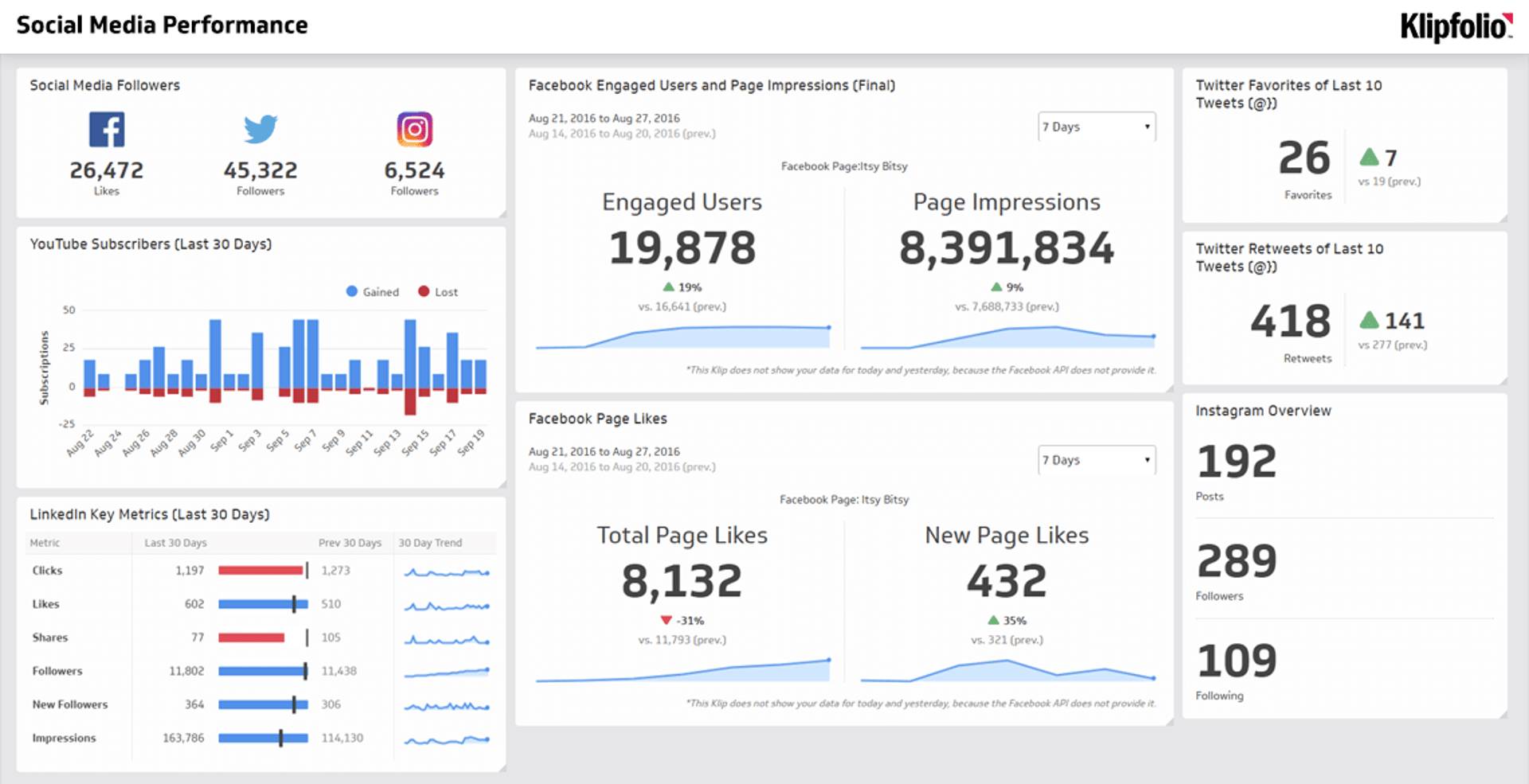
While it’s tempting to jump on every new feature or viral trend, a more effective approach for SMBs is to focus on what your own analytics tell you. Your internal data is the most reliable indicator of what resonates with *your* specific audience. Regularly review:
- Reach vs. Engagement: Are certain content types getting broad reach but no interaction, or vice versa?
- Audience Demographics: Are you reaching the right people? Adjust content to better align with their interests.
- Best Performing Posts: Identify patterns in your most successful content – format, topic, call to action, time of day. Replicate what works.
- Conversion Metrics: Ultimately, social media should contribute to business goals. Track clicks to your website, leads generated, or sales attributed to social efforts.
What to Deprioritize and Skip Today
Given limited time and resources, small and mid-sized businesses must make tough choices. Today, you should deprioritize or skip the following:
- Blindly Cross-Posting Identical Content: While convenient, simply sharing the exact same video or image across all platforms without adaptation is a losing strategy. Algorithms penalize generic content. Invest the extra time to tailor your message and format for each platform’s unique audience and algorithmic preferences.
- Chasing Every New, Unproven Platform Feature: Social media platforms constantly roll out new features. As an SMB, you don’t have the luxury of experimenting with every single one. Focus on mastering the core features that consistently drive engagement and align with your content strategy. Wait for clear evidence of sustained algorithmic favoritism before diverting significant resources.
- Obsessing Over Follower Count Alone: A large follower count without corresponding engagement is a hollow victory. Algorithms prioritize active communities. Shift your focus from acquiring passive followers to cultivating an engaged audience that interacts with your content and, ultimately, your business.
Building an Evergreen Content Foundation
While algorithms change, certain content types consistently perform well because they provide lasting value. These are your evergreen assets:
- How-To Guides & Tutorials: Solve common problems for your audience.
- Behind-the-Scenes Content: Show the human side of your business, building trust and authenticity.
- Industry Insights & Expert Tips: Position your brand as a thought leader.
- Customer Testimonials & Case Studies: Leverage social proof.
These types of content can be repurposed and re-shared, offering value regardless of minor algorithm tweaks. They build a foundational layer of trust and authority that algorithms tend to reward over time. evergreen content strategy for small business
Leveraging AI for Efficiency, Not Automation
AI tools are not a magic bullet for social media, but they can significantly enhance efficiency for lean teams. Use AI to:
- Generate Content Ideas: Brainstorm topics, headlines, or video scripts based on keywords or audience interests.
- Optimize Posting Schedules: Analyze engagement data to suggest optimal times for your specific audience.
- Draft Initial Copy: Get a head start on captions or short-form text, freeing up your team for refinement and personalization.
- Analyze Performance: Identify trends and insights from your data more quickly.
Crucially, AI should augment human creativity and judgment, not replace it. Authenticity and a unique brand voice still require human oversight and a personal touch. Avoid fully automating your social presence, as algorithms are increasingly adept at detecting and deprioritizing generic, AI-generated content lacking genuine human connection.
The Future is Community and Authenticity
Looking ahead, algorithms will continue to reward genuine human connection and authentic content. The focus will remain on fostering communities where users feel valued and engaged. For your business, this means:
- Prioritizing Two-Way Conversations: Engage with your audience, not just talk at them.
- Showcasing Your Brand’s Personality: Let your unique voice shine through.
- Building Trust: Be transparent and consistent in your messaging.
- Encouraging User-Generated Content: Empower your customers to share their experiences.
By focusing on these core principles, you build a social media strategy that is inherently resilient to algorithmic shifts. It’s about creating real value for your audience, which is ultimately what algorithms are designed to promote.


Leave a Comment