

Leveraging AI for Advanced On-Page SEO: Beyond Keywords and Content Generation
For small to mid-sized businesses, leveraging AI in on-page SEO isn’t just about generating content or finding basic keywords anymore. It’s about making smarter, more efficient decisions to improve your site’s performance without overstretching your limited resources. This article will guide you through practical applications of AI to optimize your site structure, refine internal linking, and enhance semantic relevance, helping you achieve better rankings and user engagement with realistic effort.
You’ll learn where to focus your AI efforts for maximum impact, what advanced strategies are now within reach, and critically, what to deprioritize to avoid wasting time and budget on low-return activities. Our goal is to equip you with actionable insights to move beyond foundational SEO and truly optimize your web presence.
Moving Beyond Keyword Stuffing with Semantic AI
AI’s real power in on-page SEO lies in understanding context, not just keyword frequency. Instead of merely identifying keywords, AI tools today excel at entity recognition and topic modeling. This means they can analyze content to understand the underlying concepts, related entities, synonyms, and the broader user intent behind a search query. For practitioners, this translates into a more sophisticated approach to content optimization.
Practically, you can use AI tools to analyze top-ranking pages for a target query, identifying not just keywords, but the semantic entities and comprehensive topic coverage that Google favors. Integrate these insights into your content to ensure it’s not only relevant for specific keywords but also semantically rich and authoritative. For example, if your target is “best CRM,” AI helps you cover related entities like “sales automation,” “lead management,” “customer relationship management benefits,” and “CRM software features,” providing a holistic answer to user needs. This depth is crucial for demonstrating expertise, experience, authoritativeness, and trustworthiness (E-E-A-T) Google Search Essentials E-E-A-T.
While AI provides a powerful lens into semantic relationships, a common pitfall is treating its output as a prescriptive checklist rather than a strategic guide. The tool might surface dozens of related entities, but not all are equally critical for your specific audience or business objective. Blindly integrating every suggested concept can lead to content bloat, diluting your core message and making it harder for readers to extract value. This isn’t about completeness for completeness’ sake; it’s about strategic relevance. The real work remains in discerning which semantic connections genuinely enhance user understanding and align with your unique value proposition, rather than simply adding noise.
Furthermore, the pursuit of semantic breadth often overlooks the downstream operational costs. Highly interconnected, comprehensive content is inherently more complex to maintain. When industry terms evolve, or new information emerges for a specific entity, updating one section can necessitate revisions across multiple related pieces to maintain consistency and accuracy. This creates a significant, often underestimated, maintenance burden for lean teams. What starts as an efficient content creation process can quickly devolve into a perpetual update cycle, diverting resources from new content initiatives and potentially leading to a backlog of outdated, yet semantically ‘optimized,’ pages that no longer serve their purpose effectively.
AI-Powered Internal Linking Strategies
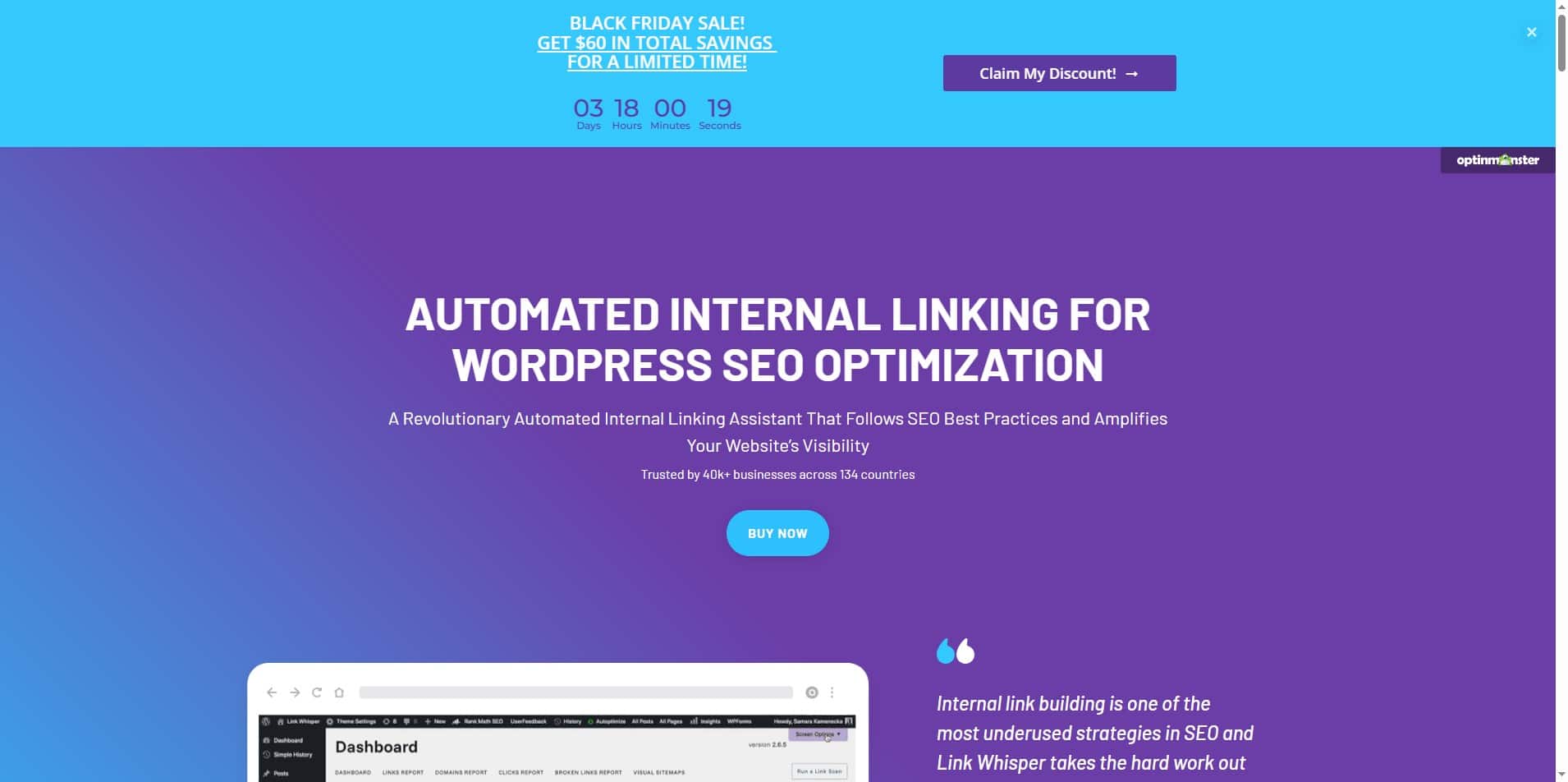
Internal links are a critical, yet often underutilized, component of on-page SEO. They distribute link equity throughout your site, signal page importance, and guide users through your content. For SMBs, manually auditing and optimizing internal links can be incredibly time-consuming. This is where AI offers significant leverage.
AI tools can quickly identify orphaned pages – those with few or no internal links – which often struggle to rank. Beyond identification, AI can analyze the semantic content of various pages and suggest highly relevant internal links, improving both SEO and user experience. Prioritize linking to your high-value, conversion-focused pages from relevant, high-authority internal pages. This strategic approach ensures that your most important content receives the necessary internal link equity. This is a high-impact area for SMBs because AI automates a task that is otherwise resource-intensive, allowing you to focus on execution rather than manual discovery internal linking guide.
While AI streamlines the identification of linking opportunities, a common pitfall is to treat its suggestions as gospel without applying a layer of strategic human oversight. AI excels at semantic relevance, but it doesn’t inherently understand the strategic intent or conversion funnel stage of a page. Blindly implementing every AI-recommended link can inadvertently dilute link equity by pointing high-authority pages to low-value targets, or create confusing user journeys that hinder rather than help conversions. The immediate efficiency gain can mask a downstream effect of misdirected authority, leading to frustration when SEO metrics don’t improve as expected despite a seemingly optimized internal link profile.
Furthermore, the initial benefit of an AI-powered audit can foster a ‘set it and forget it’ mentality. Internal linking isn’t a one-time fix; it’s an ongoing maintenance task. As new content is published, existing pages are updated, or old ones deprecated, the carefully constructed internal link graph can quickly decay. Overlooking the need for regular re-audits and adjustments means that initial gains erode, and new orphaned pages or suboptimal link paths re-emerge, forcing teams back to square one with a more complex problem than they started with.
The distinction between theoretical ‘authority’ and practical ‘value’ is also easy to overlook. AI might identify a page as ‘high authority’ based on its internal link count or depth, but that doesn’t automatically make it the best source for a link if its topical relevance or strategic purpose doesn’t align with the target page’s conversion goals. Practitioners must still exercise judgment to ensure that suggested links not only make semantic sense but also contribute to the business’s overarching content strategy and user progression, rather than just creating a denser, but less effective, internal web.
AI for Technical SEO Insights and Prioritization
AI isn’t replacing technical SEO experts, but it’s an invaluable assistant for identifying and prioritizing issues. AI-powered tools can quickly flag common technical SEO problems such as broken links, redirect chains, duplicate content, and indexing blocks that hinder crawlability and indexability.
Furthermore, AI can analyze site performance data to pinpoint specific opportunities for improving Core Web Vitals (CWV), suggesting fixes like identifying slow-loading scripts or overly large images. The key for SMBs is using these AI insights for smart decision-making: prioritize technical fixes based on their potential impact and ease of implementation. What to deprioritize: Don’t get bogged down in micro-optimizations for Core Web Vitals if your fundamental site structure, content quality, or server response times are significantly lacking. Address the big rocks first. AI can highlight every potential issue, but your limited resources mean you must prioritize fixes that offer the most substantial performance gains, not just the easiest or most numerous.
Leveraging AI for Enhanced User Experience Signals
Google increasingly values user experience as a ranking factor. AI helps interpret complex user behavior data to inform on-page adjustments that go beyond simple keyword placement. AI can process data from your analytics platforms to identify patterns in user behavior, such as high bounce rates on specific sections, low scroll depth, or common exit pages.
These insights are actionable. For example, if AI identifies that users consistently drop off after the second paragraph on a product page, it might suggest the introduction is too long or not compelling enough. This allows you to refine content clarity, improve calls-to-action, or restructure page layouts based on actual user interaction, leading to better engagement and potentially higher rankings.
Strategic Content Gap Analysis with AI
AI excels at identifying what your competitors cover that you don’t, or what topics are underserved in your niche. This moves beyond basic keyword research to a more strategic understanding of the content landscape. AI tools can analyze competitor content for topics, entities, and questions they answer that you might be missing, revealing opportunities for new content or enhancements to existing pages.
Additionally, AI can highlight opportunities for your content to rank for specific SERP features (e.g., featured snippets, People Also Ask boxes, video carousels) by identifying common patterns in top-ranking content. Prioritize content creation based on these high-potential gaps and features. What to avoid: While AI can identify competitor strategies, resist the urge to simply replicate them. Your goal isn’t to be a copycat, but to find unique angles, provide deeper value, or answer user queries more effectively. Deprioritize chasing every minor keyword gap identified by AI if it doesn’t align with your core business offerings or audience needs. Focus on strategic gaps that genuinely serve your customers and differentiate your brand.
Implementing Your AI-Driven On-Page Strategy
For small to mid-sized teams, the most effective approach to integrating AI into your on-page SEO is to start small. Pick one or two high-impact areas, such as internal linking optimization or semantic content refinement, to implement AI-driven changes. This allows you to learn, adapt, and demonstrate value without overwhelming your team.
Remember, AI provides powerful insights and automation, but human judgment and continuous measurement are still crucial. Iterate on your changes, A/B test where feasible, and integrate AI tools into your existing workflow rather than attempting a complete overhaul. Ultimately, AI is a powerful assistant that amplifies your ability to execute, but it doesn’t replace strategic thinking, a deep understanding of your audience, or the fundamental need for quality, valuable content.

Leave a Comment