

The platform economy isn’t just for tech giants. For small to mid-sized businesses, it represents a significant opportunity to unlock new revenue streams and scale without massive upfront investment. This playbook cuts through the noise, offering pragmatic strategies to monetize your digital presence effectively. You’ll gain clear insights on which platform models make sense for your resource constraints, how to prioritize your efforts, and what common pitfalls to sidestep.
The platform economy fundamentally shifts how value is created and exchanged. Instead of solely selling your own products or services, you become a facilitator, connecting different user groups – buyers with sellers, service providers with clients, or content creators with audiences. For an SMB, this means thinking beyond a traditional e-commerce store or service website and considering how you can host or enable interactions that generate value for others, and in turn, for you. It’s about building an ecosystem, however small, around your core offering.
Core Monetization Strategies for SMBs
Successfully monetizing a platform requires a clear understanding of where value is being created and how to capture a fair share of it. For SMBs, simplicity and focus are paramount.
Transaction Fees and Commissions
This is the most direct model for platforms facilitating sales or services. If your business connects buyers and sellers, or clients and service providers, a percentage-based fee on each transaction can be highly effective. Think local marketplaces for artisans, booking platforms for niche services, or even a curated digital storefront for complementary businesses.
- When it works: High transaction volume, clear value exchange, and a strong trust mechanism between parties.
- SMB application: Start with a narrow niche. For example, a local bakery could host a “community chef” section, taking a small commission on sales of homemade goods from approved local cooks.
Subscription Models
Subscriptions offer predictable recurring revenue by providing ongoing access to premium features, exclusive content, or specialized tools. This model thrives on delivering continuous value that users are willing to pay for repeatedly.
- When it works: When you offer unique, high-value content, tools, or a community that users can’t easily get elsewhere.
- SMB application: A marketing agency could offer a tiered subscription for access to exclusive templates, advanced strategy guides, or a private forum. A SaaS tool could offer basic features for free and premium features via subscription.
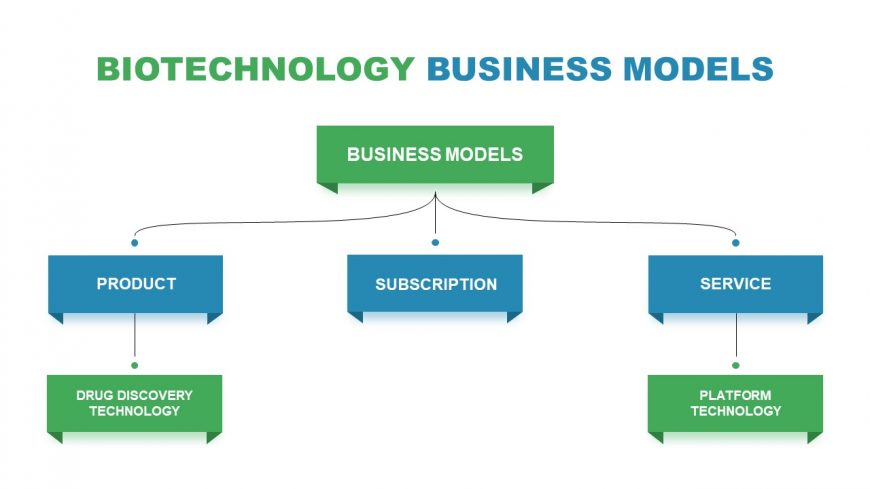
Freemium and Tiered Access
This strategy involves offering a basic version of your platform or service for free, then charging for advanced features, increased limits, or an ad-free experience. It’s an effective way to attract a large user base and convert a segment into paying customers.
- When it works: Products or services with low marginal costs for free users, and clear, valuable upgrades.
- SMB application: A project management tool might offer free access for up to three users, then charge for larger teams or advanced reporting.
Strategic Data Monetization (with caution)
For SMBs, direct data selling is rarely viable or advisable due to privacy concerns and scale. Instead, focus on indirect data monetization. This means using aggregated, anonymized data from your platform to create valuable insights or improve your core offerings. For instance, understanding popular product categories or service requests can inform your own product development or marketing efforts.
- When it works: When you have sufficient, ethical data to derive insights that benefit your users or improve your platform’s efficiency.
- SMB application: An online fitness platform could analyze anonymized workout trends to develop new training programs or identify popular equipment. This isn’t selling data; it’s using data to create new value.
Prioritizing Your Platform Monetization Efforts
For small to mid-sized teams, resource allocation is critical. You cannot pursue every opportunity simultaneously.
Do First: Focus on Core Value and User Acquisition
Before you even think about complex monetization, ensure your platform delivers undeniable value to its initial user base. Without users, there’s nothing to monetize. Prioritize:
- Solving a specific problem: Your platform must address a clear need for at least one side of your user base.
- User experience: Make it easy for users to join, interact, and find value. A clunky platform will deter adoption.
- Initial user acquisition: Focus on organic growth, targeted outreach, and building a community. Monetization will follow engagement.
- Choose one primary monetization model: Don’t try to implement transaction fees, subscriptions, and advertising all at once. Pick the model that best aligns with your core value proposition and initial user base, and refine it. For many SMBs, a simple transaction fee or a clear subscription tier is the most straightforward starting point.
Delay: Complex Features and Broad Monetization Schemes
Resist the urge to build out every possible feature or monetization channel from day one.
- Extensive advertising networks: Unless you have significant, sustained user traffic and engagement, advertising revenue will be negligible and can detract from user experience.
- Multi-sided payment gateways: While robust payment systems are important, don’t over-engineer them initially. Start with a reliable, off-the-shelf solution that handles your chosen primary model.
- Advanced AI-driven personalization: While powerful, these require substantial data and development resources. Focus on basic segmentation and user feedback first.
What to Deprioritize or Skip Today
For most small to mid-sized businesses, avoid attempting to build a fully custom, multi-vendor marketplace or a complex social network from scratch. The development costs, ongoing maintenance, and the sheer effort required to attract and balance multiple user groups are typically beyond the scope of limited budgets and headcount. Instead, leverage existing no-code or low-code platform builders, or focus on integrating your core offering into established platforms where your target audience already exists. For example, instead of building your own booking platform, consider integrating with an industry-specific booking tool or a broader platform like Shopify for e-commerce, if applicable. The goal is to capture value, not to reinvent the wheel or compete directly with tech giants. Your resources are better spent on marketing, user support, and refining your unique value proposition.
Even after successfully establishing core value and acquiring users, a common oversight is underestimating the continuous effort required to maintain that initial quality and experience. The ‘set it and forget it’ mentality rarely applies to digital platforms. User expectations are fluid, and technical debt accumulates. What felt like a solid foundation at launch can quickly degrade without consistent attention to bug fixes, performance optimization, and minor iterative improvements. This neglect often manifests as a slow but steady erosion of user trust and engagement, making subsequent monetization attempts significantly harder, as you’re effectively trying to monetize a leaky bucket.
The directive to delay complex features is sound, but it often creates a different kind of pressure. Teams can fall into the trap of accumulating an ever-growing backlog of ‘someday’ features, fueled by user requests and competitive analysis. This can lead to decision paralysis and a feeling of constantly playing catch-up. When these delayed features finally become critical, the pressure to implement them quickly can result in rushed, poorly integrated solutions that introduce new technical debt and detract from the very user experience you initially prioritized. The theoretical benefit of delaying can turn into a practical burden if not managed with a clear strategy for when and how to revisit these deferred capabilities.
While leveraging existing no-code or low-code solutions for foundational elements is a smart move to conserve resources, it’s critical to understand the long-term implications of platform dependency. The immediate cost savings are clear, but the hidden costs can emerge later in the form of vendor lock-in, unexpected pricing changes as you scale, or limitations on customization that prevent you from truly differentiating your offering. What seems like a simple integration today might become a strategic bottleneck tomorrow, forcing difficult decisions about migration or accepting compromises that dilute your unique value proposition. This trade-off between immediate efficiency and future flexibility is a constant tension for small teams.
Operationalizing Your Platform Strategy
Execution is where the rubber meets the road.
Technology Choices: Build vs. Buy vs. Integrate
For SMBs, building a platform from scratch is rarely the most efficient path.
- Leverage existing platforms: Can you integrate your service or product into an existing ecosystem? Think about apps on Shopify shopify app store or tools that integrate with HubSpot hubspot integrations.
- No-code/Low-code solutions: Tools like Webflow, Bubble, or Glide can allow you to build sophisticated platform functionalities without extensive coding, significantly reducing development time and cost.
- Modular approach: If custom development is unavoidable for a unique feature, build it modularly so it can integrate with other off-the-shelf components.
User Acquisition and Retention
Your platform’s success hinges on attracting and retaining users.
- Targeted marketing: Use SEO, content marketing, and focused social media campaigns to reach your specific user segments.
- Onboarding experience: Make it incredibly easy for new users to understand and start using your platform.
- Community building: Foster interaction and provide support to keep users engaged. User-generated content and feedback loops are invaluable.
- Feedback loops: Actively solicit and respond to user feedback. This not only improves your platform but also builds loyalty.
Measuring Success and Adapting
Define clear KPIs from the outset.
- Key Metrics: Track user acquisition cost (CAC), customer lifetime value (LTV), conversion rates for monetization, and user engagement metrics (e.g., active users, time spent).
- Iterate constantly: The digital landscape evolves rapidly. Be prepared to test, learn, and adapt your monetization models and platform features based on data and user feedback.
While the allure of off-the-shelf or no-code solutions is strong for speed and initial cost savings, the long-term picture is often more complex. What seems like a simple ‘buy’ decision can quickly introduce hidden costs: escalating subscription fees as your usage grows, vendor lock-in that makes switching prohibitively expensive, or the eventual need for costly custom integrations to bridge gaps the off-the-shelf solution can’t cover. The initial ease can mask a future operational burden, often leading to significant frustration when teams realize they’re paying more for less flexibility down the line.
A related, but often overlooked, risk is the over-reliance on a single third-party platform for critical functionality. This isn’t just about cost; it’s about control and resilience. Your platform’s core value proposition can become vulnerable to the strategic shifts, pricing changes, or even the discontinuation of a key vendor. Diversifying critical components or ensuring clear exit strategies, even if theoretical, is a pragmatic hedge against this kind of external dependency, especially for SMBs who can’t easily absorb such shocks.
When it comes to measuring success, the sheer volume of data available can be a trap. Teams often default to tracking easily accessible vanity metrics rather than digging for truly actionable insights that inform strategic decisions. This creates a pressure to ‘iterate constantly’ without a clear hypothesis, leading to a cycle of minor tweaks and feature bloat that confuses users and drains resources without moving the needle on core business objectives. For SMBs, the critical judgment call is often what *not* to track, and what to deprioritize. Focusing on a few high-leverage indicators, and resisting the urge to chase every possible data point or implement every requested feature, is often more effective than spreading limited resources too thin.
The Path to Sustainable Platform Growth
The platform economy offers a dynamic pathway to growth for SMBs, but it demands strategic focus and operational agility. By prioritizing core value, choosing appropriate monetization models, and leveraging existing tools, you can build a resilient digital business. Your competitive edge won’t come from outspending larger players, but from out-thinking them in niche value creation and efficient execution. Focus on delivering exceptional value to your specific audience, and the monetization will follow.


1 Comment